


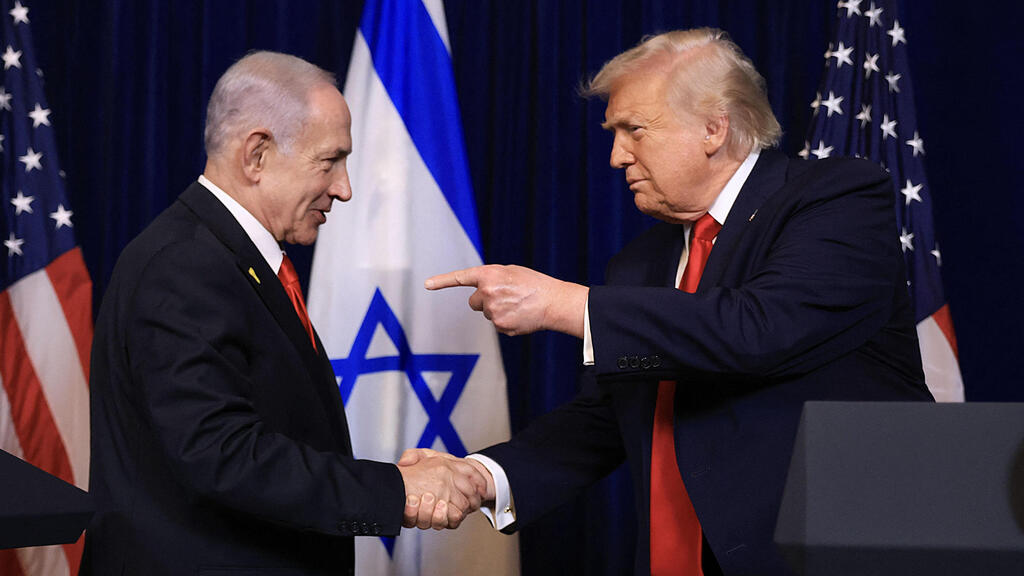
U.S. President Donald Trump imposed the Lebanon ceasefire on Prime Minister Benjamin Netanyahu in an effort to prevent the fighting from obstructing a potential agreement with Iran, mediated in part by Pakistan. If negotiations between Tehran and Washington succeed, they could shape not only the broader conflict but also developments on Israel’s northern front.
At first glance, the ceasefire does not appear to improve Israel’s position or the IDF’s efforts to compel Hezbollah to disarm. It is also unclear whether the truce will last beyond 10 days or if fighting will resume within less than two weeks. For now, Israel, including Netanyahu, remains dependent on decisions from Washington, which has already intervened militarily in the past to halt Israeli operations.
Despite these uncertainties, the ceasefire offers several advantages from Israel’s perspective. Most immediately, it provides relief for residents of northern Israel, who have endured continuous attacks for more than a month. It also gives the government an opportunity to address urgent civilian needs, including the deployment of protective infrastructure and essential services.
For the IDF, the pause allows for operational recovery. Forces can rotate personnel, conduct short rest periods, reorganize logistics, repair armored vehicles and replenish supplies. The ceasefire also creates a window for intensive intelligence gathering across Lebanon and for the Israeli Air Force to refine its response to Hezbollah rocket and drone launches.
On the ground, fighting continues to center around Bint Jbeil, where IDF forces have encircled the town and dozens of Hezbollah operatives who remain entrenched there. While the clearing of this strategic location is not yet complete, a prolonged siege during the ceasefire could work to Israel’s advantage, provided external pressure does not force a withdrawal or allow Hezbollah operatives to escape.
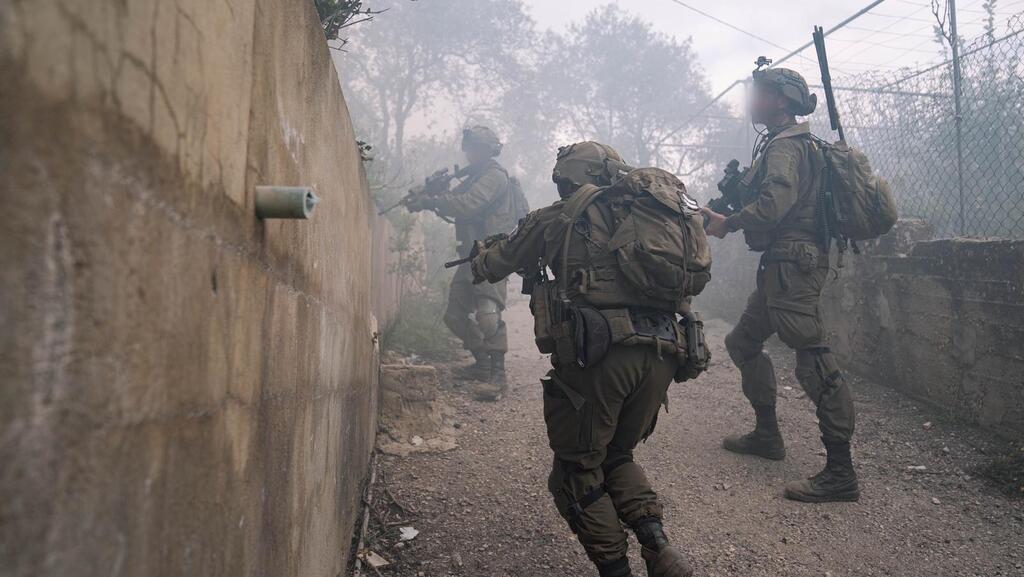
IDF forces in Lebanon
(Photo: IDF)
The pause also carries risks. Hezbollah may attempt to exploit the ceasefire to regroup, evade Israeli surveillance and move weapons, including anti-tank missiles, mortars and short-range rockets, closer to Israeli positions. These smaller systems are easier to transport and conceal, making them a potential threat if redeployed during the lull.
At the same time, the ceasefire could increase internal pressure within Lebanon on Hezbollah. As fighting subsides, civilians, including members of the Shiite community, may push the group’s leadership, including Nabih Berri and Secretary-General Naim Qassem, to avoid renewed hostilities and allow displaced residents to return to southern Lebanon.
If a favorable agreement is reached between the United States and Iran, it could further weaken Hezbollah by limiting its access to Iranian funding and support, potentially increasing the likelihood of gradual disarmament. Until the outcome of those negotiations becomes clear, Israel will maintain its military presence and readiness in southern Lebanon under the current defensive framework.
For now, it remains uncertain whether the ceasefire marks a brief pause in the fighting or the beginning of a longer-term shift.