

Since October 7, Jews around the world have become targets simply because they are Jewish and Zionist. I live in a suburb in Ohio, and even there I see a reality I never believed I would experience. As president of Hadassah, the largest Zionist women’s organization in the United States, I have had to change the locks on my home, install additional security measures and endure hate mail delivered to my doorstep. Those letters are disturbing. What is truly frightening is that people motivated by hatred know who I am, where I live and could try to harm me.
The rise in antisemitism makes me think twice before getting into a taxi alone. At a hotel in Paris, I was asked not to speak Hebrew so I would not become a target. I immediately agreed. For many people, the fact that I am a Jew who supports Israel is enough to make me a target.
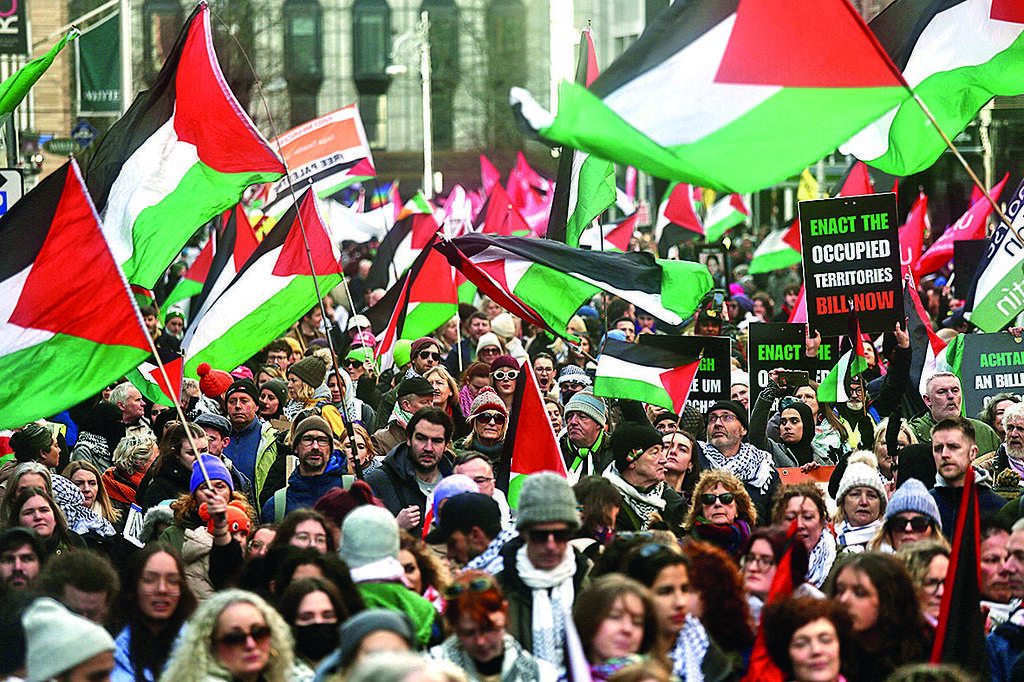
Antisemitic demonstrations in Europe
(Photo: Mostafa Darwish/Anadolu/GettyImages)
Recently, during a visit to Capitol Hill in Washington, D.C., I and other Hadassah members were harassed by pro-Palestinian activists, who shouted, cursed and accused us of horrific crimes. We were not protesting. We were not looking for a confrontation. We were sitting down to eat.
My story is only a small part of a much larger story since October 7. The heaviest price of the wars is paid in Israel by bereaved families, soldiers, the wounded and civilians. Still, it is important to understand that thousands of miles from Israel, the war has changed the lives of millions of Jews.
I meet Jews who hide Jewish symbols, students who are afraid to speak Hebrew on campus, community leaders who fear publicly expressing support for Israel and families forced to ask questions they never asked before, such as whether America is still safe for Jews.
Antisemitism is not a marginal phenomenon. It is a daily and dangerous reality for Jews around the world.
Despite my public profile, I continue to attend rallies, meet with decision-makers and appear in the media. I will continue to stand with Israel even when doing so becomes harder, less popular and at times dangerous.
In Israel, people do not fully understand what it means to be a Jew in the Diaspora and support Israel. We fight for Israel even when we pay a heavy personal and security price. For years, there has been a debate about the relationship between Israel and Diaspora Jewry. Politicians, public figures and commentators spoke about growing distance, gaps in worldview and a younger generation less connected to Israel.
One thing October 7 and the wars that followed proved is that the bond between Israel and the Diaspora is unshakable. When the war broke out in Israel, it touched Jews far beyond the country’s borders.
Antisemitism is not only a problem for Diaspora Jews. It is an international challenge for the Jewish people.
When a Jew is afraid to wear a Star of David, when a Jewish student is afraid to identify as a supporter of Israel, when Jewish leaders are forced to live under security, and when all of this becomes normal, it is not only a Diaspora problem. It is a problem for the State of Israel. That is because today’s antisemitism is not directed only against Jews. It is directed against the very legitimacy of the State of Israel and those who support it.
Israel must lead, together with Diaspora Jewry, a broad global fight against antisemitism, with the understanding that we share the same front and the same fate. It is not enough to respond to events after they happen. We must act proactively and invest in advocacy, education and international partnerships.
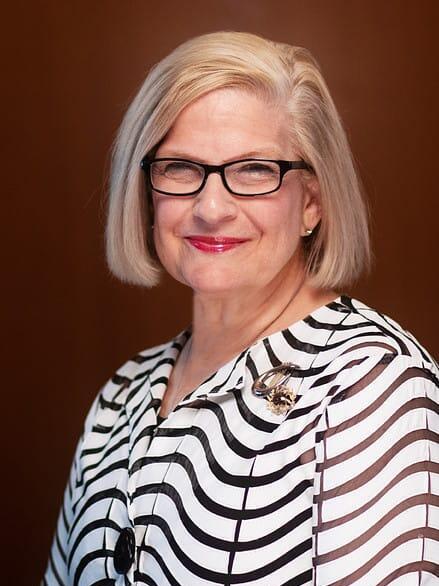 Carol Ann Schwartz
For years, people spoke about what separates Israel from Diaspora Jews. Since October 7, the conversation has shifted to what connects us. And although it sometimes seems that antisemitism is what unites us, we are bound together by something far more positive and powerful: the knowledge that we are one people.
That is why Diaspora Jews must continue to stand with Israel, and Israelis must continue to stand with Diaspora Jews.
Carol Ann Schwartz is president of Hadassah, The Women’s Zionist Organization of America