

For a long time, I held back from writing this so directly, but when I saw the IDF spokesperson announce preparations for a takeover of Gaza, I felt I had to say it outright.
The public debate about the possible takeover of Gaza has centered, understandably, on weighty issues such as the fate of the hostages, the death trap (quote from the IDF chief of staff) into which the regulars and reservists will enter, Israel’s deteriorating standing in the international arena, the humanitarian crisis in Gaza and the collapse of Israel’s economy.
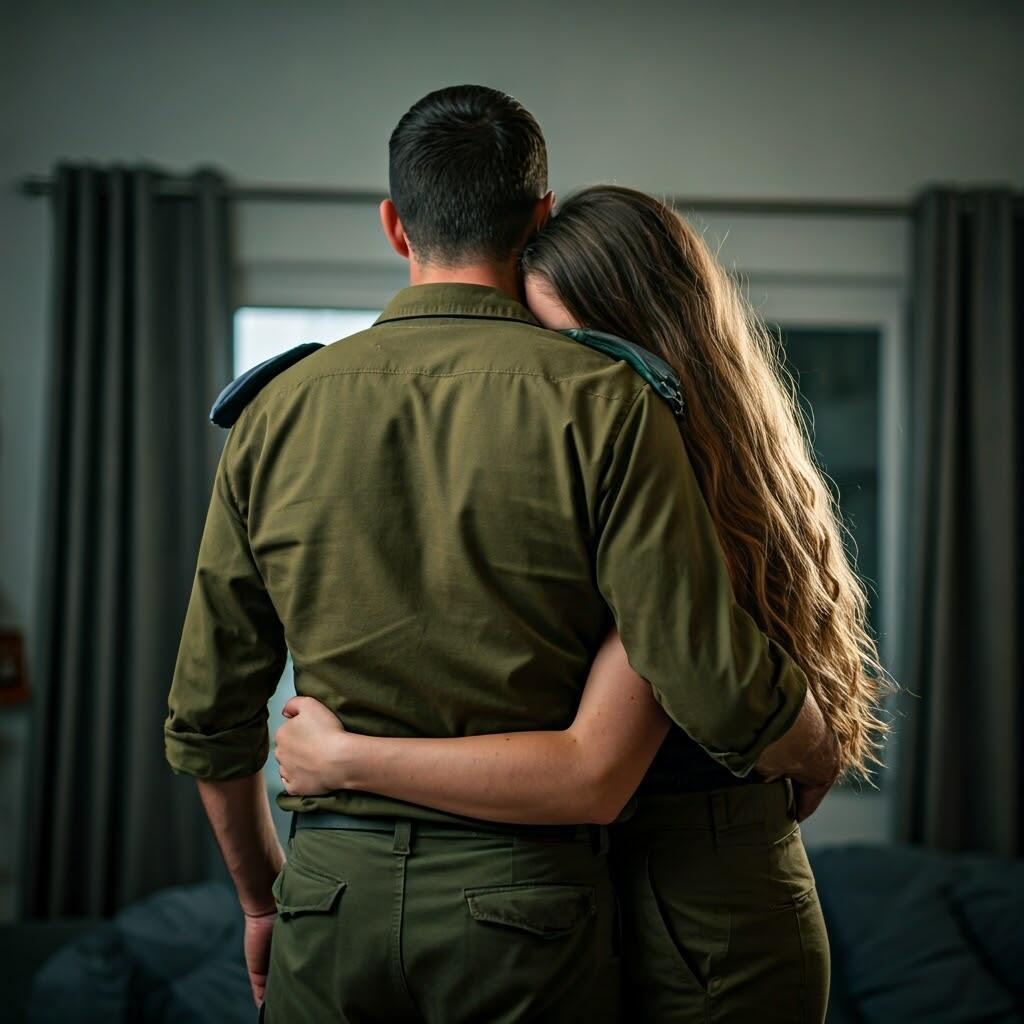
Recently, the mental state of those returning from the war has also made headlines, with a growing number of suicides.
Amid all of this, it sounds almost disconnected to talk about the impact of the war on families in Israel, but ignoring it is not an option. Not for me, anyway.
As a divorce mediator, I see this reality every week. For the past two years, I’ve sat with couples who entered the war already in crisis. Some were parents whose marriage was fragile even before the fighting began. When one spouse was called up for endless rounds of reserve duty, a marital crisis turned into an irreparable rift.
Others entered the war with the ordinary strains that exist in any marriage, but the long absences of one partner, combined with the burden on the other to raise the children alone, deepened those cracks into fractures that could not be repaired.
I have also seen couples where no one was drafted, but the stress of the war at home still led to explosive conflicts that badly damaged their relationship. And even these couples fared better than many, because they chose mediation, which provides a calmer and more constructive environment to work through the crisis.
Almost daily, I hear of couples who have instead fallen into the hands of aggressive lawyers. Those lawyers, rather than calming them, took advantage of the fragile emotional state of returning soldiers and the spouses left behind under immense pressure, pushing them into legal battles that left scorched earth in their wake.

The stress of the war at home
(Photo: Shutterstock)
And always, in the middle, are the children. Children who already live with air raid sirens, rockets, frantic runs to shelters, and exposure to images and information no child should have to process.
Their voices are not heard in the Cabinet, which may once again send soldiers to places they have already been four times, nor in the courtrooms where their parents wage wars in which they are treated as bargaining chips.
There are still no official statistics on the scale of the phenomenon. But anyone in the field - marriage counselors, mediators, lawyers - will tell the same story: what began as a ripple at the start of the war has become a tsunami.
Even the most experienced professionals admit privately that the war has pushed people to their limits, turning already painful separations into high-intensity conflicts that easily spiral into costly and prolonged legal battles, the last thing a fragile family needs.
Why am I writing this? Because I believe healthy and resilient families (whether under one roof or two) are the foundation of strong communities, and strong communities are the foundation of a healthy, strong society.
Israeli society right now is neither healthy nor strong. It is wounded, battered and divided. That may not be the central consideration when deciding whether to wage another war, but it must be part of the discussion. Because within the war, there are other wars. And we can no longer ignore them.
- The writer is a mediator, an expert in mediation processes in separations and divorces.
First published: 11:35, 08.27.25