


No concrete details have emerged from the summit held on Monday at U.S. President Donald Trump’s Mar-a-Lago estate in Florida between Trump and Prime Minister Benjamin Netanyahu.
In Israel, expectations had been high, among both political leaders and the security officials, that the meeting would be decisive. The assumption was that it would clarify how closely Netanyahu’s government can coordinate with the Trump administration and, more importantly, how aligned the two leaders are on the year ahead.
Benjamin Netanyahu and Donald Trump
(Video: Reuters)


That year carries political weight for both. Israel is entering a critical election period for Netanyahu, while the United States is heading toward midterm elections.
Based on what unfolded before and during the meeting and the dinner that followed, it appears no major decisions were reached and no serious disputes erupted. The practical outcome is that little has changed. In Gaza, the so-called yellow line remains in place, as Israel’s security establishment has long preferred, possibly for years. In other arenas, Israel remains largely free to act as it sees fit.
That was precisely the position Israeli security officials advocated ahead of Netanyahu’s trip.
The only issue that appears to have been discussed seriously was Israel’s conduct in the West Bank. US officials pressed Netanyahu to halt the establishment of new settlements, stop weakening the Palestinian Authority and, above all, prevent attacks by extremist settlers on Palestinians.
Gallery
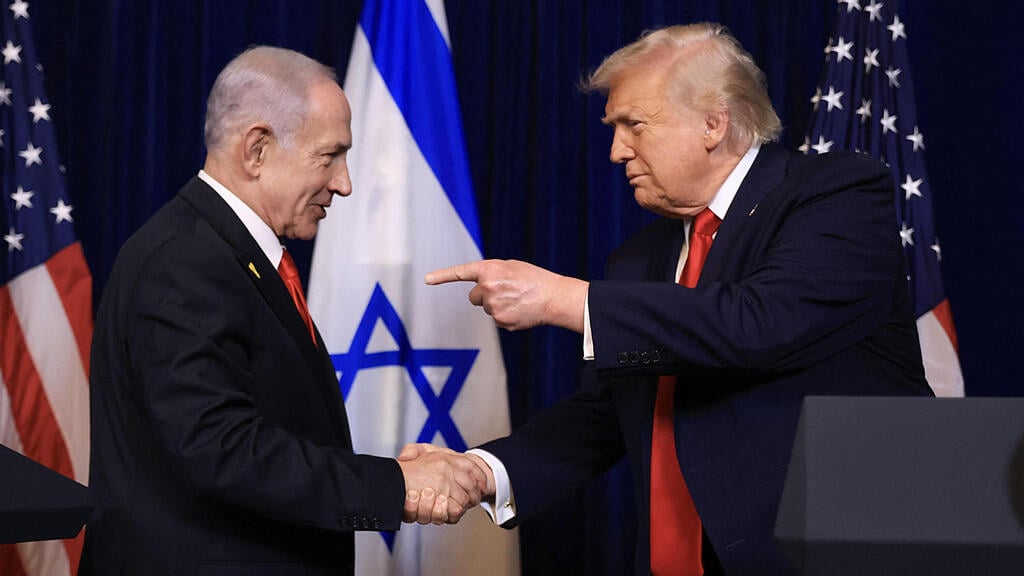
Prime Minister Benjamin Netanyahu and U.S. President Donald Trump
(Photo: Joe Raedle/ Getty Images/ AFP)
It is unclear how Netanyahu responded, but on the West Bank Trump and his aides were unequivocal in their demands.
At the same time, an unusual dynamic emerged. Trump publicly echoed talking points closely aligned with Netanyahu’s messaging, both in his opening remarks and behind closed doors. When pressed for specifics, however, he deflected or offered vague statements open to interpretation. Netanyahu largely stayed silent, allowing Trump to carry the messaging.
Whether Trump genuinely views Netanyahu as indispensable or whether the praise was meant to soften him is ultimately secondary. What is clear is that Trump decided in advance that Mar-a-Lago would not be the venue for resolving substantive disagreements or synchronizing future steps.
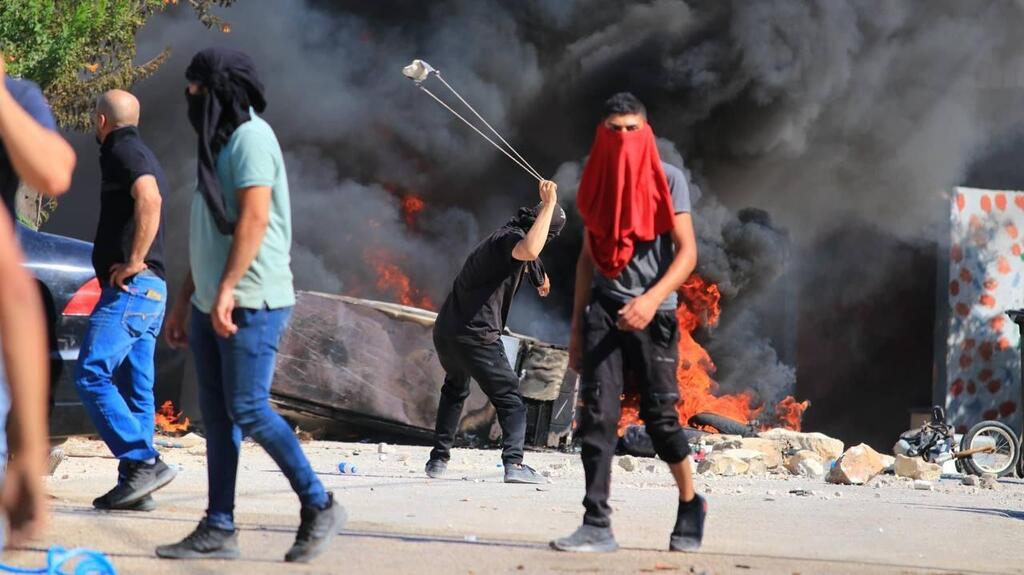
Palestinians in the West Bank
The most plausible explanation is that the United States is not yet ready to move to the next phase, not only in Gaza but across other fronts as well. Gaza is central. Washington has not succeeded in assembling a stabilization force, a key prerequisite for implementing the second phase of Trump’s 20-point plan.
Only Turkey and Italy have expressed readiness to participate. Israel has ruled out any Turkish role, not only in a stabilization force but also in reconstruction. Italy alone is unwilling to act without a broader international framework. Indonesia has offered civilian and medical teams, but none of the potential contributors are prepared to confront Hamas or disarm it.
Netanyahu and Trump
(Video: Reuters)
The Palestinian governing body meant to administer Gaza does not yet exist even on paper, and Hamas has not agreed to disarm, despite partial assurances to mediators. Talks on disarmament continue without tangible results.
In this situation, Washington’s fallback is what Israeli officials describe as the “Green Rafah plan,” implemented entirely within areas under Israeli control. The United States has no practical ability to influence reconstruction west of the yellow line, where nearly 2 million Palestinians live.
Without a viable plan for Gaza as a whole, Trump and his envoys have little incentive to clash with Netanyahu or demand further Israeli withdrawals.
Trump made that position explicit. “I’m not concerned about anything that Israel is doing,” he said after the meeting. “Israel has lived up to the plan 100%.”
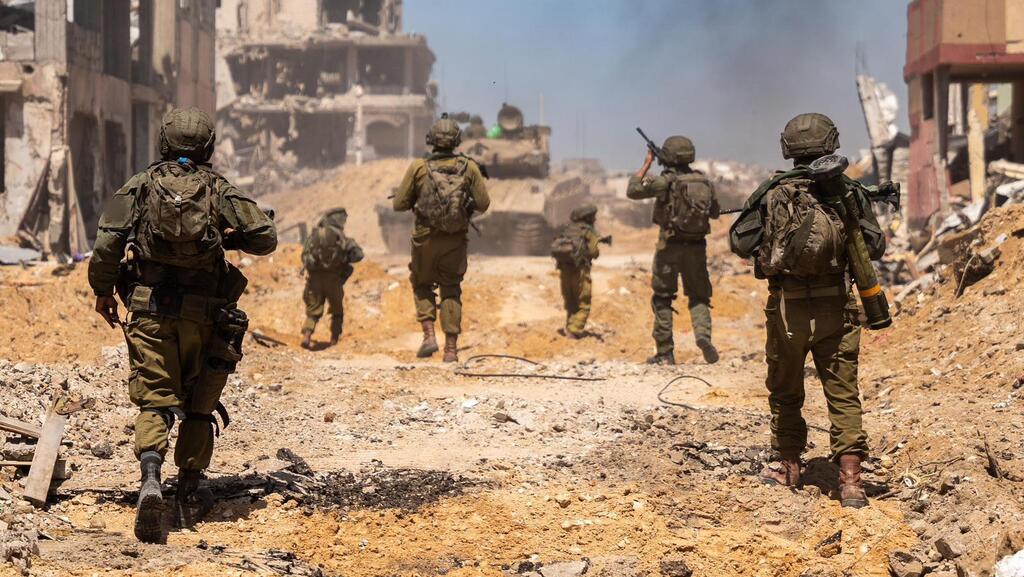
IDF forces in Gaza
(Photo: IDF)
On Iran, Trump signaled no appetite for immediate confrontation, arguing that Tehran is already weakened economically and strategically. He warned that the US would not allow Iran to rebuild its nuclear program, even at undisclosed sites, but left the door open to negotiations.
“If they build up again, we will eradicate the threat,” Trump said, adding that Iran has been “greatly reduced in power and prestige.”
In Lebanon and Syria, the United States has no new proposals for disarming Hezbollah or stabilizing Damascus and is instead backing Israeli pressure in the hope of forcing concessions. On Turkey, Trump offered rhetorical gestures toward President Recep Tayyip Erdogan but made clear he does not intend to force Israel to accept Turkish involvement near its borders.
The bottom line is that Washington currently lacks both the tools and the readiness to engineer a major shift in Gaza, Iran or other active fronts. With Israel in an election year, Trump has little incentive to provoke a coalition crisis in Jerusalem.
Instead, he chose to offer Netanyahu a political gift, lavish praise and public backing, including renewed support for calls for a presidential pardon. But praise is rarely free. Netanyahu is likely to be asked to pay the price later, once Trump decides the time is right to press for concessions.
For now, Netanyahu can enjoy the applause. Israelis, meanwhile, are left to wonder whether Trump intends to implement the next phase of his plan, pursue negotiations with Iran or simply move on, Nobel Prize or not. The Israeli Prize, at least, has already been awarded.