

Azita, a young Iranian woman writing from Tehran for ynet, is not just another name on a list of thousands of victims of oppression under the Iranian dictatorship. According to a local activist, she died while protesting against the political and social conditions in her country, confronting security forces who used live ammunition and extreme violence to disperse demonstrators. A rare voice, attempting to translate the lives of millions of Iranians into words the world could hear, was silenced by the very regime she dared to denounce.
In her accounts, Azita described a country imploding from within—where wages melted away in the face of inflation, young people abandoned their studies to support their families, teachers survived on salaries that barely covered food, and students attended school without notebooks or pencils, learning to live on the margins of the bare minimum. She recounted how friends began showering less frequently and turning off lights early, while the ruling elite continued to finance internal repression and external military adventures.
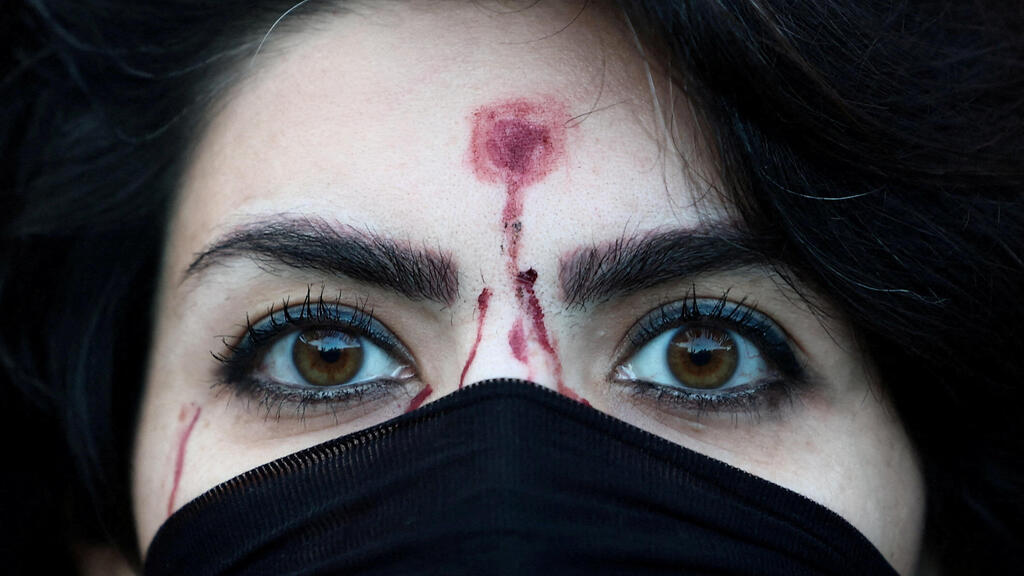
Life, she wrote, had been reduced to a “survival mode,” in which every daily gesture demanded sacrifice. Yet, amidst the worsening crisis, she saw something new: an exhausted people who had finally lost their fear—because only those who have lost everything can say with serenity: “we have lost the fear of death—we are no longer afraid of being afraid.”
This courage came at a high price. Azita is just one of thousands of Iranians killed, imprisoned, wounded, or missing since the protests began in late December.
Her death should, in itself, raise global awareness of the condition of women in Iran: a country where discriminatory laws and practices limit civil rights, treat women as second-class citizens, and legalize brutal punishments for transgressions that, in many democracies, would never be considered crimes. But, like so many other deaths that would justify universal outrage, Azita's risks becoming just another forgotten name.
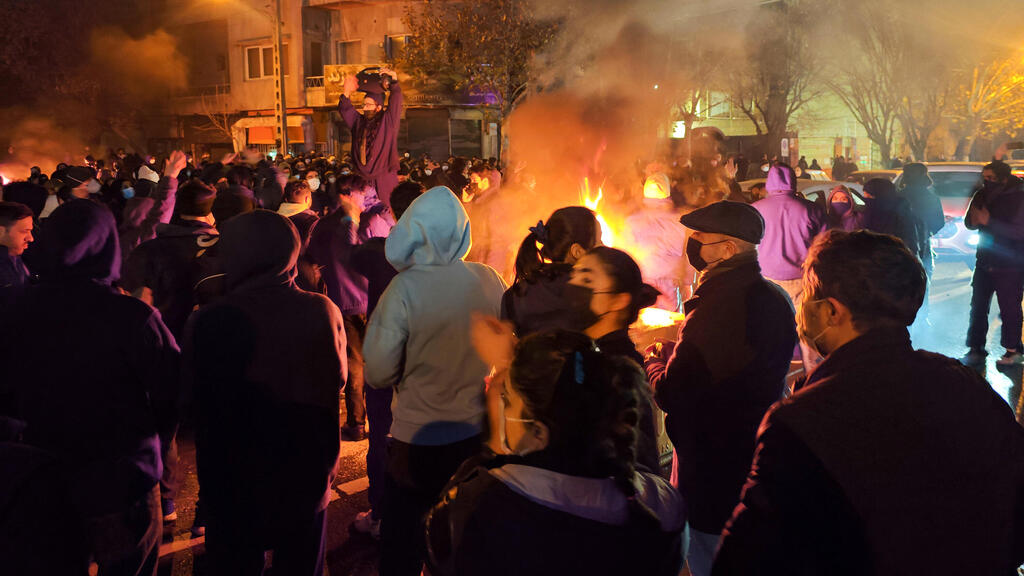
Iran protests
(Photo: Anonymous/Getty Images)
What her story reveals is the same argument that echoed in the case of Israeli women raped and murdered by Hamas on October 7, 2023, and the hostages held captive until last year—a horror that, despite being confirmed by reports and evidence, was met with reticence, prolonged silence, or relativization in international feminist and human rights organizations. Entities that seem to operate with a selective filter to recognize victims, depending on who they are or their perpetrators. Perhaps it's time to restate the obvious: a woman's life and dignity are no less valuable for being born in Tel Aviv or Tehran. And those who cannot say this aloud need to ask themselves if they still know why they are fighting.
Azita wasn't just seeking gender equality—she was fighting for something bigger: the possibility of a free Iran, where women and men can live without fear and think without censorship. The least the world can do is sustain the flame she carried. This means denouncing oppressors wherever they are, supporting those who resist at home and abroad, and rejecting selective movements of empathy that shield only politically convenient victims.
If Azita's death is remembered as part of a struggle for freedom—and reinforces the certainty that violent regimes can fall when ordinary citizens decide not to back down—then she will have left something that no repression can erase.
If the world ignores this call, then the regime that killed her will win twice.
Nira Broner Worcman is a Brazilian journalist, CEO of Art Presse, and author of A Sisyphean Task (translated from the Brazilian hors commerce title Enxugando Gelo), on media coverage of the war between Israel and terrorist groups. She was a Knight Science Fellow at MIT and earned her master’s at NYU’s Science, Health, and Environmental Reporting Program.