

The pre-election period is approaching quickly, and attention this month is expected to focus on one decisive move: the Bank of Israel’s interest rate decision, which could shape economic activity during the election campaign.
When the Bank of Israel’s Monetary Committee convenes in the coming days ahead of its decision later this month, its members will face a significant question: whether to cut the interest rate on the 25th, not only by a quarter-point but possibly by half a point, in a show of determination aimed at giving the economy a positive shock after 31 months of war.
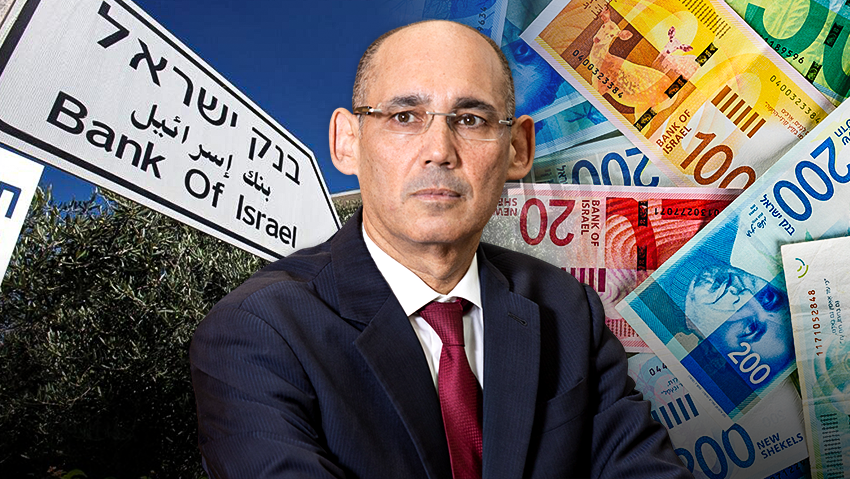
(Photo: Alex Kolomoisky, shutterstock, gettyimages)
After several months in which the interest rate has remained unchanged at 4.0%, calls are growing for Gov. Amir Yaron to “loosen the rope” and make a significant half-point cut.
But the concern is clear: Inflation could flare up again after the holidays, when price increases often resume more strongly.
Supporters of a cut say the base rate should fall to 3.5%, bringing the prime rate to 5.0%. They argue that small and midsize businesses have been hit hard by the prolonged war and high interest rates, with many struggling to survive and repay debts. A sharp rate cut would reduce financing costs and encourage investment needed for real growth.
A rate cut could also help the housing sector by making it easier for contractors to restart stalled projects, increasing supply over the long term.
Recent inflation figures show inflation within the target range, at 1.9% to 2.2%. When inflation is restrained, keeping rates high becomes an unnecessary burden, with a high real interest rate choking economic activity.
Still, there are arguments against a cut.
Lowering rates could weaken the shekel by making it less attractive to foreign investors. A depreciation against the dollar and euro would quickly raise the price of imported goods and could reignite inflation.
Geopolitical instability also remains a major risk. Despite relative calm, the economy is still operating under a high risk premium, and any sudden security development could shake the markets.
The government deficit is another concern. It remains relatively high, near 5%, and is expected to grow because of the continuing war in Lebanon.
A successful move would ease mortgage payments for millions of households and breathe life into a business sector struggling under the weight of high interest rates and a war with no clear end. If it fails, however, the economy could face a renewed price spiral that would force more painful rate hikes later.
That is the dilemma. Yaron must decide whether he prefers to be the defender of the shekel or the engine of the economy.
A surprise half-point cut by the conservative governor would send a dramatic signal of confidence by the central bank in the economy’s strength, despite government inaction.