

A well-known saying in capital markets holds that when “the guns are firing, it’s time to buy.” The idea is that in periods of uncertainty, investors flock to safe-haven assets such as gold. This surge in demand typically drives up prices, as seen in the early weeks of the year.
However, somewhat surprisingly, the war with Iran — now more than two weeks old — has not led to continued price increases, despite growing market uncertainty. A week after the outbreak of the war, gold was trading at $5,327.42 per ounce and has since stabilized in the $5,000–$5,200 range.
Gallery
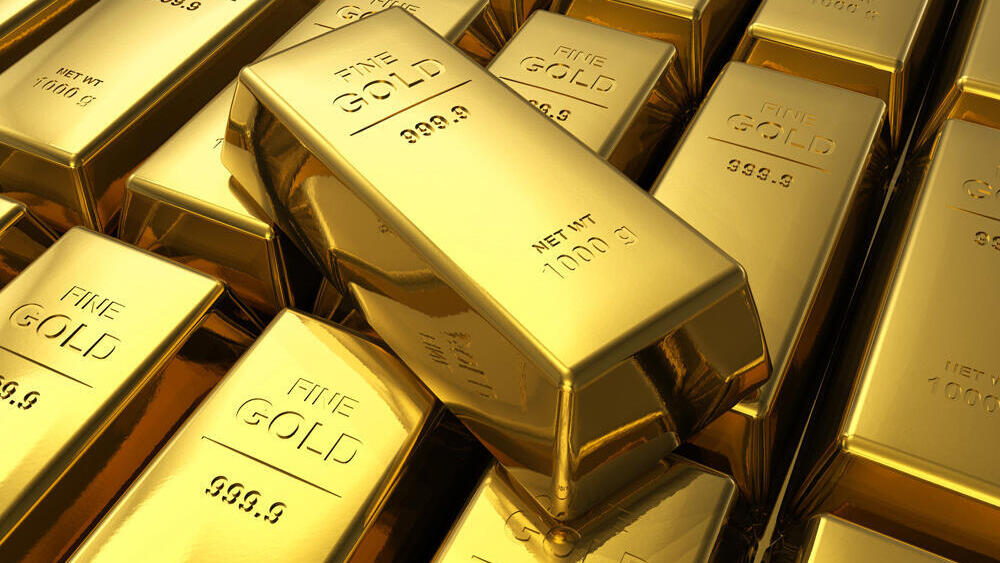
Gold prices have stabilized since the start of the war in the $5,000–$5,200 range
(Photo: Shutterstock)
Michael Hsu of Deutsche Bank told DW that the reason lies in differences between various panic scenarios, noting that a similar pattern was observed following the June strike on Iran. “Gold prices are not benefiting from the uncertainty surrounding the war in Iran,” echoed Carsten Fritsch of Commerzbank. “On the contrary, prices are actually lower than they were before the war.”
He pointed to two key factors shaping the trend. First, gold is traded in U.S. dollars, and when the dollar strengthens, gold becomes more expensive for buyers using other currencies, reducing demand and typically pushing prices down.
The second factor is rising oil prices, which are fueling inflation and lowering the likelihood of interest rate cuts. When investors expect interest rates to remain higher, gold becomes less attractive because it does not yield interest compared to other investments. “Higher oil prices translate into higher inflation,” Bob Haberkorn, chief strategist at RJO Futures, told Reuters. “If inflation persists, central banks will not be as motivated as they were six months ago to cut rates, which is negative for gold prices.”
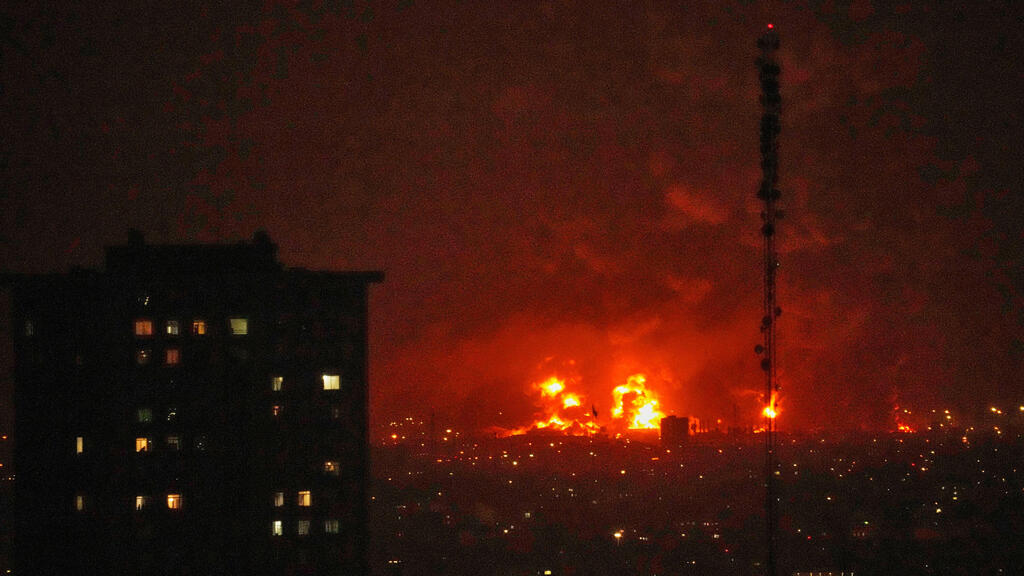
Smoke rises over Tehran after airstrikes
(Photo: Vahid Salemi/AP)
This week, policymakers at the U.S. Federal Reserve are set to meet to discuss interest rates, with growing expectations that they will leave them unchanged. Interest rate decisions are also expected this week from central banks in Europe, the UK and Japan.
Another explanation lies in gold’s already elevated price before the war. “The rise in gold prices and other precious metals in the last quarter and in January was disconnected from underlying economic data and therefore excessive,” another analyst said. “Prices have already risen by more than 60% since the start of the year. The surge in January was exaggerated and could no longer be explained by the usual drivers. Greed and fear of missing out (FOMO) also played a significant role.”
First published: 11:32, 03.18.26