

From the first moments of the attack on Iran, tensions rose in Lebanon. At first, however, the country itself was not part of the fighting.
Lebanon feared being drawn into another conflict that could cause further economic, social and political damage and derail attempts in recent months to move the country forward.
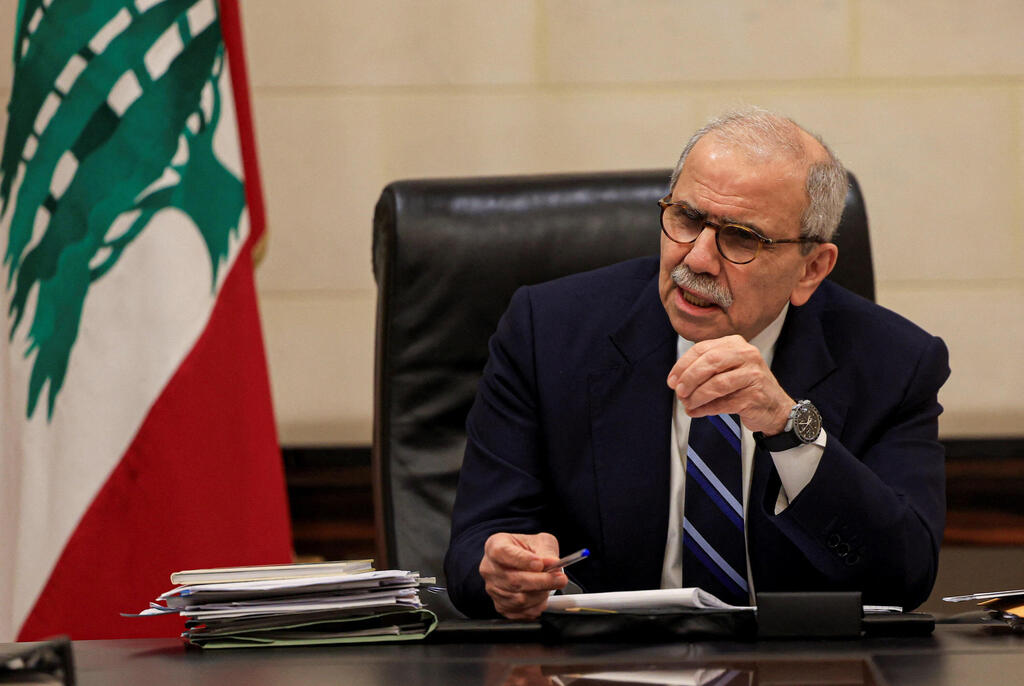
The Lebanese leadership, headed by President Joseph Aoun and Prime Minister Nawaf Salam, had been trying to bring real change to the country in recent months. At the beginning, it largely watched from the sidelines as the Middle East moved closer to wider war.
It did not take long, however, before Hezbollah decided to intervene.
Hezbollah understands why it now needs to justify its decision to enter the war in its official statements.
Until reports confirmed the killing of Iran’s supreme leader, Ayatollah Ali Khamenei, it was not entirely clear whether Hezbollah would intervene. The group’s secretary-general had previously said in speeches that Hezbollah would not remain neutral in the event of a war.
Senior Hezbollah officials have also in recent months demanded that Lebanon’s leadership do more against Israel and less against them, warning that their patience had limits.
The killing of Khamenei — the head of the axis that funds and directs Hezbollah — placed the organization in what may be the most difficult domestic test it has faced under what has been described as a “new Lebanon.”
Hezbollah failed that test.
The group faced two choices: to enter the conflict once again alongside the Iranian-led Shiite axis in what it previously described as a war of “support,” as it claimed during the fighting connected to Gaza, or to allow Lebanon’s new government to lead — even though doing so would contradict the organization’s long-standing principles — and demonstrate that the Lebanese state comes first.
(Photo: REUTERS/Mohamed Azakir)
Hezbollah chose to intervene, pulling Lebanon’s residents into another war and bringing further destruction to the country.
By doing so, the group effectively took from Lebanon’s official leadership the most important decision facing any state — the decision over war and peace.
In practice, it also showed how much respect it has for Lebanon’s president and prime minister.
The reaction from Lebanon’s official leadership was swift.
Shortly after Hezbollah joined the fighting, Salam announced an immediate ban on the group’s security and military activity, describing it as operating outside the law.
He called on Hezbollah to hand over its weapons and limit its activities to the political sphere.
Salam also instructed Lebanon’s security forces to prevent any attacks launched from Lebanese territory and asked the Lebanese army to immediately implement the decision to concentrate weapons north of the Litani River.
Until now, the issue of Hezbollah’s weapons in Lebanon had largely been handled cautiously, in order to preserve the country’s delicate internal balance and avoid escalating tensions.
That has now changed.
Hezbollah has become a threat to Lebanon itself.
 Lior Ben-Ari
The organization can continue to argue in its statements that its confrontation with Israel is legitimate and a “defensive action,” and that Israeli strikes are the direct cause of everything now happening in Lebanon.
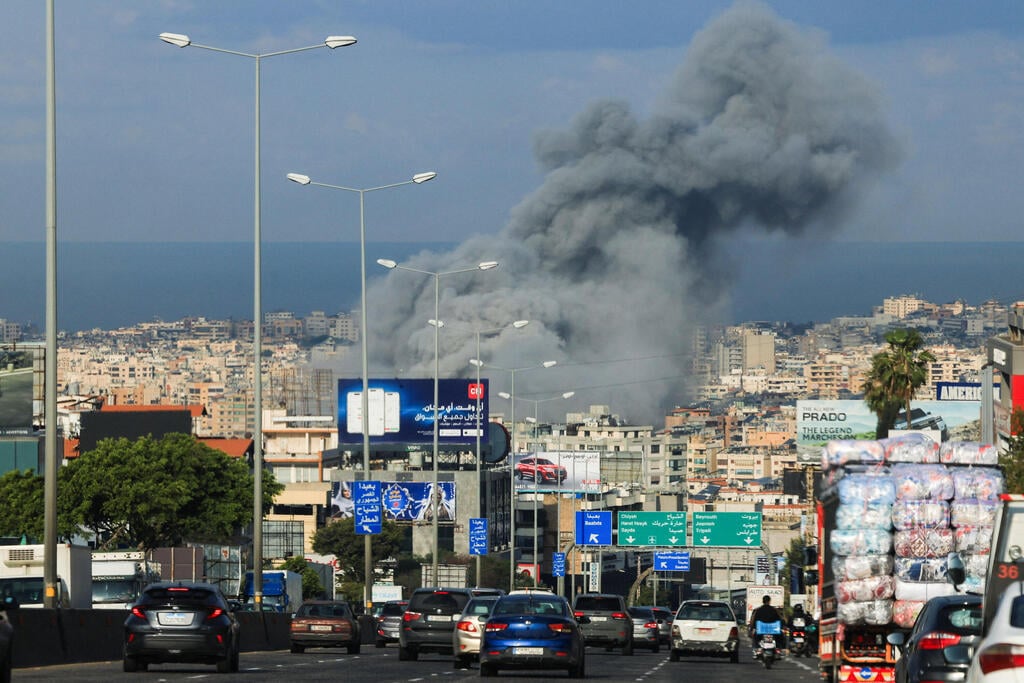
But the organization is now associated with the widespread destruction in southern Lebanon, in the Bekaa Valley in the east and in the Dahieh district of Beirut.
The fighting has displaced tens of thousands of people and caused the deaths and injuries of Lebanese civilians.
The test now facing Lebanon’s leadership is how it will deal with Hezbollah, which has demonstrated through its actions what truly matters to it.