


In his first speech as British prime minister on May 13, 1940, Winston Churchill delivered one of his most famous lines: “I have nothing to offer but blood, toil, tears and sweat.”
Churchill, unlike our prime minister, did not try to hide the painful truth from his public — that defeating the Nazi enemy would require time and heavy sacrifice. He also announced the formation of a unity government.
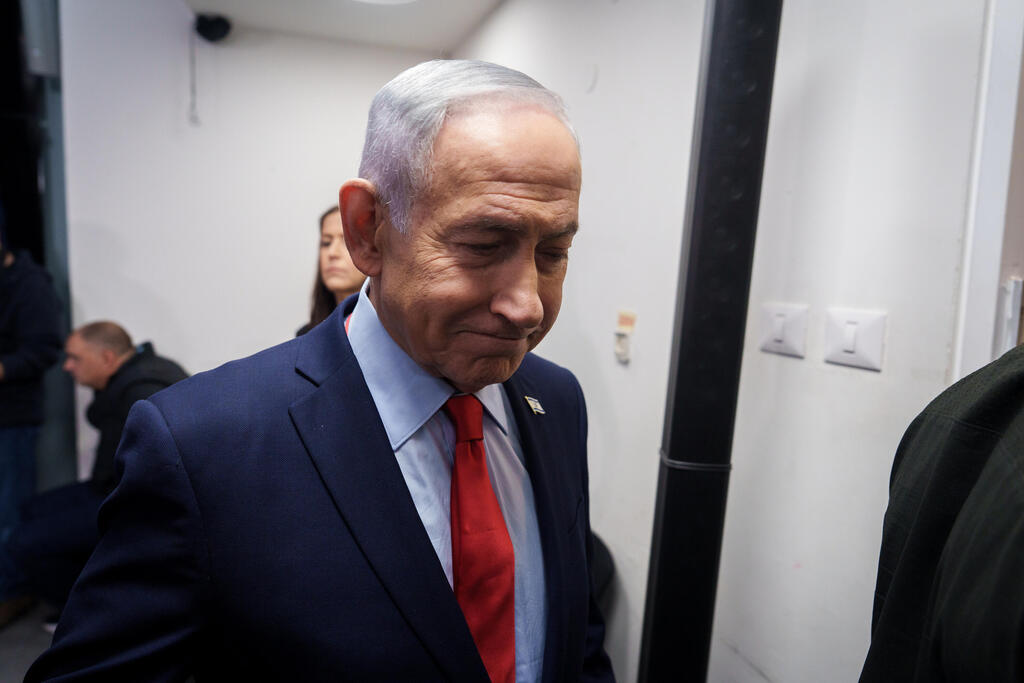
Benjamin Netanyahu has taken the opposite approach. From the very first day of the war with Iran, he effectively declared victory. The cheerleaders echoed it, supporters celebrated, and even studios that are not necessarily loyal to Netanyahu hesitated to appear unpatriotic. Anyone who tried to call for restraint was quickly labeled as undermining unity or worse.
The problem is that, once again, we are reminded — achievements in war are measured only at the end, not on the first day.
Another problem is that Netanyahu, despite his aspirations, will never be Winston Churchill. He is incapable of telling the public the truth. He surrounds himself with a circle that is, at best, focused on its own political survival, while the coalition continues to burden the public and taxpayers to preserve its hold on power. And instead of striving for unity, he and his supporters fuel division at every turn.
Netanyahu led Israel into a highly justified war, but has managed — with his characteristic skill — to turn it into one whose purpose, goals and endgame many do not fully understand. This is classic Netanyahu: rushing to declare victory instead of focusing on the real objectives — destroying or pushing back Iran’s nuclear program and damaging its ballistic missile array.
At one point, just a day after the war began, we were already hearing talk of the regime’s collapse — even though Netanyahu himself acknowledged less than two weeks later that this was not in our hands. Still, Israel invested significant resources and energy in that goal, important as it may be, but unrealistic in the immediate term. Netanyahu settled for symbolic achievements, such as the killing of senior figures, only to find that more extreme successors stepped in their place.
At the start of the war, Netanyahu should have stood before the public and delivered his own “blood, toil, tears and sweat” speech. He should have explained that the situation — with Iran possessing enough enriched uranium for 10 or 11 nuclear bombs — was intolerable. He should have made clear that this was a war of necessity, because of Iran’s missile capabilities and the growing strength of Hezbollah.
If he could not formulate such a message himself, his advisers should have insisted on honesty and directness.
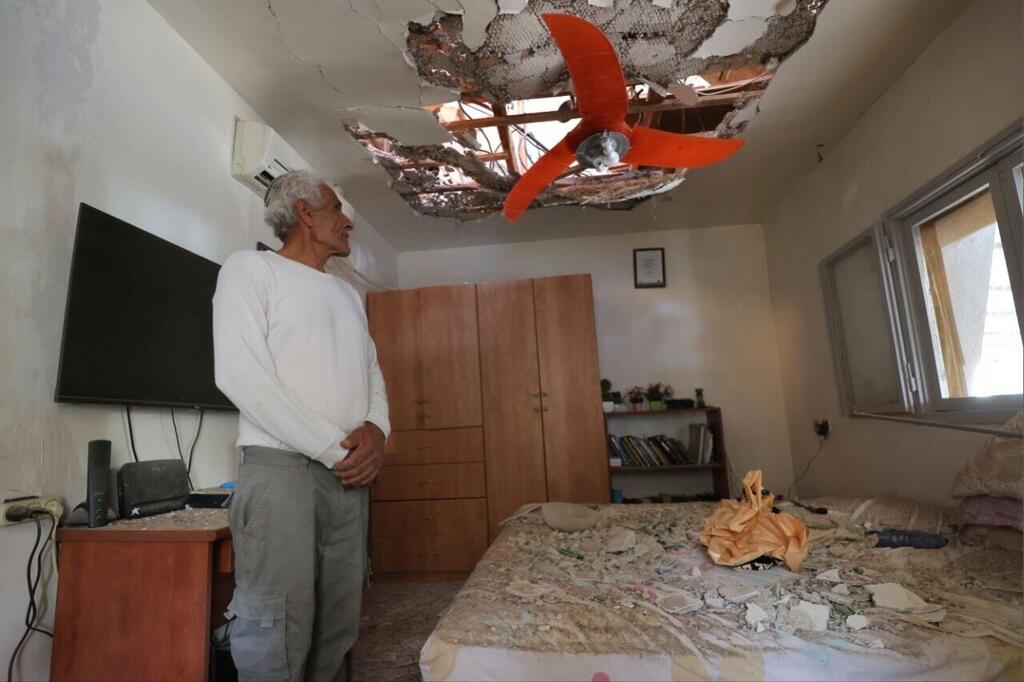
(Photo: Alex Kolomoisky)
Instead, he is surrounded by a deeply flawed circle, some of whose members are under investigation and others whose conduct raises serious questions. This same circle likely encouraged him to celebrate “victory” early, to shift public perception — even as polls show that much of the public views him as untrustworthy.
It is customary to begin summing up a war after a month. But perhaps instead of rushing to declare success or failure, we should wait.
There have been significant achievements on the battlefield — damage to missile systems, progress against nuclear-related infrastructure. But as long as we do not know the fate of roughly 450 kilograms of uranium enriched to 60%, we cannot say whether the war’s objectives have been achieved.
As long as we do not understand what Iran will be able to do in the future — in terms of uranium enrichment, ballistic missile production and support for its proxies — we simply cannot know whether this war has produced meaningful results or bitter disappointment.
And as long as the future of Hezbollah in Lebanon and its weapons arsenal remains unclear, we cannot know whether residents of Kiryat Shmona, Margaliot and other northern communities will be able to return home safely.
Only then will it be possible to determine whether this war had real purpose — or not.