

It’s been half a year since I regained my freedom—a freedom I longed for so intensely that I had reached a point of disbelief, thinking I would never see this day or experience it. But freedom arrived, bringing with it many insights that I continue to apply and act upon even today. Emerging into life felt like being born again.
There was something pure within me. I understood the difference between good and evil, and I believed in the innate goodness of people—that most are not born evil, but shaped by upbringing and environment. I believed that with good intentions, one could change the world, and I simply wanted people to put aside their disputes and work toward a shared purpose.
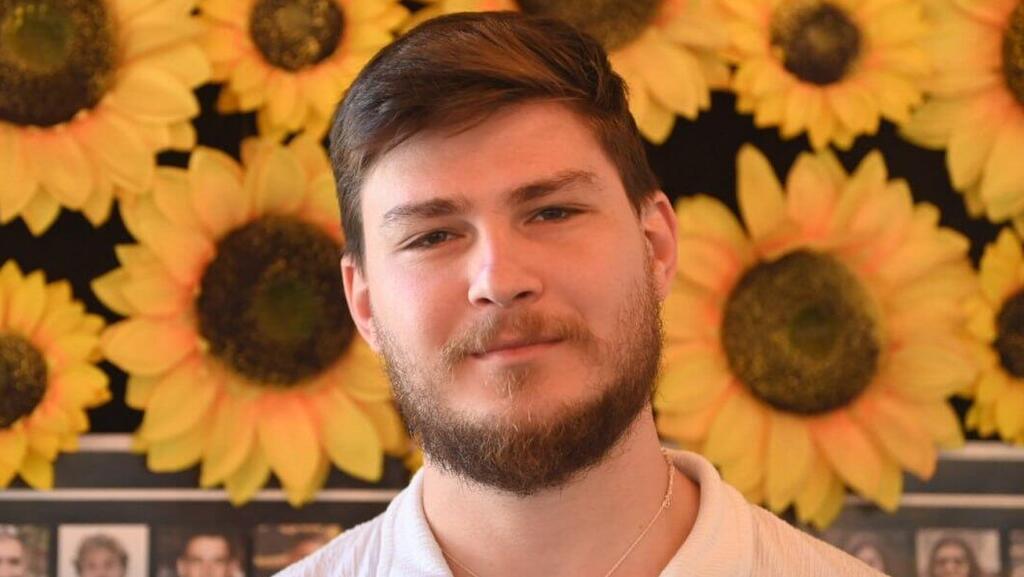
After my release, I believed in unity. After what we endured on October 7, I thought we had awakened. We had awakened to the fact that endless debates about personal righteousness weaken us as a society, that ultimately we are one family, capable of coming together and helping one another when needed; we had learned to set ourselves aside for the good of others and the sake of a better future in our country.
This, to me, is unity: everyone striving to learn from one another and to find their place in society in a way that produces the greatest benefit and joy for themselves and those around them.
When I returned home, I realized that not everything unfolded as I had imagined. On one hand, thankfully, I discovered a level of selflessness beyond what I could have envisioned. I saw how many people contributed for the sake of the country, for my release, and for the release of my fellow captives. I saw the spirit of mutual responsibility and attempts to cultivate a healthy process of social rebuilding, where right or left, origin, or any other divisive label mattered less than the fact that a person beside you needed help, as family.
Sadly, I also saw that not everyone participates in this process. Some try to hold us back, preferring to maintain a divided society that categorizes people based on slogans or superficial headlines. The fact that some linked the release of captives to political affiliation—or presented it as benefiting only part of the population rather than fulfilling the wish of nearly every Israeli citizen—is a deliberate act by extremist and self-interested forces who exploited the nation’s pain for personal ideology and gain.
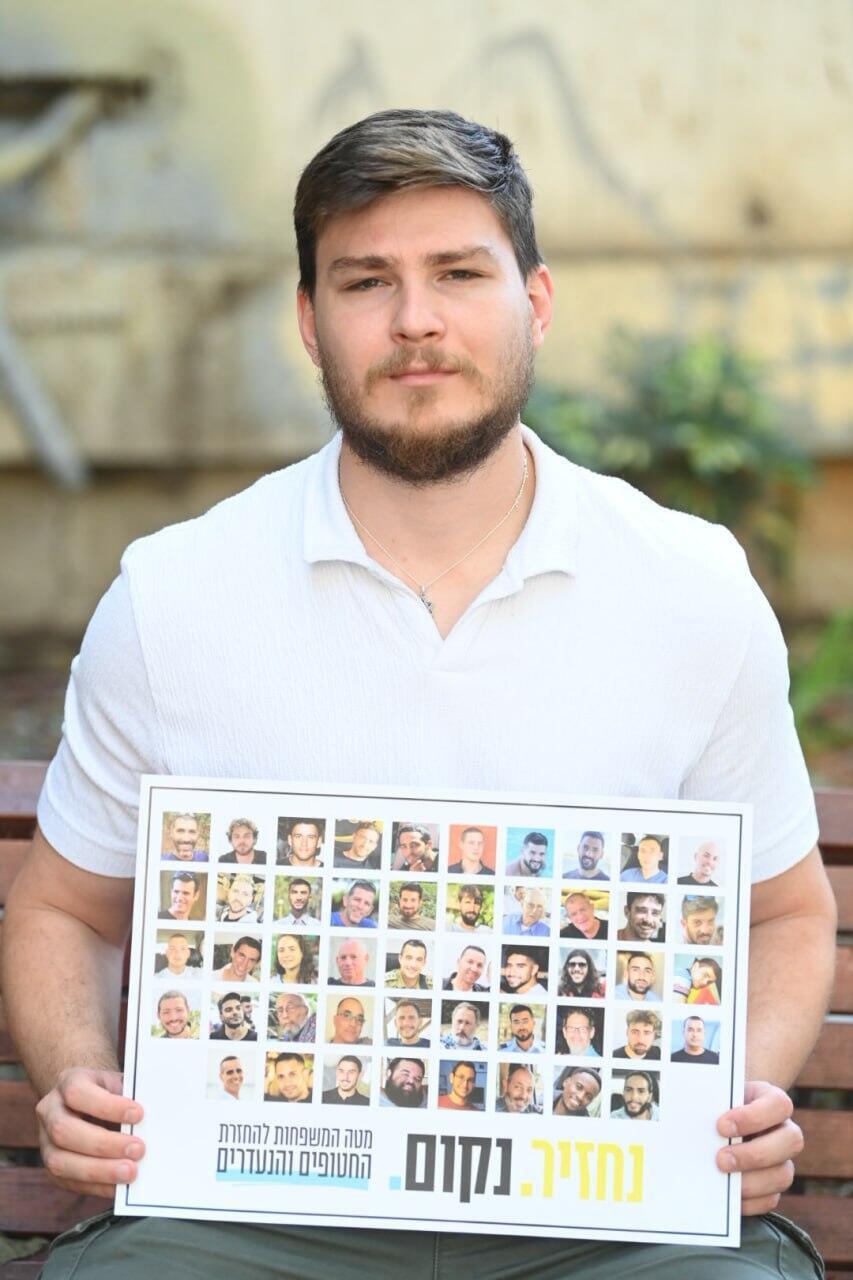
Alexander 'Sasha' Troufanov 6 months after his release from captivity
(Photo: Yair Sagi)
As I write these words, I feel compelled to explain how I arrived at these conclusions. After my release, I wanted to meet people from across the social spectrum—those from my home in a liberal, somewhat communal kibbutz, secular individuals, urban, individualistic citizens, and people with various religious and civic ideologies. From all of them, I received one common message: warmth and love, genuine joy that I had returned home, and the opportunity to reunite with my family and loved ones.
At the same time, I noticed that nearly everywhere, some people had fallen prey to the manipulation of perception. This appeared in their reluctance to interact, avoid eye contact, or in hurtful comments, like drivers insulting families of captives while speeding away to hide their identity. Yet, even these individuals, guided by internal morality, ultimately realized something was wrong with their thinking. Their views changed dramatically once I identified myself as a former captive. Immediately, they acknowledged that it was good I returned, and they hoped all would return safely.
To me, this reveals a dual morality: one innate within us, able to discern good from evil, and the other shaped by our environment and experiences, from which we must remain vigilant. I saw this dual morality even beyond the fence, among the captors who held me. When one captor was alone with me, he sometimes wanted to speak, to understand who I was. But when several captors were present, the dynamic was one of hatred. Some were genuinely bad people. It seems humans are not born wholly good. Yet there were others whose upbringing and the hatred instilled in them from childhood surfaced in their behavior toward me, until they confronted their internal morality, seeing that I was a person with feelings and traits just like them.
We are a small nation with immense human capital—people who have excelled in all fields of science and human development. We must look at each individual, recognize their uniqueness, and understand that we are one family. If we continue to fight among ourselves, our enemies will overpower us and come to destroy us. But if we stand together as a united front, nothing can defeat us.
Our societal morality is the torch that guides us through an increasingly dark world. We are called to be a light unto the nations, and we must uphold these principles as a society, or we have no future. We must look deep within ourselves, to the soul, and act accordingly. We must not fear critiquing those close to us for baseless hatred, and most importantly, we must not fall into hatred and manipulation ourselves. Each of us must act as a guardian of our society—of Israel and the Jewish people. This is what will lead us to true victory, not a victory dictated by someone else.