

Avigdor Liberman is not walking back his statement that soldiers died “on the altar of coalition preservation.” Nor is he the only one echoing that sentiment. Amnon Abramovich called the war a “war of deception.” Ben Caspit blamed Smotrich, saying the blood is on his hands. Yair Golan accused Israel of “killing babies as a hobby.” On Thursday, Raanan Shaked wrote that our hostages are rotting away for no justifiable reason, and that soldiers are being sent into battle simply to buy time.
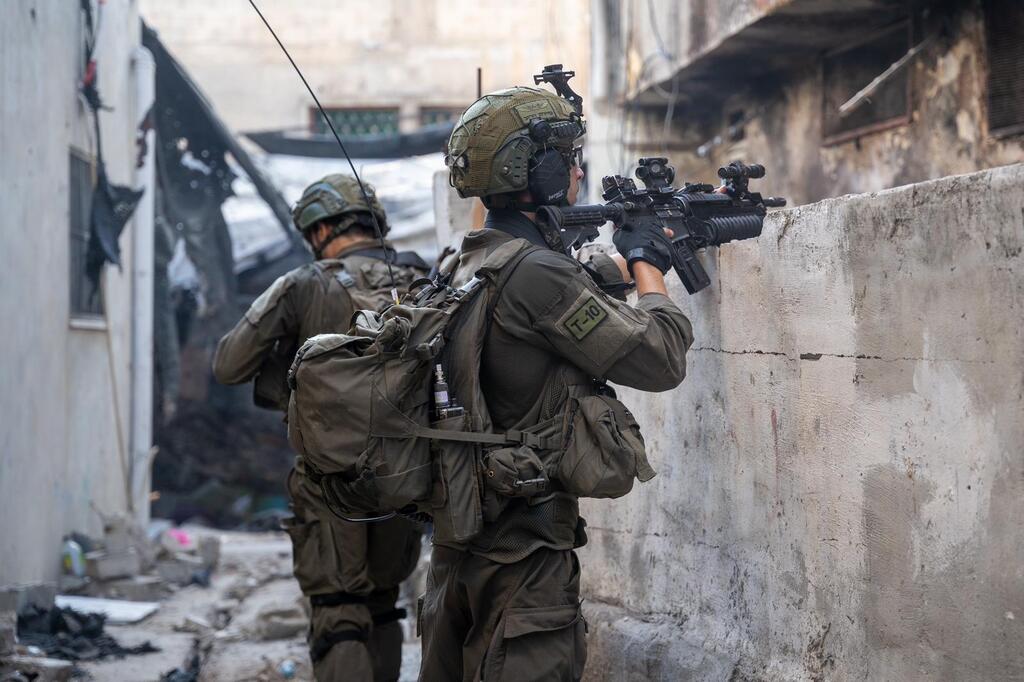
All of these voices are repeating the idea that this war is unjustified, that soldiers are dying needlessly, and that the State of Israel refuses to extract the hostages from Hamas captivity because it simply doesn’t care enough. The fact that these statements are made after October 7 reflects not just insensitivity to bereaved families and the families of hostages, but a deeper refusal by this group to learn anything from that day. They are willing to put all of us back in the same danger we faced before.
These same claims, in one form or another, can be found in the archives of nearly every major event in Israeli history. Before the withdrawal from Lebanon, critics claimed that soldiers were “dying for nothing.” Instead of improving positions inside Lebanon, we were pressured into retreating. That retreat helped Hezbollah grow from a manageable organization into a monster. More soldiers died in the Second Lebanon War than in an average year during Israel’s presence in Lebanon. Will those who shouted “soldiers are dying for nothing” take responsibility for those deaths after the withdrawal?
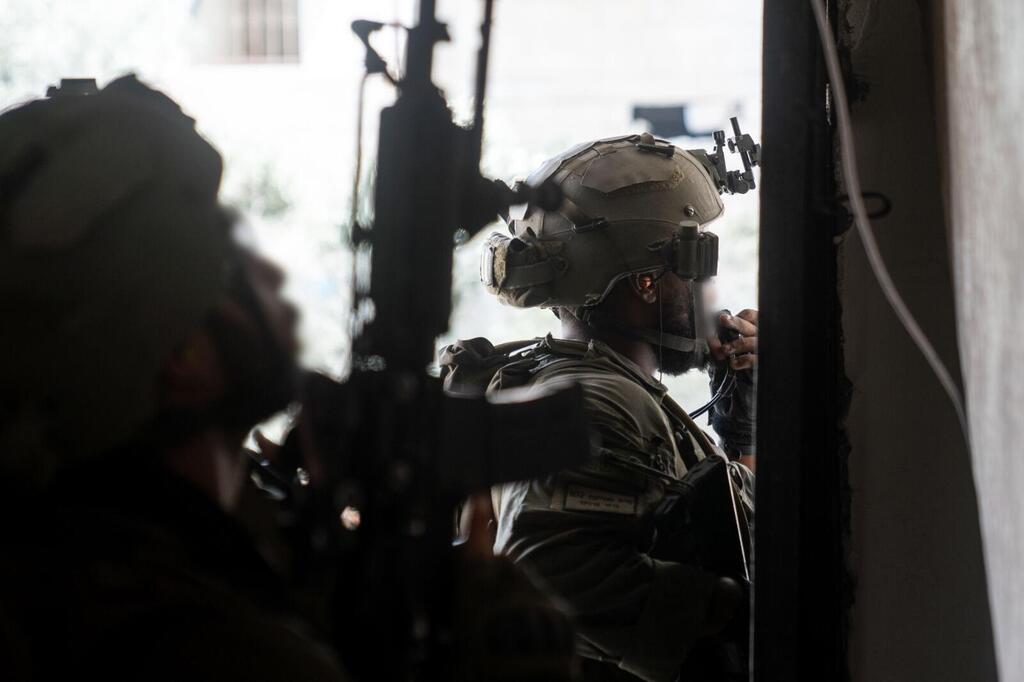
IDF soldiers operating in Rafah, where they uncovered a 1.5 kilometer-long tunnel
(Photo: IDF Spokesperson's Unit)
During the disengagement from Gaza, critics said that soldiers were being used to guard outposts manned by “lunatics.” But had we remained in Gush Katif, those soldiers might have prevented Hamas from seizing power. We might have had better control, more intelligence, and fewer murdered civilians on October 7—not to mention fewer fallen soldiers during and after the massacre. The same people who once warned of unnecessary death are now repeating the same fears. Will they take responsibility for the ones who were slaughtered, raped, butchered, and executed because “soldiers shouldn't die for nothing”?
Get the Ynetnews app on your smartphone: Google Play: https://bit.ly/4eJ37pE | Apple App Store: https://bit.ly/3ZL7iNv
Today, those making these claims are saying the war is politically motivated—but they’re the ones politicizing it. They refuse to recognize Israel’s security needs in what may be the most important war since the country's founding. Worse still, they’re exploiting the IDF soldiers fighting in Gaza to advance their own political aspirations, placing them above the national interest.
If they had simply said, “Our criticism is about how the war is being managed,” it would be one thing. For instance, maybe the IDF should reposition troops differently in Gaza, or consider military governance through tribal leadership to minimize direct involvement. That would be a policy debate. But none of the critics calling this a “war of deception” are offering those kinds of solutions.
 Naveh Dromi
Instead, they cling to outdated slogans—the same ones that led us to October 7. Slogans that seeped into the military, influenced politicians, and persuaded prime ministers from Ariel Sharon to Benjamin Netanyahu that war should be avoided at all costs because “the public can’t handle it.”
But it is they who can’t handle it—and not for the right reasons. It’s political hatred, nothing more. They call it a war of deception, but they are the ones trying to deceive. Is there any war holier in their eyes than the war against Netanyahu? Apparently not.