

While Israelis at home work to rebuild their lives after war, a coordinated international campaign is quietly turning IDF soldiers into legal targets across the globe. In Europe, South America and elsewhere lawsuits are being filed, investigations launched and databases built — not against decision-makers, but against ordinary soldiers. This is no fringe effort, but a calculated, global hunt, led by organizations openly vowing to “get to everyone,” using vast troves of footage and social media data to track and pursue Israeli service members.
From the earliest days of the war, anti-Israel groups realized they could not defeat the IDF on the battlefield so they shifted their focus to the arena in which they feel strongest: global public opinion. Instead of confronting Israel’s military, they chose to target its soldiers, one by one. They’ve built surveillance networks to comb through social media posts, images, and videos uploaded during the fighting. Their aim: to turn a lone soldier traveling abroad into a far easier target than a prime minister or defense minister.
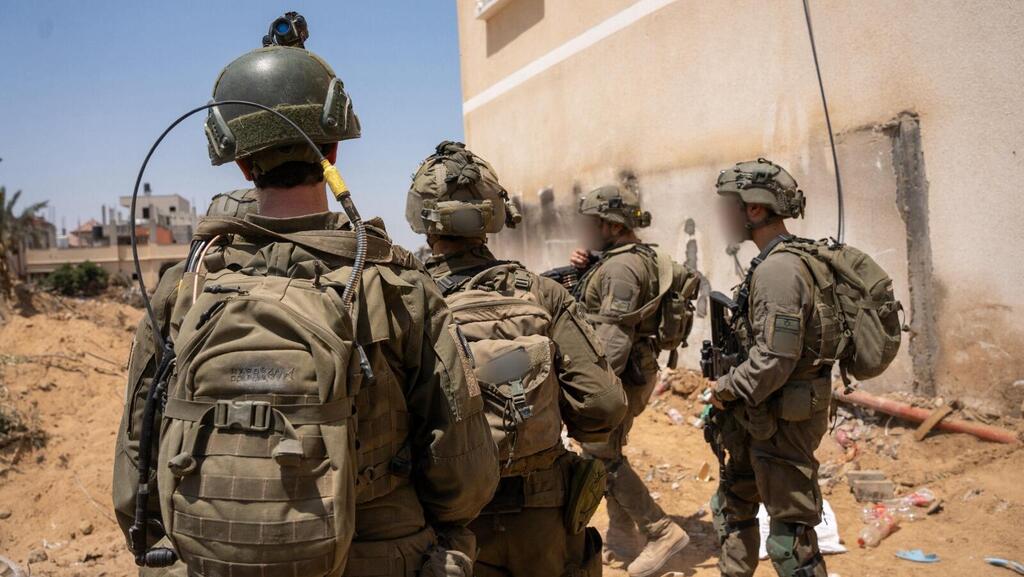
IDF soldiers operate in Khan Younis in Gaza
(Photo: IDF Spokesperson's Unit)
The hunt is already underway
On October 7, as the war began, dozens of anti-Israel social media pages began mapping the online presence of IDF soldiers. One such page, “Israel Exposed,” has been a central player in the antisemitic campaign, sharing near real-time footage and amassing over 900 gigabytes of videos and images.
Meanwhile, Qatar-backed Al Jazeera reportedly cataloged over 2,500 IDF-linked accounts, complete with personal details, photos and unit affiliations. These data are not just archived, they’re sent to legal organizations that build “case files” and lodge complaints in various countries.
This hunt has already translated into real-world consequences. In Prague, one Israeli soldier was detained for hours at the airport following a criminal alert from France triggered by social media content. In Brazil, another soldier was summoned for questioning over a video post and fled to Argentina to avoid arrest. In July, two Israelis were temporarily detained at Belgium’s Tomorrowland festival after being identified by content they had shared during the war. These are not isolated incidents. This is a pattern.
As anti-Israel groups target IDF soldiers around the world, Israel must not remain silent. These soldiers cannot be abandoned.
When the International Criminal Court issued arrest warrants for Prime Minister Benjamin Netanyahu and Defense Minister Yoav Gallant, the state responded swiftly. An interagency task force — including the Foreign Ministry, Justice Ministry, Military Advocate General, and others — sprang into action to counter the threat. This response was necessary and justified. Yet while senior officials received a full-scale defense apparatus, the frontline soldiers — those who fought in Gaza — remain far more vulnerable.
Currently, there is no formal system warning discharged soldiers about risky travel destinations, nor any state-backed legal defense fund for those detained abroad. The state largely reacts only after a problem has arisen — by which point a soldier may already be under arrest or facing legal jeopardy.
The real test is just beginning
A country founded as a haven for Jews must not allow its defenders to be left exposed. These are young people who served for months in uniform, slept on floors in Gaza, missed holidays and lost friends. Now they simply want to return to normal life and not live in fear that a short vacation abroad could end in arrest. It is the state’s moral obligation to protect them.
The war may be over, but Israel’s real test is just beginning: Will it stand by the people who stood for it? As anti-Israel groups target IDF soldiers around the world, Israel must not remain silent. These soldiers cannot be abandoned.
The first step is simple but vital: recognizing that those who defended the country must now be defended by it.
Ofir Ohayon is CEO of the advocacy organization DiploAct