


Netanyahu’s approval on Sunday for the IDF to strike in Beirut’s Dahieh was intended primarily to preserve deterrence against Hezbollah and Lebanon and to implement recent public declarations by the political leadership.
After Sunday morning fire toward Upper Galilee communities, officials in Jerusalem assessed that Israel could no longer rely on warnings alone and that failure to enforce the “formula” set by Netanyahu and Defense Minister Israel Katz would damage the credibility of Israel’s deterrent threat.
IDF strike in Beirut’s Dahieh


Netanyahu and Katz stated last week that any attack on Israeli communities would be met with a strike in the Dahieh, and the same commitment was conveyed to northern local council heads. Following Hezbollah’s fire toward the Upper Galilee on Sunday morning, Netanyahu turned to the United States and received a green light for action. The American approval was granted in part because negotiations with Iran are already stalled and amid Washington’s more assertive posture toward Iran in the Gulf in recent days, which has led to exchanges of fire in the region.
This is how the IDF received approval to strike two apartments in Beirut’s Shiite district where operatives were present. This was not an assassination attempt but rather a signal to Hezbollah that Israel would not hold back. The strike was carried out after weeks in which Israel had refrained from significant attacks in the Dahieh, partly due to American opposition to escalation in the Lebanese capital.
Gallery
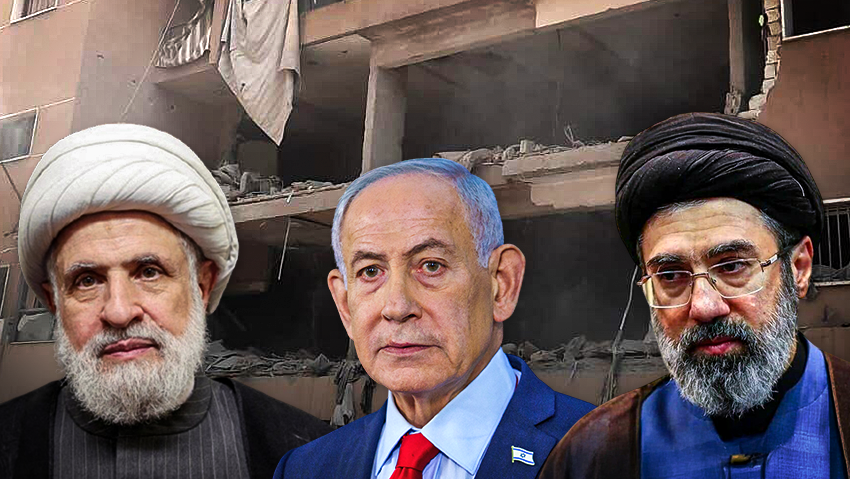
The key question now is whether this strike will end the current cycle of fire or open a new one
(Photo: Shalev Shalom, Reuters)
The key question now is whether this strike will end the current cycle of fire or open a new one. In recent days, Iran has threatened that if Israel strikes the Dahieh it will respond with fire toward northern Israel. After Sunday’s Israeli Air Force strike, Ibrahim Rezaei, spokesperson for the Iranian parliament’s National Security and Foreign Policy Committee, wrote on X: “We will deliver a decisive and painful response to the Zionist regime’s attack on the Dahieh. Watch the skies over the occupied territories tonight.”
Hezbollah has also signaled in recent days that a strike in the Dahieh will not go unanswered. Senior Hezbollah official Mahmoud Qamati told Qatar’s Al Araby channel that “equating the Dahieh in Beirut with settlements in the north is unacceptable.”
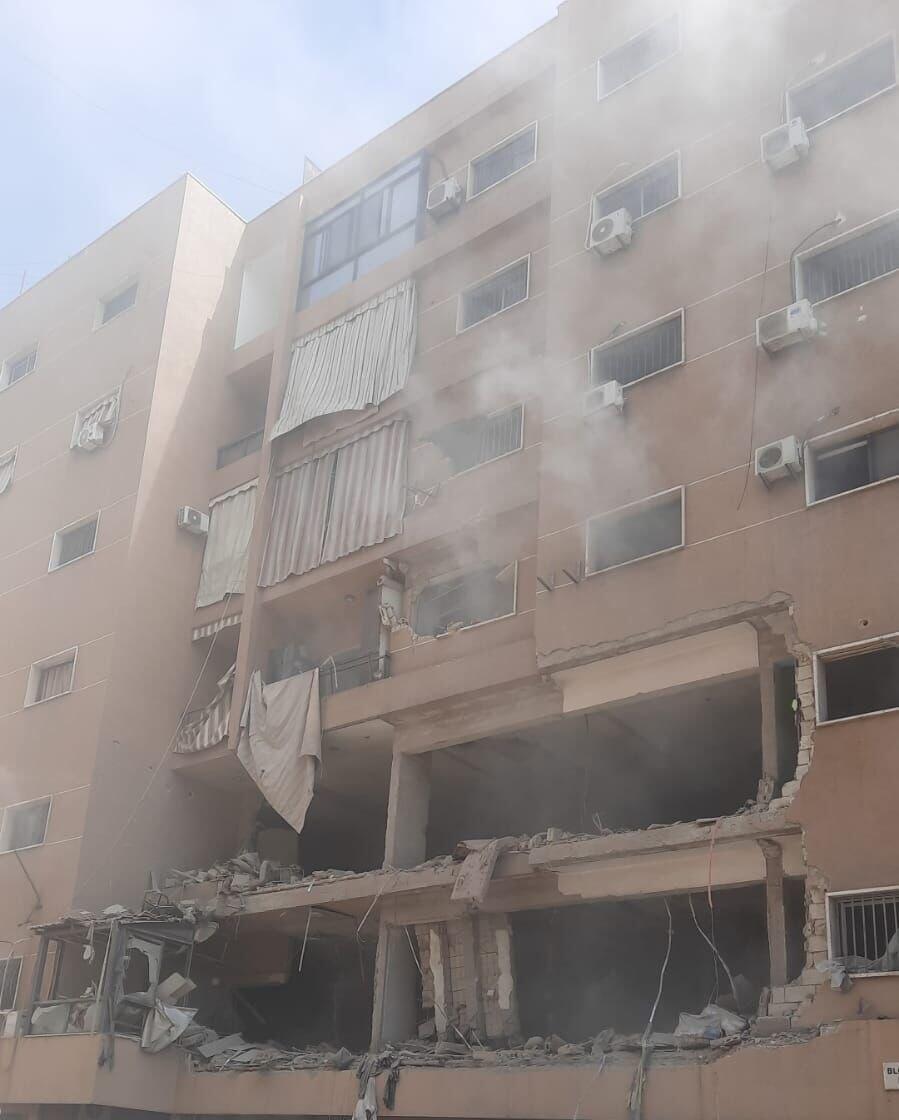
IDF strike in Beirut
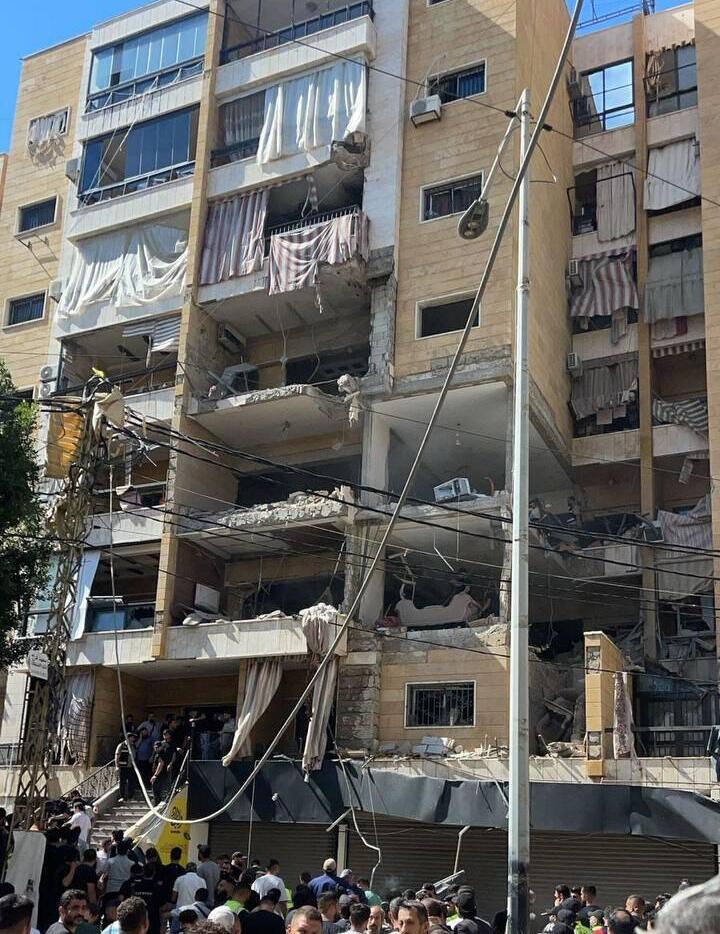
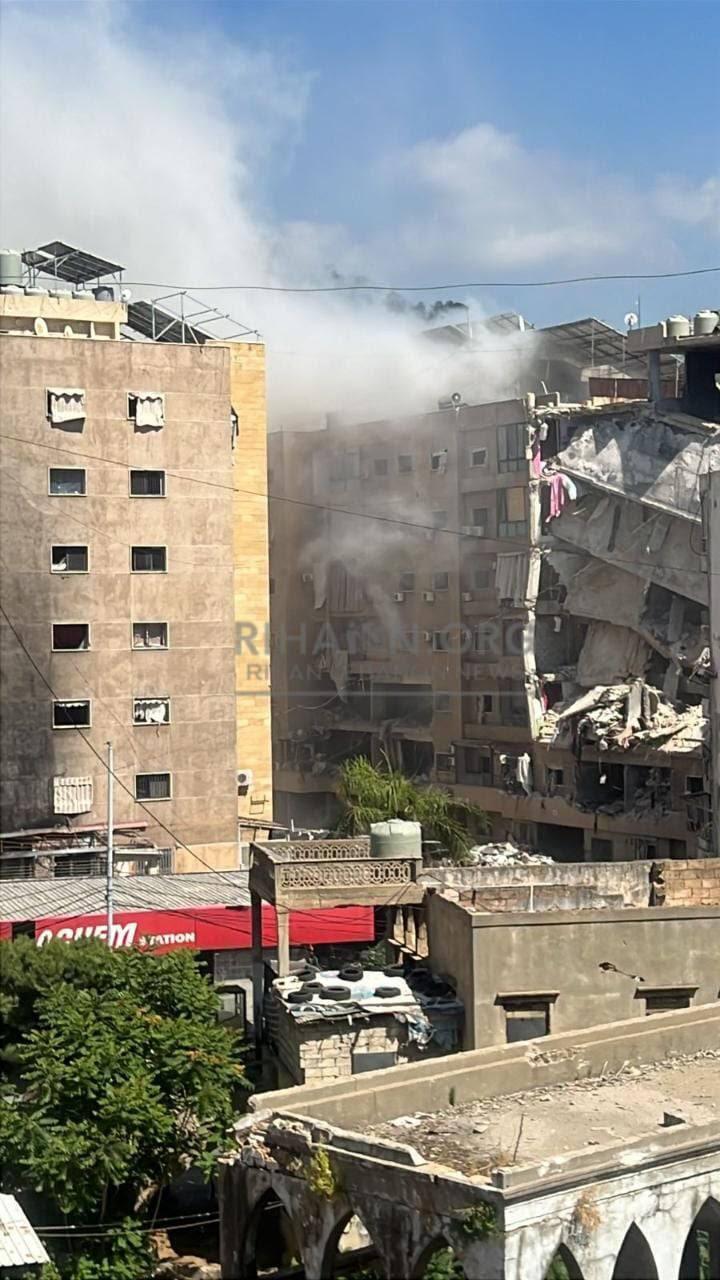
He said Hezbollah had informed relevant parties that it rejects this comparison. “We are committed to a ceasefire if it is real and comprehensive,” Qamati said, but warned that the group “will respond to an attack on the Dahieh by striking deeper targets in northern settlements.” He added: “We do not recognize the yellow line. Lebanon’s land must be liberated.”
It is still unclear what Hezbollah will do next, but it can be expected to respond within the next 24 hours. However, the current assessment is that the strike in the Dahieh does not change the broader picture of negotiations toward an agreement with Lebanon, which was shaken more by the Israeli strike on Lebanese army personnel over the weekend, which sparked significant anger in Beirut.
It can be assumed that the government in Beirut will not see Sunday’s strike as grounds to halt talks with Washington. Israel wants to bring Hezbollah to a full ceasefire in the north, at least as it concerns civilians. U.S. President Donald Trump said on Sunday that he does not require Lebanon to be part of a short-term agreement with Iran.

U.S. President Donald Trump said on that he does not require Lebanon to be part of a short-term agreement with Iran
(Photo: REUTERS/Jonathan Ernst)
As for Iran, if it follows through on its threat and attacks Israel, Jerusalem may see this as an opportunity: a renewed justification to complete unfinished business from Operation Rising Lion. However, it is also possible the event will remain a relatively limited and symbolic exchange, similar to recent rounds of fire between Iran and the U.S. in the Gulf: a symbolic Iranian action, a symbolic Israeli response and it ends there.
Contributor to the report: Lior Ben Ari