

On the anniversary of October 7, many young Israelis — including discharged combat soldiers and reservists who have lived through the war of the past two years — are choosing not to stay in Israel, but to travel as far away as possible. For them, distance is part of both personal recovery and national renewal.
The Jewish High Holidays in Israel have never been purely celebratory. For decades, the trauma of the 1973 Yom Kippur War haunted the holiest day on the Hebrew calendar. Now, October 7, 2023 — Simchat Torah — has become the defining national trauma that will shape memory for years to come. It is during these family-centered holidays that thousands of Israelis, including bereaved families, survivors of the Nova festival and kibbutzim and soldiers who served in combat, find the need to leave. Many head to the Far East, seeking to disconnect, breathe, and escape.

(Photo: Shutterstock)
At first glance, it may seem they travel only to avoid Israel — its politics, its prayers, its ceremonies. But the “big post-army trip” has shifted in meaning. What was once months of trekking and rest has become something deeper: a search for identity. This generation, once dismissed but now admired for its resilience, is using travel to ask fundamental questions: Who am I? What does Judaism mean to me? What kind of Israeli do I want to be?
In the aftermath of war, they recognize that becoming leaders, teachers or even good citizens requires first building a strong foundation of values and identity. They saw those values tested in the field and know they must define them before moving forward.
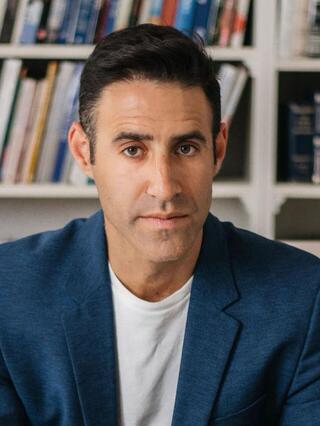 Terry Newman
In places like Dharamsala, Goa and Rishikesh, many encounter BINA — a network of Jewish-Israeli community houses offering space to rethink traditions. Travelers arrive tired, nostalgic for home yet questioning what they know and find themselves re-engaging with Jewish rituals. They create their own versions of Rosh Hashanah seders, decide how to mark Yom Kippur and even develop ceremonies to remember October 7.
Unlike at home, where the holidays may feel heavy with grief, in the East a different process takes shape: Jewish-Israeli identity is not only surviving the crisis — it is being reborn.