


On April 2, 2026, behind closed doors at the Kremlin, Russian President Vladimir Putin and Egyptian Foreign Minister Badr Abdelatty finalized an agreement that could reshape the Middle East’s security architecture.
Publicly framed as a routine trade discussion, the meeting in fact marked the launch of a broader strategic initiative aimed at expanding Russian influence in North Africa. Putin advanced a proposal for a large-scale Russian grain and energy hub on Egyptian territory, designed to secure exports while reducing exposure to Western financial sanctions. The initiative followed a March 31 phone call between Putin and Egyptian President Abdel Fattah el-Sissi.
Gallery
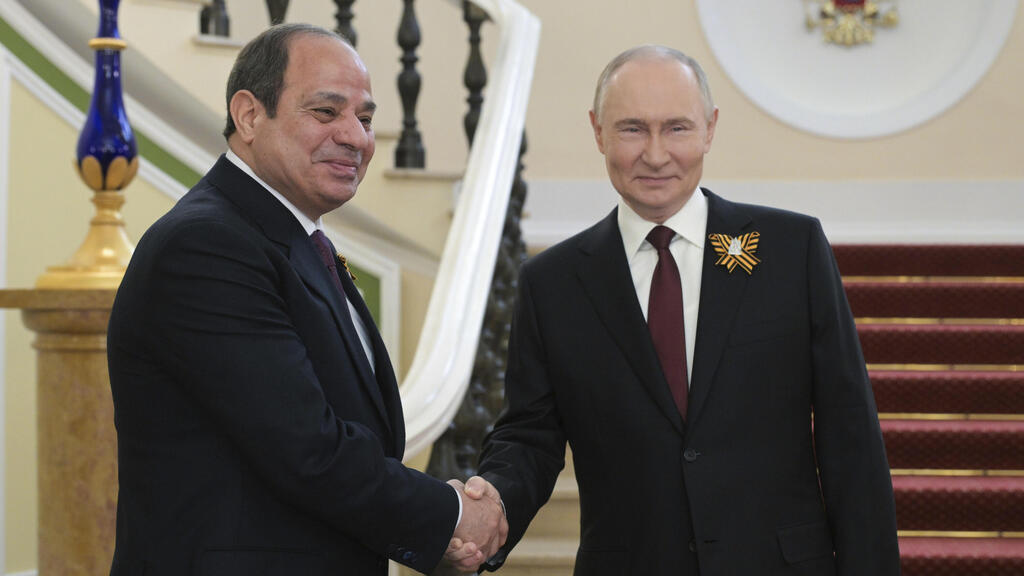
Egyptian President Abdel Fattah el-Sissi and Russian President Vladimir Putin
(Photo: Alexey Nikolsky/ AP)
The timing reflects a moment of acute regional instability. Following U.S. and Israeli strikes on Iranian nuclear infrastructure, disruptions in the Strait of Hormuz have strained global energy markets. Egypt has been hit particularly hard, with Suez Canal traffic dropping sharply as shipping companies reroute vessels around the Cape of Good Hope to avoid attacks in the Red Sea.
Facing mounting economic pressure, including a projected $27 billion in external debt obligations in 2026 and declining foreign reserves, Cairo is under increasing strain. Russia’s proposal arrives as a potential economic lifeline, but one that could deepen dependence on Moscow.
Egypt is the world’s largest importer of wheat, relying on a steady supply to sustain its subsidized bread program. Russia already plays a dominant role in that supply chain, delivering more than 8 million metric tons of wheat in 2024–2025. Reports have also indicated that a portion of Ukrainian grain seized during the war has reached Egyptian ports.
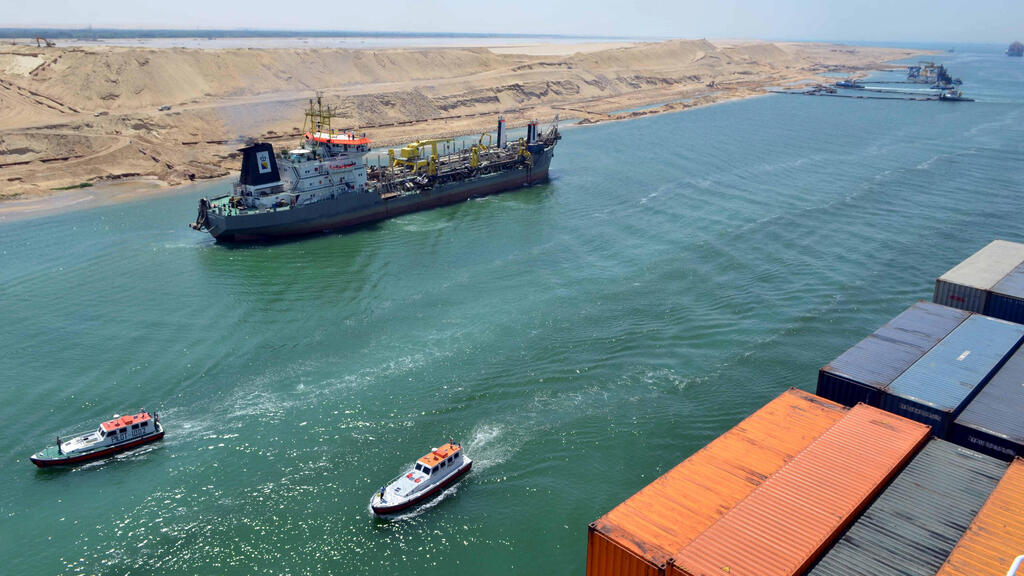
The Suez Canal
(Photo: Stringer/ Reuters)
The proposed hub would centralize the distribution of Russian agricultural and energy products across the region. Supporters may see it as a logistical and economic opportunity, but critics argue it risks increasing Egypt’s reliance on a single supplier for essential goods.
Energy considerations are also central. As global oil prices climb above $100 per barrel and domestic output struggles, Egypt has faced recurring blackouts. A Russian-backed energy hub could offer an alternative supply channel outside the Persian Gulf.
The proposal is also linked to existing Russian investments in Egypt, including the Russian Industrial Zone in the Suez Canal Economic Zone. Expanding this footprint could give Moscow a stronger presence near one of the world’s most critical maritime routes.
Beyond economic concerns, the initiative raises strategic questions. Some analysts warn that such infrastructure could have dual-use potential, enabling logistical support that extends beyond commercial activity. In a region already marked by heightened tensions, any expansion of foreign military or intelligence-linked capabilities could complicate the security environment.
 Amine Ayoub
There are also broader implications for existing regional frameworks. Increased military deployments in the Sinai Peninsula and infrastructure upgrades have already drawn attention. Additional foreign involvement in such areas could alter long-standing security balances.
For Washington, the development presents a strategic dilemma. The United States provides Egypt with roughly $1.3 billion in annual military aid and has historically viewed Cairo as a cornerstone of regional stability. Any shift toward deeper Russian alignment could challenge that relationship.
Advocates of a more assertive U.S. response argue that Washington should use its economic and military leverage to encourage Egypt to reconsider the proposal. Options could include targeted financial support tied to policy conditions, or, alternatively, signaling potential consequences if Cairo proceeds.
The broader question is whether economic necessity will drive Egypt toward new partnerships that could reshape its geopolitical alignment.
- Amine Ayoub, a fellow at the Middle East Forum, is a policy analyst and writer based in Morocco.