

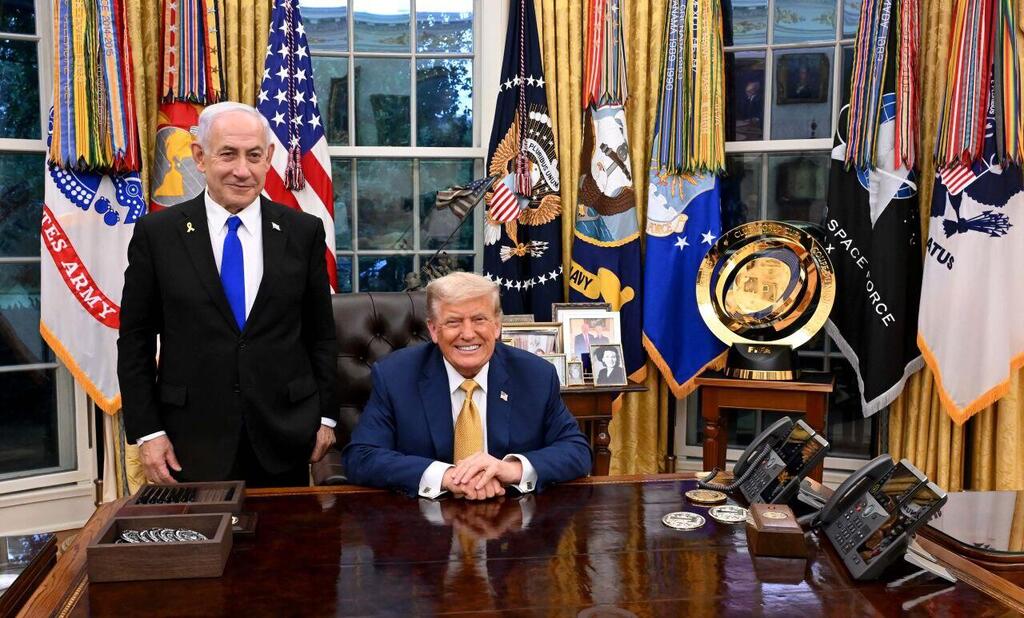
The third Trump-Netanyahu summit since the President's return to the white house marks what U.S. envoy Witkoff described as “a possible breakthrough moment” — potentially paving the way for a partial hostage release deal, and laying the groundwork for an end to Israel’s longest war. The upcoming weeks might become a pivotal moment in Israel’s shift from a wartime reality toward a fragile path of negotiation and resolution.
For Israelis, emotions are naturally mixed. On one hand, the return of any hostage after nearly two years in captivity brings immense relief and hope to a wounded nation. On the other, there is deep anxiety, frustration, and anger over the many (at least 10 alive) that are expected do be left behind, sparking fears that their fate may now hang in the balance — vulnerable to the worsening conditions on the ground and the political compromises being drawn.
The downsides of a partial deal are serious and deeply troubling—and they risk shaping the post-war reality in Gaza in dangerous ways. A 60-day ceasefire would give Hamas the time and space not only to rehabilitate its military and civilian standing while the IDF holds its fire, but also to reestablish its control over the main lifeline to Gaza’s population: humanitarian aid. It’s no coincidence that Hamas is pushing to return to the old aid mechanisms via UN agencies, rather than the newly introduced American GHF framework, which temporarily challenges its grip on governance. This, too, serves as a strategic card for Hamas as it faces mounting pressure from Sunni states demanding a fundamental change in Gaza’s leadership after the war.
Here it is: the Israeli government's chronic (and politically motivated) refusal to address the "day after" scenario in Gaza is now colliding with reality—along with the steep price tag that comes with this failure. Hamas remains a relevant political and governmental entity in the Strip, as future dialogue with the terrorist murderous group will now likely extend beyond the hostage issue, to include administrative and civil matters as well.
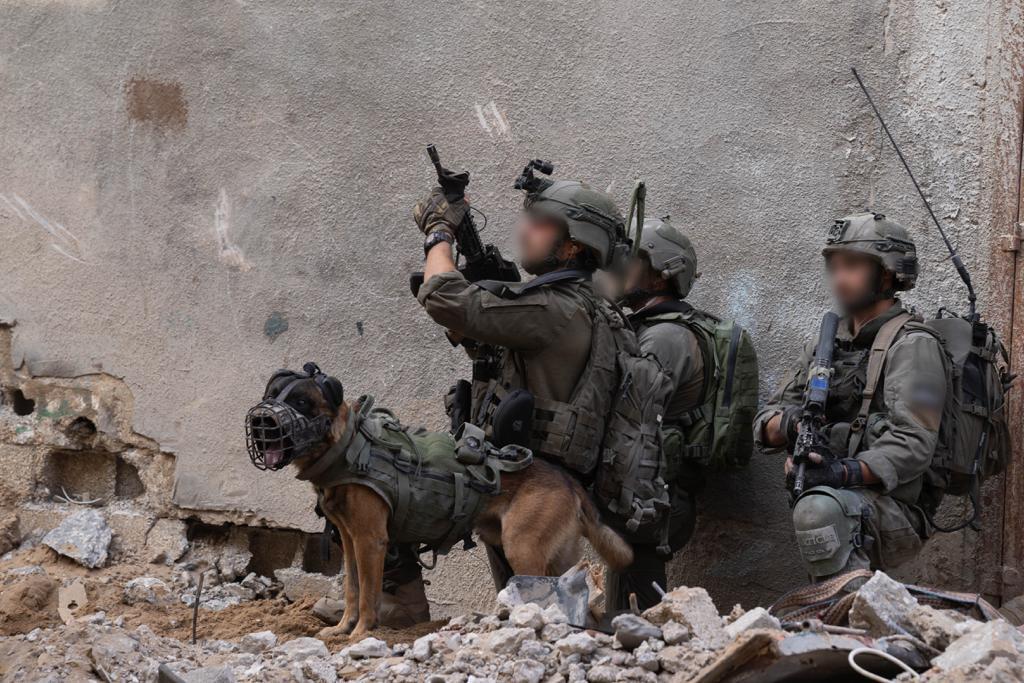
IDF troops in Gaza
(Photo: IDF Spokesperson's Unit)
The fact that Hamas will retain a role in Gaza once the war ends is a major strategic gain for the terror group—one that could have been avoided through sober, forward-looking diplomacy. This outcome allows Hamas to preserve its narrative of resistance and maintain influence within Palestinian society, including in the West Bank.
On the ground, the emerging partial deal once again underscores that the military value of the current IDF operation has yielded limited results in advancing the goal of bringing the hostages home, especially given the heavy and painful losses sustained on the battlefield. The “Witkoff Minus” framework, agreed upon along the Washington–Doha channel, is less favorable to Israel than its predecessor, at least in terms of the number of hostages to be released during the ceasefire period.
One way or another, the fact that a partial deal leaves behind an estimated ten living hostages—and many more presumed dead—underscores the urgency of advancing a follow-up framework to secure their return. Beyond the unimaginable suffering and severe medical toll of such prolonged captivity, the danger to those left behind is rapidly increasing. There’s a growing concern that Hamas may gain renewed strength in Gaza during the ceasefire, emboldening its military wing—now regrouping under the leadership of Az al-Din al-Haddad—and potentially disrupting further progress. This could leave Hamas with a kind of “insurance policy” for its survival, especially in the absence of a viable alternative governing structure in the territory.
 Avi KaloPhoto: Aloni Mor
In this time of crisis—and given the deep dysfunction in Israel’s current decision-making—it's imperative for the U.S to reclaim the reins and step in where the Israeli government is faltering. America must help lead the way toward a safe harbor: the full return of the hostages, an end to the Gaza war, and the launch of a broader regional settlement with the moderate Sunni bloc in the Middle East. This is President Trump’s moment to reassert leadership and help the Israeli hawkish government to save it from itself. By working to end the war, the American president would give the Israeli people the space to heal, mourn, and look ahead—for the first time since of October 7, 2023.
- Avi Kalo is a Legal Counter-terrorism expert and negotiation and Crisis Management specialist with over 15 years of experience