

The Law for the Supervision of Early Childhood Frameworks, which mandated licensing, binding standards, and safety and pedagogical oversight, was written in blood. Not as a metaphor.
The horrific death of Yasmin Vinta in a daycare center in 2018 and the conviction of the caregiver responsible for her death shook Israel’s elected officials. Only then did a bill initiated by the National Council for the Child, 15 years earlier, finally pass its second and third readings in the Knesset.
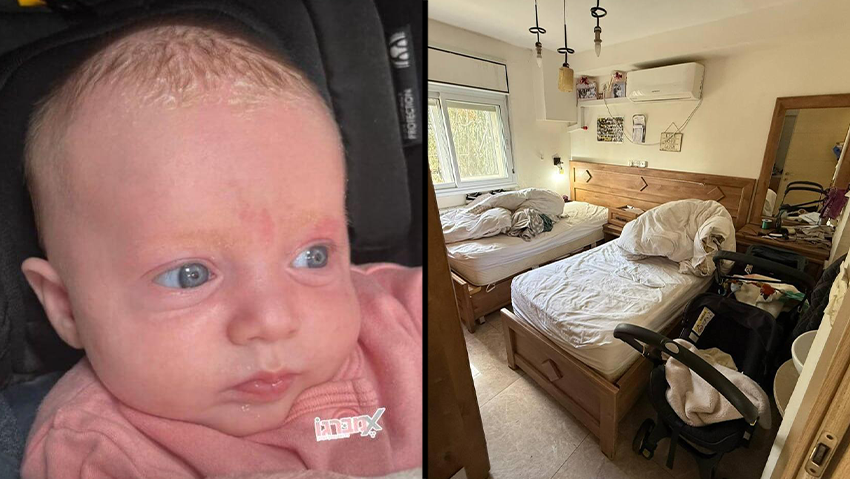
The question now is unavoidable: Will the equally horrific deaths of Leah and Aharon in a daycare center in Jerusalem shake the system to its core and bring about the long-awaited, yet most basic, reform in how the state treats early childhood?
The phrase “the warning signs were on the wall” fails to capture both the depth of the tragedy and the scale of the frustration. For years, hundreds of overcrowded, neglected and unsafe daycare frameworks have been operating without proper supervision. There is a severe shortage of buildings for daycare centers, particularly in the ultra-Orthodox and Arab communities, though not only there. The number of inspectors is unreasonably low. The state has failed to invest adequately in turning caregiving and early-education work into a respected profession.

Footage from the day care, child sleeps underneath a toilet seat
As if that were not enough, the Education and Finance Ministries have repeatedly sought to delay the implementation of regulations designed to improve occupancy standards in daycare centers, while cutting training budgets for caregivers and educators. Now, on top of an earlier reduction, the ministries are proposing an additional cut of more than 20% to the Early Childhood Division’s budget.
This reality makes one thing painfully clear: The state does not truly regard daycare centers as educational frameworks, nor does it grasp their dramatic importance to toddlers’ lives—their physical and mental health, and their development. Fatal accidents, abuse and neglect are not isolated incidents; they are all part of the same unacceptable picture.
We should be debating a free education system for every infant and toddler; supportive pedagogy; and developmental conditions that allow children to grow up with physical and mental well-being, and with equality. Instead, out of sheer necessity, we find ourselves reduced to hoping that they will simply return home safely at the end of the day.
The cry of toddlers, who have no voting power and often not even the words, must be heard clearly in the 2026 budget discussions. The mission is clear. The burden of proof and implementation lies with those who hold responsibility: the Ministry of Education and the Ministry of Finance.
This is in your hands. You must protect kindergarten children.
Adv. Vered Windman is the Executive Director of the Israel National Council for the Child, and an attorney in the field of Children's Rights and Social Change