


In 2025, crypto regulation has finally entered its teenage years. No longer a Wild West, the global digital asset ecosystem is increasingly maturing under the watchful eye of regulators. But while the EU, U.S., and several financial hubs are sprinting toward clarity, others are still stuck in indecision—or denial.
The PwC Global Crypto Regulation Report 2025 lays bare an emerging reality: we are living in a bifurcated regulatory world. On one side, countries like the EU, U.S., Singapore, and Switzerland are shaping crypto regulation with surgical precision. On the other, emerging markets and even some mid-tier economies remain vague, hesitant, or entirely silent.
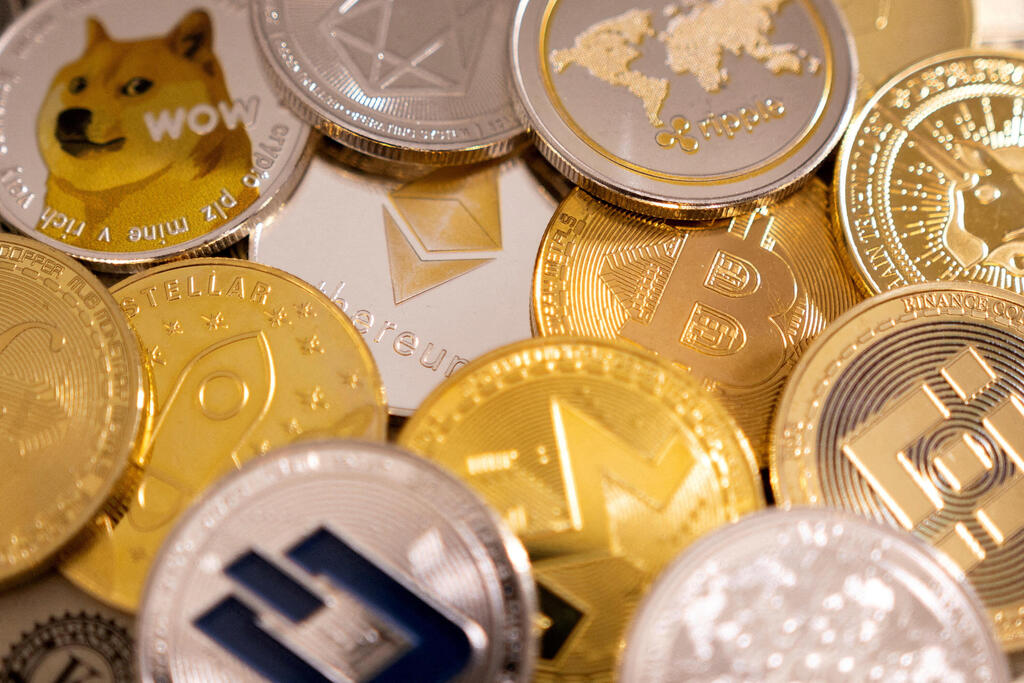
(Photo: Reuters)
Let’s start with the leaders. Europe’s MiCAR regulation stands as a textbook example of regulatory ambition. It doesn’t just define digital assets—it gives them a home. MiCAR introduces clear rules for licensing, disclosure, market integrity, and consumer protection. With passporting rights and EU-wide supervision, Europe has created a Single Market for crypto, setting the global gold standard.
Meanwhile, across the Atlantic, the U.S. has pivoted from chaos to coordination. The SEC’s approval of spot Bitcoin and Ethereum ETFs, discussions around stablecoin legislation (like the GENIUS Act), and abandonment of CBDC plans reflect a sea change. The regulatory fog is lifting. Crypto is no longer “offshore finance” — it’s becoming Wall Street finance.
Asia’s Singapore and Hong Kong SAR deserve credit for finding a nuanced balance: fostering innovation while securing the perimeter. Their regimes are strict but supportive, showing how city-states can punch far above their weight in the global crypto economy.
Contrast this with India, Kenya, and Turkey, where frameworks remain unclear, fragmented, or underdeveloped. In these jurisdictions, crypto markets operate in legal ambiguity. For investors, businesses, and even regulators, the lack of clarity invites risk, reduces access to capital, and fuels the very threats regulation is meant to avoid — from fraud to financial instability.
Even more puzzling is the UK's cautious stride. Once positioned to be a leader post-Brexit, the UK’s full crypto regime remains in progress, with detailed rules and licensing frameworks only expected by 2026. For a country that wants to lead fintech, time is slipping.
This uneven progress has consequences.
First, regulatory arbitrage is alive and well. As long as crypto service providers can jurisdiction-shop, gaps will persist, and global enforcement will struggle.
Second, institutional adoption is uneven. Large funds and banks are unlikely to enter markets where licensing is unclear and AML rules are half-baked. Capital flows will chase clarity—and that means the U.S. and EU will benefit most.
Third, retail users are left exposed. Without proper consumer protection, some jurisdictions remain breeding grounds for scams, rug pulls, and systemic abuse.
It’s time we stopped thinking of crypto as "borderless" and began acknowledging its regulatory borders. A wallet in Warsaw should not be three times safer than a wallet in Nairobi. An investor in Singapore should not have significantly more protection than one in São Paulo.
The solution? Greater coordination—not only through global standard-setting bodies like the FSB, IOSCO, and FATF, but through shared enforcement mechanisms, interoperable licensing systems, and common disclosure templates. Much like trade agreements, crypto needs a multilateral trust framework.
 Prof. Ilan Alon
 Until then, businesses and investors must navigate the fragmented map cautiously. The future of crypto depends not just on technology, but on the confidence of markets. And confidence thrives where regulation is clear, consistent, and fair.
The teenage years of crypto regulation will be formative. Let’s ensure they shape an industry — and a world — that is not only more innovative, but also more just.
Prof. Ilan Alon is a professor of Business and Economics at Ariel University and an expert on international economics and cryptocurrencies.