

The cheers were hard to imagine: five senior journalists in Beirut, long affiliated with Lebanese outlets identified with the country’s civilian government, reacting with open satisfaction as reports came in of Israeli airstrikes hitting Hezbollah-linked media offices in the Dahieh district.
For months, these journalists and commentators — whose names cannot be published — have spoken regularly with Israeli media, despite the formal state of hostility between the two countries. Two have visited Israel in the past, gaining firsthand familiarity with the country they still officially describe as an enemy state.
IDF strikes in Beirut


Lebanon has long been considered a cradle of relatively free Arab journalism, though freedom of expression remains limited. Sensitive stories are subject to review by editors and censors, and the press often reflects the country’s sectarian divisions. Lebanon’s parliament represents 11 recognized Christian and Muslim sects, and many outlets are closely aligned with specific communities and political patrons.
Until the latest escalation, much of the public debate centered on Hezbollah’s weapons and the Lebanese army’s inability to disarm the group. Commentators published opinion pieces urging that Hezbollah be transformed into a purely political entity.
In the past three days, observers in Beirut describe what appears to be a shift in tone among senior Lebanese officials. Calls have intensified for the army chief to accelerate the collection of Hezbollah’s weapons and transfer seized materiel into army stockpiles.
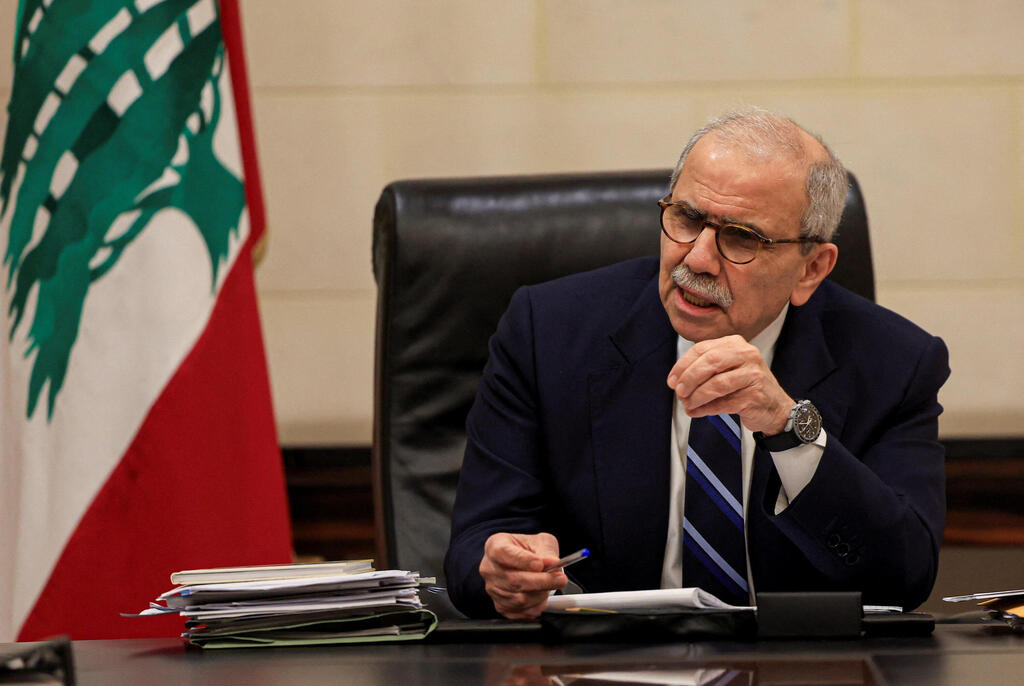
One Lebanese journalist cited Prime Minister Nawaf Salam as saying in a recent public briefing that “Iran’s time in Lebanon has ended,” a remark that drew significant attention. The prime minister and Foreign Minister Youssef Rajji have more recently described Hezbollah’s actions as “irresponsible,” warning that they expose Lebanon to danger.
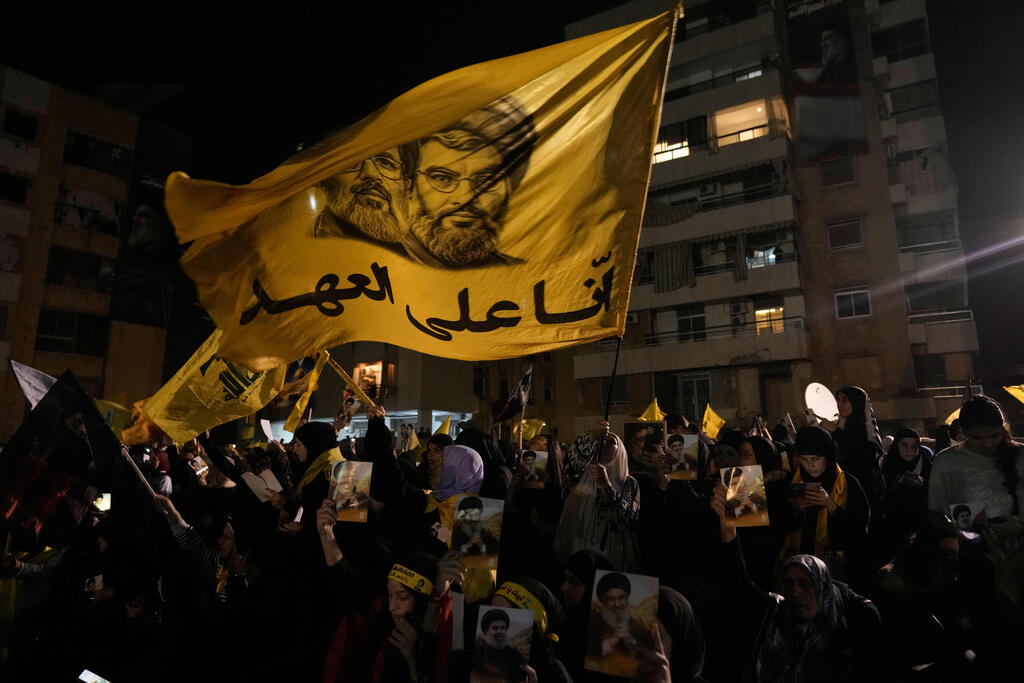
Hezbollah, for its part, has signaled that it views such pressure as an attempt, backed by foreign powers, to marginalize the group.
Senior Lebanese officials, academics and media figures are increasingly voicing assessments that Iran’s regional influence is waning. While few predict an immediate transformation in Tehran, some argue that even without regime change in Iran, a shift is underway — and that Hezbollah must be prevented from reopening the door to deeper Iranian entrenchment in Lebanon.
Lebanon’s president said this week that a ban on Hezbollah’s independent military activity is a “sovereign, final and binding decision,” according to Lebanese media reports. Rajji, among the most outspoken critics of Hezbollah within the government, has called for the group’s immediate disarmament, arguing that responsibility for Lebanon’s defense rests solely with the state.
Against that political backdrop, Israeli strikes have targeted Hezbollah-affiliated media outlets in Dahieh. One strike hit a building housing Al-Manar, Hezbollah’s television channel, whose broadcasts often feature presenters in full head coverings and strongly pro-Hezbollah messaging. According to reports from the channel, staff evacuated and no casualties were reported, and broadcasts resumed from an alternate location after a brief interruption.
Al-Mayadeen, another Beirut-based channel widely seen as sympathetic to Hezbollah, was also affected, though its building was not destroyed. Offices of Al-Nour radio were reported damaged in a separate strike.
(Photo: AP Photo/Hassan Ammar)
The tension between journalists aligned with Lebanon’s mainstream political establishment and those affiliated with Hezbollah has long been evident. Critics in Beirut describe Hezbollah media as “mouthpieces,” while Hezbollah-aligned outlets have sharply attacked politicians and commentators who advocate normalization with Israel.
Nabih Berri, the 88-year-old speaker of parliament and leader of the Shiite Amal movement, remains a central figure in Lebanon’s political system. Long seen as a skilled power broker with close ties across factions, Berri has recently appeared to edge closer to the positions of the country’s top leadership — the president, prime minister, foreign minister and army chief — in supporting steps that would ultimately bring Hezbollah’s weapons under state control, though implementation has yet to occur.
In Beirut, the debate is no longer confined to whether Hezbollah should restrain itself, but whether Lebanon’s political order is entering a new phase — one in which the balance between state institutions and Iran-backed armed groups may be fundamentally recalibrated.