

As deepfakes proliferate and AI firms harvest human likeness at industrial scale, Denmark offers a new idea: identity as property, protected in law and reclaimed by the individual.
In a world where the artificial intelligence industry already generates more than $300 billion a year, and is expected to double before the decade ends, Denmark has quietly proposed one of the most radical ideas of our digital age: granting every citizen legal ownership over their face, voice and body.
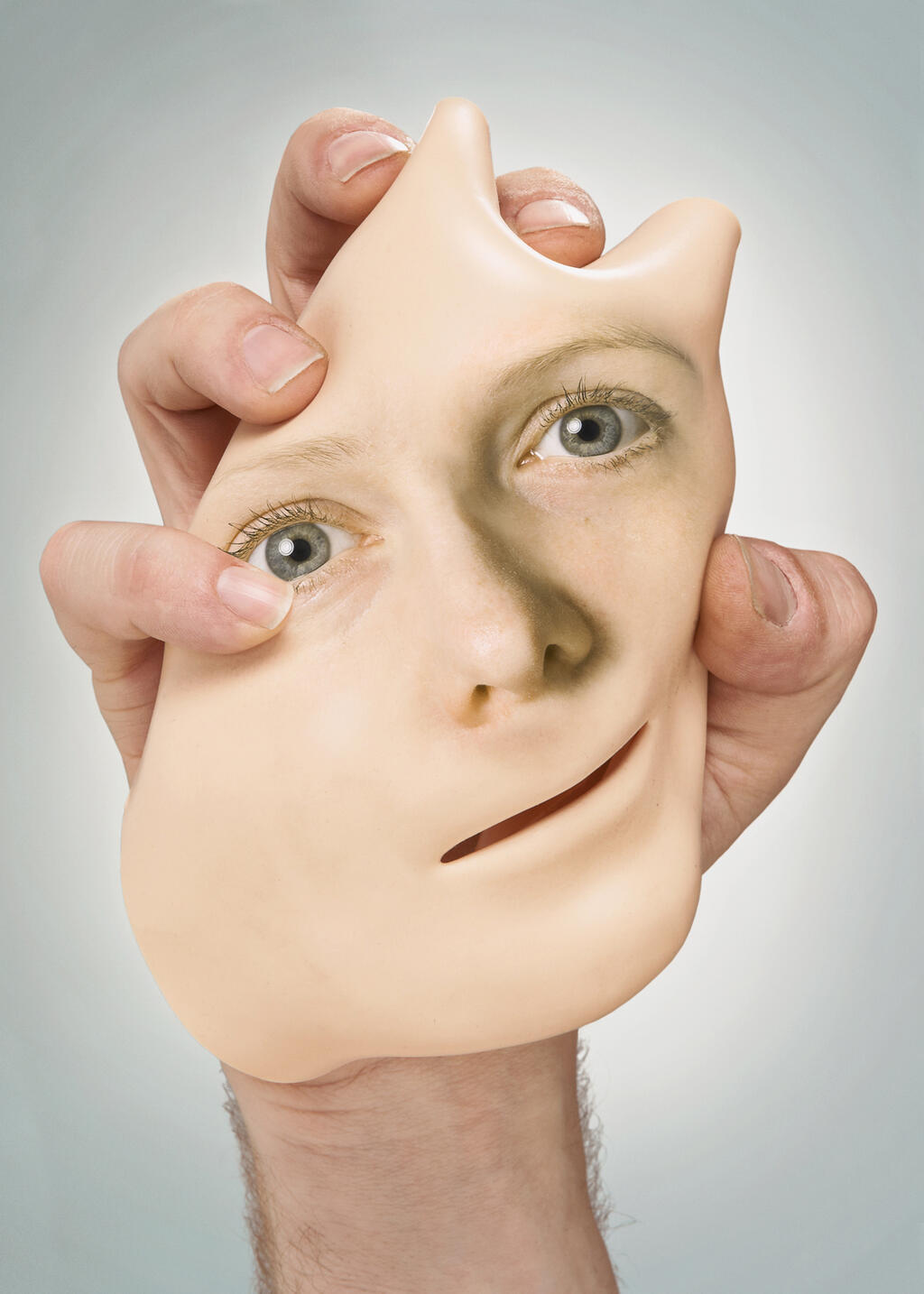
At a time when a single image, a brief audio clip or a few seconds of algorithmic mimicry can turn any person into a digital impersonation, Denmark has decided to draw a hard line. While most governments are still fumbling for frameworks to regulate AI, the Danes have chosen a refreshingly simple principle: a human being is not open-source code.
The bill now moving through Copenhagen’s parliament establishes an unprecedented legal category: identity as property. Under the proposal, a person’s likeness, facial features, vocal patterns and gestures belong to them, even when reproduced in digital form. Any use of an individual’s image or voice without explicit consent would be treated not as a minor violation of privacy, but as a breach of intellectual-property rights.
The context for this shift is stark. In 2023 alone, more than half a million deepfake videos were reported online, a surge of several hundred percent in less than five years. What began as a technical curiosity has become a tool for extortion, political manipulation and market disruption. A single forged clip can move stock prices, alter public opinion or destroy a reputation in minutes. Deepfakes have democratized deception: no longer a weapon reserved for celebrities and politicians, but a risk faced by every citizen.
When the human becomes the raw material
The digital world, originally built as a playground for free expression, has evolved into a marketplace of identities. Faces, voices and movements now circulate as tradable assets, extracted and repurposed without permission. In this environment, Denmark’s proposal represents a new model of self-ownership. Once, intellectual-property law protected books, paintings or patents. Now, the “work” demanding protection is the person.
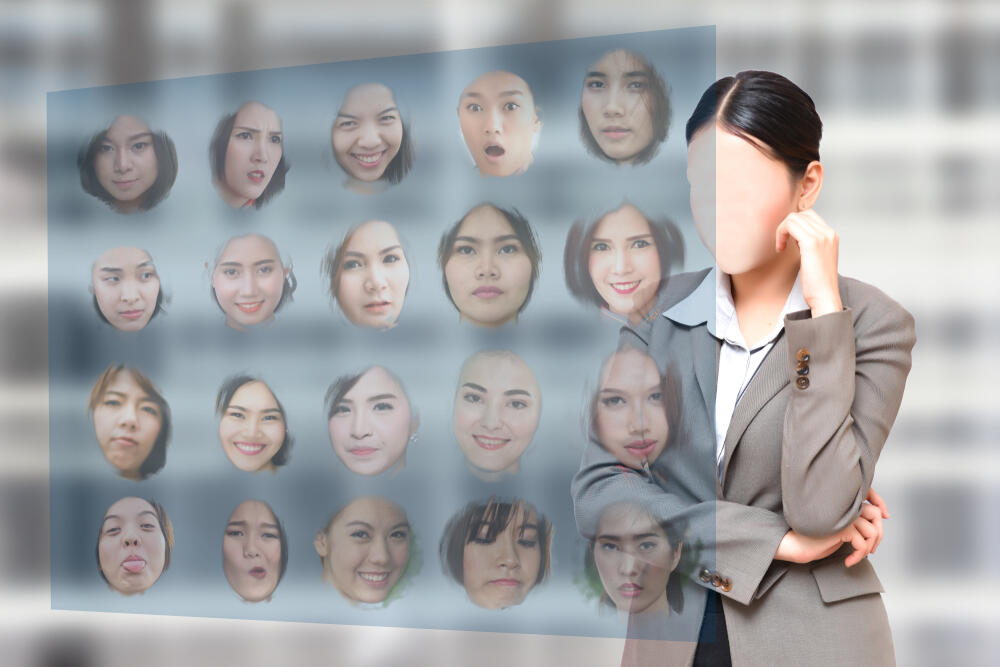
(Illustration: Shutterstock)
Beyond its legal implications, the Danish initiative marks a cultural turning point. For two decades, societies have traded privacy for convenience. We handed our faces to social platforms, our voices to smart speakers, our behavioral footprints to data brokers. Only now is the full cost becoming apparent: when identity becomes raw material, trust becomes collateral damage.
The economic stakes extend far beyond personal privacy. Today’s AI models are trained on massive datasets containing images, voices and recordings of millions, often scraped from social networks and public archives without consent. With the industry projected to reach $600 billion by 2030, the Danish proposal signals the end of the “free-to-take” era. If enacted, it would force technology companies to secure licensing rights from the people whose identities fuel their systems.
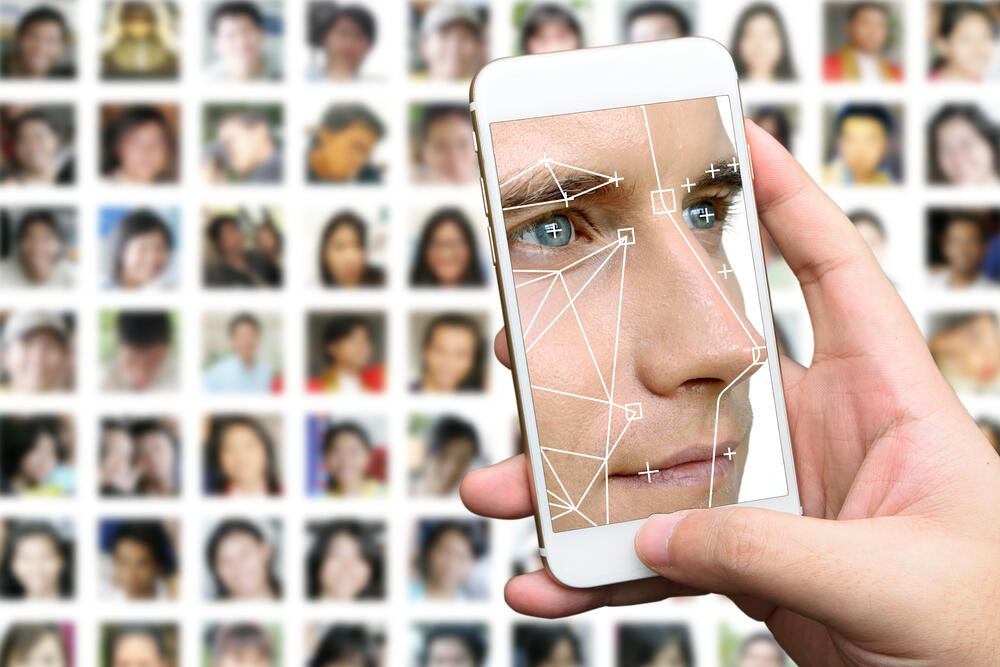
(Illustration: Shutterstock)
It also challenges a central assumption of Silicon Valley: that innovation necessarily requires unrestricted access to human data. Denmark counters with a more discomforting truth: technological progress is not an ethical exemption. Humans are not training material.
Under the bill, tech companies and advertising platforms would be required to remove forged content and prove that any reproduced likeness was used with permission. That obligation may sound technical, but philosophically it is seismic. It reasserts a principle many assumed lost in the digital age: that the individual, not the algorithm, defines the boundaries of the self.
Crucially, Denmark is not attempting to halt innovation. It is doing something more subtle, and arguably more profound. It is demanding that innovation acknowledge human limits.
 Dr. Bella Barda Bareket Photo: Lia Yaffe
Because technology does not ask who we are. It reflects what we are willing to surrender. Deepfakes revealed that the ultimate vulnerability of the digital age is not technological; it is existential. When our very image becomes replicable, the self becomes negotiable.
This is why the Danish move has reverberated far beyond Scandinavia. It touches the core of the global debate on AI: what remains of human identity when anyone can own a version of you? Denmark’s answer is simple: identity belongs to the individual, not to the platform, not to the model, not to the market.
In restoring legal ownership of one’s likeness, Denmark is doing more than regulating deepfakes. It is reasserting the most basic right of the digital era: the right to be yourself, even in a world where everything can be copied.
- Dr. Bella Barda Bareket is a global trends analyst specializing in the intersection of economics, geopolitics and technology.