


In the corridors of Western diplomacy, the ceasefire is heralded as the ultimate moral and strategic triumph, a vital bridge to de-escalation and a necessary cooling-off period intended to transition belligerents toward negotiation.
Within the Middle East, however, particularly when engaging Islamist non-state actors and their state sponsors, this liberal assumption represents a profound category error. For organizations such as Hamas, Hezbollah and the Iranian regime that funds and directs them, a ceasefire is never a stepping stone toward peace. It operates as a deeply rooted theological and tactical instrument: the hudna.
The theology of the temporary
To understand why diplomatic interventions consistently fail to produce stability, policymakers must examine the ideological framework governing Islamist asymmetric warfare. The Western strategic mind views war as a temporary interruption of a normative peace. The Islamist framework, conversely, operates on a binary worldview that interprets peace as a temporary suspension, a mere operational pause, within an ongoing, divinely mandated struggle.
The historical precedent is anchored in the Treaty of Hudaybiyyah in 628 CE. When the Prophet Muhammad entered a ten-year truce with the Quraish tribe of Mecca, it was not driven by a desire for coexistence. It was a calculated strategic pause, utilized to consolidate power, forge alliances and eventually conquer the city once the opposition's vigilance had waned.
This established a core tenet in Islamist military thought: a treaty with an adversary is valid only so long as the Muslim faction operates from a position of relative weakness. The moment strength is regenerated, the obligation to resume hostilities returns.
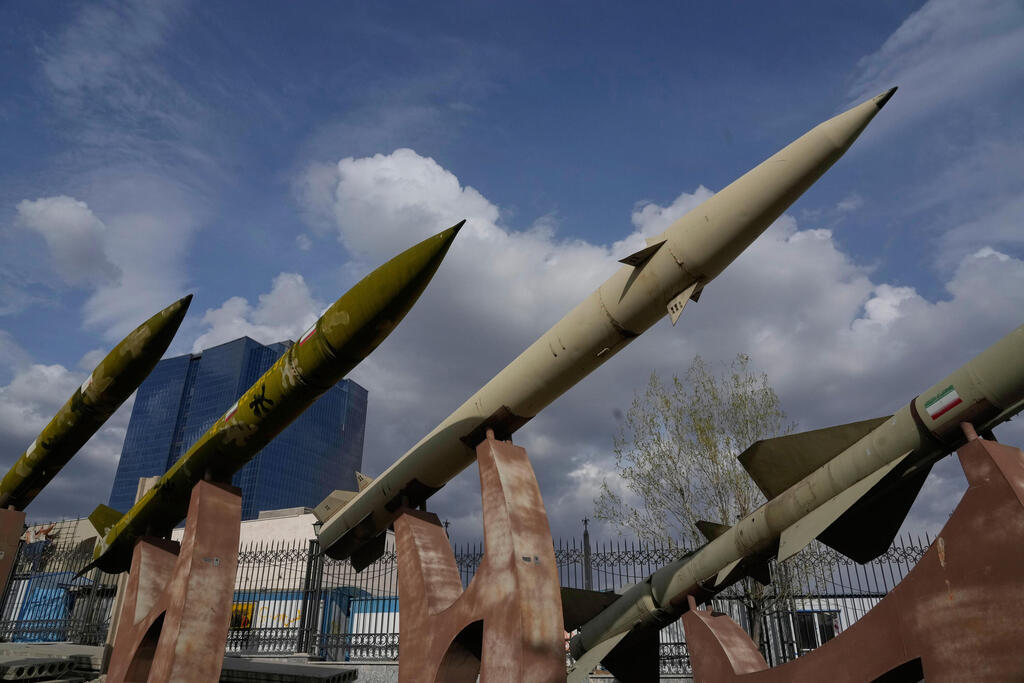
When modern Islamist factions agree to a cessation of hostilities, they are not positioning themselves for a negotiated settlement. They are executing a modernized Hudaybiyyah. To these groups, a ceasefire is simply a rearmament phase shielded by international diplomacy, facilitating the replenishment of rocket stockpiles, the fortification of tunnel networks and the training of new militant cadres, all while the international community inadvertently provides a diplomatic umbrella against further military pressure.
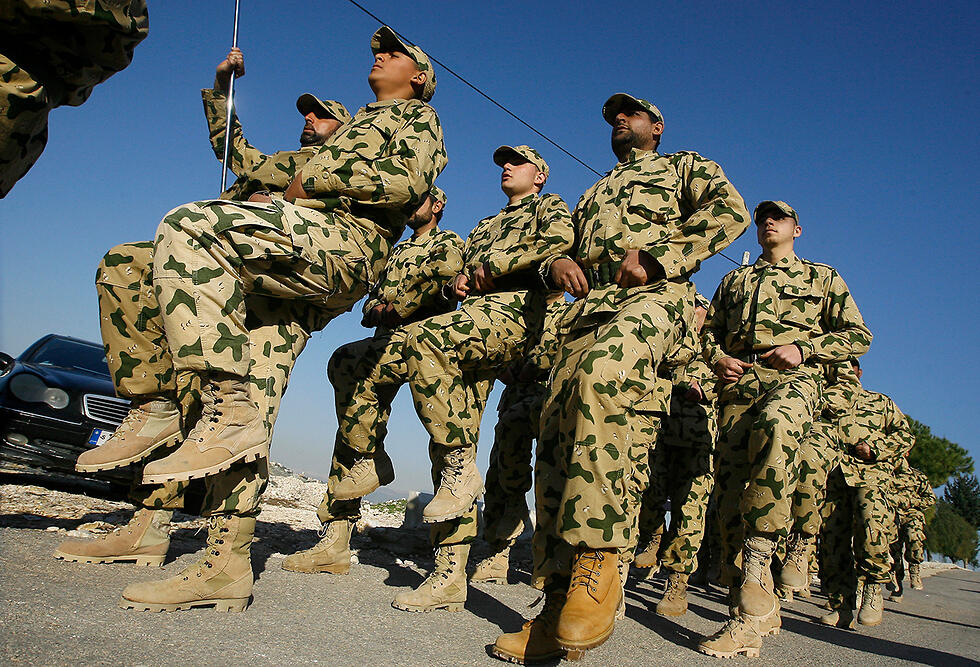
A Hezbollah march in Lebanon, February 18, 2017
(Photo: AP)
Nowhere is this dynamic more consequential than in the ongoing diplomatic effort to broker a ceasefire arrangement with Tehran.
Current U.S.-Iran negotiations, however framed, risk repeating the structural error of the 2015 JCPOA, which granted Iran sanctions relief and international legitimacy in exchange for temporary, reversible nuclear concessions. Iran's clerical leadership does not view such agreements as binding moral commitments. They view them as instruments of tactical relief, to be honored selectively and abandoned the moment the strategic calculus shifts.
Any ceasefire framework that does not permanently dismantle Iran's nuclear infrastructure and sever its financial pipeline to regional proxies simply funds the next cycle of aggression.
For Israel, this is not an abstract theoretical debate. It is an existential operational reality. Israeli defense doctrine has long recognized that a ceasefire imposed before Hamas or Hezbollah is organizationally dismantled does not produce security. It produces a better-armed adversary.
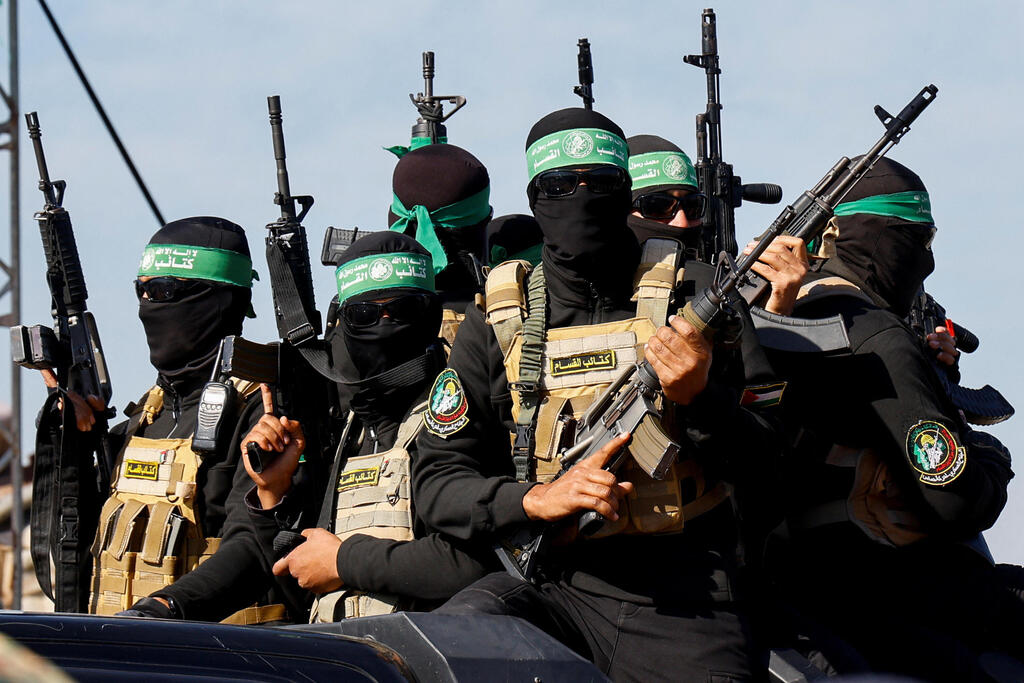
Armed Hamas operatives in Khan Younis, Gaza
(Photo: REUTERS/Hatem Khaled)
Every pause in hostilities since 2007 has been followed by a qualitatively upgraded offensive capability on Israel's borders. The October 7 massacre was itself enabled in part by years of internationally supervised "calm" during which Hamas converted Gaza into a fortified military installation.
From Jerusalem's perspective, accepting a premature halt to operations is not a concession to diplomacy. It is a concession to the next atrocity.
Realism over idealism
These truces engineer a profound asymmetry that heavily favors the aggressor. A sovereign democratic state, bound by international humanitarian law, is expected to adhere flawlessly to truce terms, while Islamist proxies exploit the grey zone expertly, conducting low-level attrition, probing border defenses and repositioning assets under the guise of civilian reconstruction.
Hezbollah utilized the UN-brokered cessation following the 2006 war to transform from a localized militia into a formidable regional army. The calm is never indicative of moderating ideology. It is the silence of a munitions factory.
 Amine Ayoub
If the policy objective is sustainable regional stability, the diplomatic corps must abandon the assumption that the ceasefire is a universal good. Strategic realism dictates that security cannot be constructed upon the promises of actors who weaponize treaties as tactical deceptions.
Western policy must pivot toward the total degradation of the military capabilities and ideological infrastructure of Islamist proxies and their Iranian patron.
Peace will not materialize from a signature on a page. It will only emerge from the unmistakable defeat of the ideology that views peace itself as a vulnerability to be exploited.
- Amine Ayoub, a fellow at the Middle East Forum, is a policy analyst and writer based in Morocco.