


Likud candidates spent the night awake and on edge as results came in from one of the most complicated and difficult primary contests the party has seen in years, shaped by heavy intervention from Prime Minister Benjamin Netanyahu’s circle and by political deals that played a larger role than ever.
Netanyahu succeeded in pushing firebrand Tally Gotliv down the list after an intensive effort, while candidates he backed in the regional races, most of them for slots not considered realistic, won their contests. But in several other battles, the prime minister fell well short of victory.
Gallery
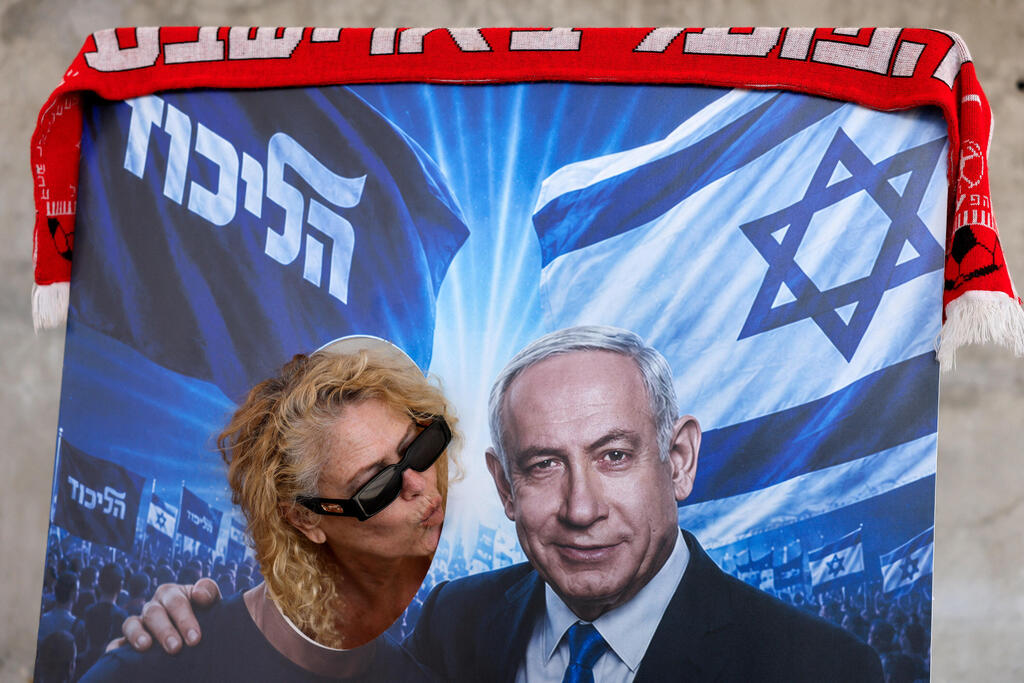
A likud supporter kisses a poster of Prime Minister Benjamin Netanyahu
(Photo: REUTERS/Amir Cohen)
David Bitan, who emerged as one of Netanyahu’s main internal opponents during the current Knesset term and throughout the primaries, secured a realistic place on the list despite efforts to remove him politically. Bitan had been targeted in a series of political deals, and when the polls closed, figures around Netanyahu were convinced they had succeeded in eliminating him.
Inside Bitan’s camp, the mood throughout the day had been gloomy. Senior ministers who were neither close to him nor part of his deals were reluctant to openly align with him given his standing with Netanyahu.
Bitan himself went to sleep believing his political career was over. Instead, the results showed him finishing ahead of a number of ministers and sitting Knesset members, including some favored by Netanyahu. Bitan also scored another significant victory through Keren Bublil Atias, his candidate for the party’s “new woman” slot, who defeated candidates backed by Netanyahu.
The prime minister initially supported Dr. Ruth Kabessa Abramson before publicly endorsing Osnat Zohar Zani following a ynet report. Netanyahu’s son Yair had also urged Likud members not to support Bublil Atias. In the end, Bublil Atias defeated Zohar Zani by roughly 2,000 votes.
Economy Minister Nir Barkat, another figure Netanyahu sought to push down the list, secured what appeared to be the last position considered realistic. Netanyahu, however, may still use his authority to swap candidates against reserved slots, allowing him both to elevate preferred figures and potentially push rivals farther down the list.
On the other hand, all three candidates backed by Netanyahu in the regional races won: Shuki Ohana in the Galilee and Valleys district, Shlomo Lerner in Tel Aviv and Erez Tadmor in the combined Jerusalem-West Bank-Shfela district.
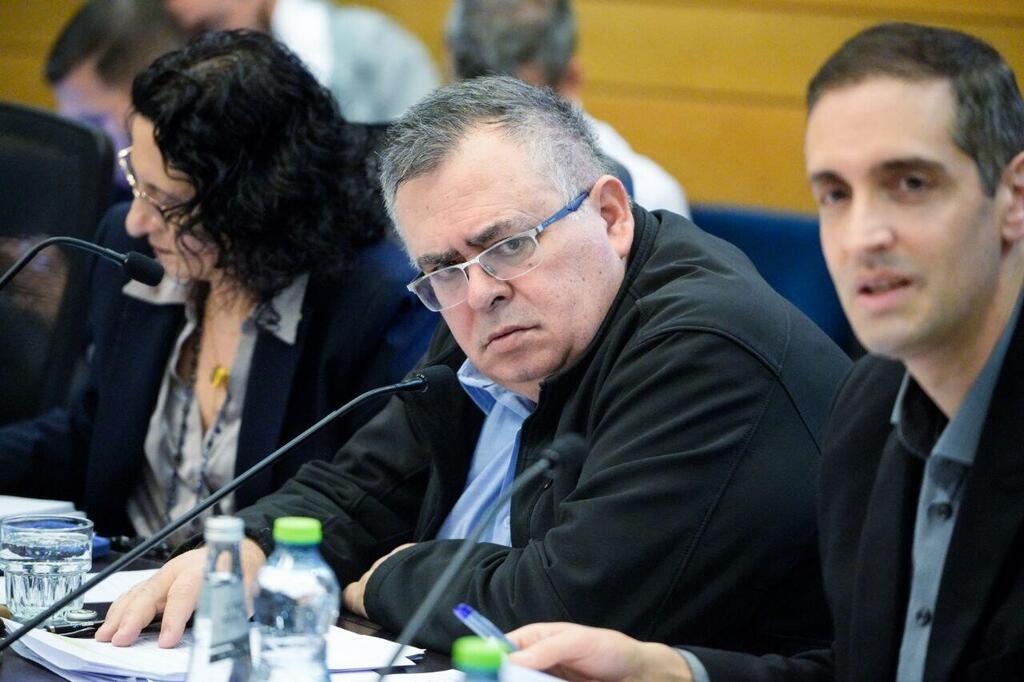
David Bitan
(Photo: Shalev Shalom)
Much of the criticism directed at Netanyahu focused on the extent of his intervention, not only because he turned against some senior ministers who had long been among his most loyal allies, but also because critics argued that the process suppressed turnout. Likud officials refused to extend voting hours, as the party has often done in past contests.
Critics within the party said that decision hurt ordinary members who were not part of organized voting blocs. Polling stations closed at 9 p.m., allowing political deals to fully mobilize their voters while weakening unaffiliated members. Some in Likud argued that the results could have looked different had voting been extended as usual.
For all his successes, Netanyahu now finds himself with several incumbent senior figures who barely secured realistic positions and emerged politically wounded after the prime minister worked against them. That is unlikely to change much before the election, but it could become a challenge for Netanyahu afterward.
Among the ministers, Miri Regev retained her position as the highest-ranking woman on the Likud list and performed significantly better than forecasts had suggested. She also benefited from votes cast by members seeking to prevent Gotliv from climbing toward the top of the list. Gotliv, meanwhile, was pushed out of the top 10.
Justice Minister Yariv Levin, a close Netanyahu ally, also scored a strong result. He entered the race from a difficult position after Gotliv and others repeatedly challenged him from the right over his controversial judicial reform plans, but he nevertheless maintained a high place near the top of the list.

Miri Regev
(Photo: Ido Erez)
Gila Gamliel won the close contest for the party’s third-highest-ranking woman, edging out Eti Atiya, who was backed by Likud heavyweight Haim Katz. Atiya was left outside a realistic position on the slate.
The louder and more combative wing of the party generally fared better. Almog Cohen reached the top 10, while Moshe Saada also secured a realistic place. By contrast, Ariel Kallner and Avichay Buaron, both associated with a quieter political style, fell much farther down the list.
Netanyahu had recently appointed Buaron to head Likud’s field operation and appeared publicly with him, while Kallner had promoted Netanyahu’s proposal for a politically appointed commission of inquiry into the Hamas-led October 7, 2023, terrorist attack.
The overall picture leaves Netanyahu with a list he helped shape, but not one he fully controls. Several of the figures he sought to weaken survived, some of his opponents scored unexpected victories, and senior Likud members are likely to remember that the prime minister worked against them.