

Final results from the Likud primaries showed Energy Minister Eli Cohen finishing first Tuesday, with several serving ministers outside positions considered likely to win Knesset seats in a major shake-up in the party's next election slate.
With all ballots counted, Cohen finished more than 3,000 votes ahead of Knesset Speaker Amir Ohana. Justice Minister Yariv Levin placed third, close to 1,500 votes behind Ohana.
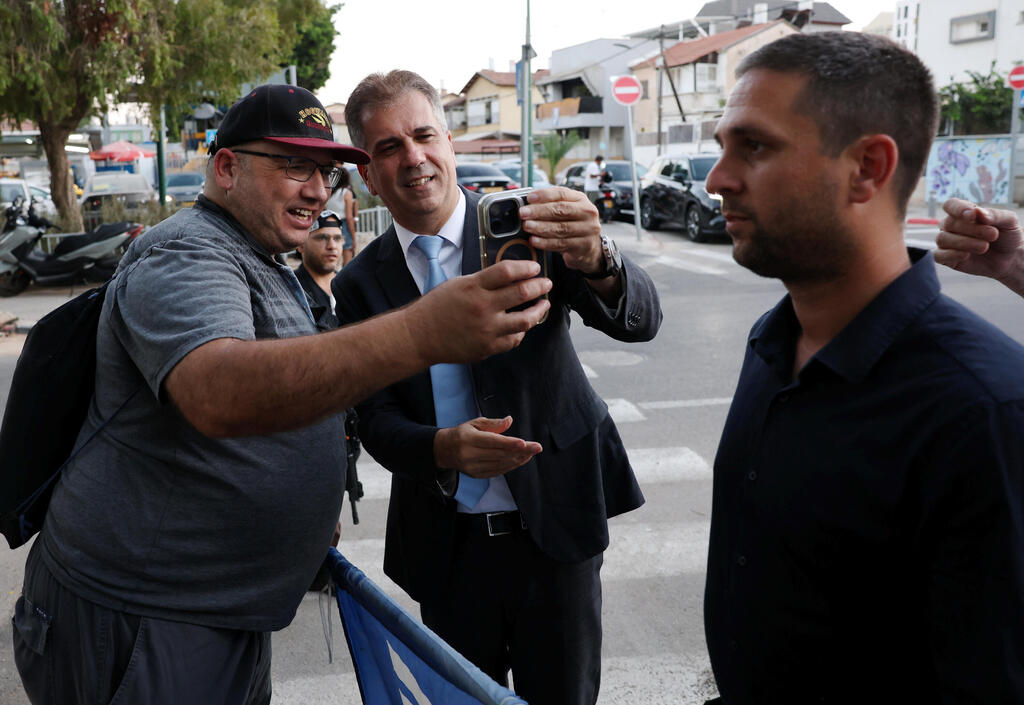
The candidates who finish in the top 16 in the nationwide vote are expected to receive realistic positions on the Likud slate, reaching roughly No. 26 after spots reserved for party chairman Benjamin Netanyahu and district representatives are factored in.
Transportation Minister Miri Regev remained the highest-ranked woman, in fourth place overall, while Tally Gotliv finished at No. 12, outside the top 10 but still within the 16 nationwide positions expected to translate into realistic places on the final slate.
At the lower end of the race, Economy Minister Nir Barkat edged out Minister Ze'ev Elkin in a battle for what appeared to be the final realistic slot. Gila Gamliel held the third women’s position ahead of Eti Atiya. Hanoch Milwidsky, Social Equality and Women's Empowerment Minister May Golan, Katy Shitrit, Ariel Kallner, Environmental Protection Minister Idit Silman, Agriculture Minister Avi Dichter and Nissim Vaturi remained outside the cutoff in the partial results.
The party said turnout reached 53.5%, with 75,177 members casting ballots at 501 polling stations across 107 locations. The figure was lower than some senior party officials had expected in a primary widely seen as especially consequential because of the limited number of realistic places available on the slate.
The results were transferred overnight to a party command center established at Bloomfield Stadium in Jaffa, where ballots were being manually checked and counted again. Final results were expected later Tuesday morning.
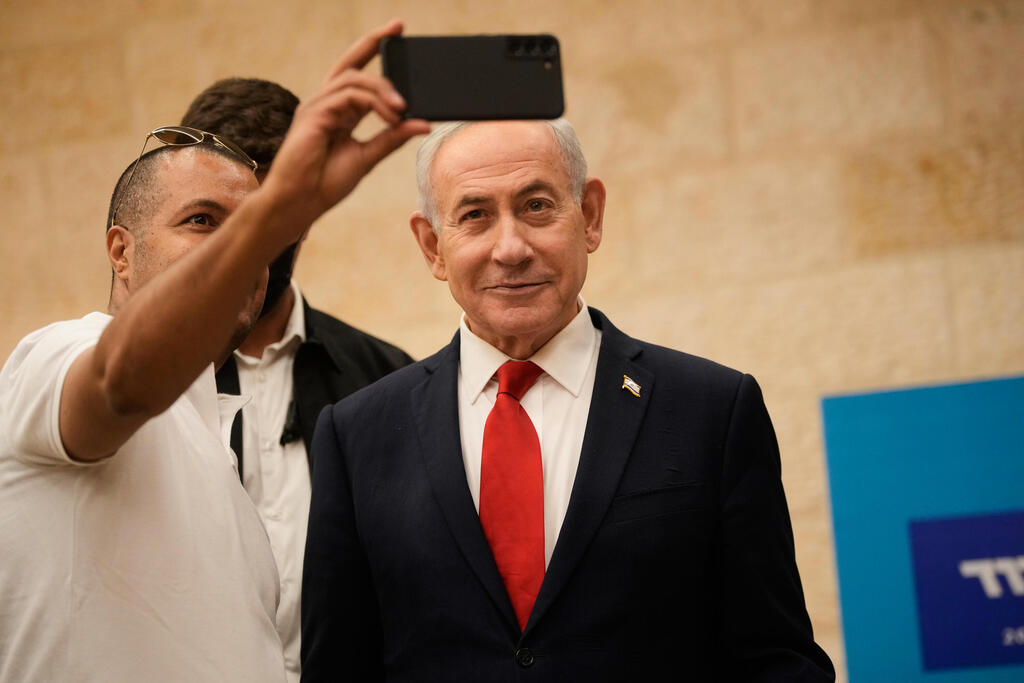
Prime Minister Benjamin Netanyahu votes in the Likud primaries
(Photo: AP Photo/Ohad Zwigenberg, Pool)
The primaries followed an intense day of campaigning in which ministers and lawmakers traveled between polling stations across the country, seeking to secure their political futures.
Likud lawmaker David Bitan, for example, set up his own campaign headquarters at a polling station in Rishon Lezion and circulated lists recommending 12 candidates as well as district representatives. In some cases, candidates backed by Bitan competed with those supported by Netanyahu.
Witnesses described heated arguments during the day after Bitan discovered that some political operatives were allegedly trying to remove his name from previously agreed voting deals.
Another major question centered on lawmaker Tally Gotliv. Both Netanyahu’s office and senior ministers were concerned about her strength in the primaries and sought to limit her rise, according to Likud officials.
Some in the party claimed Netanyahu and his allies preferred lower turnout because organized voting blocs and political deals become more influential when fewer unaffiliated members vote. Higher turnout, they argued, makes the final slate harder for party leaders to predict.
Regev also mounted an intensive campaign to retain her status as the highest-ranking woman on the list and remain near the top of the slate. She spent hours at the large polling station at Jerusalem’s International Convention Center, speaking with members and encouraging them to include her name on their ballots.
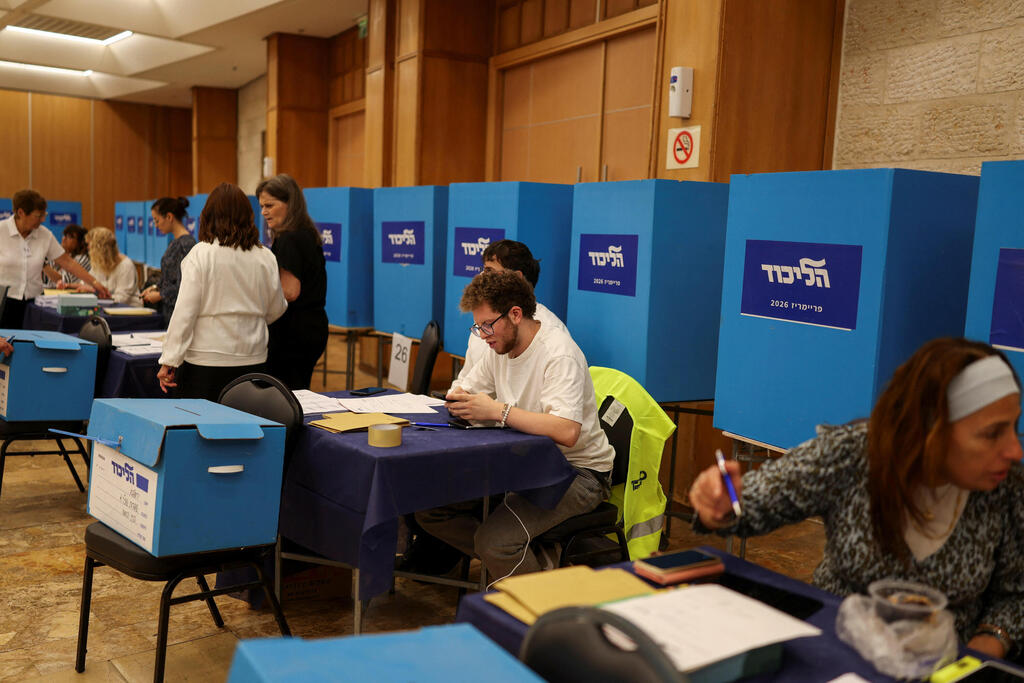
Likud primary polling station in Jerusalem
(Photo: ilia YEFIMOVICH / AFP)
The greatest concern was felt among lawmakers further down the current Likud list, where candidates knew that if serving ministers themselves were struggling to secure realistic positions, their own prospects were even slimmer.
The party had initially considered electronic voting but ultimately returned to manual ballots after consultations with cybersecurity officials raised concerns about possible foreign interference that could disrupt the result, Likud officials said.
Some party figures offered another explanation, arguing that manual voting gave Netanyahu greater control over the composition of the slate by strengthening organized blocs and major membership recruiters.
“With higher turnout, the gamble becomes bigger. You get a list that you don’t necessarily know what it will look like,” party officials said.
Voting closed at 9 p.m. Monday. Likud said the 53.5% turnout represented an increase of about 10% compared with the same voting hours in the previous primaries.
In the 2022 Likud primaries, voting was extended until 10 p.m., when overall turnout ultimately reached 58%, with 79,750 party members casting ballots.
First published: 05:57, 08.18.26