

From all the statements that emerged from the Arab-Islamic emergency summit in Qatar, the most striking were those of Egyptian President Abdel Fattah el-Sisi, who chose to address the people of Israel rather than its political leadership.
His message was sharp: “I speak to the people of Israel: what is happening now harms the future of peace, your security, the security of my people in the region and places obstacles before existing peace agreements (Jordan and Egypt) and future ones (other Gulf emirates, Saudi Arabia and larger, more distant Muslim nations).” Sisi is a seasoned leader, and every word of his should be taken seriously.
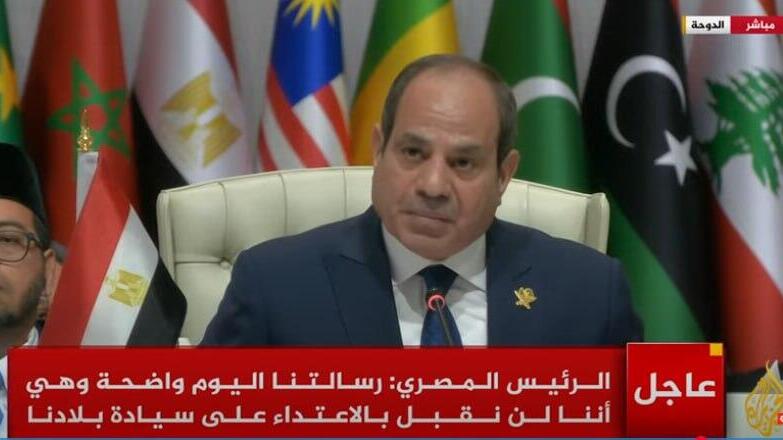
Ultimately, the emergency summit was heavy on speeches and venting, but light on decisions. Not even an attempt was made to forge an “Arab-Muslim union” against Israel. The divisions among participants proved stronger than their shared hostility toward Jerusalem.
Qatar clarified, even after the Israeli air force strike on its soil, that it has no intention of relinquishing its role, alongside Egypt, as a mediator between Israel and Hamas. Prime Minister Benjamin Netanyahu, for his part, had been ready to cut Doha out.
Qatar’s ruler, Sheikh Tamim bin Hamad Al Thani, reads the regional map with different priorities. Instead of speaking of Muslim solidarity, he emphasized Doha’s “excellent relations with the United States.”
U.S. President Donald Trump quickly responded, calling Qatar “a wonderful ally” and warning that “Israelis need to be more careful.” The implication seemed clear: if Israel is striking in Qatar, it must make sure to hit meaningful targets and not miss.
The strike coincided with the fifth anniversary of the Abraham Accords. The original signing ceremony had been striking—a Negev summit bringing together four Arab foreign ministers with then-Israeli foreign minister Yair Lapid.
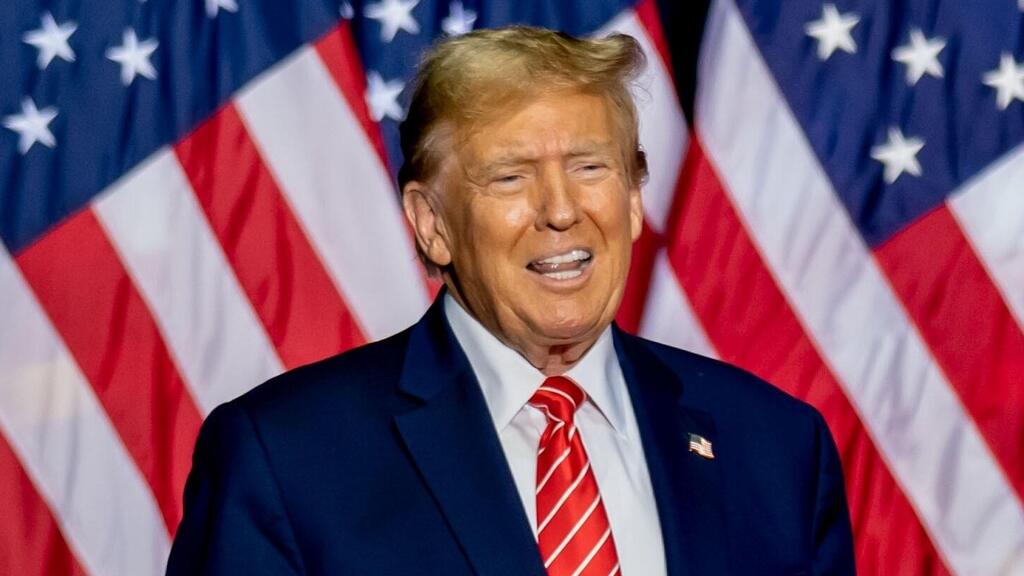
U.S. President Donald Trump
(Photo: Shutterstock)
What remains today is an Israeli ambassador in Bahrain, Abu Dhabi and Morocco, while Sudan has walked away. Above all, the substance has shrunk. In a different political climate, far more progress and economic agreements might have been possible.
Conversations with senior Arab officials repeatedly reveal the same point: the states that maintain ties with Israel, openly or covertly, have grown weary of Netanyahu. Without exception, they would prefer to see another Israeli prime minister, one more open to the Arab world.
A leader who would pick up the phone, consult, share, clarify, ask questions and—most of all—listen, even if in the end he chose his own path. Even Saudi Arabia, the central player in the new Arab order, has not abandoned the idea of moving closer to Israel.
Crown Prince Mohammed bin Salman has time and patience. After unsatisfactory dealings with Netanyahu, he is prepared to wait and see who succeeds him.
Meanwhile, even Israel’s contacts with Jordan and Egypt, its veteran peace partners, are dwindling. Ordinary Israelis no longer have a real foothold in either country, and traveling as a tourist in Petra or Alexandria is no longer a given.
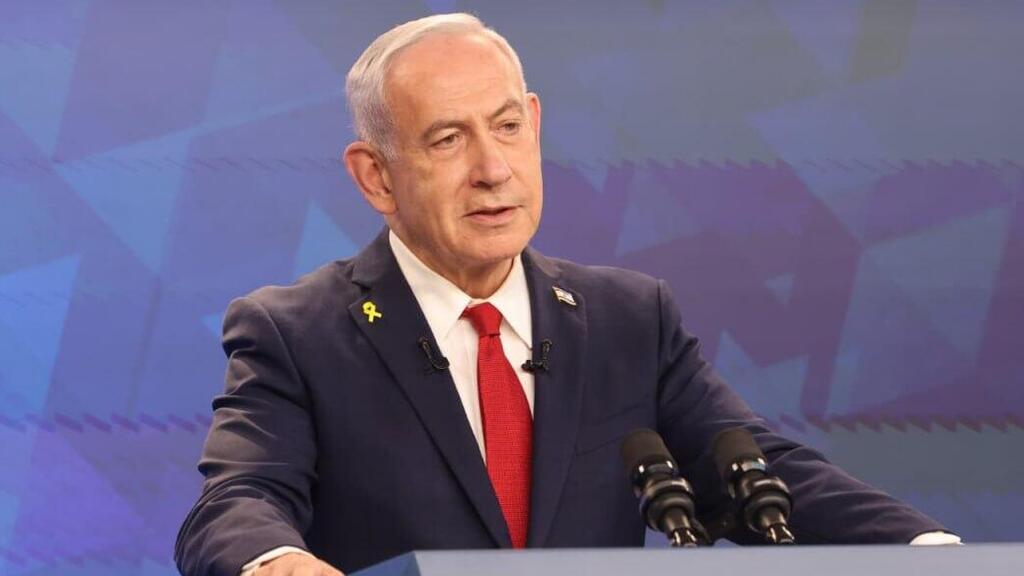
Prime Minister Benjamin Netanyahu
(Photo: Marc Israel Sellem/The Jerusalem Post)
And yet, the summit ended without dramatic declarations. Netanyahu can afford to be satisfied, though the opposition less so. There were no calls for war, but a clear sense of despair was present.
The summit offered a revealing snapshot of the participating states: most teeter on the edge of bankruptcy, some are torn between radical Islam and a younger generation demanding change, as in Iran, while others signal to Israel that a future for bilateral relations still exists.