


When policymakers speak about economic warfare, they often default to familiar terrain: oil sanctions, shipping interdictions, banking restrictions. Yet a quieter, more technical battlefield has emerged, one where power is exercised not through aircraft carriers but through code, compliance and chokepoints.
Cryptocurrency has become a crucial instrument for Iran to bypass sanctions, settle trade and move value across borders. Ironically, it has also created one of Iran’s most vulnerable economic exposures. Contrary to popular belief, crypto does not eliminate state power. It rearranges it.
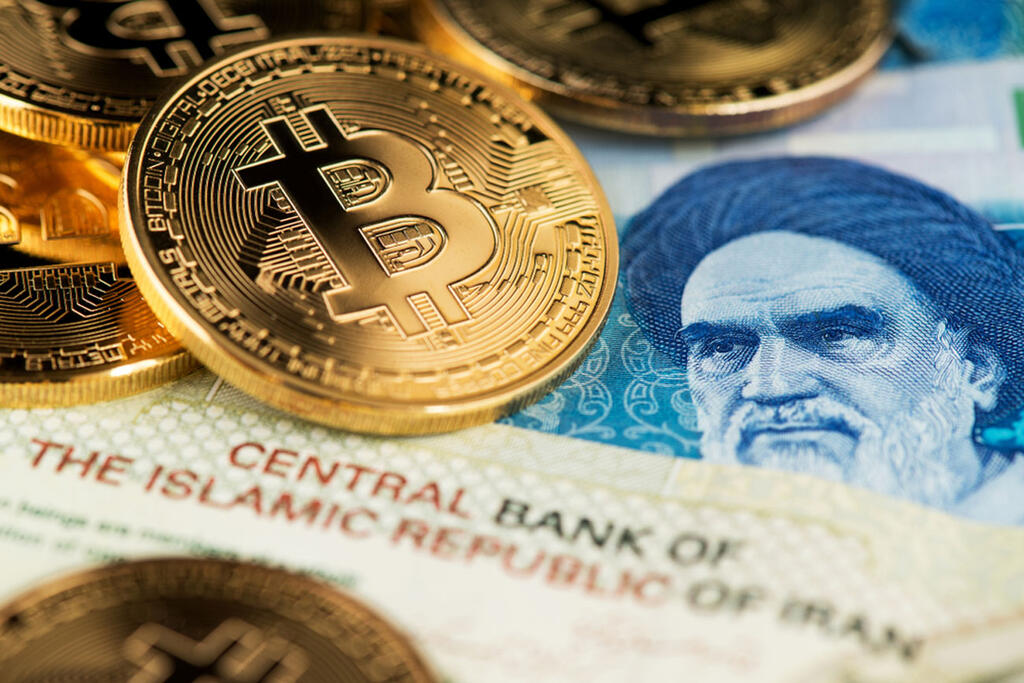
(Photo: Shutterstock)
Iran’s crypto ecosystem is not decentralized in the romantic sense imagined by early blockchain advocates. It is concentrated, intermediated and operationally dependent on centralized infrastructures. That dependence creates leverage. The United States, if it chooses to act decisively, already has the tools to seize or neutralize a significant share of Iranian crypto assets without escalating into kinetic conflict.
The first and most obvious pressure point is stablecoins. Iranian actors overwhelmingly rely on dollar-pegged stablecoins, especially USDT on the Tron network, to conduct cross-border transactions. These tokens are not neutral commodities. They are liabilities issued by centralized entities. Their issuers can freeze addresses, invalidate balances and comply with Treasury directives. When policymakers speak abstractly about sanctioning crypto, this is the fulcrum. Stablecoins are not outside the system. They are the system.
The second vulnerability lies in exchanges. Despite rhetoric about self-custody, the majority of Iranian crypto activity flows through centralized platforms, both domestic and offshore. Exchanges aggregate liquidity, custody assets and maintain identifiable control over wallets. They are legal entities with compliance obligations, banking relationships and regulatory exposure. When the United States targets exchanges rather than individuals, it shifts the burden of enforcement outward. Assets do not need to be hunted wallet by wallet. They are frozen in bulk.
A third, often overlooked dimension is jurisdictional spillover. Even when Iranian actors use foreign exchanges, they remain exposed to U.S. pressure through correspondent banking, dollar settlement, cloud infrastructure, insurance and executive liability. The modern crypto stack is global but not sovereign. Its critical dependencies remain Western. That is not an accident of history; it is a structural feature of financial globalization.
 Prof. Ilan Alon Photo: Courtesy
What about bitcoin itself, held in cold wallets? Here the limits of state power become real. Bitcoin without intermediaries cannot be frozen by decree. It can only be seized through key compromise, operational error or physical coercion. This is why states that understand crypto gravitate toward bitcoin for reserves and toward stablecoins for transactions. One is resilient but illiquid. The other is liquid but seizable.
This distinction matters for strategy. The goal of economic warfare is not symbolic confiscation but behavioral change. Freezing stablecoins and exchange balances does not destroy value in the abstract, but it destroys usability. Trade cannot settle. Salaries cannot be paid. Risk accumulates inside the system. Over time, actors adapt, but adaptation is costly and imperfect.
Critically, none of this requires new laws or dramatic declarations of war. The legal architecture already exists in sanctions regimes, anti-money laundering frameworks and issuer compliance mandates. What is required is coordination, clarity of intent and the recognition that crypto is no longer a fringe technology. It is financial infrastructure.
There is a broader lesson here, extending beyond Iran. States that rely on crypto to escape the international order often misunderstand where power resides. Decentralization at the protocol level does not imply decentralization at the system level. Liquidity, trust and convertibility remain concentrated. Those who control the gateways control the flows.
The future of economic statecraft will not be decided only in central banks or on oil fields. It will be decided in smart contracts, compliance offices and network design choices made years ago. The irony is that crypto, often portrayed as a tool of resistance, may prove to be one of the most precise instruments of modern financial coercion. In that sense, the silent front may be the most decisive one.
- Professor Ilan Alon is professor of Economics and Business at Ariel University (Israel) and the University of Agder (Norway)