

Iran’s central bank purchased over $500 million worth of the cryptocurrency USDT (Tether) during April and May, according to blockchain analytics firm Elliptic. The purchases were reportedly conducted using the United Arab Emirates’ currency, the dirham.
Elliptic noted that the true figure may be higher, as the analysis was limited to wallets strongly linked to Iran. According to Cointelegraph, the timing of the report aligns with Tehran’s efforts to slow the collapse of the rial, clear trade accounts and establish a sanctions-resistant financial layer beyond the reach of the United States.
USDT, or Tether, is a stablecoin—a type of cryptocurrency whose value is pegged to U.S. dollar reserves held by its issuer. These coins are less volatile than other cryptocurrencies. Elliptic found that most of the USDT was initially transferred to Nobitex, Iran’s largest crypto exchange.
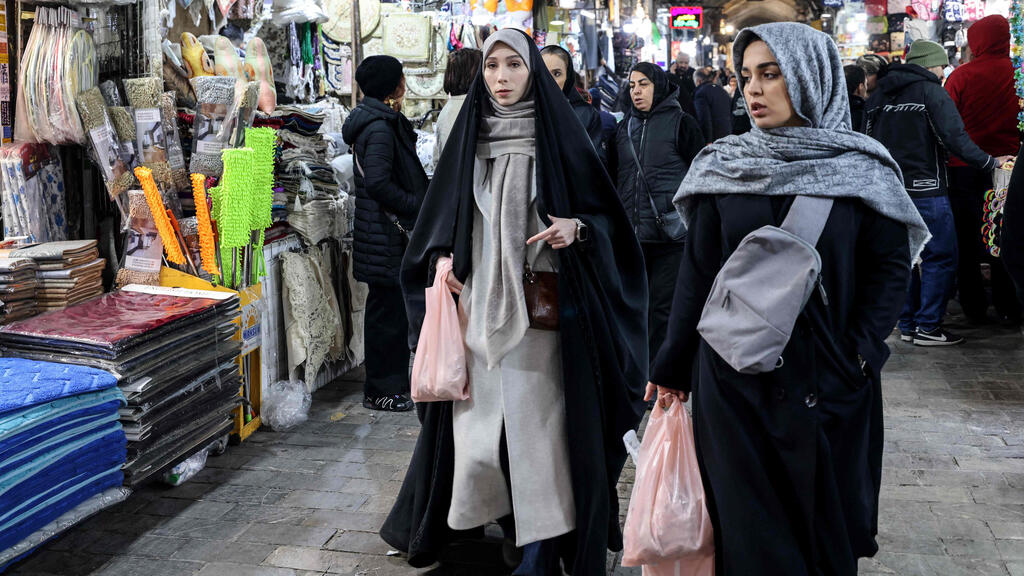
Integrating USDT into the country’s financial system allowed the central bank to provide Iranians with a tool that functions like digital cash but is publicly traceable via blockchain. Researchers also believe the bank purchased rials through the platform to stabilize its currency on the open market.
On June 18, 2025, a pro-Israel hacking group reportedly drained $90 million from Nobitex. Within hours, Iran’s USDT holdings were converted to other cryptocurrencies and routed through centralized and decentralized exchanges in a multi-chain laundering operation, Elliptic said.
Tether stated it has “zero tolerance for criminal use” of its tokens and works with U.S. Treasury sanctions guidance. That same week, Tether blacklisted wallets linked to Iran’s central bank and froze $37 million in USDT—though most associated wallets remained active.
Bitcoin
(Photo: Shutterstock)
Leaked documents reviewed by TokenPost showed that purchases were facilitated by Modex, a crypto brokerage reportedly willing to work with Iran, according to Elliptic co-founder Tom Robinson. Separately, Chainalysis estimated Iran’s crypto economy at $7.78 billion for 2025, citing widespread adoption of Bitcoin and stablecoins as hedges against inflation and currency scarcity.
Since the U.S. reimposed sanctions in 2018 under President Donald Trump, Iran has been largely cut off from global financial markets. The rial has lost about half its value in eight months. To counter this, Tehran has turned to digital dollars, according to Elliptic.
“Cryptocurrencies provide new ways to conduct business and trade,” said Iranian parliament speaker Mohammad Bagher Ghalibaf. “We want Iran to become a regional, even global, hub for blockchain and digital commerce.”