


In the early hours of the morning, the Israeli Air Force shattered the lingering illusion of the "Beirut Bubble." A precision strike tore through a residential building in Aisha Bekkar, a densely populated, predominantly Sunni neighborhood in the heart of central Lebanon. The target was not a rogue Hezbollah commander or an Iranian Revolutionary Guard Corps (IRGC) liaison. It was Al-Jama'ah Al-Islamiyah—the Lebanese branch of the Muslim Brotherhood.
This unprecedented strike marks a definitive, necessary shift in the 2026 war. It signals the total collapse of the unwritten rules that once allowed terrorist architects to live comfortably in the shadow of Western diplomatic hesitation.
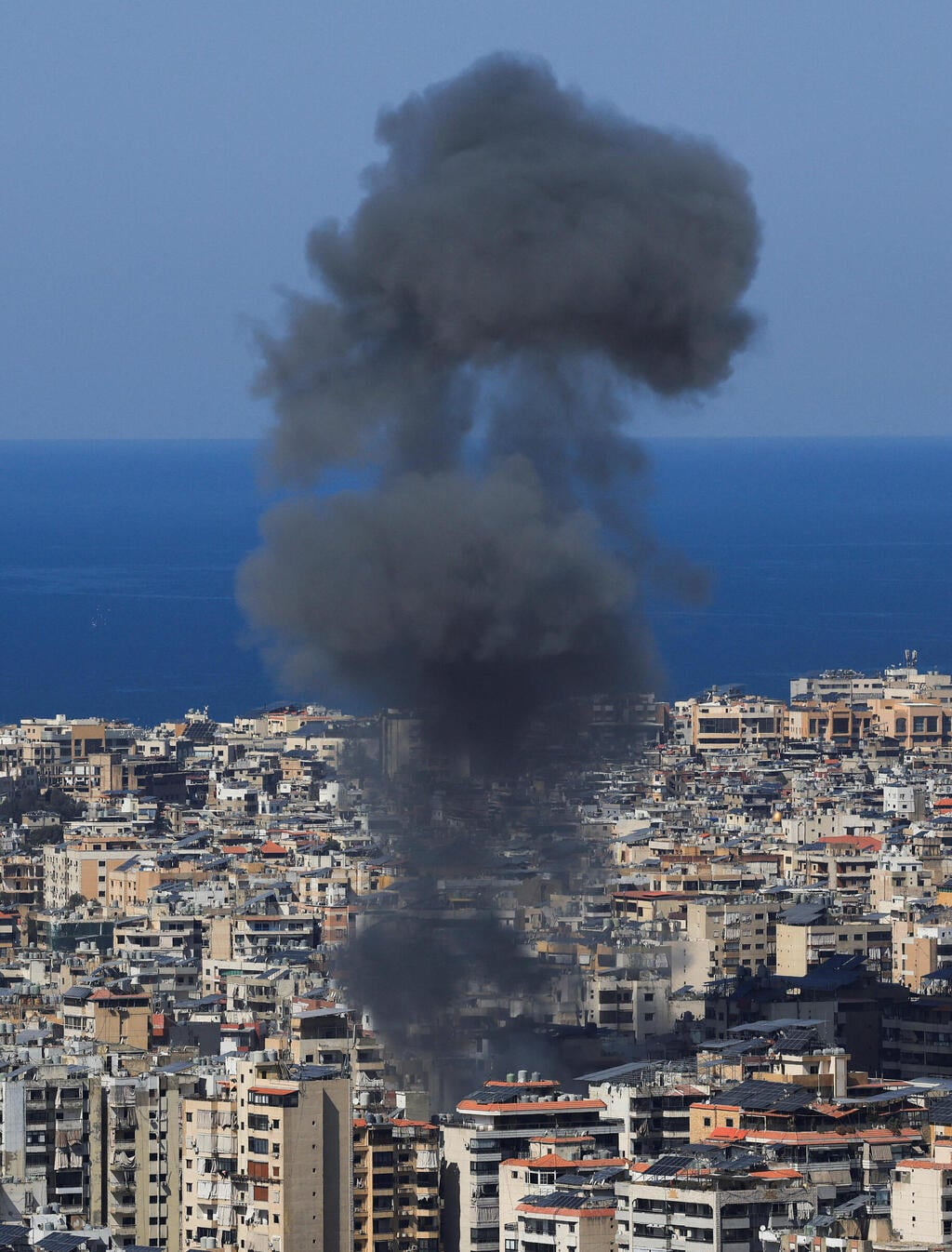
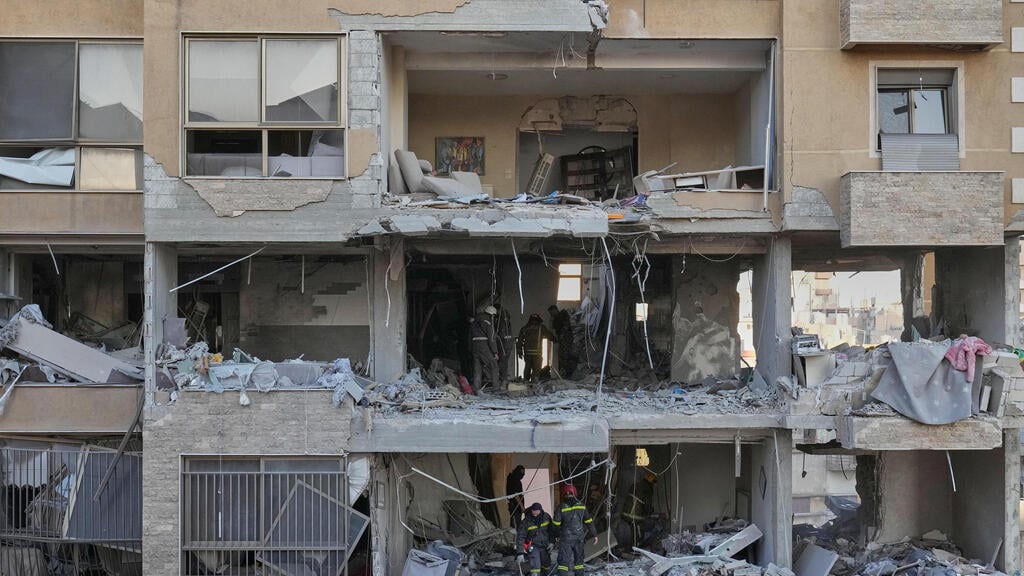
Destruction in Al-Jama'ah Al-Islamiyah building
(Photo: AP Photo/Hussein Malla)
The fiction of sovereign immunity
For decades, Lebanese "sovereignty" has been wielded not as a genuine national boundary, but as a convenient geopolitical shield for radical Islamists. The international community, desperate to prevent the complete unraveling of the Lebanese state, implicitly agreed to a bifurcated reality: Hezbollah’s strongholds in the Dahiya suburbs and the south were recognized conflict zones, while central Beirut was treated as a neutral haven.
But sovereignty is not merely a flag and a seat at the United Nations; it is the absolute monopoly on the use of force within one's borders. By allowing Al-Jama'ah Al-Islamiyah and other Hamas-adjuncts to coordinate military operations from downtown apartments, the Lebanese government forfeited its claim to immunity.
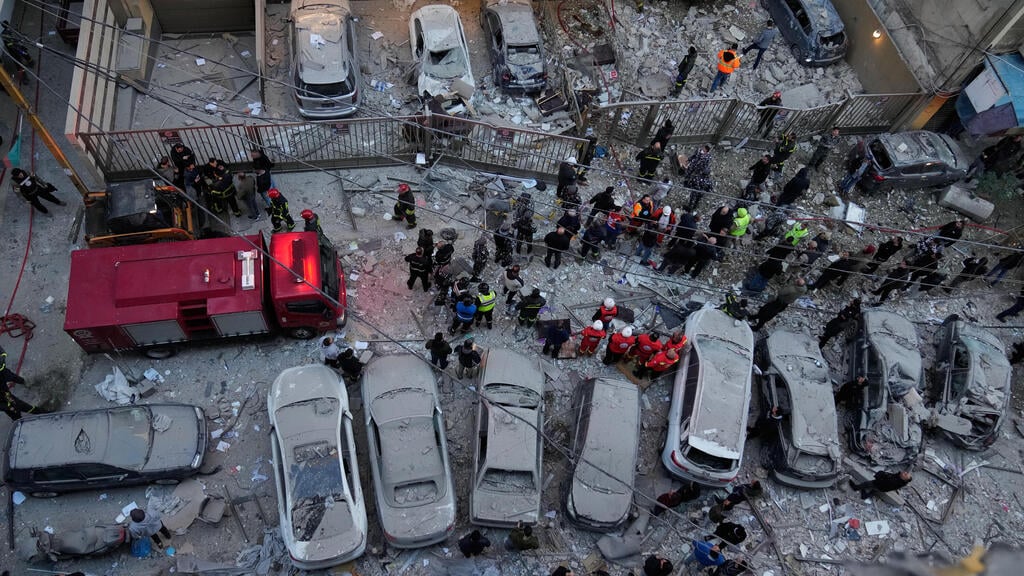
(Photo: AP Photo/Hussein Malla)
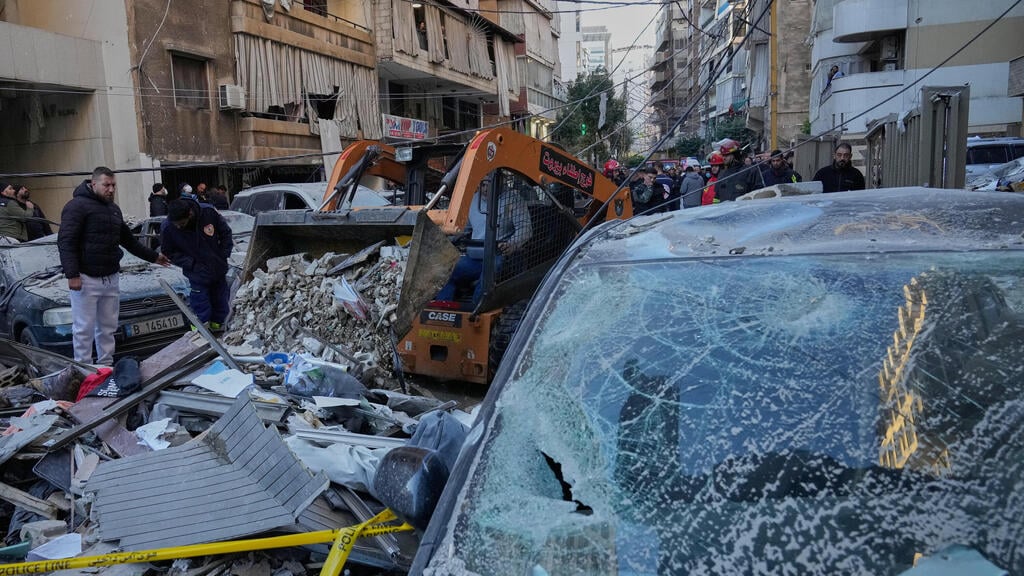
(Photo: AP Photo/Hussein Malla)
The Aisha Bekkar strike demonstrates that Israel will no longer respect the borders of a state that refuses to police its own territory. If Beirut hosts the architects of terror, Beirut becomes the frontline.
The irrelevance of the Shia-Sunni divide
Perhaps the most crucial revelation of the Aisha Bekkar operation is the death of the traditional Shia-Sunni paradigm in the context of the anti-Israel axis. Historically, the west has relied on sectarian divisions to predict regional alignments, assuming that a Sunni outfit like the Muslim Brotherhood would naturally clash with the Shia zealotry of the IRGC and Hezbollah.
The grim realities of the 2026 conflict have rendered this academic framework entirely obsolete. Under the unifying banner of destroying Israel, Al-Jama'ah Al-Islamiyah has seamlessly integrated into the Iranian-led "Axis of Resistance." They have become a vital operational adjunct to Hamas, sharing logistics, intelligence, and now, the lethal consequences.
Israel’s intelligence apparatus has adapted to this reality faster than Western diplomats. The message from the IAF is unambiguous: sectarian identity provides no diplomatic cover. If an organization operates as a proxy for Hamas or Iran, it is a legitimate military target, regardless of the mosque its operatives attend.
The victory evolution
The expansion of targets into central Beirut is not a reckless escalation; it is a necessary evolution of a victory strategy. The era of "mowing the grass"—managing the conflict through periodic, limited skirmishes—died on October 7, 2023, and was buried by the regional conflagration of early 2026.
Victory requires dismantling the entire terror ecosystem, root and branch. Leaving the Muslim Brotherhood untouched in Lebanon while fighting Hamas in Gaza and Hezbollah in the south would be a fatal strategic contradiction. The Muslim Brotherhood is the ideological wellspring from which modern Sunni jihadism flows.
Classifying the Brotherhood and its affiliates as the terror groups they are, and treating them accordingly on the battlefield, is essential. Israel is demonstrating that you cannot defeat the tentacles without severing the connective tissue that binds them. The surgical removal of Al-Jama'ah Al-Islamiyah operatives from a central Beirut apartment is the physical manifestation of this moral clarity.
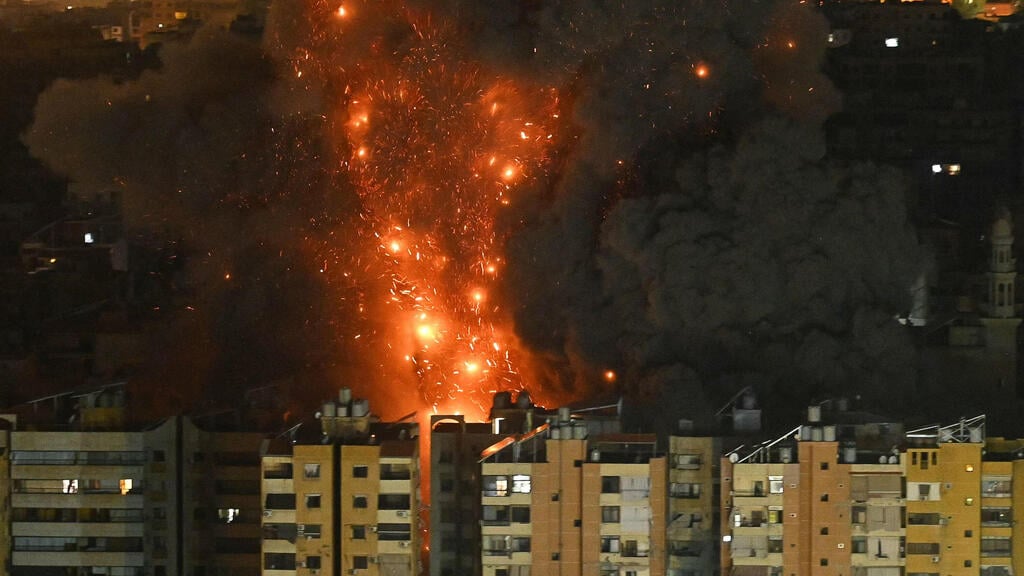
(Photo: Fadel Itani/AFP)
Erasing the old red lines
The strike in Aisha Bekkar is a stark warning to the region: the old red lines have been erased by the very actors who exploited them. The Muslim Brotherhood can no longer lease safe spaces in "neutral" capitals, and the international community can no longer pretend that Lebanese sovereignty exists in anything but name.
As the war of 2026 permanently redefines the Middle East, the strategic clarity emerging from Israel is bracing. The enemies of stability have united across sectarian lines to ensure survival; it is time the free world unites in its resolve to dismantle them, wherever they hide.
Amine Ayoub, a fellow at the Middle East Forum, is a policy analyst and writer based in Morocco. Follow him on X: @amineayoubx