

Shavuot is identified more than anything with the color white: pure, clean and full of light. For years, just like the holiday itself, white was almost the default choice in the Israeli home: white walls, bright kitchens, minimalist spaces and a desire to create a sense of order, cleanliness and simplicity. But in the design world of recent years, white no longer looks the same.
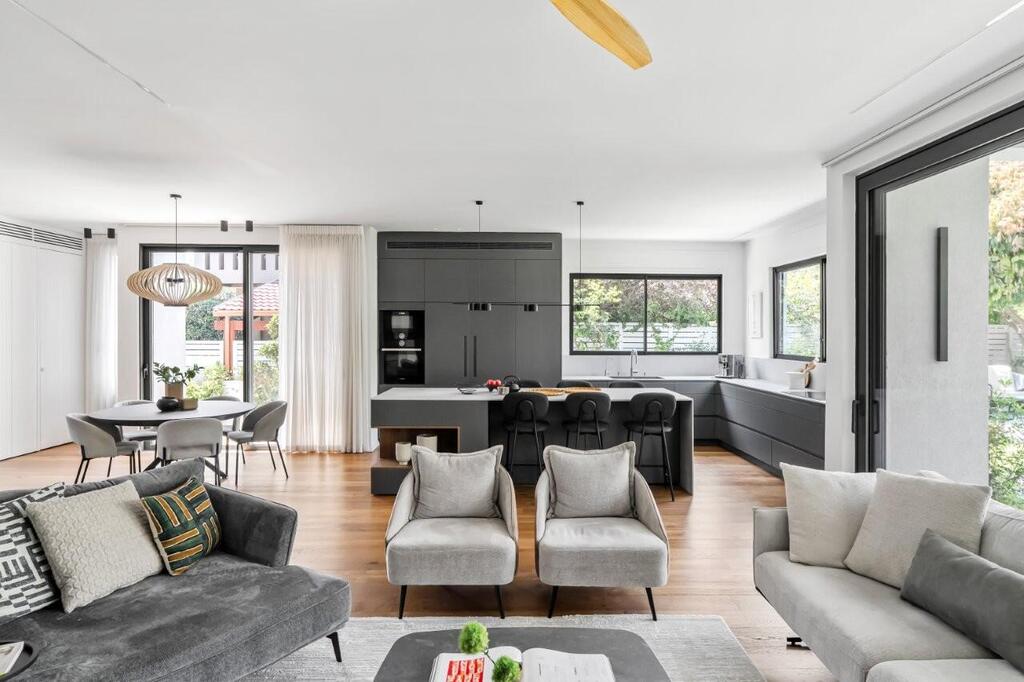
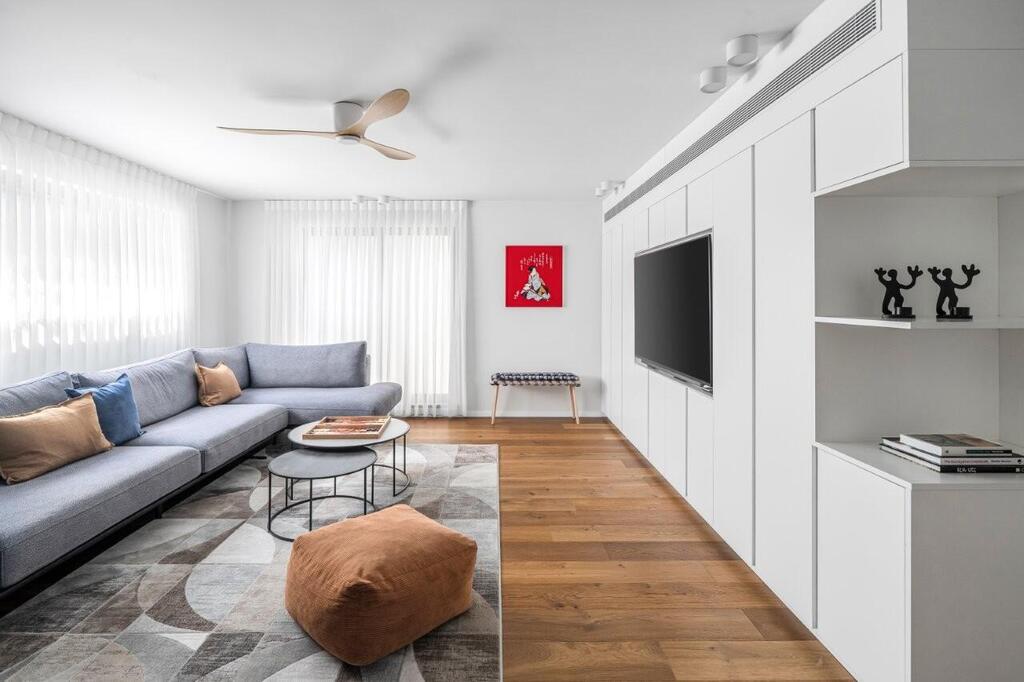
If white once symbolized an almost sterile minimalism, today it is being given a new interpretation: softer, more natural and full of layers. More and more homes are combining white with warm shades such as sand, stone, cream and Sahara tones, along with natural materials and rich textures that bring depth and character into the space.
(Photo: Maor Moyal)
“White is still present in almost every project, but the way it is used has changed completely,” says interior designer Hadas Roth of Halel Architecture. “In the past, people would ask for a ‘white home.’ Today, they are looking for a home that feels brighter, calmer and more natural. White is no longer the sole focus; it works together with materials, light and textures.”
According to Roth, the change is also tied to the way the idea of home has shifted in recent years. “The home has become a place where we live much more fully. We work from it, host in it and spend long hours there with family. That is why people are looking for spaces that feel more pleasant, embracing and real, and less like taken out of a catalog.”
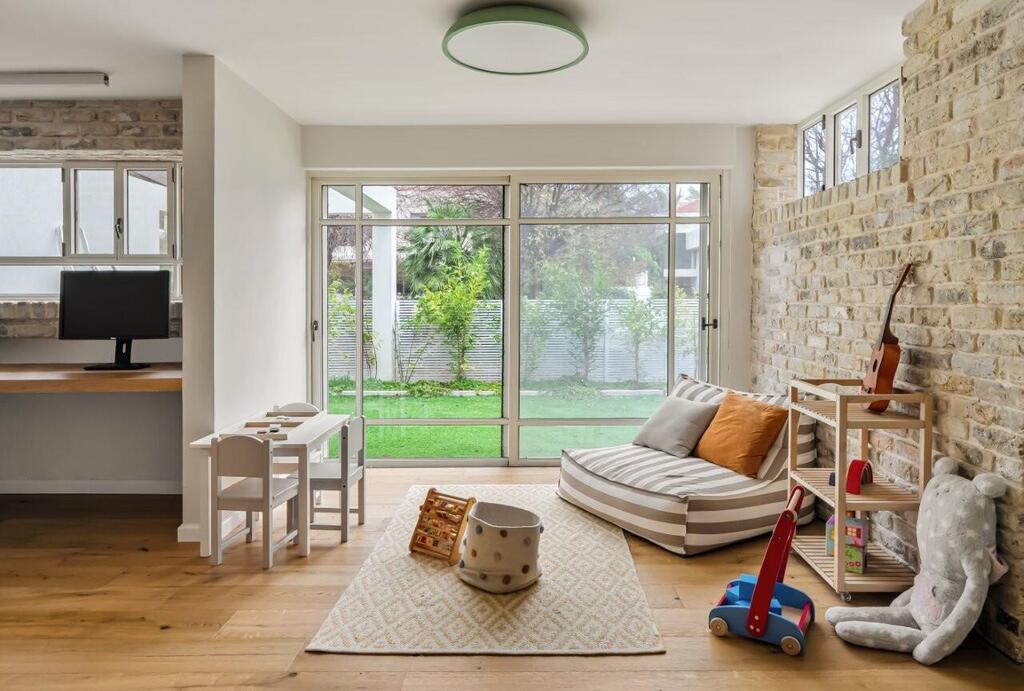
Warm shades and natural material
(Photo: Maor Moyal)
Halel architecture
(Photo: Maor Moyal)
One of the clearest expressions of this trend is the shift toward "broken", off-white shades that are not pure white but include touches of sand, gray, cream or natural stone. “Very clean white can sometimes feel cold or flat,” Roth explains. “When you bring in a warmer shade, the space remains bright and light but gains softness and depth. It is a small change that makes a huge difference in how the space feels.”
The materials surrounding white have also changed. In the past, white was often paired mainly with smooth, glossy surfaces. Today, it more often meets natural wood, stone, linen, mineral plaster and iron in natural finishes.
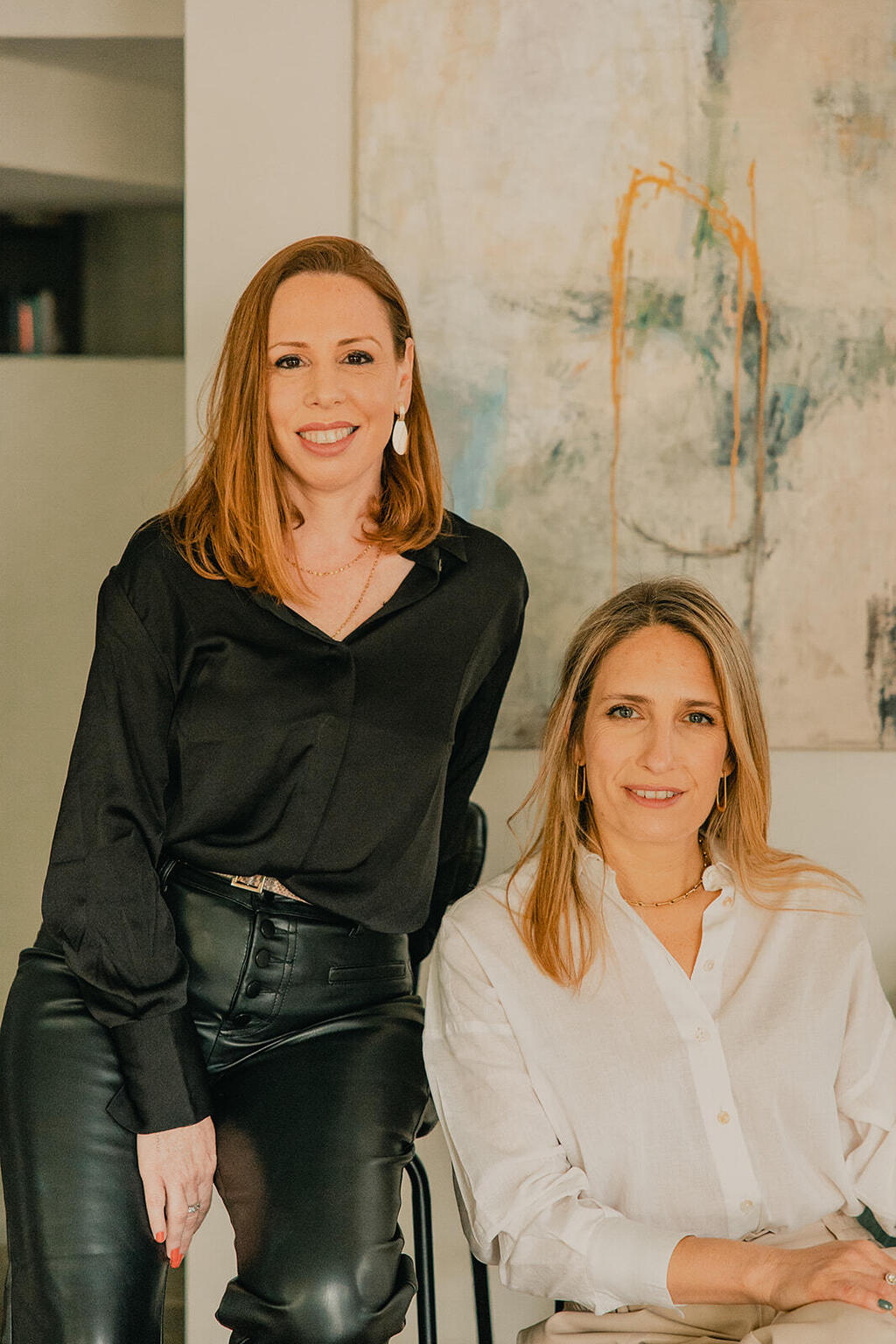
Hadas Roth (left) and Shira Muskal of Halel architecture
(Photo: Tal Alkabes)
“People want to see and feel the material,” says architect Shira Muskal of Halel Architecture. “There is a search today for authenticity: natural textures, less perfect finishes and spaces that feel alive. White becomes the background that allows all these materials to come through.”
According to Muskal, light also plays a major role in the way white is perceived at home. “White is a color that is dramatically affected by its surroundings, by the direction of the sun, the time of day and the materials around it. That is why we treat it almost like an architectural material in its own right, not just as paint on a wall.”
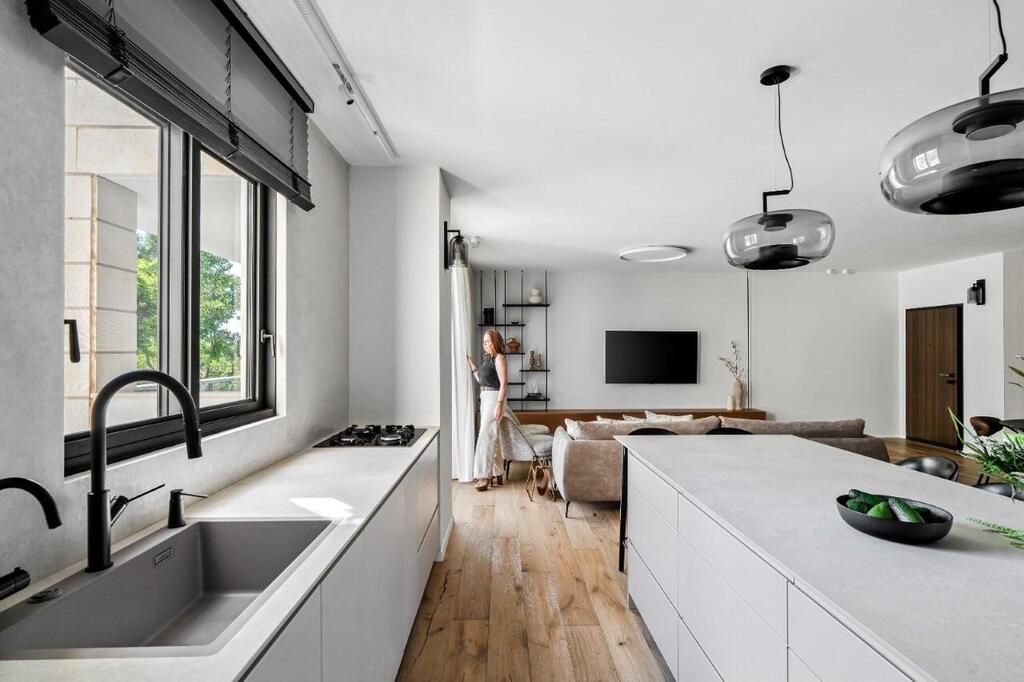
Color of kitchen is also changing
(Photo: Maor Moyal)
The trend is especially noticeable in Israeli homes, where natural light is strong and dominant for most of the year. “In Israel, the light is very intense,” Muskal explains. “A white that is too cold can look blinding in the local sun, so warmer shades often work better and feel easier on the eye.”
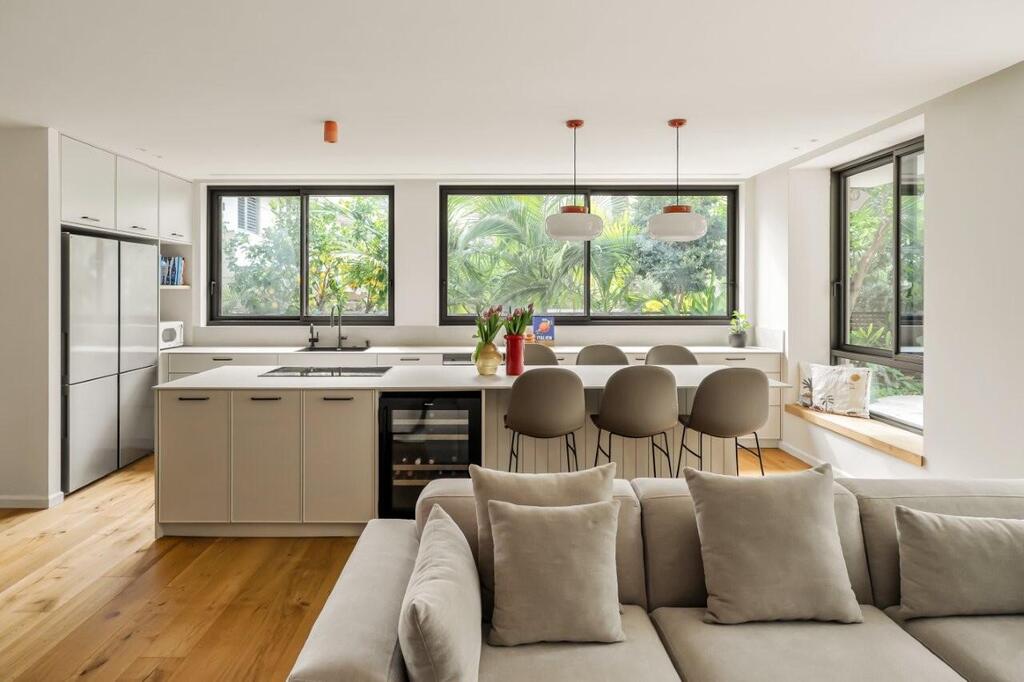
Kitchens, too, which were once almost automatically associated with glossy white fronts, are changing. Today, more kitchens are appearing in shades of sand, cream, greige or natural wood, giving the space a softer and more homey feel.
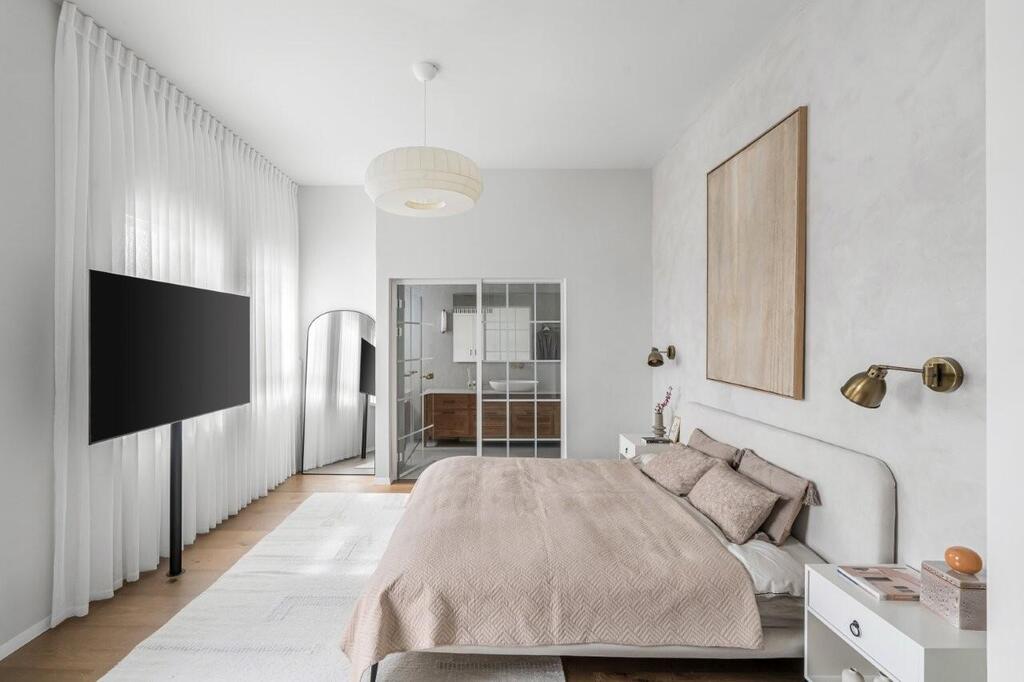
When used correctly, it can create a home that feels calm and and full of character”
(Photo: Maor Moyal)
“People still want brightness and cleanliness,” Roth says, “but they are no longer looking for the sterile feeling that was very fashionable in the past. There is a desire for a home that looks elegant but also feels alive and pleasant.”
Shavuot, a holiday so closely associated with white, captures this shift particularly well. The white of the holiday no longer appears alone; it blends with green, earth tones, natural materials and a sense of abundance and connection to nature. The same is true of the modern home: white remains an important foundation, but it is no longer the only element that defines the space.
“White has not disappeared; it has simply matured,” Muskal concludes. “It has evolved from a one-dimensional shade into an entire language of tones, light and material. When used correctly, it can create a home that feels timeless, calm and bright, but also warm, personal and full of character.”