


In today’s compact apartments, every inch counts. To make the space both comfortable and pleasant, every detail matters: the furniture must be scaled to fit, the color palette and materials should evoke a sense of space, and the design must balance function with visual appeal.
Designing a small apartment is a challenge of creativity and precision, from choosing the right appliances to arranging rooms so they work in harmony. Interior designer Pazit Winer shares practical tips to help turn even a modest apartment into a smart, stylish and welcoming home.

Color and continuity
“The first step is choosing a color palette and sticking to it throughout the apartment to create a cohesive look and a unified design,” says Winer. In small apartments, it’s best to go with lighter shades, which help make the space feel airy and expansive.
She also advises maintaining consistency in flooring, whether parquet or tile, because switching materials between rooms can make the space feel cluttered and even smaller. If you have a balcony, extend the same flooring there as well.

Cloud Dancer color of 2026 year, off-white
(Photo: Valiantsin Suprunovich/Shutterstock)
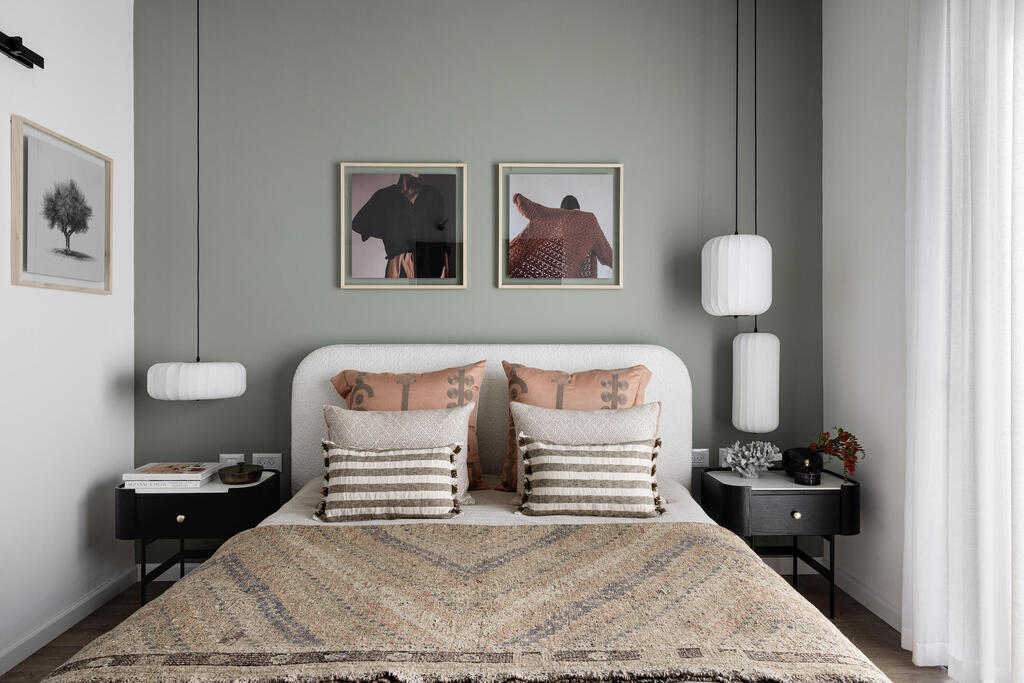
A single wall in a deep color adds depth
(Photo: Itay Benit)
“Light colors open up a space and create a sense of airiness, but don’t be afraid of contrast,” says interior designer Liat Kedem-Haddad of Studio Tola. “A single wall in a deep color, like midnight blue, forest green or yellow, adds depth and can actually make the space feel larger.
"The interplay between light and dark tones, paired with warm lighting, gives even a small apartment a layered, spacious feel. In short: don’t fear color; use it wisely, and it’ll do most of the work for you."
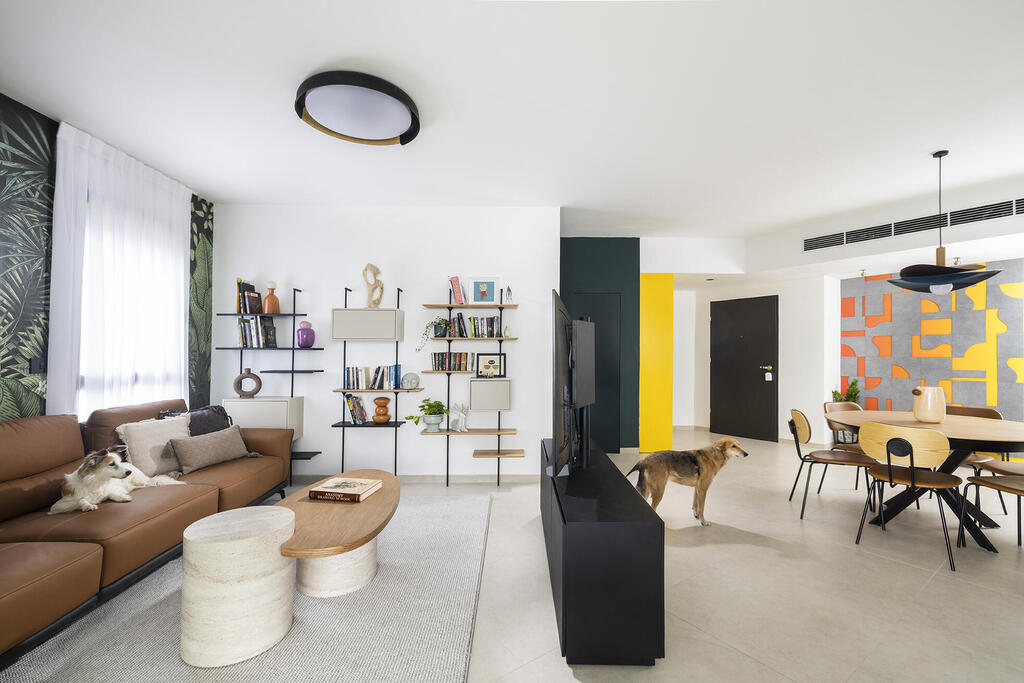
Light tones with touches of color create a warm, inviting atmosphere
(Photo: Idan Goor)
Layered textiles
Rugs can warm up a room while complementing your chosen palette. “A rug adds a cozy, homelike feeling,” says Winer. “In a space filled with concrete and white walls, it brings in warmth and intimacy. And in general, playing with textiles and textures, along with greenery, can provide visual anchors and layered design."

Floor-to-ceiling curtains give the illusion of height
(Photo: Patrick Tobol)
Ella Shlomov, house designer at ELLA DECOR, adds: “Floor-to-ceiling curtains give the illusion of height, large rugs define spaces and add warmth, and pillows or blankets in various textures add character without taking up space. Choose soft, flowing fabrics in calm hues, and even the smallest apartment can feel rich, cozy and inviting."
Multi-functional design
Compact living calls for multi-functional solutions. “In these apartments, the goal is to get the most out of the least,” says Winer. “The kitchen and main living area, often a shared space, deserve special attention. Consider: sleeper sofas, a kitchen island that serves as both a work surface and a dining table, one that folds away into a console or small table. These solutions can save a lot of room."
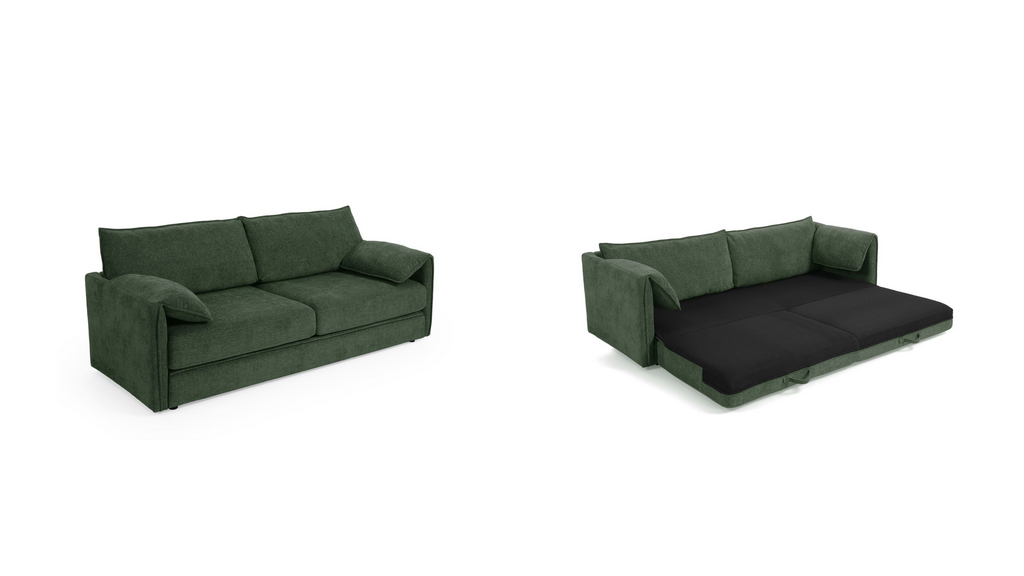
The ROMANCE sofa bed is suitable for both everyday use and hosting guests
(Photo: Kaufman Group)
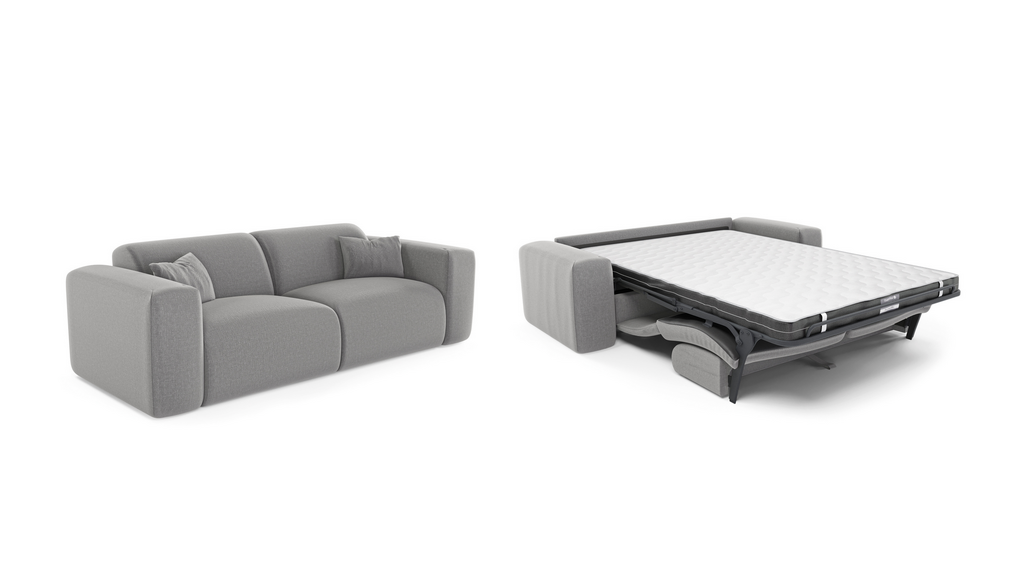
The EVENT sofa easily converts into a bed
(Photo: Kaufman Group)
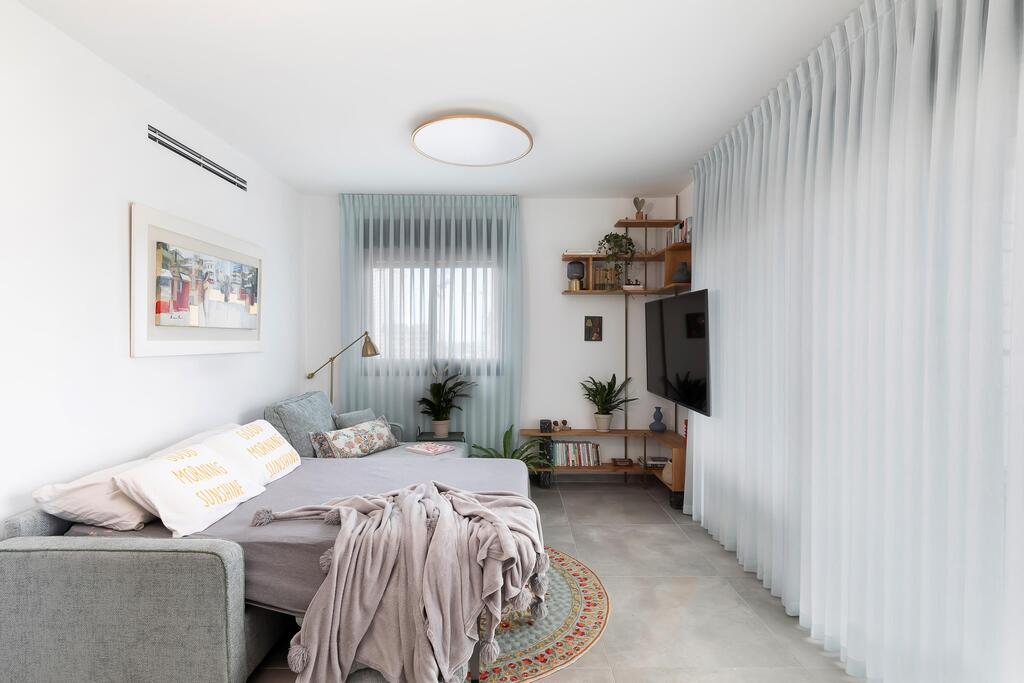
A small apartment with a sofa that opens into a guest bed
(Photo: Merav Felberg)
Appliances should also match the scale of the space. “People tend to choose appliances based on performance or brand, but overlook how much space they have,” Winer explains. “For example, an LG washing machine with a 19 kg capacity has standard dimensions but offers significantly more uses per cycle. That means fewer laundry piles.
Likewise, a fridge with a built-in water and ice dispenser frees up countertop space. Adding a garbage disposal lets you use a smaller trash bin. As for furniture, go multifunctional: beds with built-in storage, mobile TVs like StanByME, workspaces tucked into bedroom niches, even foldaway ones, can all make a big difference. The trick is to pick items that serve more than one role, helping preserve a sense of openness."
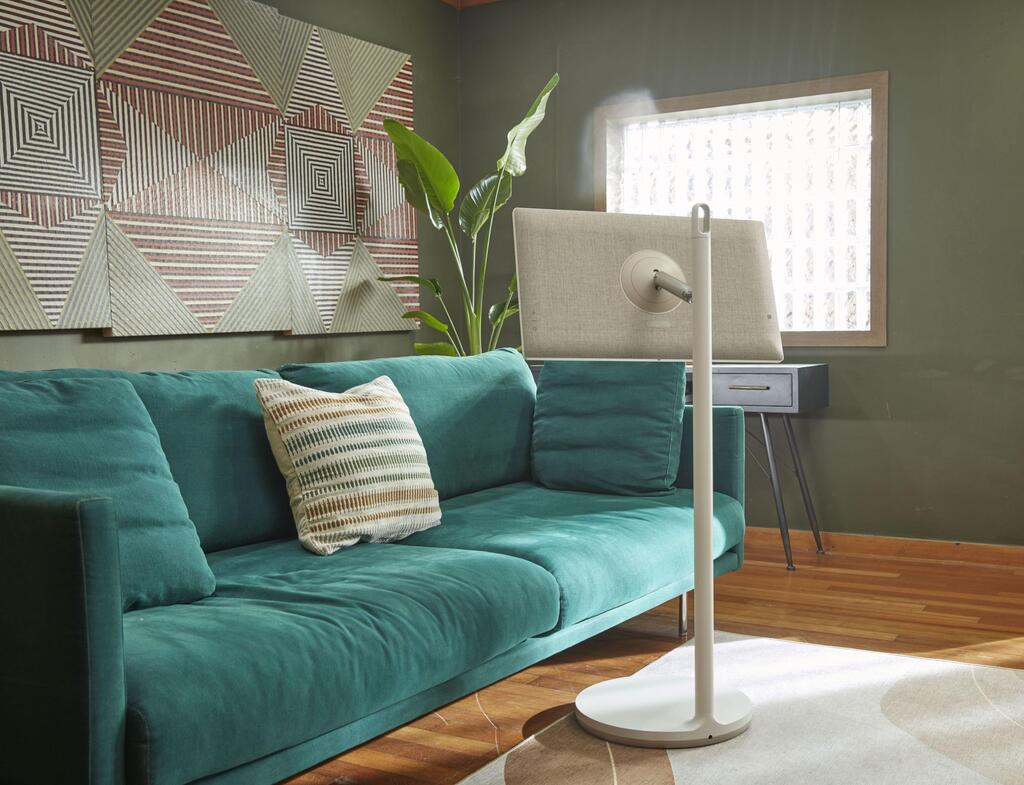
StanbyME mobile thin TV
(Courtesy of LG)
Make a statement
“Think big, even in a small space,” says interior designer Michael Ohayon. “It’s not about how much furniture you have, but about the sense of spaciousness. Choose a few standout pieces, such as a dramatic light fixture, a special rug, a curved sofa or an oversized mirror, and let them take center stage. Better to go for fewer, bolder choices than many unremarkable ones.
Even a tiny apartment can be designed like a Parisian boutique studio. Good style shines brightest in the right proportions, no matter the apartment size."

Wow effect in a small space
(Photo: Elad Gonen)
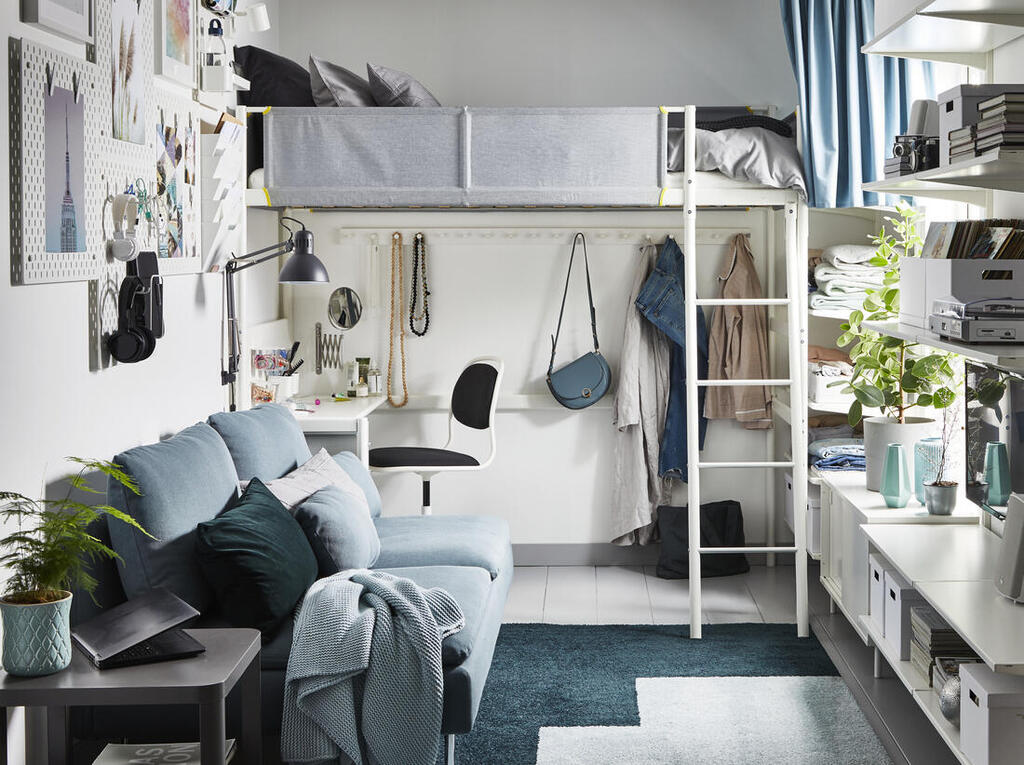
Maximize vertical space. VITVAL loft bed, which includes a built-in desk underneath
(Photo: IKEA)
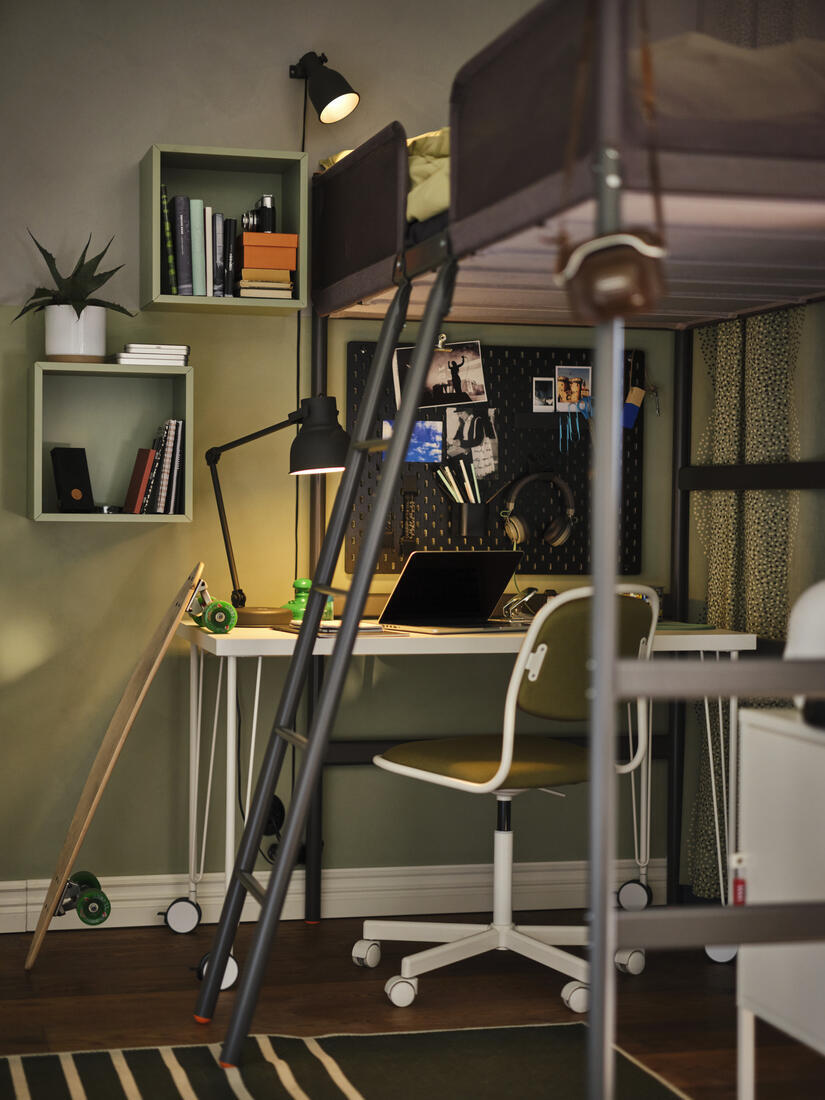
Save valuable space in a small room. TUFFING loft bed
(Photo: IKEA)
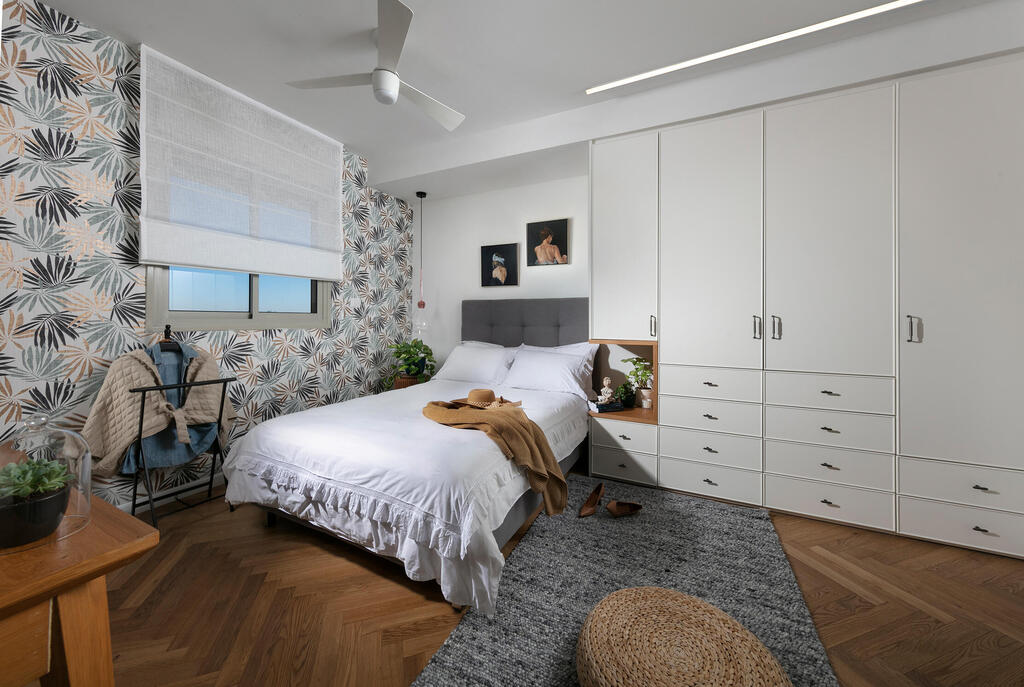
Floor-to-ceiling closet
(Photo: Elad Gonen)
Go vertical
Make the most of your apartment’s height by thinking vertically. “In small apartments, every meter matters, so it’s important to maximize storage all the way up,” says Winer. “Plan closets from floor to ceiling to keep the space clean and dust-free, without wasting the area between the top of the cabinet and the ceiling."
Appliances can also be part of this vertical approach. “For example, dryers are often stacked on top of washing machines. More advanced solutions like WashTower, an all-in-one stacked washer and dryer can save space, prevent the dryer from shifting during use, and offer both safety and aesthetic appeal."
Furniture can follow the same logic: loft beds with space underneath for a sofa, an extra bed or a study area, or bunk beds for younger children who share a room, freeing up space for play.
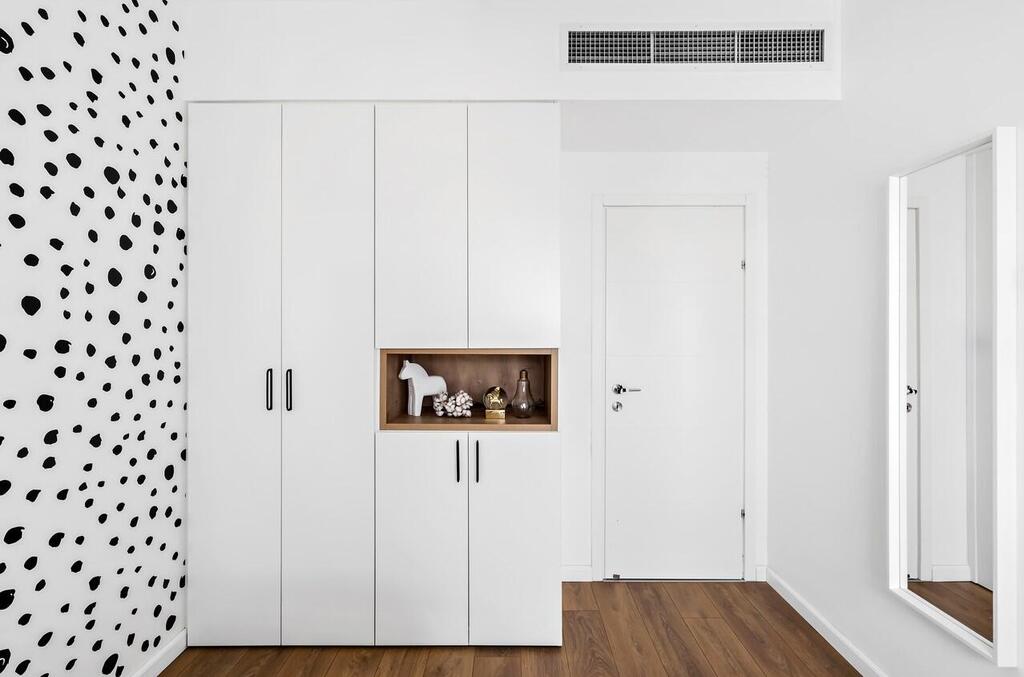
Floor-to-ceiling closet
(Photo: Maor Moyal)
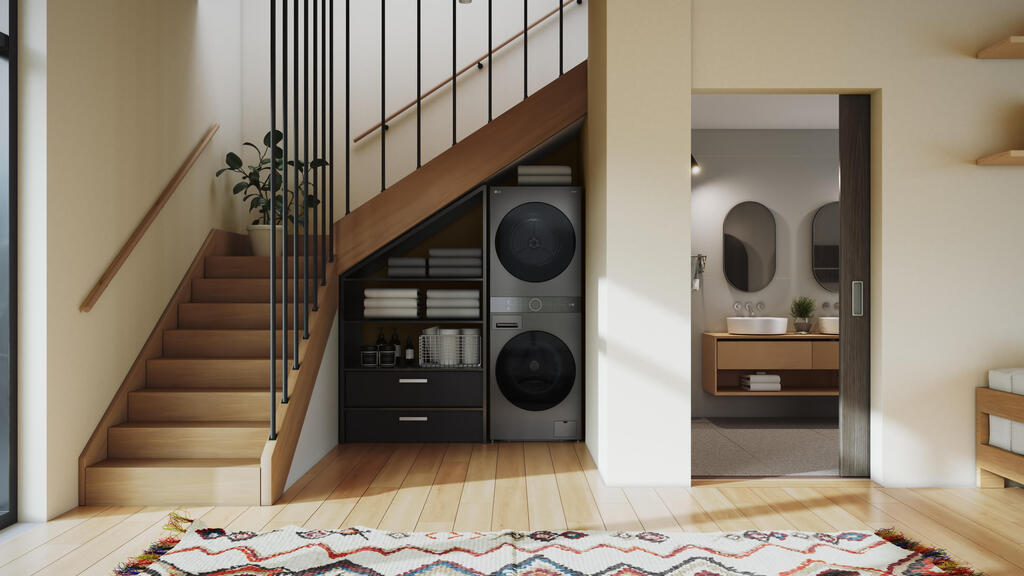
Make use of every available space. WashTower, a combined washer and dryer unit
(Photo: Courtesy of LG)
Smart lighting
“Lighting has the power to transform the feel of a space, so it’s crucial to get it right in a small apartment,” Winer explains. Start with adaptable lighting that offers multiple modes: dramatic, romantic, or full illumination, all in one single fixture.
When it comes to light fittings, it’s best to choose clean, flush-mounted fixtures that won’t make the space feel smaller. To add a stylish touch, go for one standout lighting piece, ideally positioned over the dining area. “This kind of lighting offers both function and atmosphere, allowing for a cozy, flexible vibe", Winer says.
Wall-mounted, shelves or even floor lamps can also help set the mood while visually expanding the space.
Declutter and storage
No way around it: decluttering is essential. “In small homes, even a little mess feels overwhelming,” says Winer. “Every item needs a designated place - keys, chargers, spare change, vacuum, blankets, school bags, shoes, you name it.
"Furniture must be custom-fitted to the space. “You need a skilled carpenter,” she says. “Custom cabinetry can hide everything, from air conditioners and vacuum cleaners to mops and even the washing machine, keeping things organized, clean and easy to use."
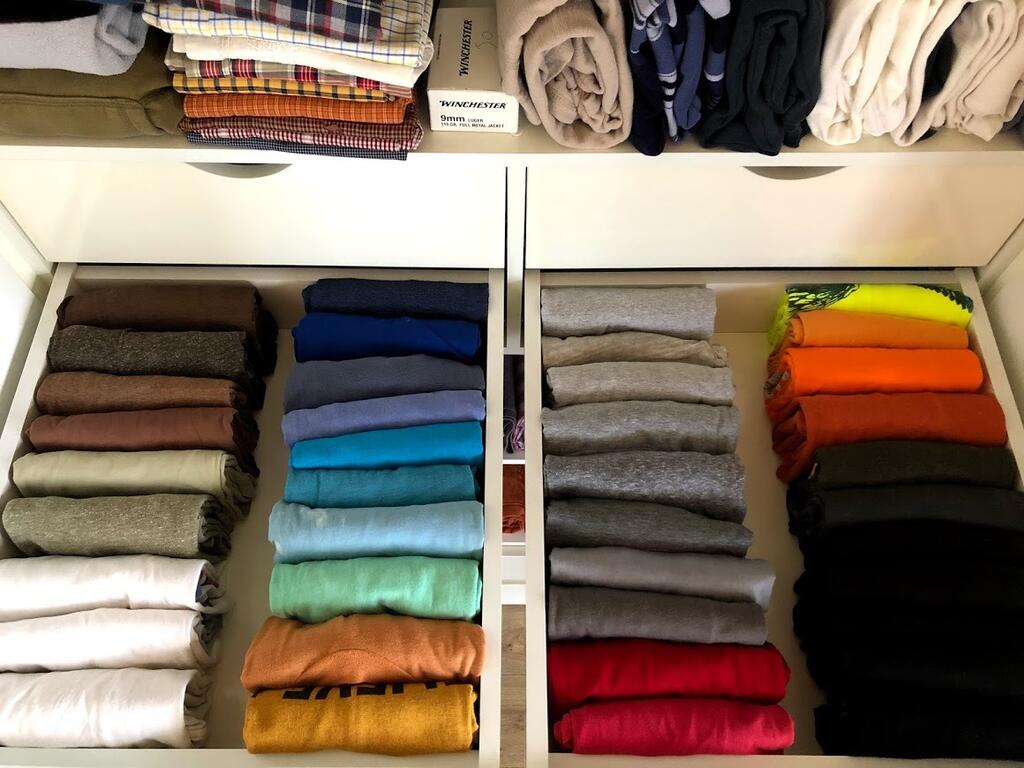
Closet organization is a critical element when space is limited
(Photo: Orly Haber)
Use glass
Glass partitions are a smart way to divide space without closing it off. They’re typically slimmer than drywall and maintain a sense of openness and light. Glass can separate a home office or playroom, or allow natural light to filter in from utility spaces.
In the living room, consider leaving the glass doors or display windows free of furniture to maintain a sense of openness and flow.
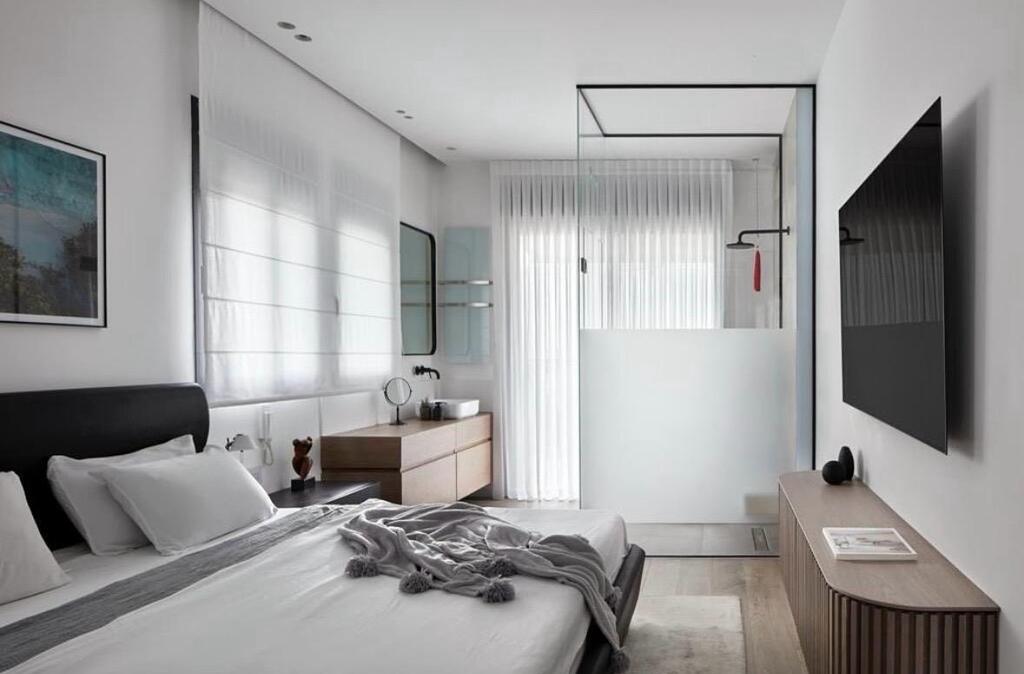
Using glass and transparency helps create a sense of space
(Photo: Shai Gil)
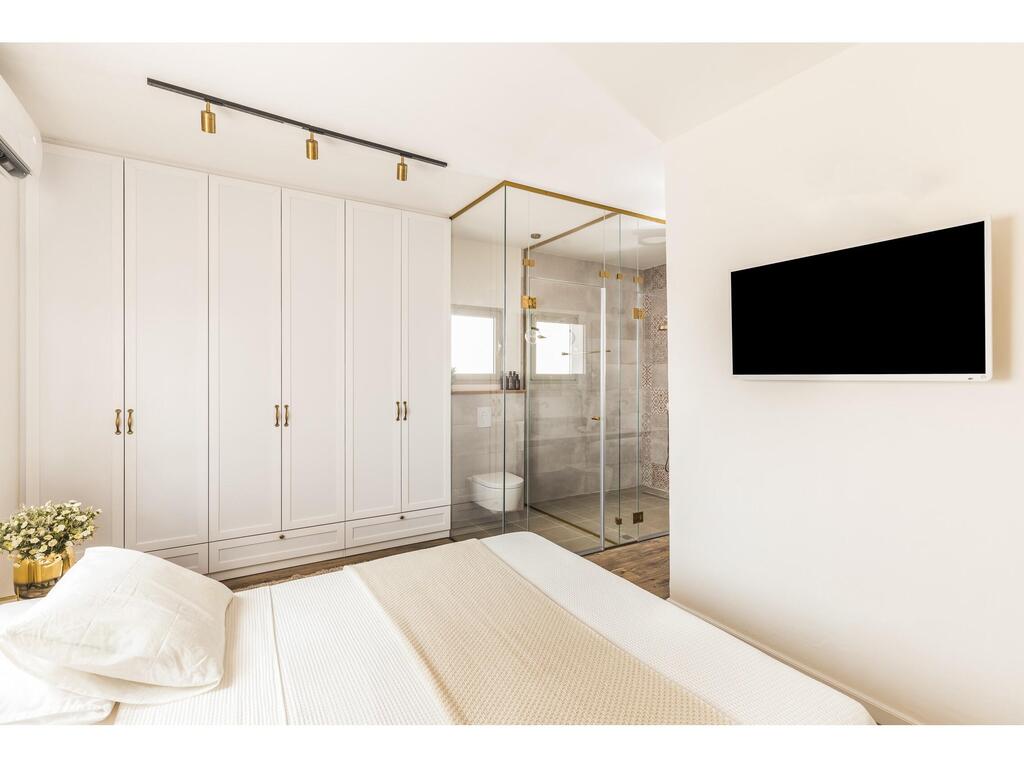
Incorporating glass into a small room
(Photo: Einat Dekel)
Make use of every nook
Have a “dead” space under the stairs, in a hallway, service area or beneath the bed? Turn it into storage. But not with messy piles; use cabinets, boxes, drawers and organizers. “The more segmented and categorized your storage, the more accessible and efficient it becomes,” Winer advises.
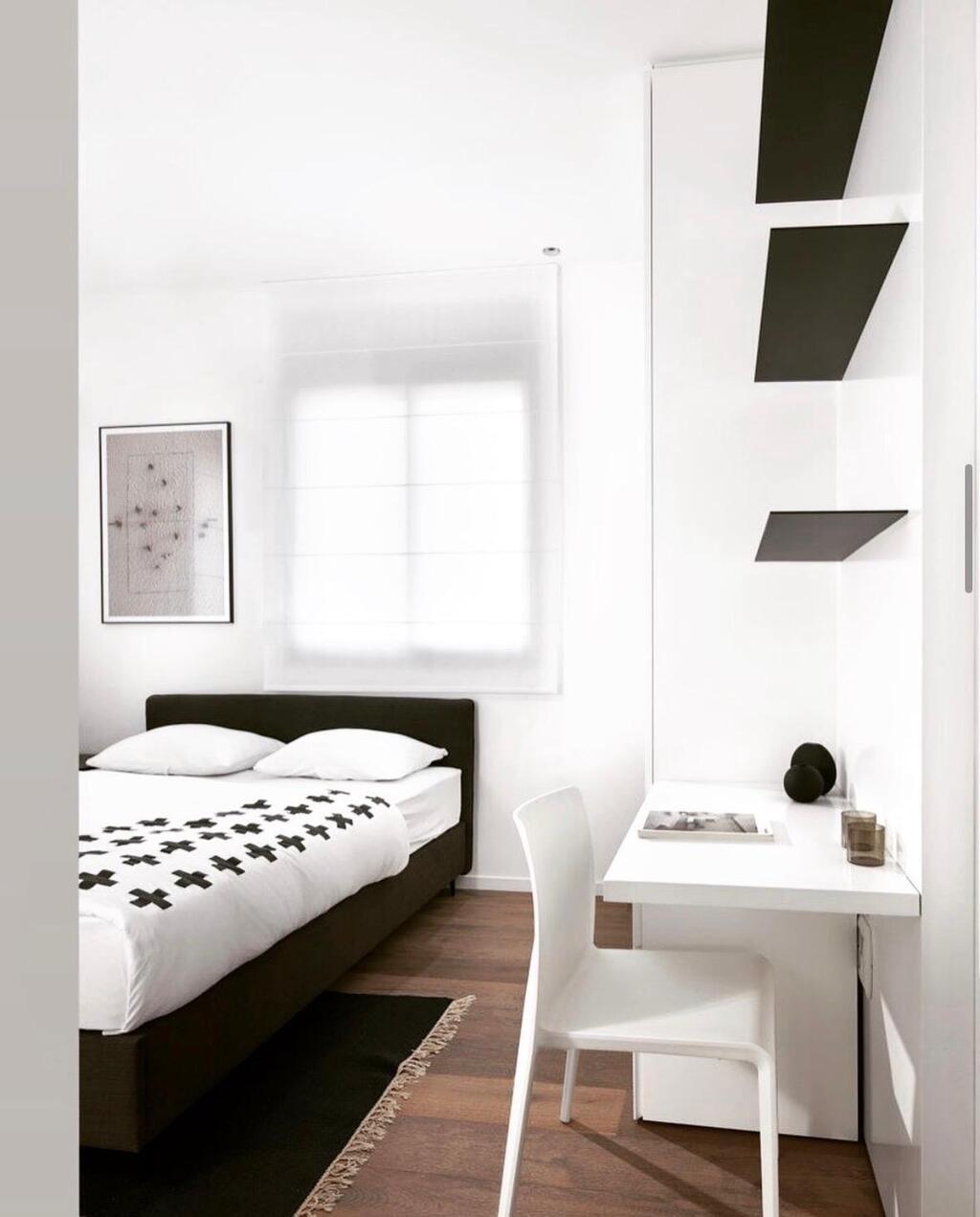
Make use of every nook
(Photo: Shai Gil)
In summary
“Small apartments are a challenge,” says Winer, “but with the right planning, creative thinking, and tailored choices for furniture, appliances and lighting, every corner can serve a purpose while maintaining a calm and inviting atmosphere.
“Every detail matters in creating a home that’s functional, stylish and comfortable. With a bit of attention and the right team - designer, quality appliances, and a skilled carpenter, even the smallest apartment can become a warm and welcoming space."