


How life turns around: at the start of the war, Israel’s Gaza border region was seen as a frontline, with many residents seeking shelter in the center of the country. But now, some Israelis are moving the other way.
During June’s war with Iran, as rockets targeted central Israel, many families found refuge in the south — particularly in the Gaza border area, which by then was heavily fortified and relatively quiet.
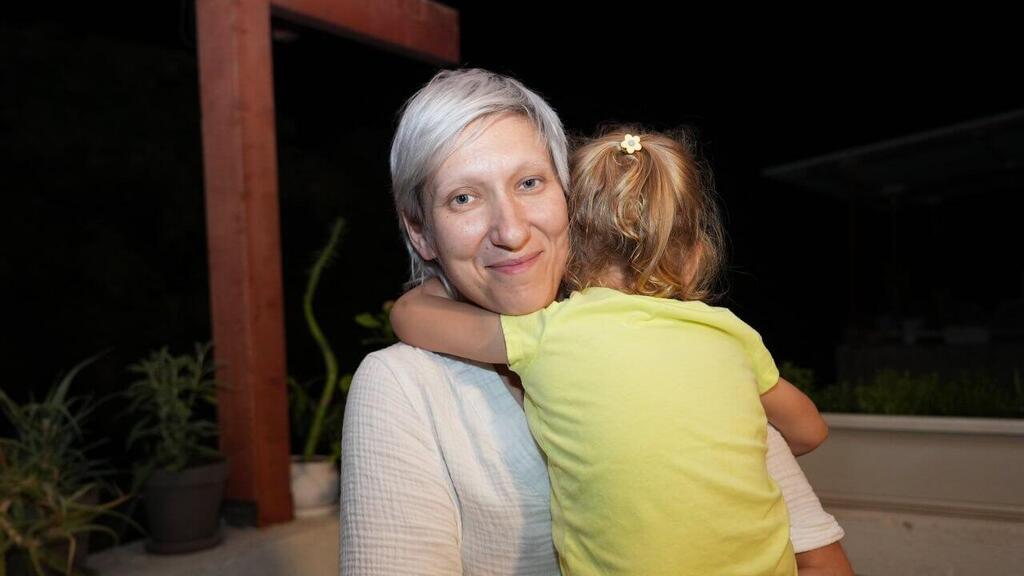
Among them were Elvira and Katya Grinstein, a Tel Aviv couple — parents to 3-year-old Naomi and a cat named Gaia — who fell in love with the region, packed their things, and relocated to Kibbutz Or HaNer.
“During the conflict, we felt unsafe in our old Tel Aviv apartment — no safe room, and sky-high rent for any place that had one,” Elvira said. “The public shelters were miserable, and some listings online said things like ‘Shelter nearby — only a 4-minute walk.’ It was absurd.”
The couple stayed temporarily in Kibbutz Yad Mordechai during the fighting, and by the time they returned north, the idea of staying in the south had taken hold.
“After that semi-evacuation, we checked real estate on the way back to Tel Aviv, saw a listing for a home in Or HaNer, drove there and said, ‘Let’s do it.’ It was a leap of faith,” Elvira recalled.
The move, she admits, came from a mix of security, financial, and emotional reasons.
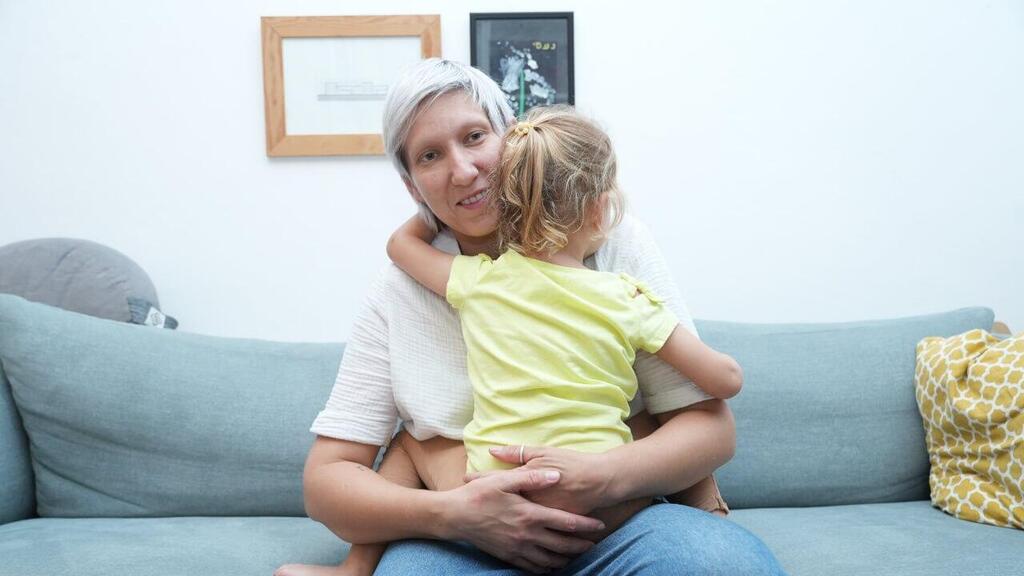
(Photo: Tomer Shonam Halevi)
“I’d just finished a job, we got an eviction notice, and we fell in love with the area. It may sound strange, but here in the Gaza envelope, we feel the safest. There’s a safe room, and when there’s a siren, we just shut the door and keep sleeping — instead of dragging a child and a cat to a filthy, dark public shelter.”
When asked how their new life compares, Elvira smiles. “It’s a big change. There’s no Wolt or Yango delivery, no 24-hour supermarket. But it’s quiet, green, peaceful. I sit on the porch, hear birds, and see stars at night. My daughter runs outside, and I’m not afraid of cars. In Tel Aviv, if I lost sight of her for a second, I panicked that someone might take her.”
Elvira, a pastry chef, is now looking for ways to work in her field in the region, while Katya, an architect, commutes to the center several times a week. Adjusting to the kibbutz community, Elvira says, takes time:
“People are warm, and once they see we’re not some stuck-up Tel Aviv types, things open up. We’re slowly becoming part of it.”
She concludes simply: “Today, I can’t imagine moving back to Tel Aviv.”