

As Israelis prepare for the high holidays season, privately owned vacation apartments are becoming an increasingly visible alternative to hotels and short-term rentals. The trend has gathered momentum in recent years, particularly since the war.
Rather than booking months in advance or relying on the availability of a rental property, owners have a second home waiting whenever they want a weekend or holiday away. These apartments are generally far smaller than their primary residences and close enough to remain connected to family, work and everyday life.
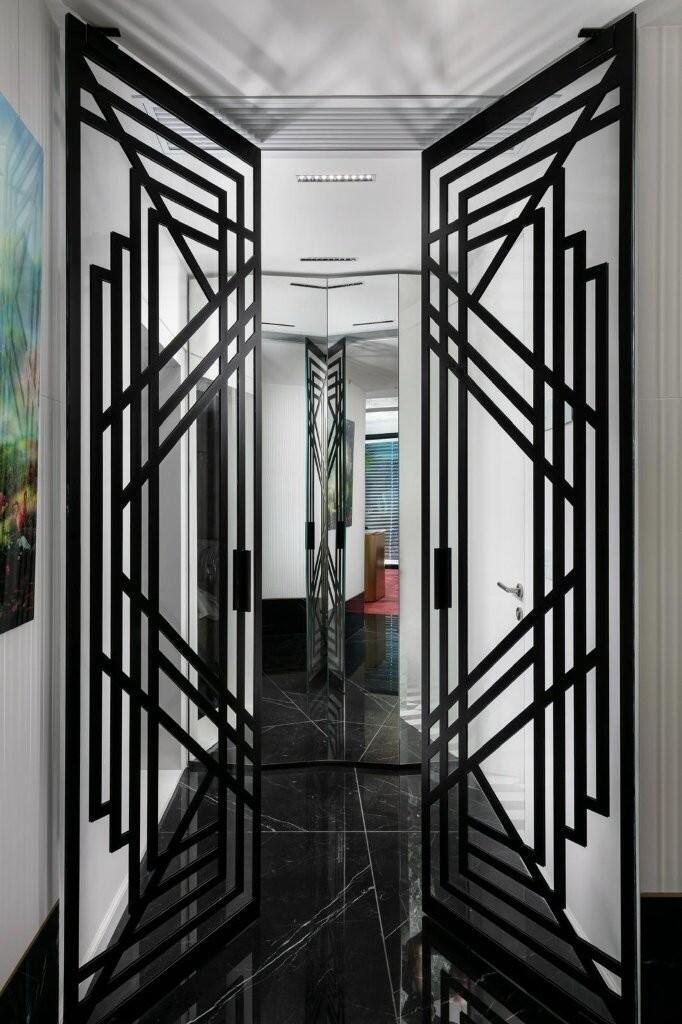
But convenience is only part of their appeal. Precisely because they are not meant for everyday living, vacation apartments offer homeowners and designers an opportunity to take risks they might avoid at home. Dramatic colors, unconventional materials and highly stylized interiors become easier to embrace when the space does not have to accommodate the full machinery of family life.
Storage can shrink. Kitchens can become more compact. Formal dining rooms can disappear entirely. Instead, the guiding question becomes less about function and more about feeling: What should it feel like to walk through the door?
The answer, in these four compact Israeli vacation homes, ranges from an Art Deco boutique hotel to a luxury yacht.
50 sqm of Art Deco in the heart of Tel Aviv
Set inside a restored historic building in Tel Aviv’s Montefiore neighborhood, this 50-square-meter vacation apartment was designed by interior designer Oron Milshtein for a couple from central Israel’s Sharon region.
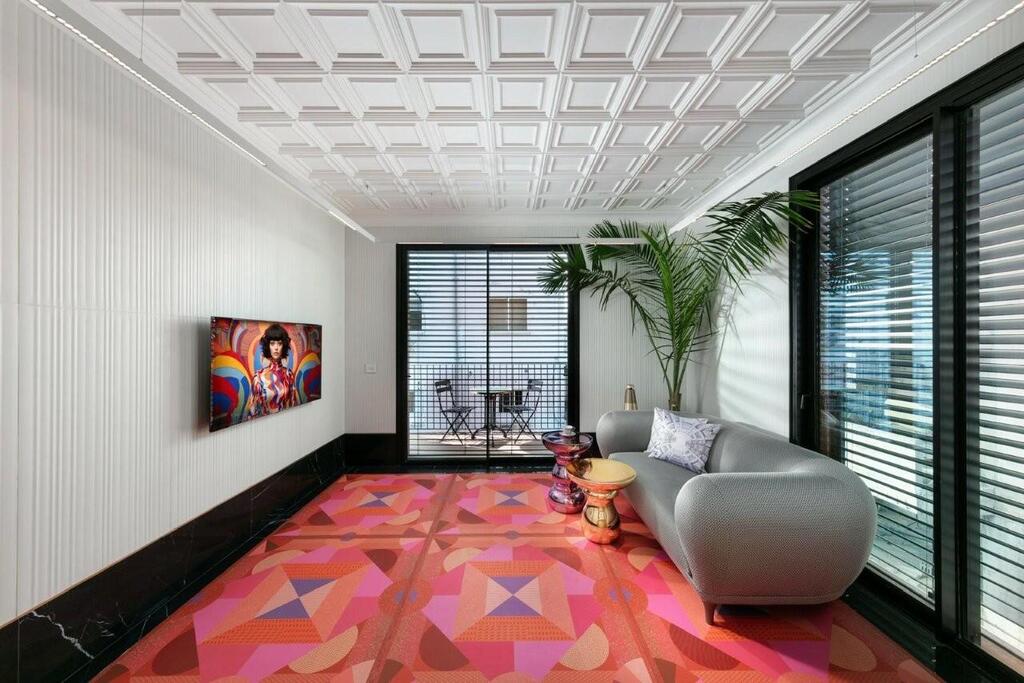
A colorful geometric floor
(Photo: Elad Gonen)
Drawing inspiration from the visual richness of 1920s Art Deco, Milshtein created a contemporary interpretation intended to evoke an exclusive international boutique hotel.
A colorful geometric floor, textured walls, mirrors and glass add drama and depth, while a largely black-and-white palette keeps the composition controlled.
The kitchen, meanwhile, was conceived more as a brasserie than a conventional family kitchen. A minibar and compact microwave take the place of the appliances needed for everyday cooking.
In the living room, a sofa and metallic coffee tables by Marcel Wanders reinforce the apartment’s deliberately theatrical, hotel-like character.
Like stepping aboard a yacht in Herzliya Marina
For a couple in their 60s who live in northern Israel, a 60-square-meter apartment in Herzliya Marina offered a second home closer to work, their children and grandchildren.
Interior designer Liad Yosef resisted treating the apartment as a miniature version of their permanent residence. Instead, he imagined it as an ultra-modern luxury yacht.
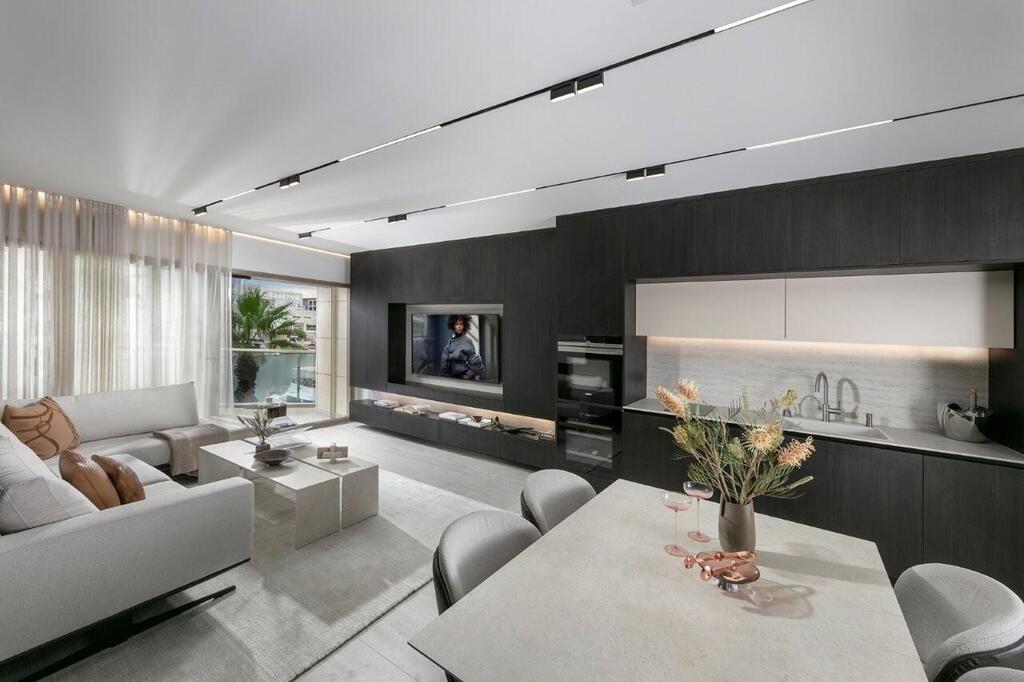
Like an ultra-modern luxury yacht
(Photo: Elad Gonen)
Every centimeter was carefully planned to incorporate compact storage and the functions the owners needed, including two bathrooms, while durable natural materials were chosen to suit the seaside setting.
In the bedroom, an island separates the sleeping area from the bathroom. Smoked mirrors and a window overlooking the sea ensure the water remains part of the interior experience.
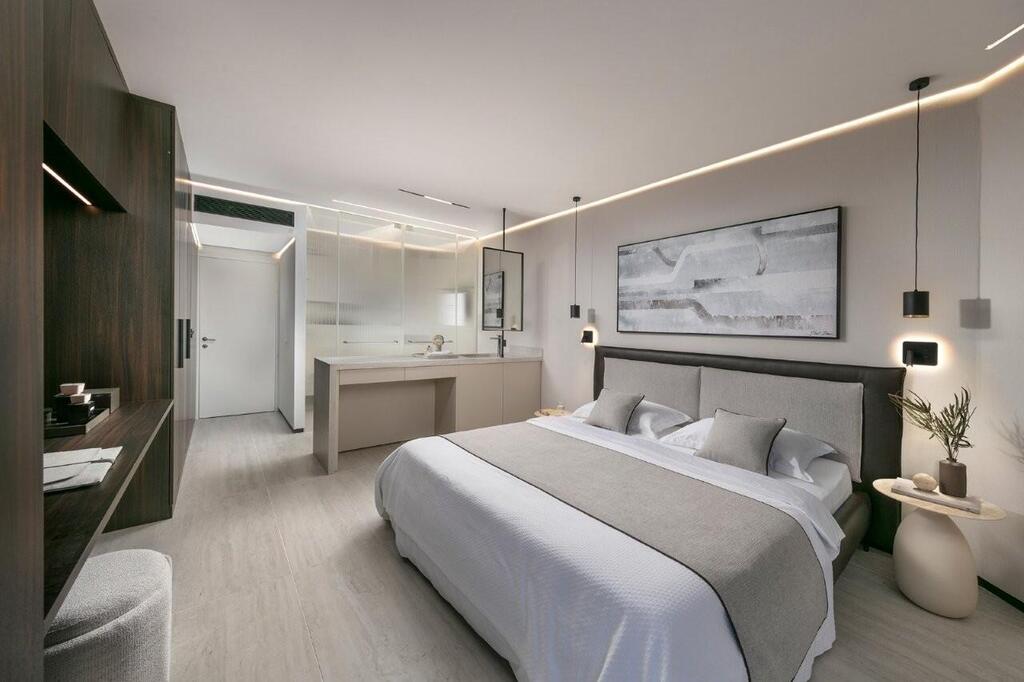
Natural materials
(Photo: Elad Gonen)
The kitchen is fully functional but intentionally compact, reflecting the fact that this is a place for vacations rather than elaborate everyday cooking.
No traditional living room or dining room
This 52-square-meter Tel Aviv apartment serves as a weekend retreat for a couple in their 60s.
Rather than trying to squeeze all the functions of a full-size home into a much smaller footprint, architect Shira Muskal and designer Hadas Rot of Halel Architecture simply removed what they considered unnecessary.
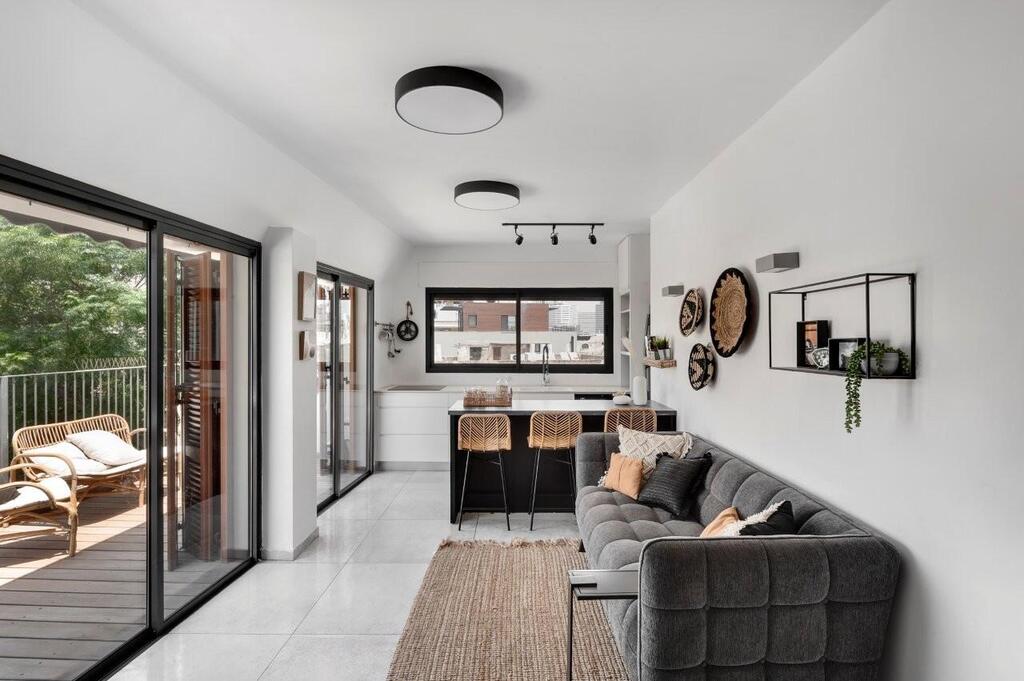
Weekend retreat
(Photo: Oded Smadar)
The kitchen island doubles as the dining area, eliminating the need for a separate table, while two lighter seating areas replace the conventional living room.
The same philosophy extends into the bedroom, where an exposed clothes rail and dresser take the place of a large wardrobe.
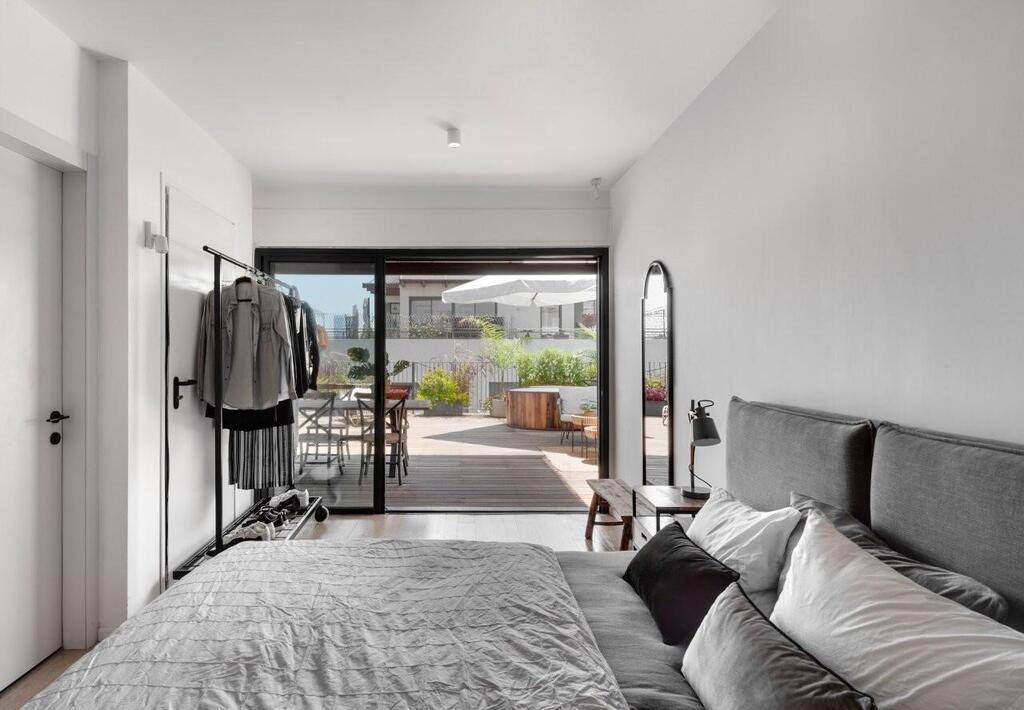
Exposed clothes rail
(Photo: Oded Smadar)
A restrained neutral palette helps keep the apartment feeling open and uncluttered, reinforcing the impression of a boutique hotel rather than a permanent home.
45 sqm of boho chic
For a couple in their 50s, designers Sarah and Nirit Frenkel transformed a 45-square-meter apartment in central Israel into an eclectic boho-chic vacation retreat.
Given considerable creative freedom, they combined romantic and nostalgic details with a distinctive green accent that gives the apartment much of its personality.
A light color palette, partially transparent openings and a large mirror help create a greater sense of space. The original layout was also opened up to produce a more generous living area.
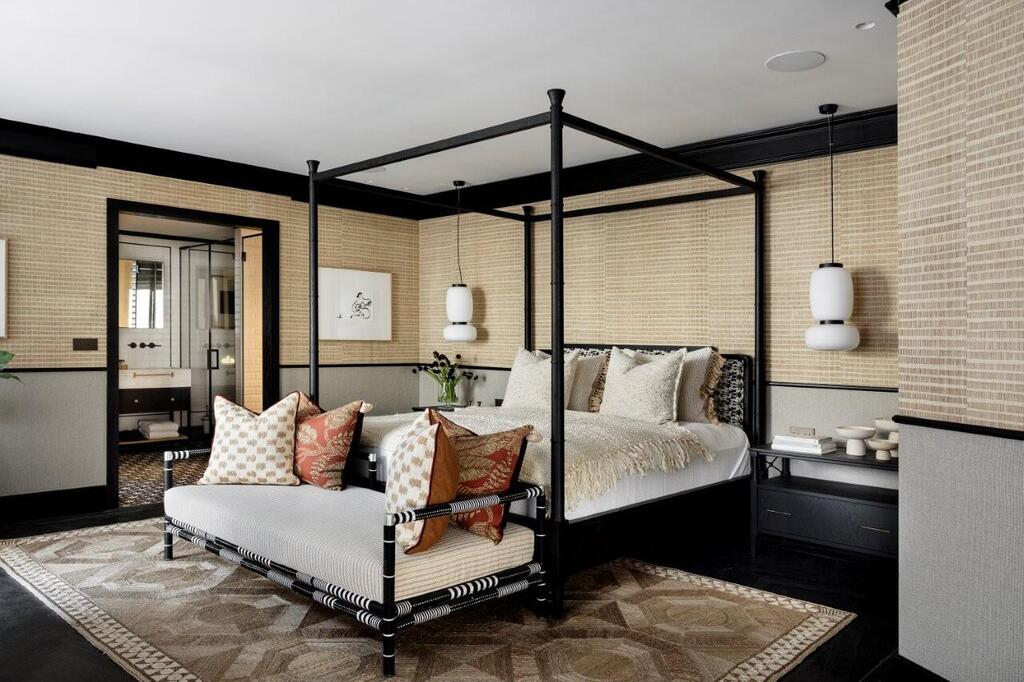
boho-chic vacation retreat
(Photo: Itay Benit)
But rather than relying on folding furniture or other familiar space-saving devices, the designers commissioned custom pieces in smaller proportions, allowing the furniture to feel natural within the compact apartment.
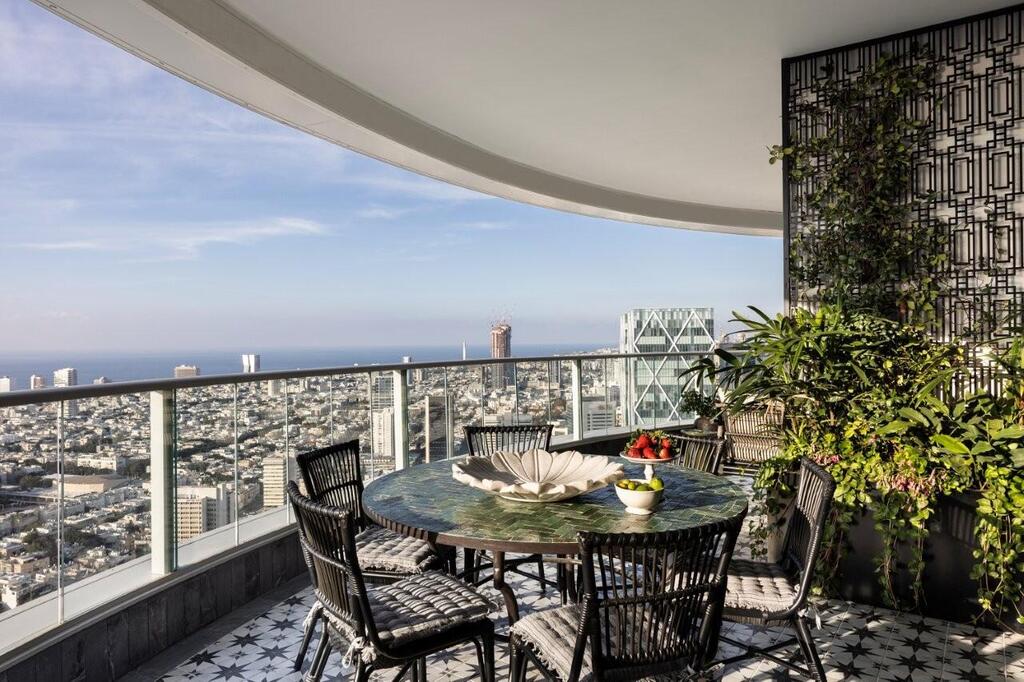
Romantic feel
(Photo: Itay Benit)
The result is a relaxed, character-filled space designed specifically for weekends and holidays.
The four apartments differ dramatically in appearance, but they are built around the same principle: A vacation home does not have to be a scaled-down copy of the place where its owners live every day.
In fact, its greatest advantage may be the freedom to do precisely the opposite. Owners can cook less, store less and abandon the formal dining room. They can choose a dramatic floor, cover a room in an intense shade of green or create a bedroom that feels as though it belongs aboard a luxury yacht.
And that may explain why these smaller second homes can sometimes achieve something far harder to create in a large permanent residence: the sense that the vacation has already started, before their owners have traveled very far at all.