

August is one of the busiest months in Jerusalem, especially for overseas homeowners. Many families from the United States and the UK are already in Israel, while others will arrive in the coming weeks for the High Holidays—particularly Sukkot, when the apartments they purchased become the heart of extended family life.
Children, grandchildren and guests fill the home, and it is precisely during these holiday gatherings that the difference between an apartment designed for the Israeli market and one truly tailored to the lifestyle of international families becomes apparent.
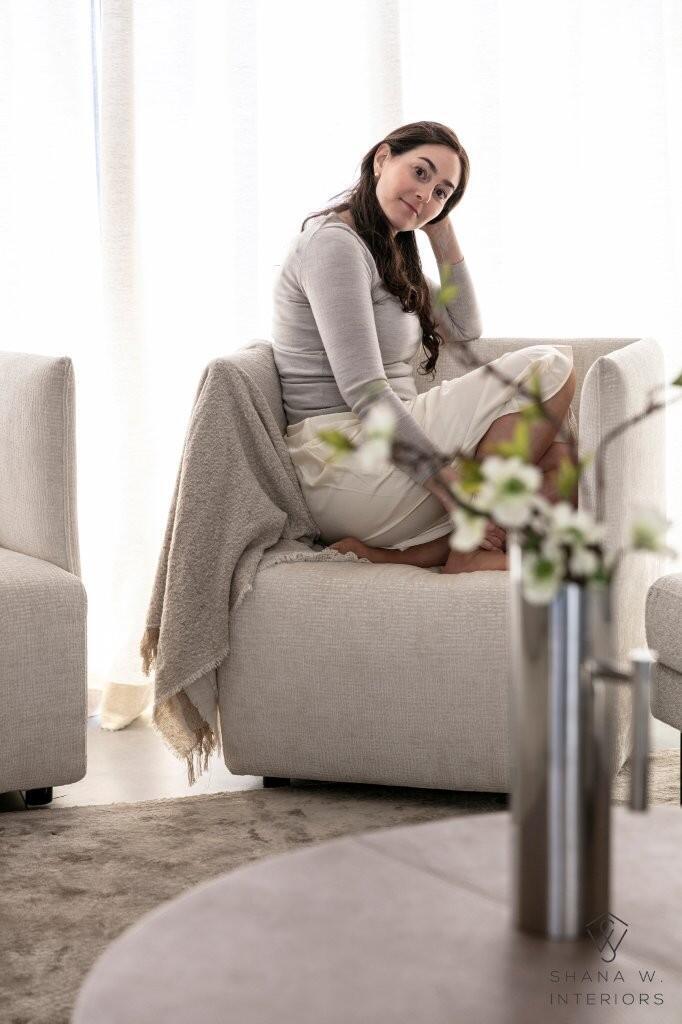
"I often hear clients say, 'The apartment is beautiful, but it simply doesn't work for us,'" says Shana Wirzberger, an American-born interior designer and founder of a Jerusalem-based design studio that works throughout Israel. Her international team of designers understands the lifestyle, traditions and expectations of overseas homeowners.
"It's not about luxury or budget," she explains. "It's about understanding a different way of living. A family that spends only a few weeks a year in Israel lives very differently from an Israeli family, and their home needs to reflect that."
Design by Shana W. interiors
(Photo: Elad Gonen)
According to Wirzberger, international buyers are not trying to recreate the homes they left behind in New York, Miami or London.
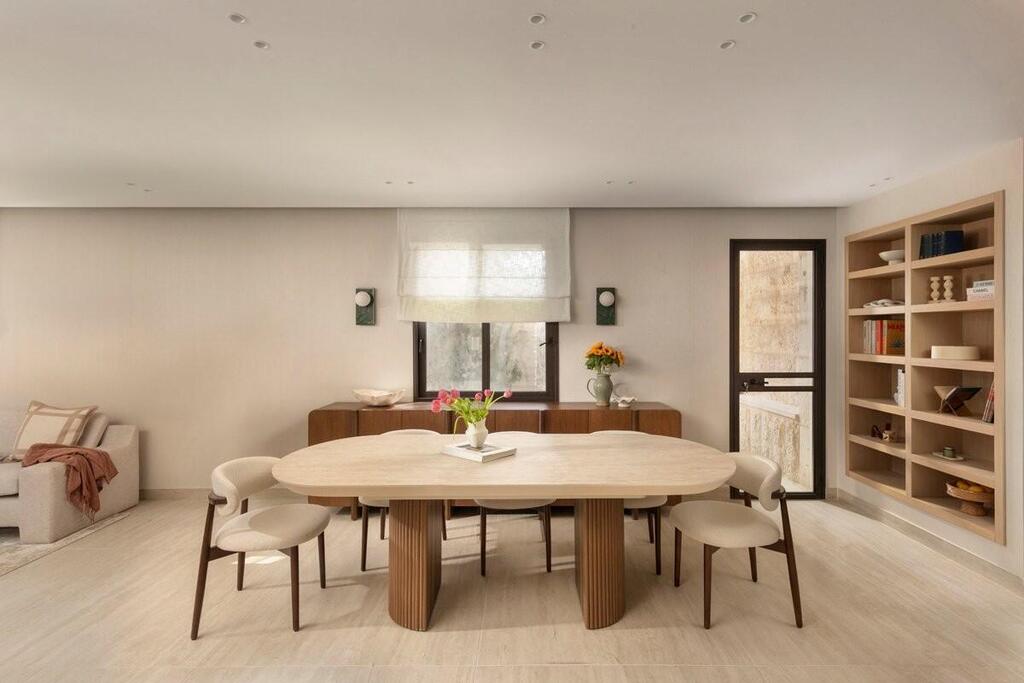
"On the contrary," she says. "They want a home that feels Israeli—especially Jerusalem. They love Jerusalem stone, arches, natural materials and the city's rich history. But at the same time, they expect the house to function according to the standards they're used to. Those are two very different things, and hospitality is always at the center of their priorities."
Design by Shana W. interiors
(Photo: Elad Gonen)
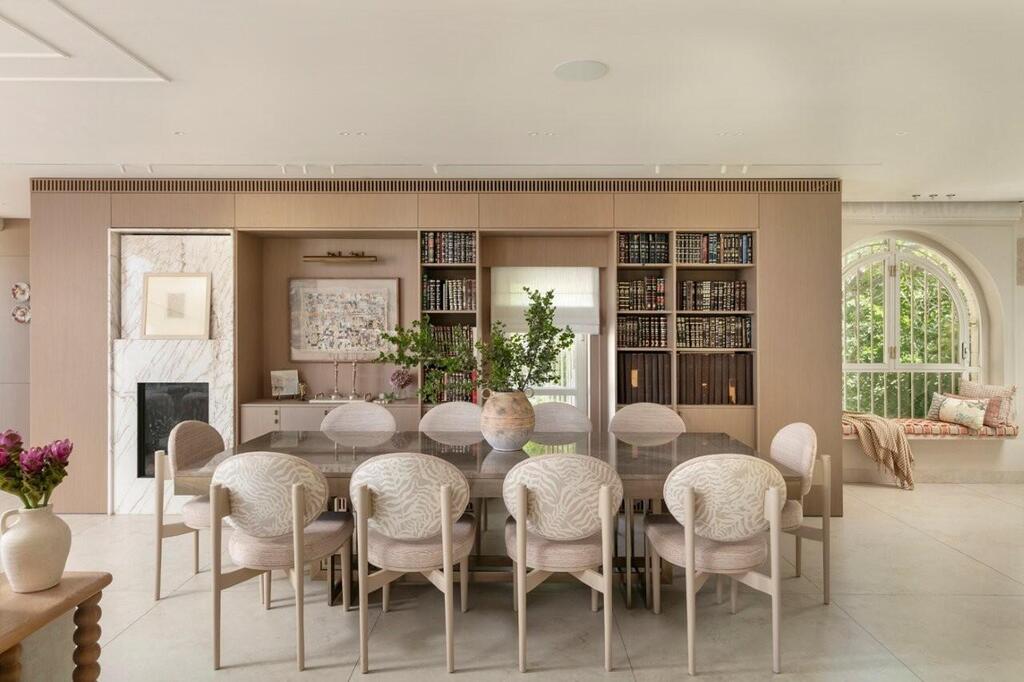
The differences begin long before construction is complete. A religious American family that spends the holidays in Israel may host dozens of relatives around the dining table.
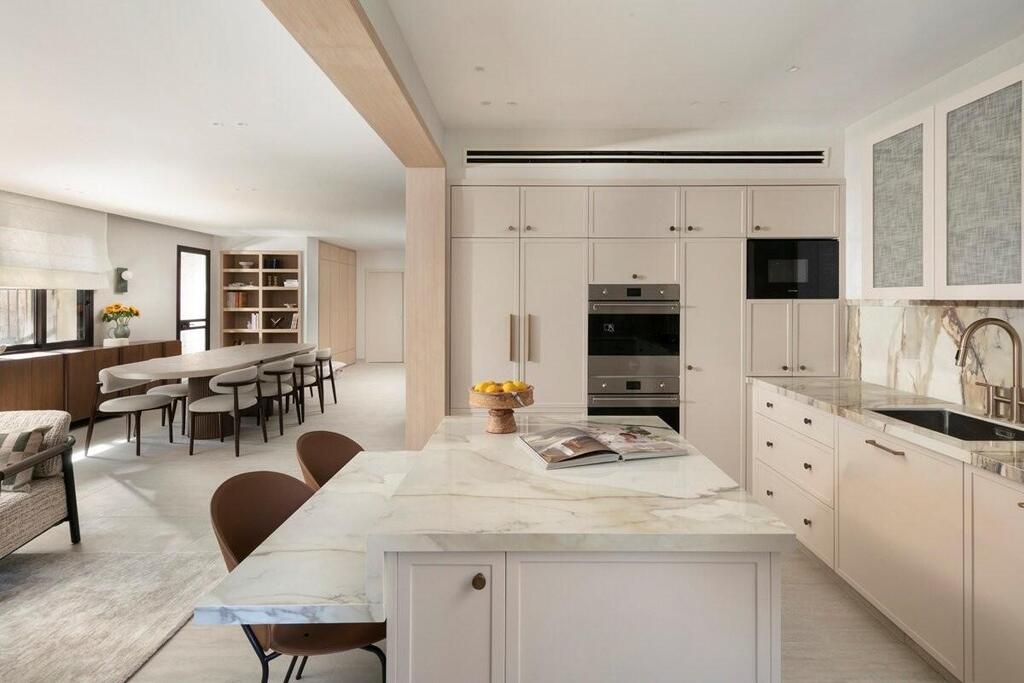
"In Israel, developers often design beautiful kitchens," Wirzberger explains, "but they don't always understand how overseas families actually use them. These families need significantly more storage, larger work surfaces and practical separation for dairy, meat and sometimes pareve preparation. These aren't details that can be added later—they need to be considered from the very beginning."
Design by Shana W. interiors
(Photo: Elad Gonen)
The same applies to appliances and infrastructure.
"American families are accustomed to larger ovens, oversized refrigerators and different electrical systems. If the electrical planning isn't done correctly from the start, making those adjustments later becomes difficult. The same goes for Shabbat-compatible systems—those decisions belong at the beginning of the project, not at the end."
Yet many of the differences lie in details most Israelis rarely think about.
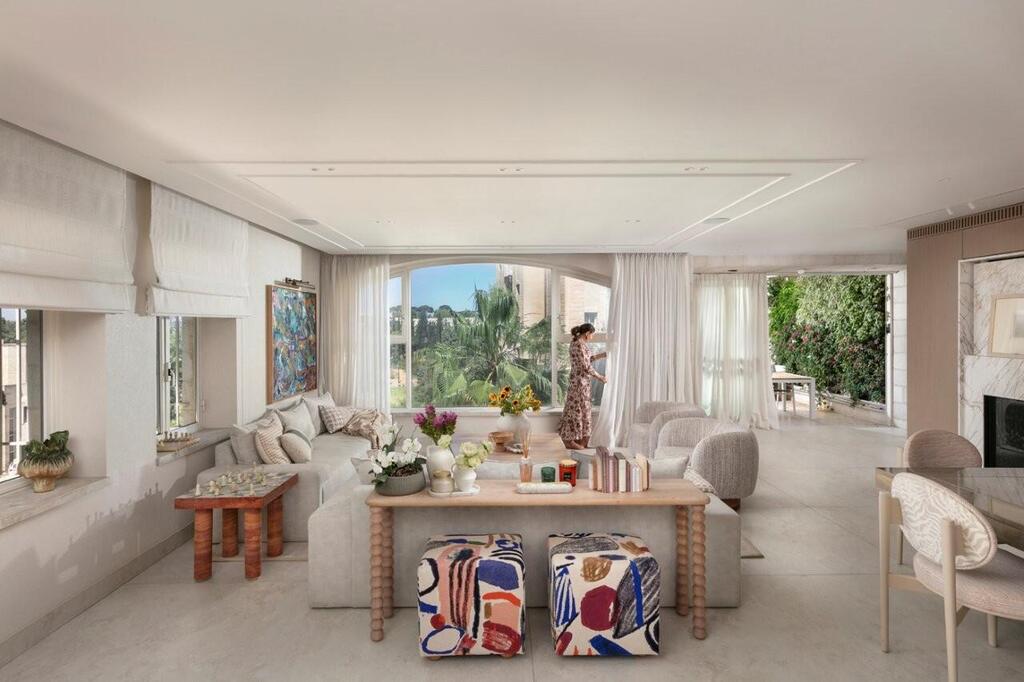
Design by Shana W. interiors
(Photo: Elad Gonen)
"In the U.S., people expect climate-controlled bathrooms, recessed lighting, light switches both at the entrance to the room and beside the bed, thermostatic shower controls and ceilings prepared for integrated lighting. In Israel, these are often considered luxury upgrades, but for many of our clients, they're simply part of the standard."
That is why Wirzberger often advises clients not to rush into purchasing the developer's upgrade package.
"I frequently tell them: don't spend money on upgrades. Take the credit instead, receive the apartment as a shell and then design it properly according to your family's lifestyle. Many clients come to us after investing substantial amounts in developer upgrades, only to realize that the apartment still doesn't meet their needs."
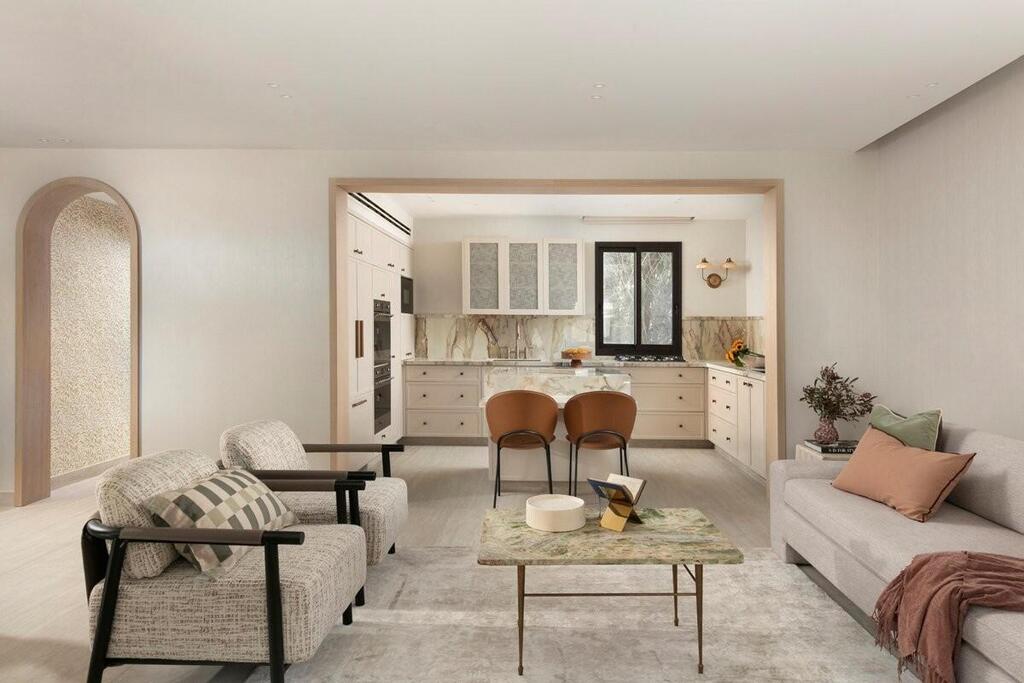
Design by Shana W. interiors
(Photo: Elad Gonen)
As the High Holidays approach, especially Sukkot, these lifestyle differences become even more evident.
"During Sukkot, the house comes alive. Children and grandchildren arrive from abroad, relatives gather, friends are invited over and suddenly the apartment needs to accommodate an entirely different scale of living. We design home offices that transform into guest rooms, custom-built bunk beds, flexible sleeping solutions, generous storage and spaces that adapt effortlessly for large family gatherings."
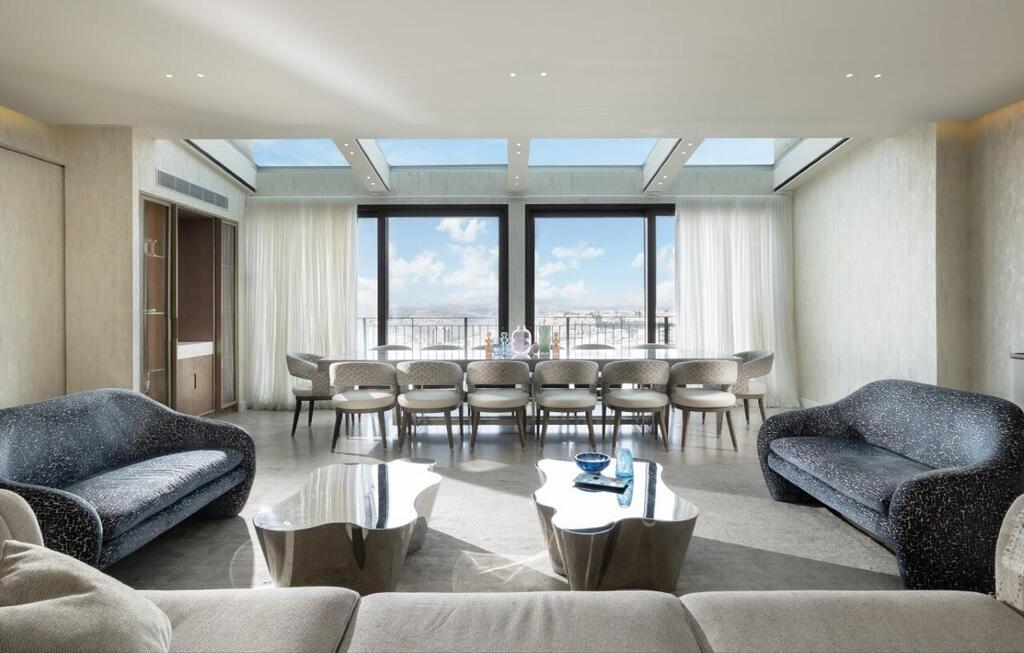
One project perfectly illustrates this approach. Wirzberger designed a Jerusalem home for a Hasidic family that wanted a spacious entertaining area throughout the year without sacrificing a kosher sukkah during the holiday.
Design by Shana W. interiors
(Photo: Simmy Jacobson)
"Instead of leaving the sukkah balcony unused for most of the year, we integrated it into the main living area, creating a generous dining space for everyday family life," she explains. "For Sukkot, we designed a large retractable skylight that slides completely open, allowing the family to place the sukkah covering (schach) above it. Within minutes, the dining room transforms into a spacious kosher sukkah capable of hosting dozens of family members around one table."
For many overseas homeowners, the apartment serves primarily as a holiday residence rather than a permanent home.
"Most of our clients work with property management companies that regularly inspect the apartment, prepare it before the family's arrival and make sure everything is functioning perfectly," says Wirzberger. "I often help connect clients with trusted local professionals, ensuring that when they land in Israel, all they have to do is unlock the door and feel at home."
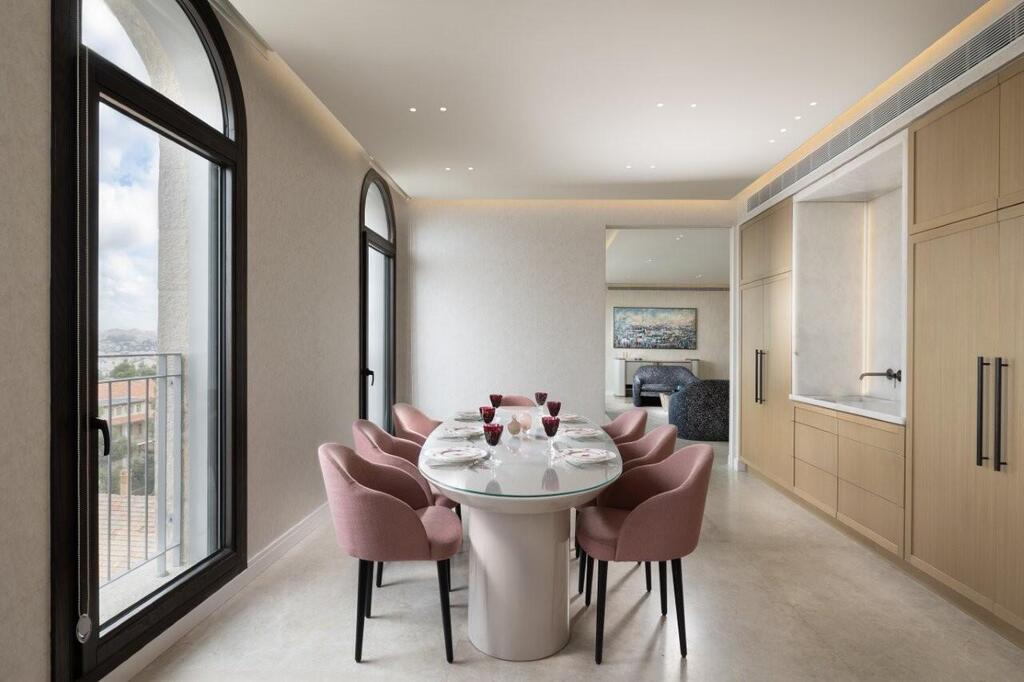
Design by Shana W. interiors
(Photo: Simmy Jacobson)
Although her clients come from the United States and the United Kingdom, Wirzberger has no interest in importing America into Israel.
"I always say that I listen to the apartment," she says. "Every home has its own story. Especially in Jerusalem, I try to understand the history of the building and preserve its character. I love incorporating Jerusalem stone, original arches or architectural details that feel as though they've always belonged there. That dialogue between old and new is what makes a home truly Jerusalem."
"I don't want every project to look the same. I want each home to tell its own story. My goal is to create spaces that feel authentic—as if they were always meant to be that way."
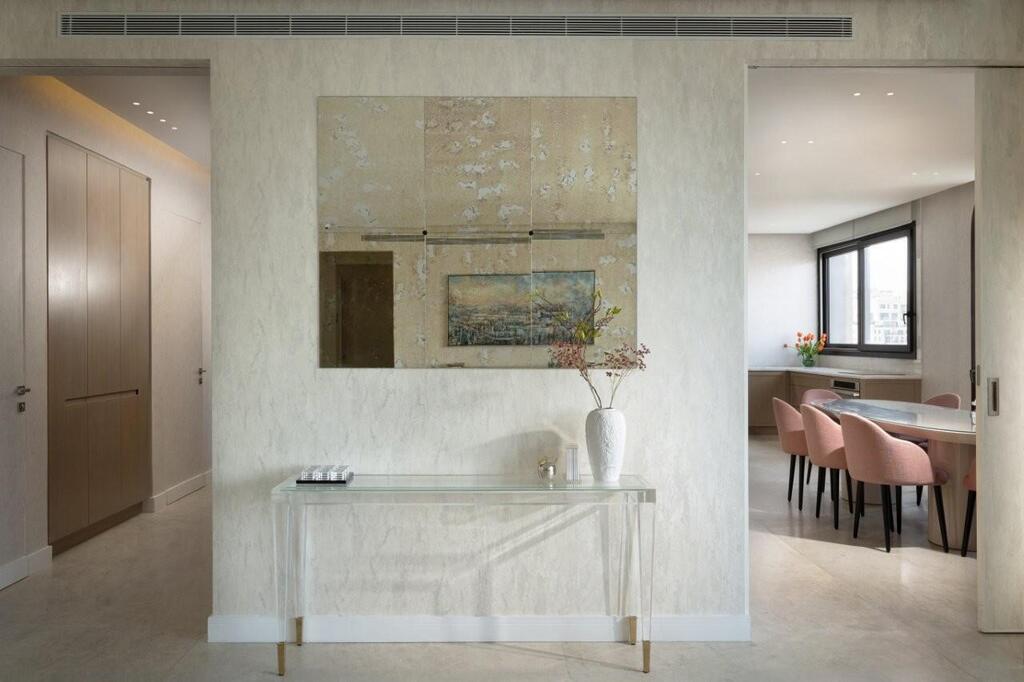
Design by Shana W. interiors
(Photo: Simmy Jacobson)
And how does she know she has succeeded?
"It's actually very simple," she smiles. "If you walk into a home and immediately feel like sitting down for a cup of coffee, then we've done our job. A home should feel warm, welcoming and full of life—not just beautiful. In the end, people don't fall in love with cabinetry or flooring. They fall in love with the feeling a home gives them—especially when the entire family gathers around one table during the holidays."
First published: 14:46, 08.21.26