

A nurse who rented out her apartment in the northern city of Nesher says she was shocked to discover the property had been turned into a drug laboratory without her knowledge — and that she is now facing a demand to pay nearly 167,000 shekels for allegedly stolen electricity.
The woman, identified only as M., serves as a head nurse in a hospital department in northern Israel. About six weeks ago, she received a call from Nesher police asking her to report urgently to the station. She said she had no idea why.
“When I arrived, I was in complete shock,” she said. “I rented the apartment to someone who seemed completely normal. The rent was paid every month without problems. I never imagined this is what he was doing.”
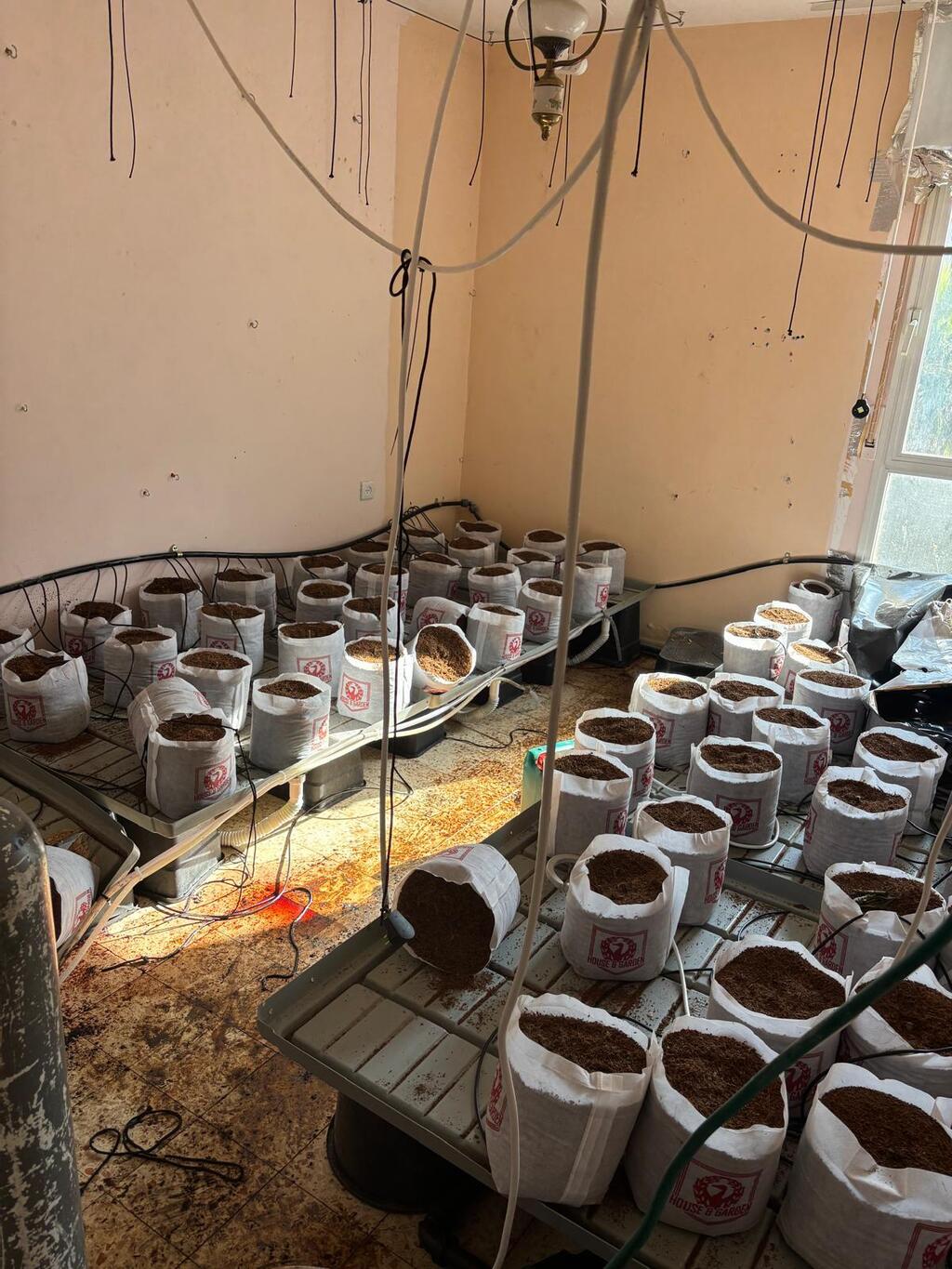
Police told her the apartment she owns — which had been rented for about a year and a half — had been converted into a drug-growing operation. Authorities said the suspects had connected the property illegally to the electricity grid.
M. was questioned and later cleared of any involvement. Police formally recognized her as a crime victim and provided written confirmation of that status.
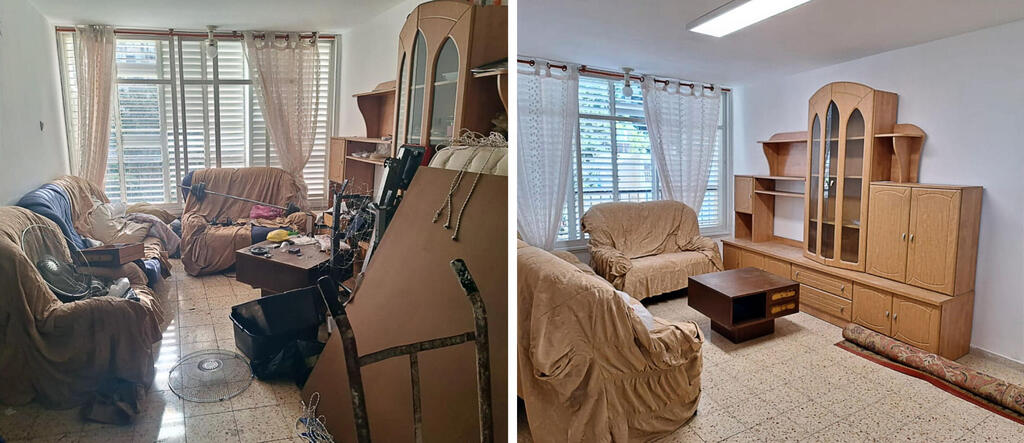
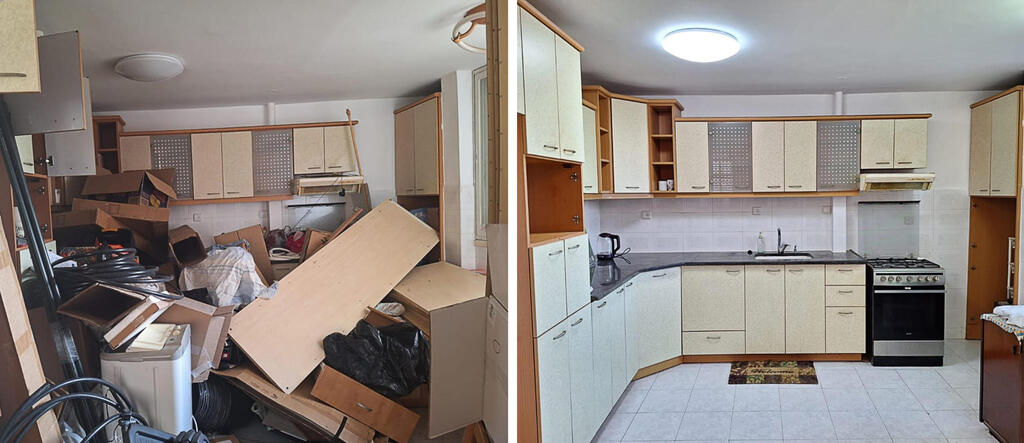
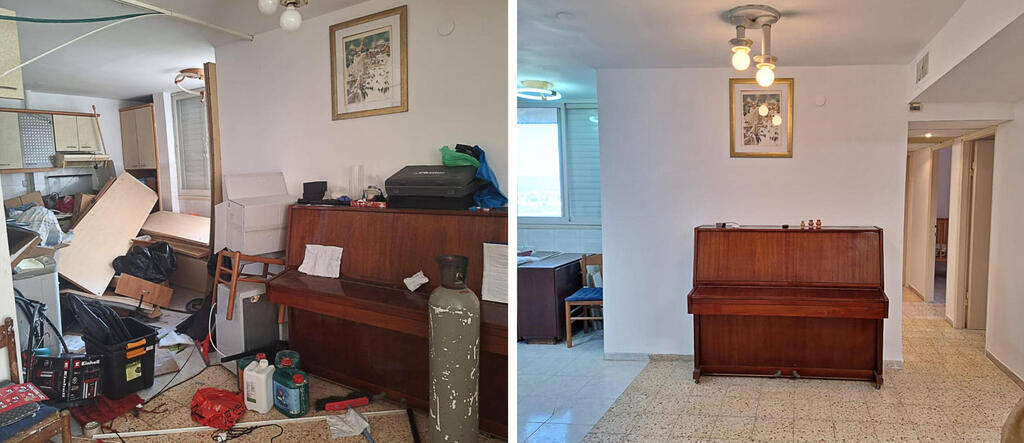
About two weeks after her visit to the police station, she was permitted to enter the apartment. She said she found it devastated.
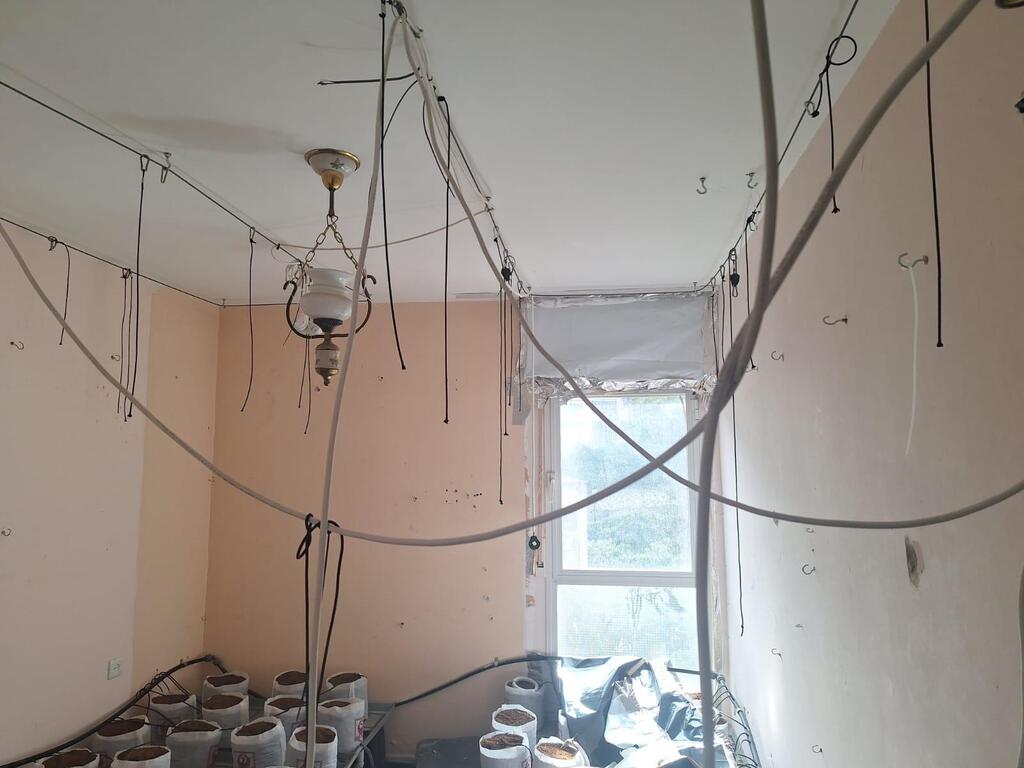
Cabinets and furniture were piled up, doors had been torn from their hinges and dozens of electrical wires hung from walls and ceilings. The central air-conditioning system was destroyed and dozens of sandbags filled the rooms.
A private appraiser she hired estimated the damage at approximately 135,000 shekels, describing the apartment as unfit for habitation due to severe structural, electrical and water damage resulting from its use as an illegal drug-growing site.
M. said she deposited a security check equal to three months’ rent that she had received when signing the lease, but it was returned unpaid.
She later received a demand from the Israel Electric Corporation for 166,840 shekels for electricity allegedly stolen at the property through the illegal connection. Her name appears on the initial demand alongside the tenant and an alleged accomplice.
“While I was still in shock from the enormous damage to the apartment, I received this demand and couldn’t understand how I’m connected to it,” she said. “I was recognized as a crime victim. They stole from me too.”
She said that when she signed the lease, the tenant asked that utility bills remain in her name, with the tenant reimbursing her monthly. The electricity payments were made through her standing bank order, and she said the monthly bills appeared normal, amounting to a few hundred shekels.
“I now understand how naive I was,” she said. “But throughout the rental period the bills were reasonable. I had no reason to suspect unusual activity or that he had made a pirated connection to the grid. I also don’t understand how the electricity company didn’t detect theft of this magnitude for so long.”
An indictment has since been filed against the tenant and an alleged accomplice, stating they carried out an illegal connection to electricity lines, she said.
M. met with representatives of the Israel Electric Corporation on Jan. 8, 2026, at its Haifa branch and asked that her name be removed from the payment demand. She said she presented police documents confirming her status as a crime victim.
“The response was that I’m not the first or last person this has happened to, but since the electricity account was not transferred to the tenant’s name, as far as they’re concerned the debt is also mine,” she said. “They told me that if I don’t pay, the case will go to court and a judge will decide.”
She called the demand unjust. “There is no logic, no justice and no morality in imposing this payment on someone who did not commit a crime,” she said.
Attorney Barak Siman-Tov, who specializes in electricity law, said that under regulatory guidelines, the registered consumer is generally responsible for electricity consumption at a property. However, he noted there is an exception: if the registered consumer proves another person was the actual user, the company may charge the actual consumer instead.
He advises landlords to ensure utility accounts are transferred to tenants’ names and to document meter readings when handing over a property.
Despite repeated requests, the Israel Electric Corporation did not respond to requests for comment.