

The story, like many recent ones, begins with war. After the October 7 massacre, the previous owners of a Ramat Gan house fled abroad, initially temporarily but later decided not to return.
They left behind a 230-square-meter (2,475-square-foot) home with a 100-square-meter (1,076-square-foot) garden, filled with furniture, belongings and the chaos of their hasty departure—clothes in closets, kitchenware in cabinets and towels still hanging in bathrooms.
(Photo: Shai Epstein)
(Photo: Shai Epstein)
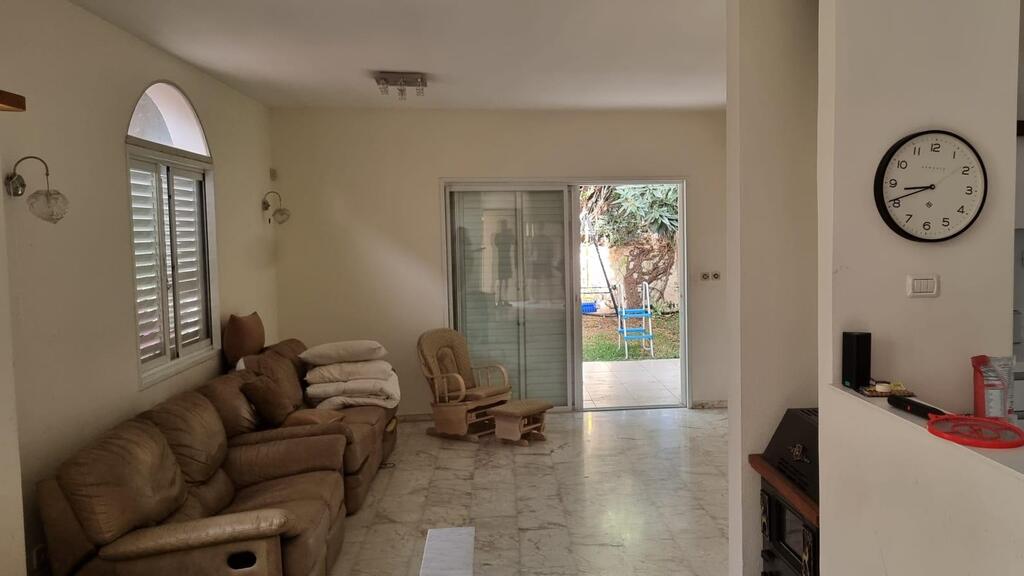
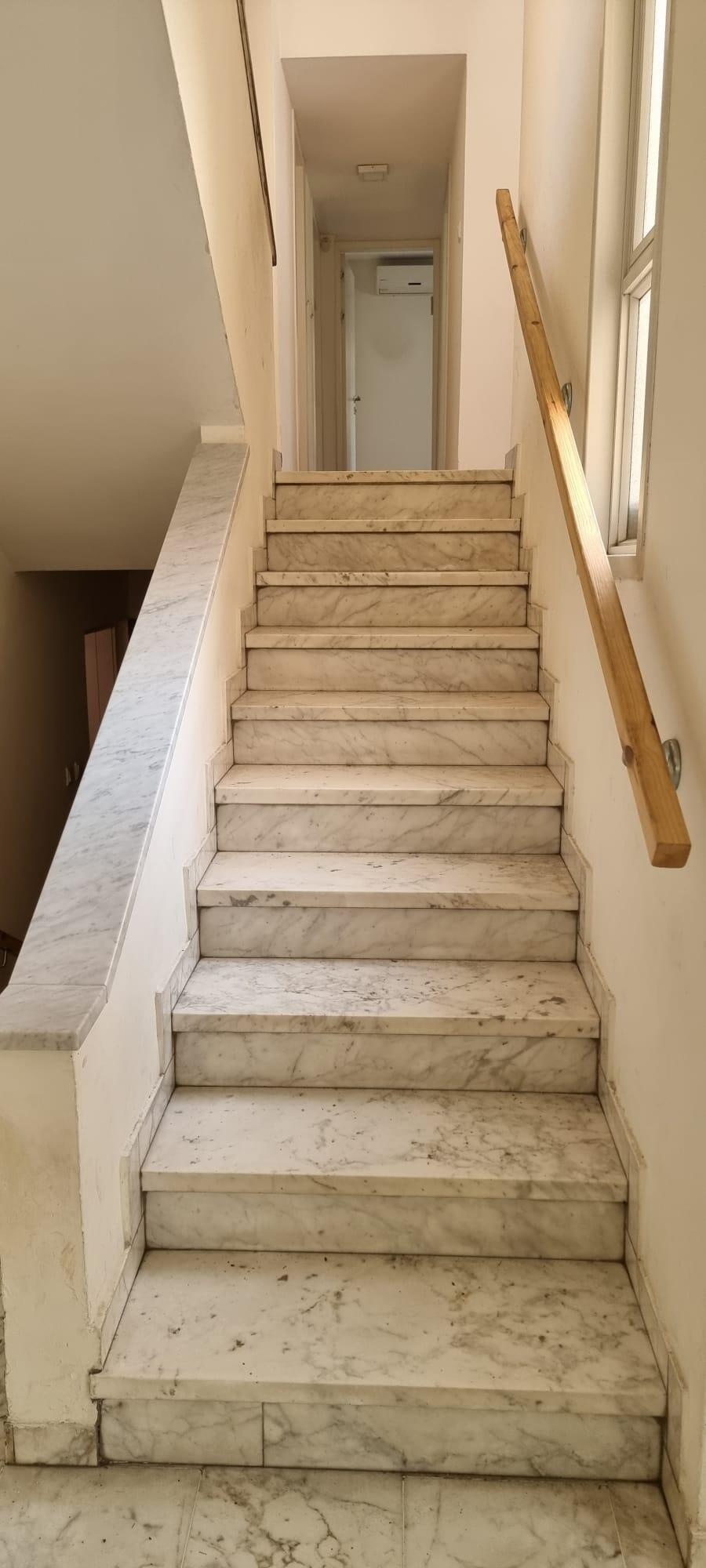
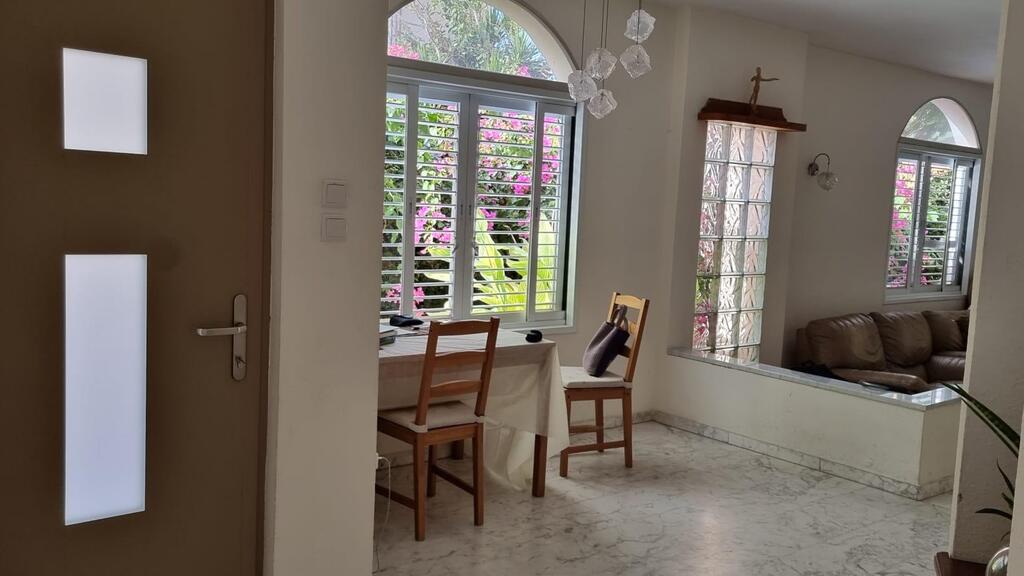
The home before the renovation
(Photo: Anna Weil)
(Photo: Shai Epstein)
A couple with three young daughters, both professionals in design and art, purchased the property remotely and enlisted interior designer Anna Weil of Wantym Studio to reimagine their newly acquired home in a quiet Ramat Gan neighborhood.
The five-level house, with half-floor splits, had not been renovated in years, requiring significant interior investment despite minimal structural changes. “The house’s layout was largely preserved, but the interiors needed a complete overhaul,” Weil said.
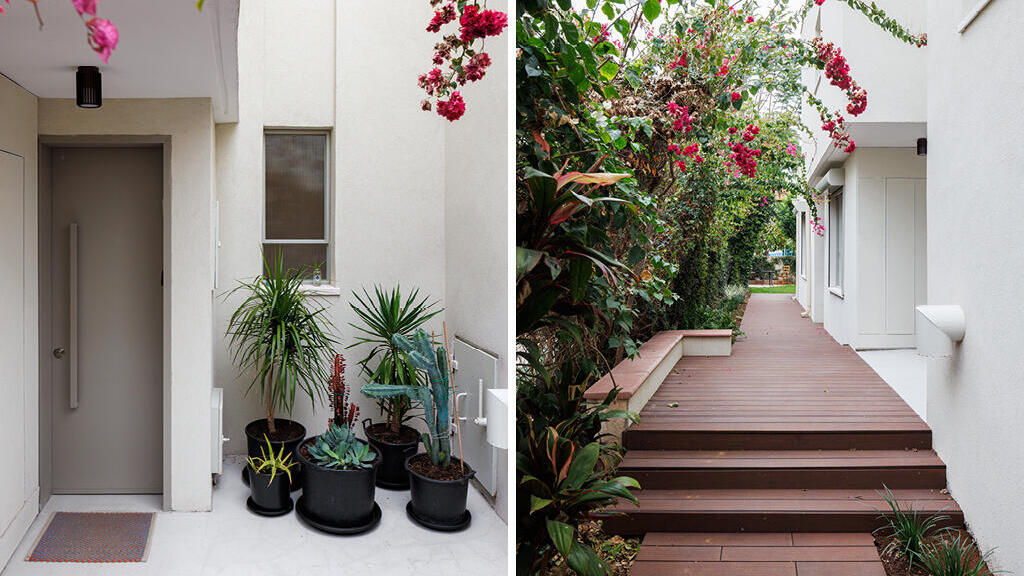
She revitalized the space, blending concrete and wood to create a vibrant, functional home. A wooden path leads to the entrance, where microtopping flooring resembling concrete begins outside and flows indoors.
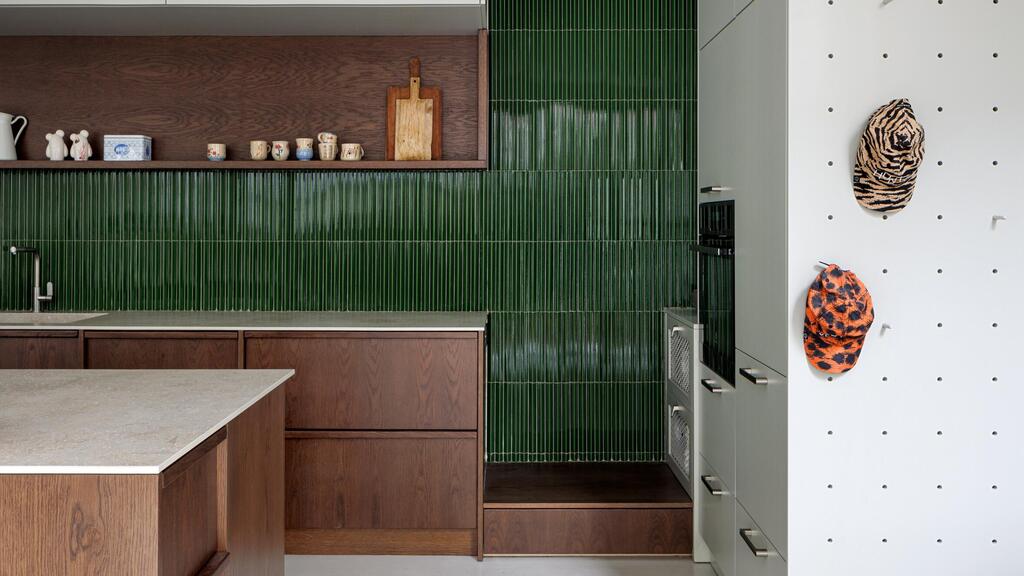
Succulents and cacti in the front yard add lively greenery, echoed inside. The entrance opens to a kitchen featuring a perforated pegboard wall for hanging bags, hats and keys.
(Photo: Shai Epstein)
(Photo: Shai Epstein)
(Photo: Shai Epstein)
(Photo: Shai Epstein)
(Photo: Shai Epstein)
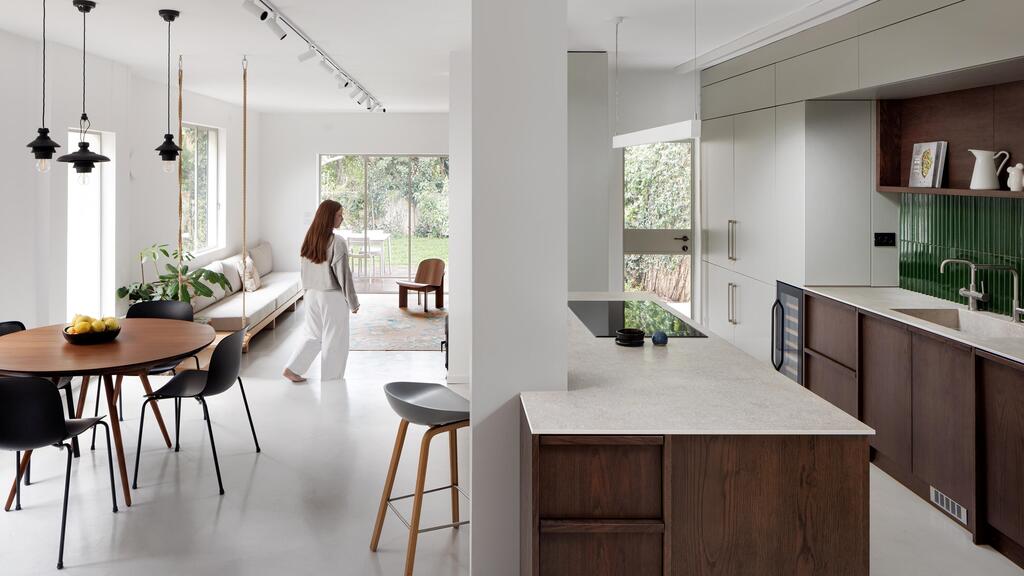
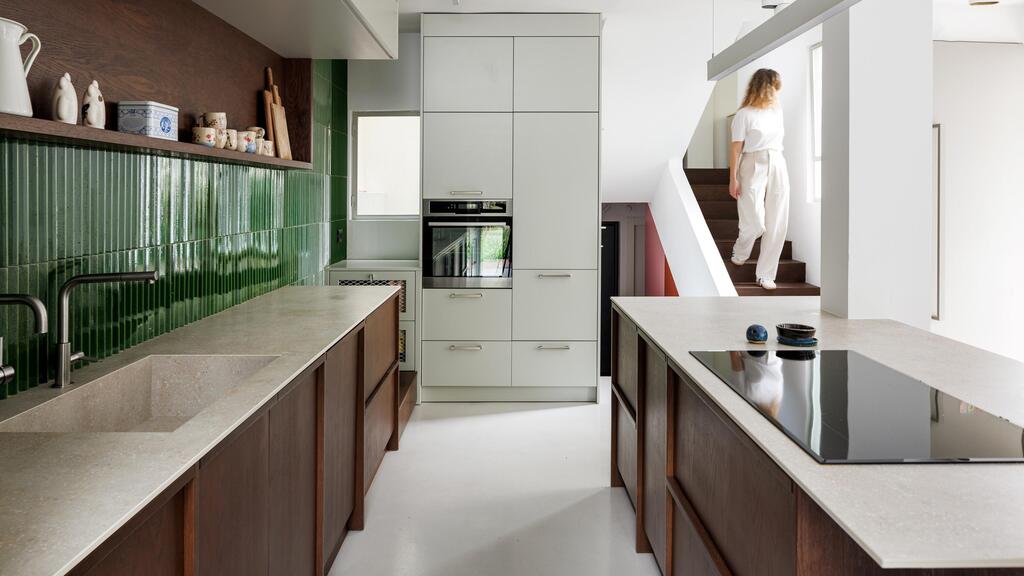
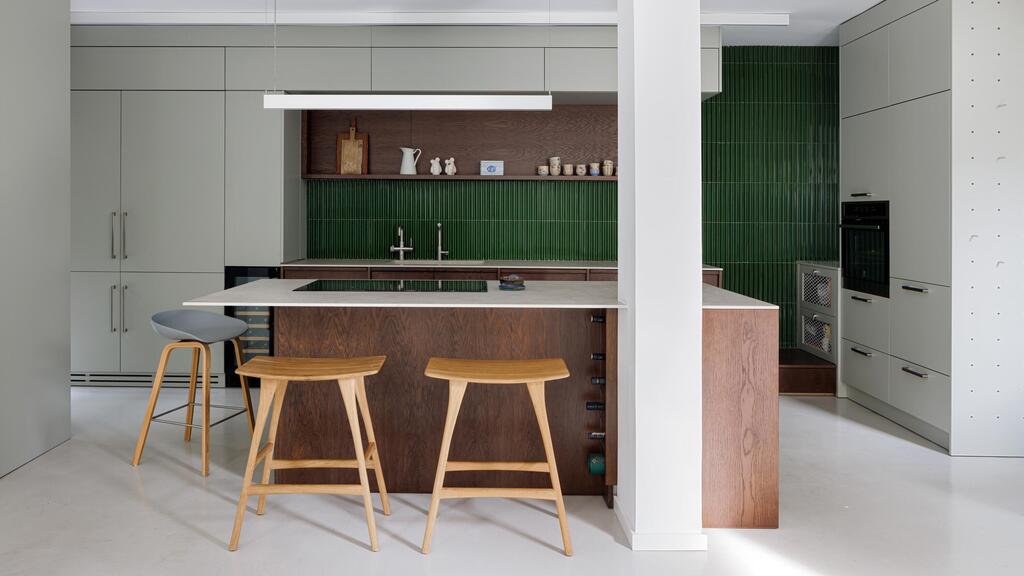
The kitchen combines high cabinets in a stone hue with lower cabinets and an island in dark wood, topped with polished concrete-like porcelain granite. Open wooden shelves connect to stone-colored upper cabinets, while bottle-green 3D tiles cover the walls between the countertop and cabinets.
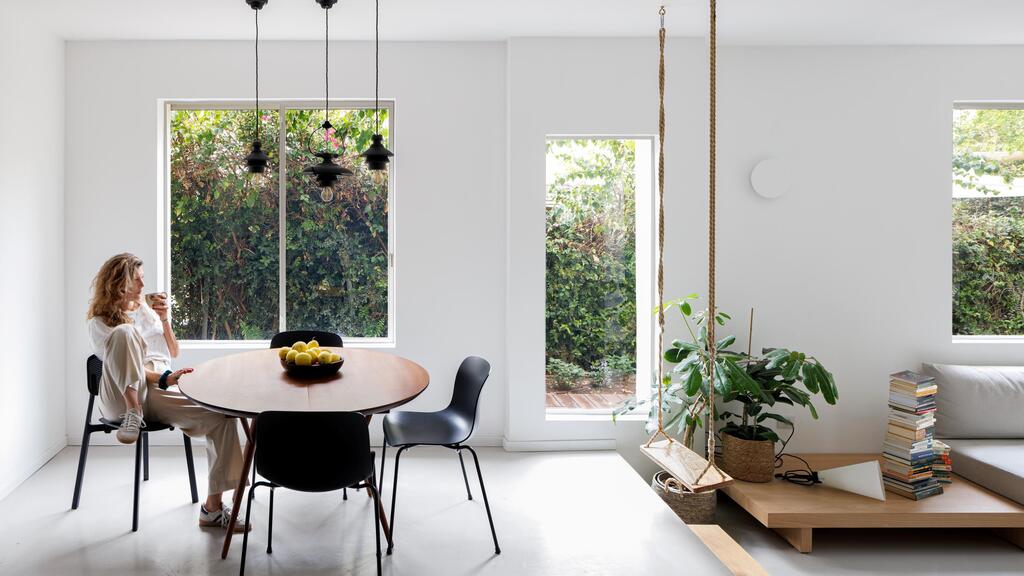
A wooden platform, doubling as a stage for the girls to assist with cooking, interrupts the cabinetry, with green tiles extending to the ceiling for a striking effect. Opposite, a dining area features a flea-market wooden table, black chairs and handmade ceramic light fixtures from a local market.
Get the Ynetnews app on your smartphone: Google Play: https://bit.ly/4eJ37pE | Apple App Store: https://bit.ly/3ZL7iNv
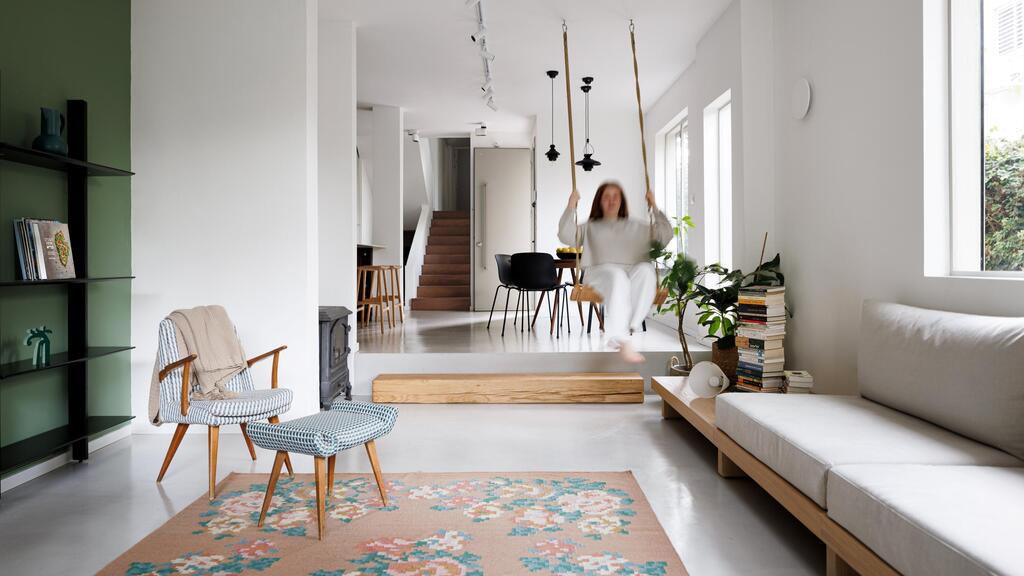
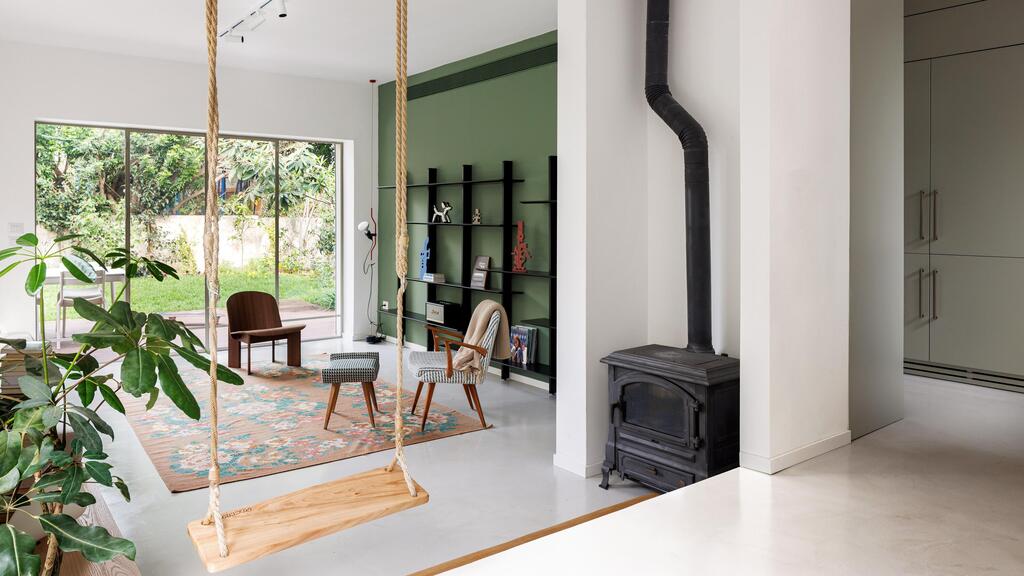
A wooden swing from Amazon, suspended from the ceiling, separates the dining area from the lower living room, preventing falls while delighting the children. “I keep getting photos of the girls swinging on it,” Weil said with a smile.
(Photo: Shai Epstein)
(Photo: Shai Epstein)
(Photo: Shai Epstein)
(Photo: Shai Epstein)
(Photo: Anna Weil)
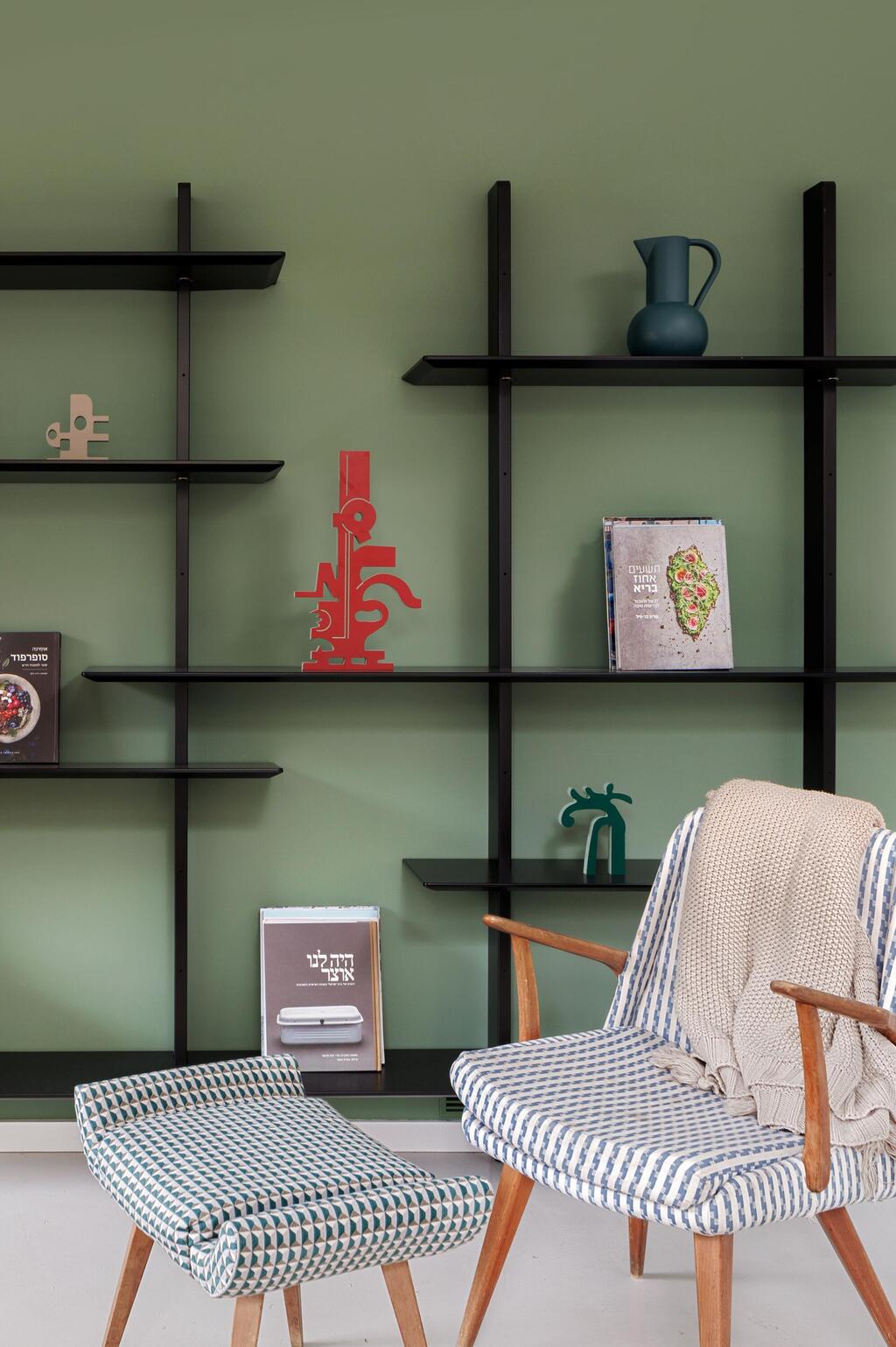
The living room, two steps below, features a large wooden step leading to a long sofa from Badusa, a wool rug from France and a Tollmans Dot bookshelf against a green-painted wall. Vintage armchairs, one inherited from the family, complete the eclectic look.
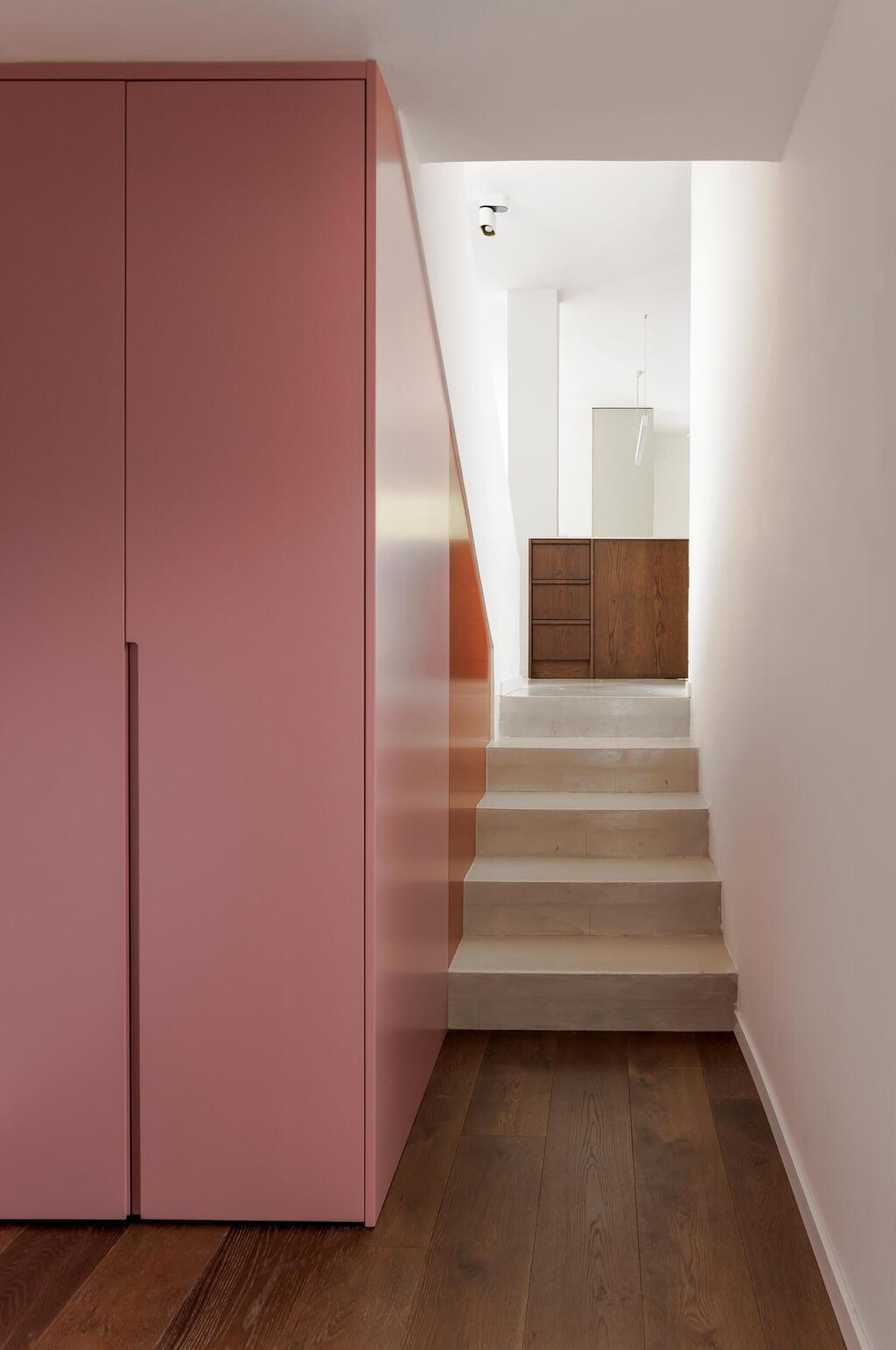
A staircase from the entrance leads to upper floors and a lower level with a guest bathroom, expanded during renovation, a guest bedroom and the father’s study. The lower level’s staircase wall, painted terracotta, connects to a pink cabinet opening to a small foyer.
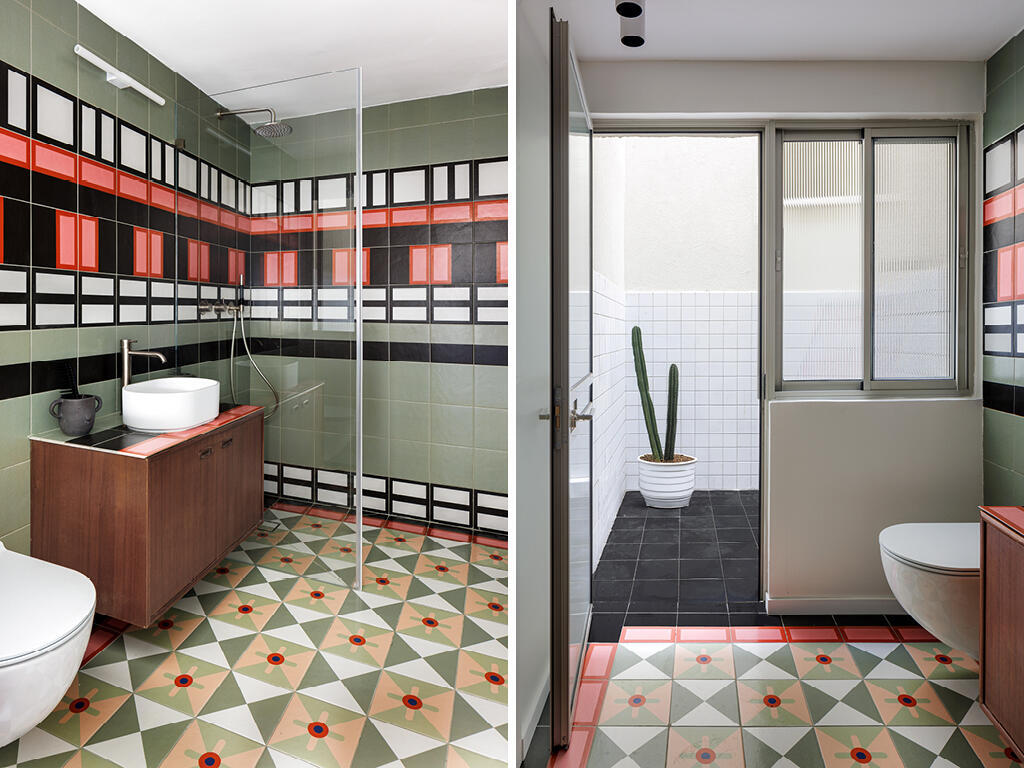
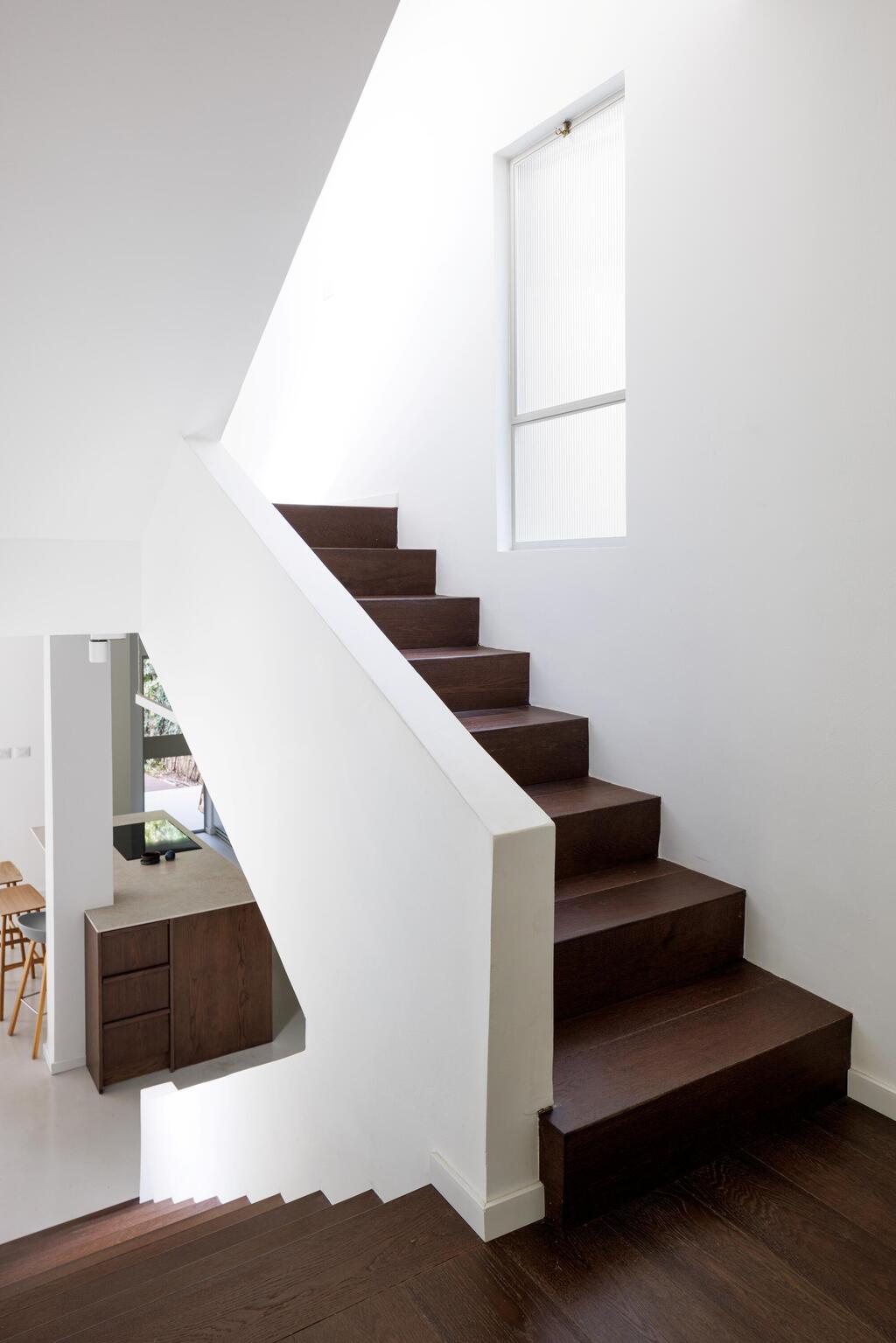
The guest bathroom’s vibrant Mutina tiles, sourced from Modi Furniture, are tempered by a flea-market wooden vanity topped with matching tiles and a charcoal-black patio. Upstairs, dark brown parquet from the same company covers the staircase and floors of the girls’ bedrooms, furnished with a Tolllmans Dot rug, a repainted heirloom dresser, Parisian curtains and another vintage armchair.
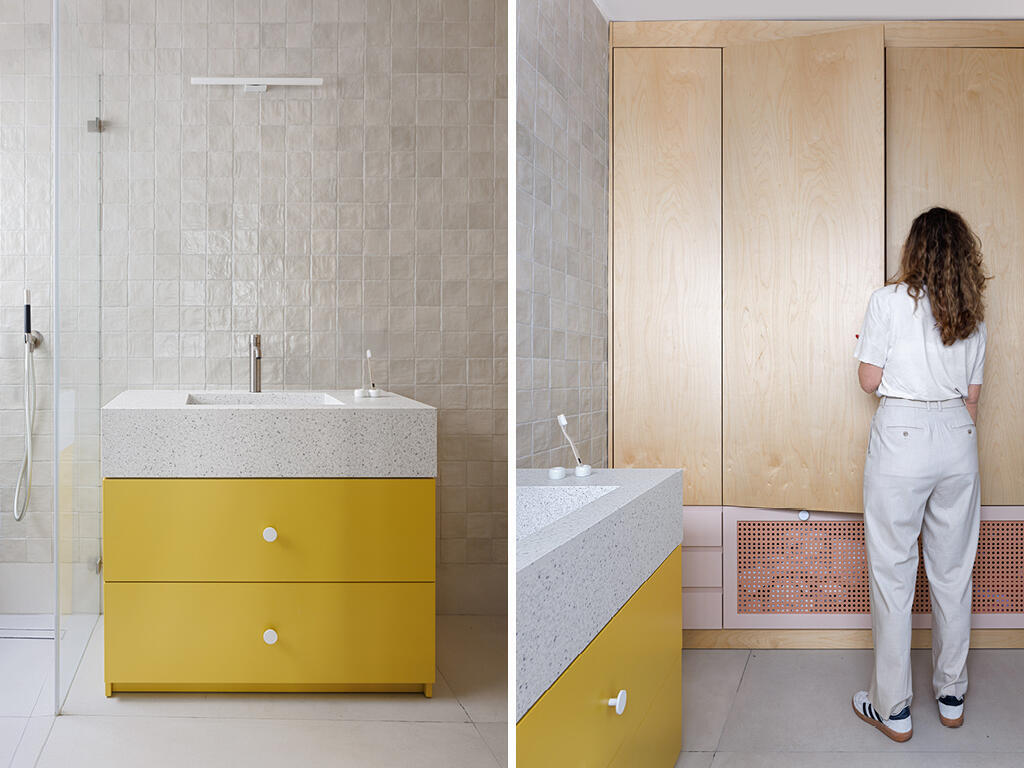
The sisters’ bathroom includes a large birch laundry cabinet hiding appliances, with perforated pink panels for ventilation and yellow-painted open shelves matching the sink cabinet’s Corian countertop.
(Photo: Anna Weil)
(Photo: Shai Epstein)
(Photo: Shai Epstein)
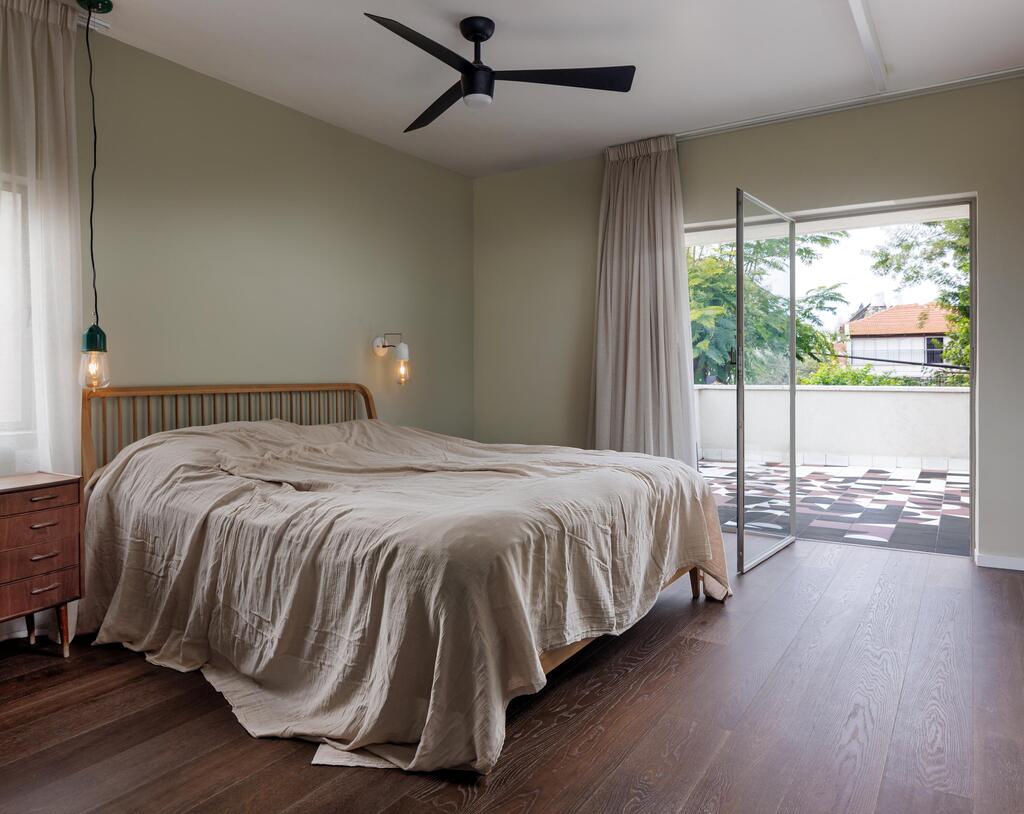
The top floor houses the parents’ bedroom with a Tolman’s Dot bed, a vintage wooden nightstand, and mismatched lamps sourced from a local market. A connected space splits into a parquet-floored wardrobe area and a bathroom with small blue Mutina tiles covering the floor, walls, bathtub and shower.
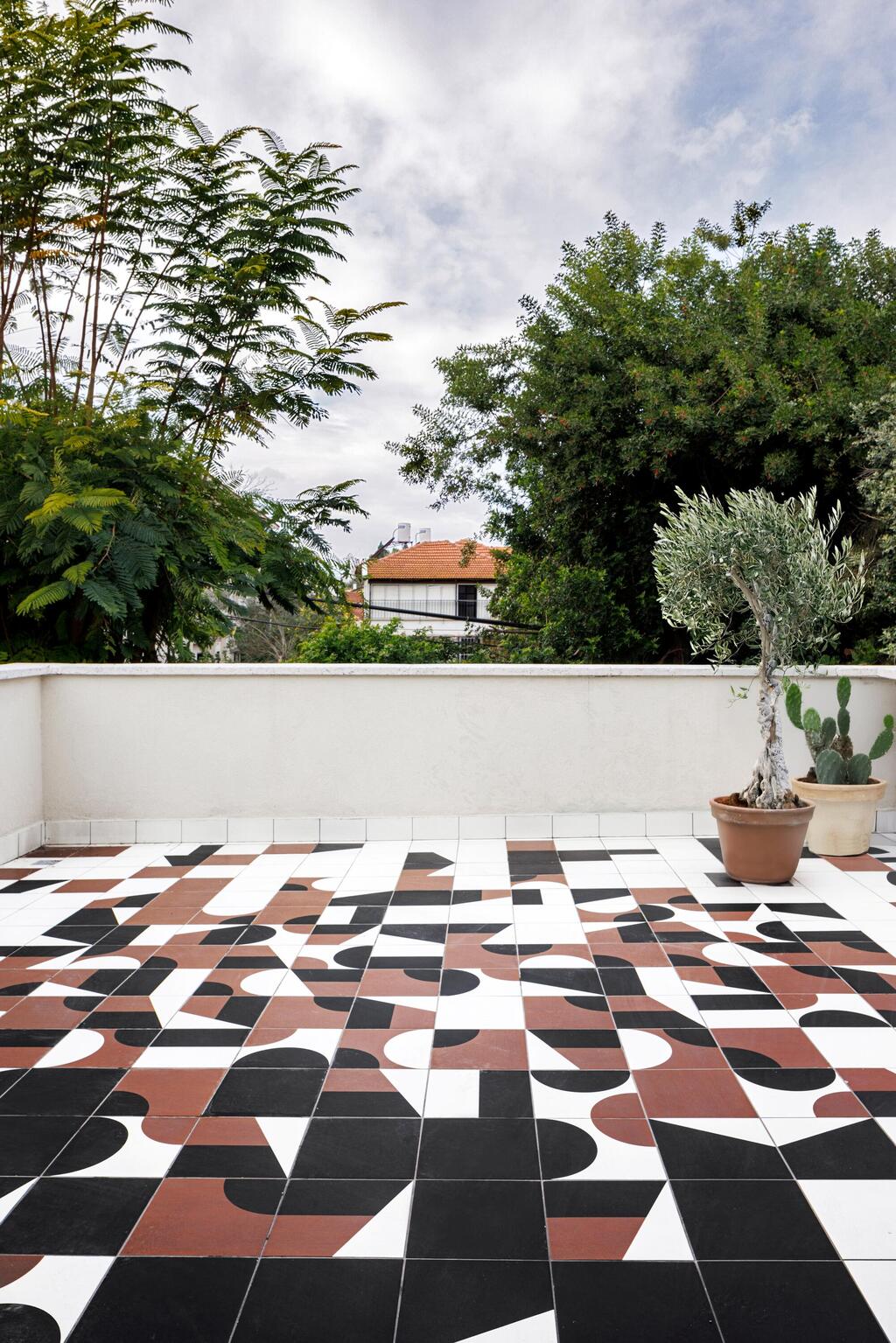
A stunning balcony with Mutina tiles, painstakingly arranged, overlooks treetops, creating a serene atmosphere. “We spent hours perfecting the tile layout,” Weil said, noting how the tranquil view nearly erases the war’s shadow that prompted the home’s transformation.