


As Israel faces increasing security challenges, the safe room — a reinforced security room required by Israeli law in all new buildings — is becoming a critical yet complex element of daily life, experts say.
With missiles targeting all regions of the country and buildings growing taller, residents find themselves confused and anxious, questioning if there is truly a safe refuge. Architecture and design professionals are calling for a fundamental rethinking of current standards for safe room design.

The safe room is considered preferable to a bomb shelter, or miklat, when warning times are too short for residents to reach a shelter located some distance away.
Shlomit Zeldman, head of Shlomit Zeldman Architecture and Interior Design, said the conventional safe room is no longer sufficient. “The reinforced security room is not the be-all and end-all; it’s time for systemic thinking,” she said. Zeldman noted that safe rooms as currently designed are overly exposed to direct hits — a vulnerability seen during the war with Iran. She advocates relocating protected spaces to the building’s core near elevator shafts and stairwells, a layout common in office buildings, to enhance safety.
However, Zeldman acknowledged design challenges: “An internal room does not meet the public’s expectations for a bedroom. It is often dim and poorly ventilated compared to a safe room with an external window, which limits everyday use.” She proposed creating shared floor-level protected spaces (mamak) located centrally near the building core, equipped with vertical shafts for ventilation and emergency escape. Such spaces, she said, are more likely to be maintained and fulfill their life-saving purpose.
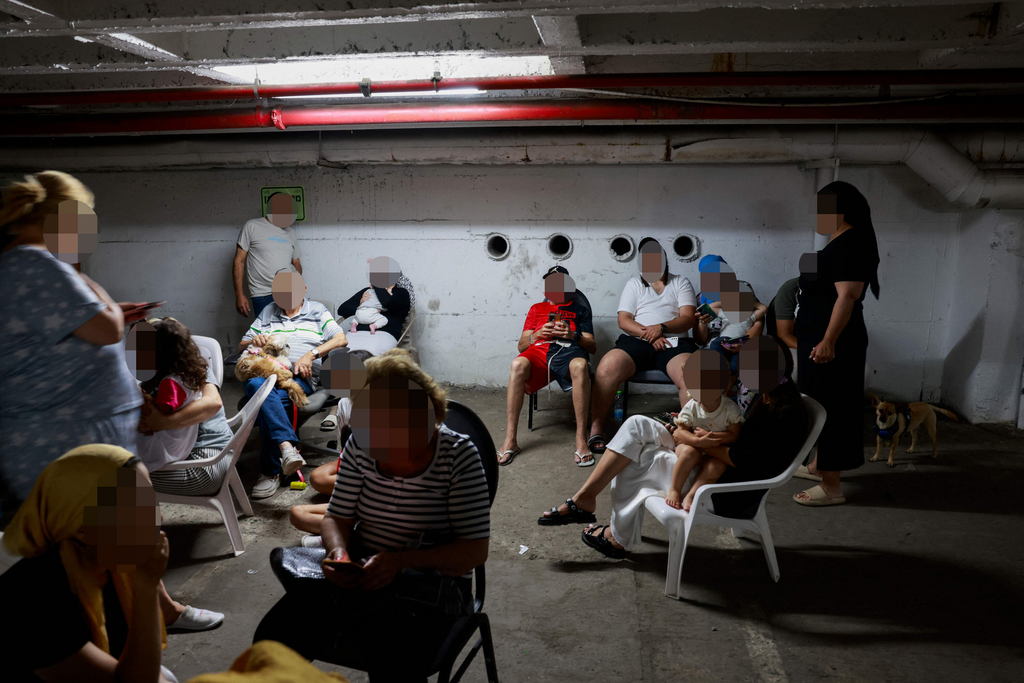
Regarding underground shelters, Zeldman predicted a resurgence, especially in low-rise or ground-level buildings. “A well-planned shelter with good access, ventilation and capacity for extended stays is essential,” she said. She also foresees public initiatives to develop accessible shelters within urban neighborhoods.
(Photo: Menahem Kahana / AFP)
Architect Benny Perry, founding partner of V5 Architects, emphasized realistic risk management. “No space offers total safety. Even standard safe rooms can be damaged by direct hits, but statistically, they protect in most cases,” he said. Perry advocates managing risks sensibly without turning homes into constant survival bunkers. He supports reinforcing existing rooms with steel plating and safe room-grade doors and windows for those without official protected spaces, a quicker and cheaper alternative suitable for older buildings.
For new developments, Perry suggests expanded safe rooms combining bedrooms with bathrooms to allow longer, more comfortable stays during emergencies. He also promotes strengthening entire building structures using industrialized methods, like the Bernovitch method, which casts buildings as monolithic concrete boxes to better resist blasts. “Buildings constructed this way have shown only localized damage and maintained stability during impacts,” he said, underscoring the safety benefits beyond standard codes.
Architect Ofer Arusi, partner at Ada Karmi-Melamed Architects, addressed the question of converting entire apartments into protected spaces. “It’s nearly impossible architecturally and financially,” he said, citing thick walls, limited openings and compromised quality of life. Instead, he advocates smartly integrated functional protected spaces, such as safe rooms, designed as bathrooms with showers and vestibules, which serve daily needs and improve emergency conditions.
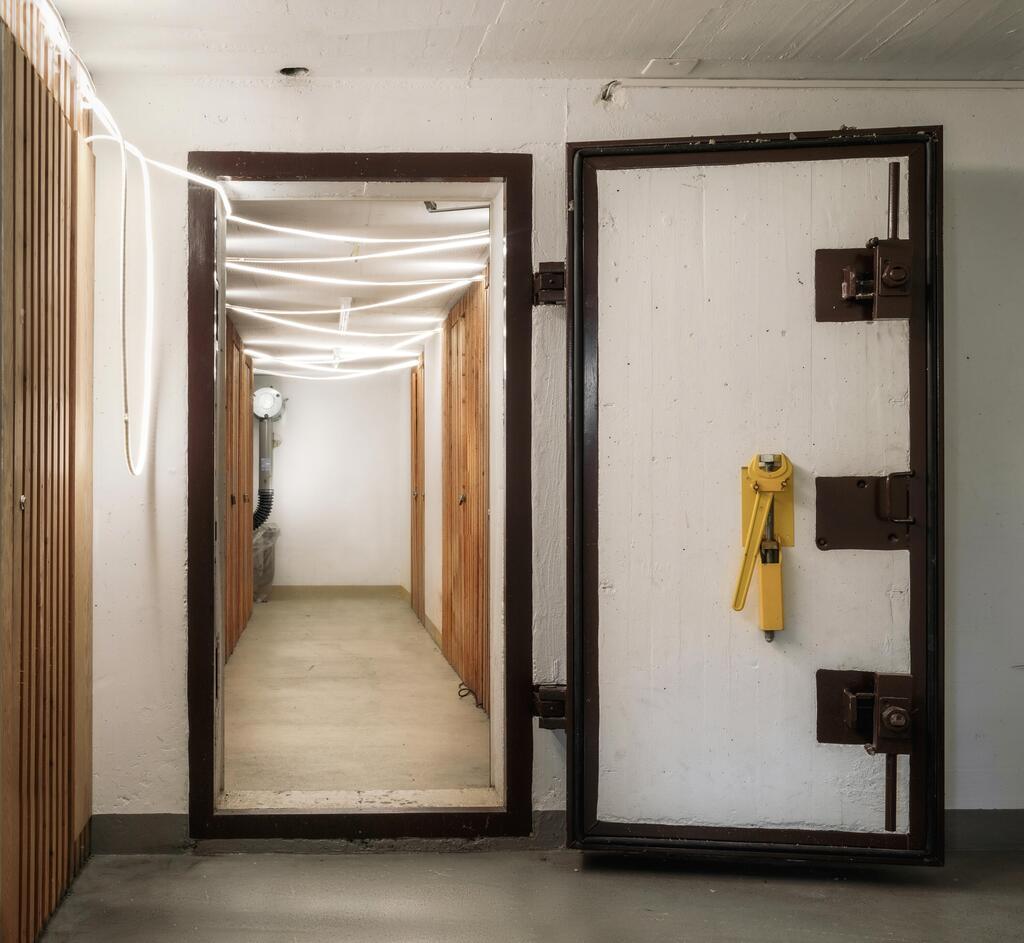
A typical atomic shelter in Switzerland
(Photo: Sophiecat/Shutterstock)
Arusi also highlighted lessons from Japan, where extensive underground networks connect transit stations, malls and public buildings. “There, these systems address population density or extreme climates and serve residents year-round,” he said. “In Israel, such infrastructure is for emergency use only, raising questions about the feasibility of the significant investment required.”
Get the Ynetnews app on your smartphone: Google Play: https://bit.ly/4eJ37pE | Apple App Store: https://bit.ly/3ZL7iNv
He concluded with a call to rethink urban planning: “We must ask how Israeli cities will look when threats are part of everyday life. To keep the economy functioning and people safe, protection solutions need to be accessible, integrated and aesthetically compatible with public spaces. Underground shelters at transit stations, architecturally treated concrete shelters in parks or boulevards—these concepts represent a needed shift from solely home-based protection to comprehensive urban resilience.”