

A few weeks ago, I was working with a client who came to me with straightforward requirements. "Budget of around three million shekels. We want to buy in Tel Aviv."
Like many international buyers, they had fallen in love with Tel Aviv. The beaches. The cafés. The energy. The lifestyle. I’ve ranted and raved enough about it; the city sells itself. In their mind, there was only one place they wanted to be.
For this client, Bat Yam wasn't giving up on Tel Aviv. It was creating a strategy that may one day make Tel Aviv far more attainable
(Video: Noah Sander)


But before we looked at a single apartment, I asked the same two questions I ask every buyer.
Why exactly are you buying? And equally important: what does your life in Israel actually look like? Those two questions ended up changing the entire direction of our search entirely.
A different kind of buyer
Like many buyers abroad today, this client wasn't working with the same purchasing power he would have not so long ago. The weak dollar right now is affecting most international buyers’ pockets by about 25%. It’s a huge hit. And it limits options that might have been within range only several months ago.
But the bigger realization came from our conversation.
His family wasn't planning to make Aliyah tomorrow. Perhaps not even within the next five years. But they also weren't ruling it out.
Like many Jewish families abroad today, the events of recent years had changed the way they thought about Israel. They weren't simply looking to buy a vacation apartment. They wanted to plant roots. They wanted to know that if conditions continue on the current trajectory, they already had something here.
Increasingly, I'm finding myself having this conversation with buyers from around the world. Naturally, purchasing property in Israel is becoming more than just an investment. It's becoming a form of long-term security. An insurance policy that also happens to be a real estate investment. And responsible planning often means preparing long before you ever hope to use it.
Once I understood that, our strategy changed completely.
We stopped asking: "How do we buy in Tel Aviv today?"
Instead we asked: "How do we make the smartest decision today that gives your family the greatest number of options five or ten years from now?"
That was the moment Bat Yam entered the conversation.
The first purchase isn't your forever purchase
One thing I've noticed is that many assume their first purchase in Israel has to be their forever home. Often, many haven’t even considered the option of selling several years down the road, and then buying another property.
In reality, many of the strongest property decisions are made in stages.
Rather than asking where you ultimately want to live, sometimes it's worth asking which purchase gives you the greatest flexibility in the future.
For this client, forcing Tel Aviv to fit his budget would have meant accepting compromise after compromise. And the numbers made that painfully clear.
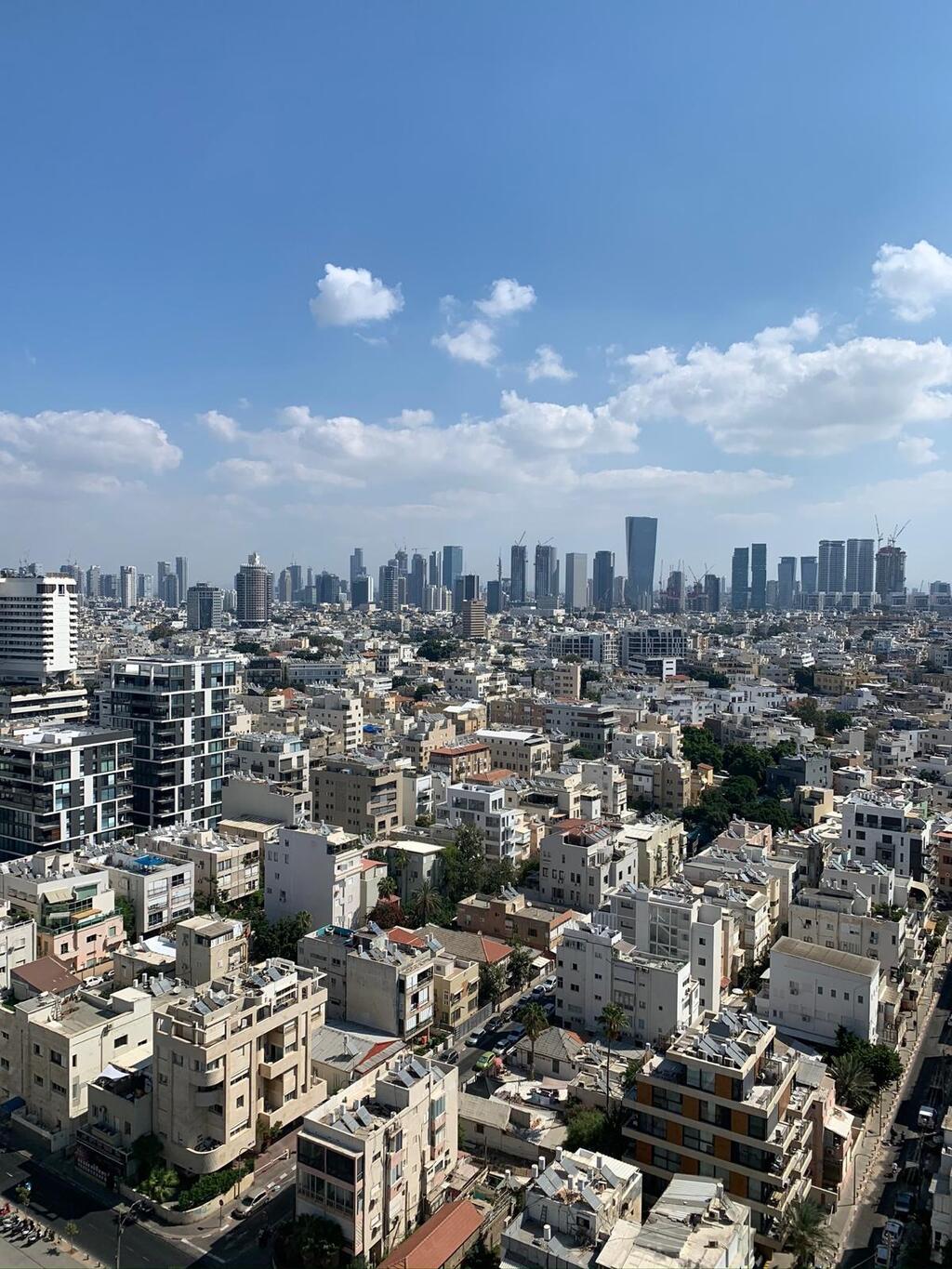
New construction in Tel Aviv today runs approximately 55,000 to 85,000 NIS per square meter depending on the neighborhood and building. In the Old North, Lev HaIr, or anywhere near the beach, you're at the mid-upper end of that range. On a budget of three million shekels, you are looking at a 1 bedroom unit. That’s it. A compact two bedroom if you want a Hong Kong style apartment.
After several viewings he turned to me and asked a question I hear often: "Is this really what three million shekels gets me?"
Painful but that’s the reality today in the market in Tel Aviv. So instead of forcing the budget to fit Tel Aviv, we changed the question.
Why Bat Yam deserves another look
I've written previously about Bat Yam and why I believe it's one of Israel's most interesting cities to watch. That view hasn't changed. If anything, my conviction has grown stronger.
Not because Bat Yam is trying to become Tel Aviv. It isn't. In fact, it’s far from it. Anyone who goes there today will see a city that is emerging out of its humble beginnings into a new, mid - transformation, modern city, that has been hiding in the shadows of Tel Aviv for years.
The attraction is that it solves a very specific problem - it offers buyers a beach town lifestyle with convenient access to Tel Aviv at a far more attractive price point.
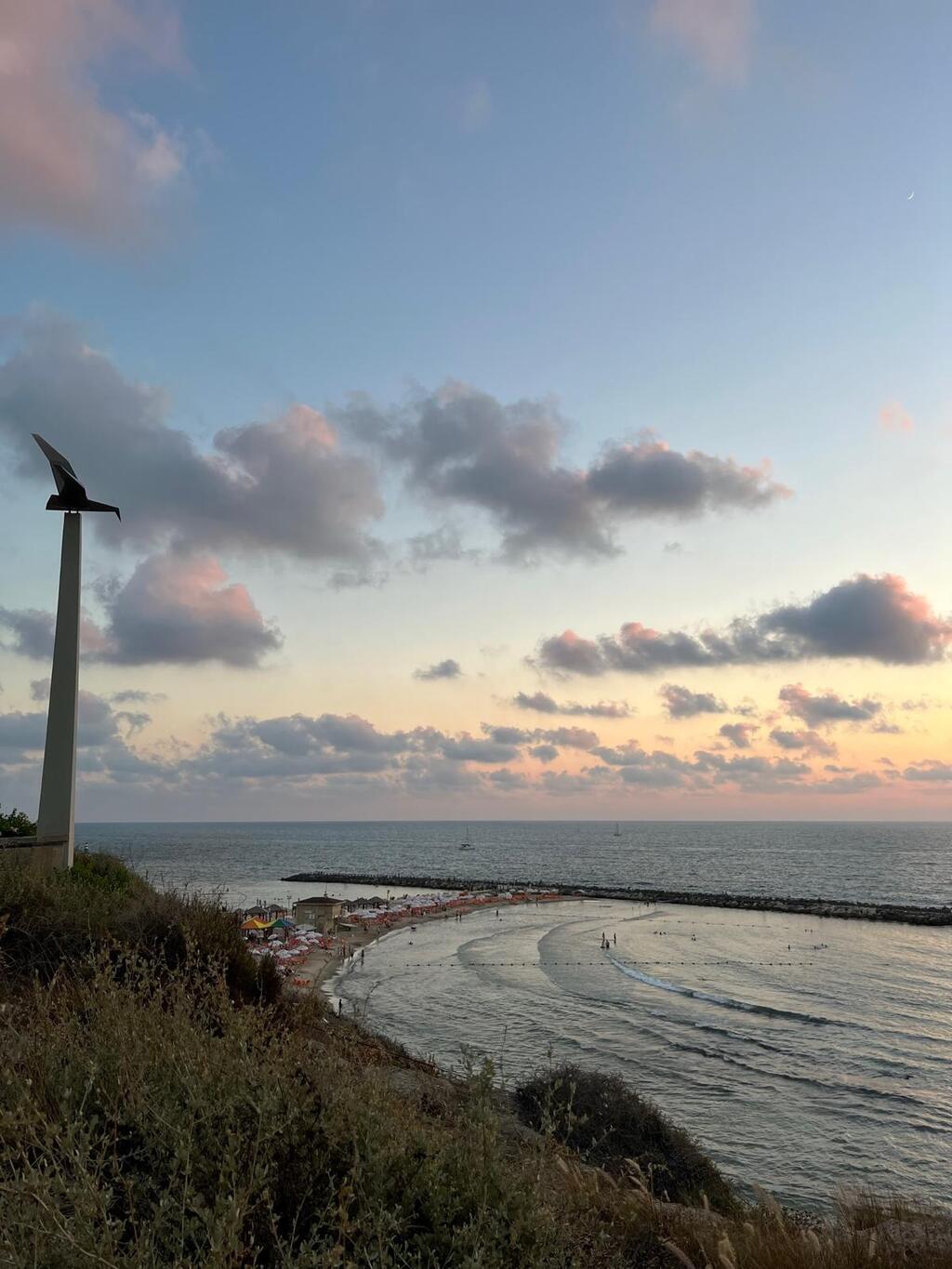
The attraction is that it solves a very specific problem - it offers buyers a beach town lifestyle
(Photo: Noah Sander)
And the numbers here tell a different story entirely.
New construction in Bat Yam currently sits at approximately 25,000 to 35,000 NIS per square meter. On the same three million shekel budget that buys a 1 bedroom in Tel Aviv at best, in Bat Yam it gets you roughly 90-120 sqm of built interior space which is a spacious a two bedroom or three bedroom , close to the beach, and within short walk to a light rail station, taking you fifteen to twenty minutes into central Tel Aviv via the Red Line light rail.
That's not a small difference. That's an entirely different proposition. By the end of our conversation, he wasn't asking how to make Tel Aviv work anymore. He was asking how quickly he could move on Bat Yam.
For this client, Bat Yam wasn't giving up on Tel Aviv. It was creating a strategy that may one day make Tel Aviv far more attainable.
More than just a price difference
When buyers consider coastal alternatives to Tel Aviv, Netanya often comes up, and understandably so. It's a wonderful coastal city with an excellent quality of life, a strong international community, and where your money will take you considerably farther than it does in Tel Aviv.
But the accessibility comparison isn't the same. Without a car, Netanya to Tel Aviv on public transport can easily take over an hour, either by bus or train, or a combination of both. Bat Yam is a different story entirely.
The Red Line light rail, by comparison, gets you from Bat Yam to central Tel Aviv in under twenty minutes. No traffic. No parking. No stress. Working in the city, an afternoon on the beach, meeting friends, dinner in Tel Aviv,, all remain entirely practical without a car.
Bat Yam doesn't sit near Tel Aviv's orbit. Increasingly so, it functions within it. That distinction matters enormously for a buyer who still envisions Tel Aviv playing a central role in their life.
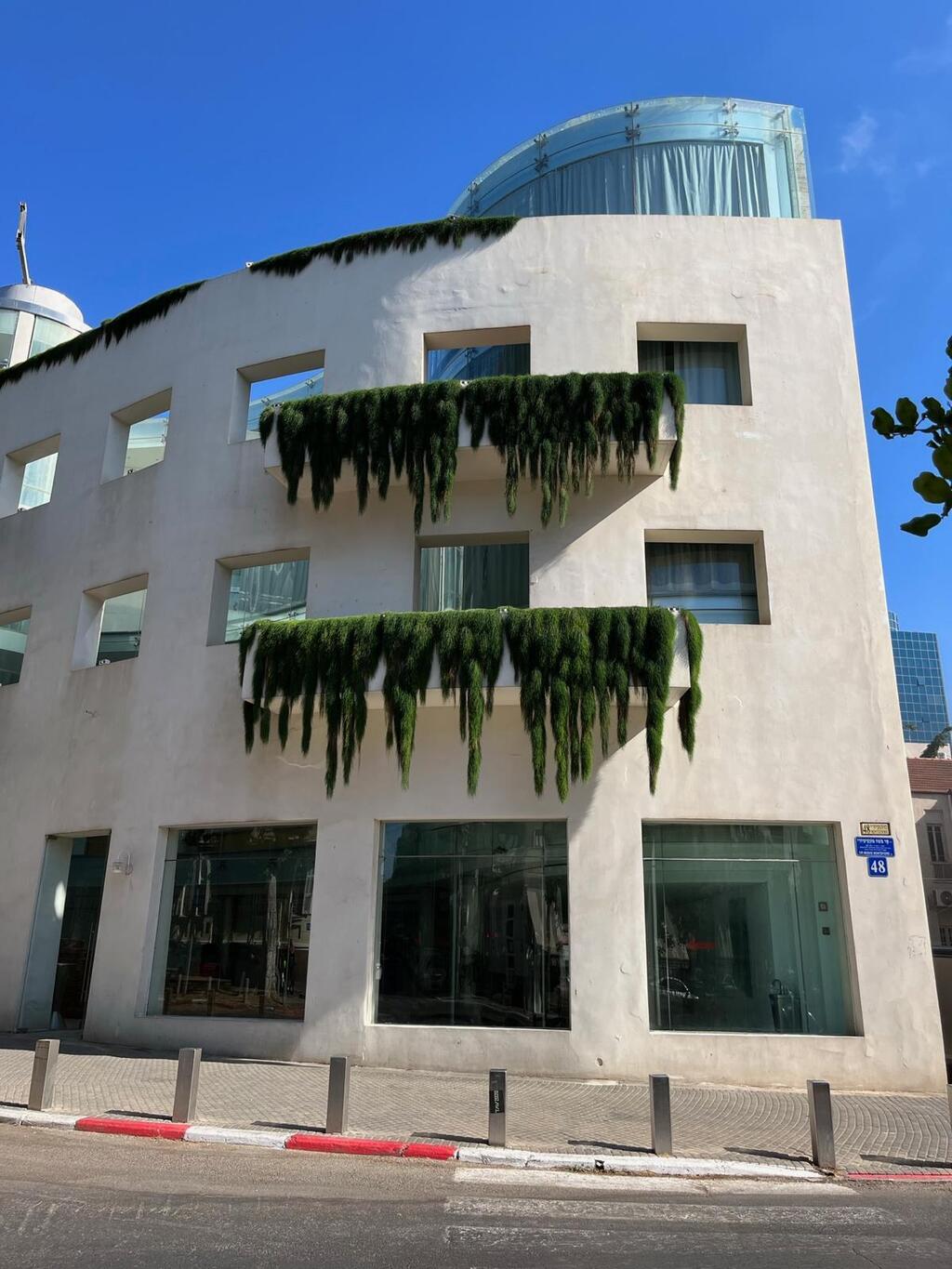
Bat Yam doesn't sit near Tel Aviv's orbit
(Photo: Noah Sander)
Buying yourself options
The biggest reason I like this strategy is because it has very little to do with Bat Yam itself. It has everything to do with flexibility.
Rather than stretching financially to buy the smallest apartment possible today “just to buy in Tel Aviv,” this client was buying himself options.
Perhaps in five years he keeps the apartment. Perhaps he rents it. Perhaps Bat Yam continues evolving and he benefits from that appreciation before eventually selling and purchasing in Tel Aviv.
I'm not going to pretend I know exactly what property prices will do in the coming years. Nobody does. But I will tell you what I believe based on what I'm seeing on the ground every day.
In my view, prime areas in Bat Yam have considerably more room to mature than Tel Aviv does right now. Tel Aviv is globally recognized, internationally sought after, and priced accordingly. The appreciation story there is largely written. For now. Bat Yam's isn't.
The light rail is operational, but the full network isn't complete. Urban renewal is active but far from finished. The international buyer community is starting to hear about Bat Yam but hasn't fully embraced it yet. Many major Israeli developers now have a meaningful presence there, and while developers indeed build where they see the future going, in many respects they actually create where the future will go. That’s true of many neighbourhoods right now.
I could be wrong. Markets are unpredictable. But that's my honest read of where the opportunity sits today, and good investors rarely wait until everyone agrees something is a great opportunity.
Who this strategy is suited for
Bat Yam is not the right answer for everyone.“But Noah, I walked around Bat Yam recently, it’s a far cry from Tel Aviv."
No, it’s not even close to Tel Aviv, but that’s true for virtually every city in Israel. Anyone who has an eye for potential cannot deny the overall feeling of “this city is going to look radically different in the coming years." Like much of the country, cranes fill the streets and skyline, old infrastructure being yanked out and replaced with new. And then when all is said and done, you hop on the light rail, and in what feels like a time-warp, you find yourself walking off into the streets of Tel Aviv barely 20 minutes later.
If you're making Aliyah tomorrow and your lifestyle genuinely revolves around a specific neighborhood - particular schools, synagogue, community, or daily rhythm that only exists there, then other places will be preferable. This article isn't arguing otherwise.
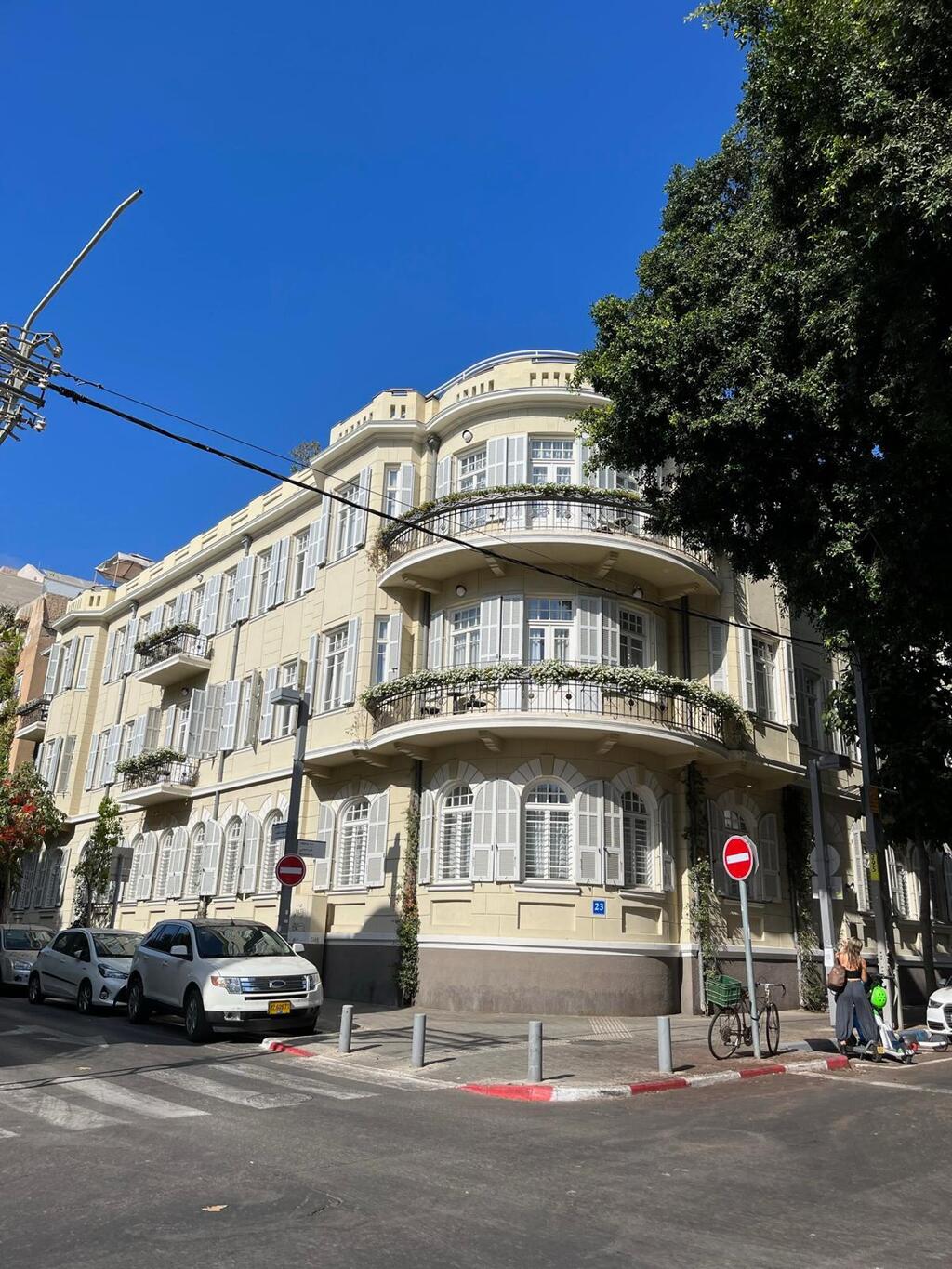
No, it’s not even close to Tel Aviv, but that’s true for virtually every city in Israel
(Photo: Noah Sander)
And to be clear: this isn't a blanket argument for Bat Yam over Tel Aviv. A buyer with a larger budget who can genuinely get what they want in Tel Aviv should buy in Tel Aviv. This strategy is specifically for the buyer who loves Tel Aviv, wants to be in the market, but finds that their budget creates more compromise than value at today's prices.
But if you're an international buyer looking to establish roots in Israel, enter the central coastal market, and you're thinking with a five to ten year horizon rather than five to ten months - then I believe Bat Yam deserves serious consideration.
Not because it's Tel Aviv. But precisely because it isn't. Sometimes strategy beats emotion
In my day-to-day work with buyers, I firmly believe that lifestyle should almost always come before the property. For the vast majority of people purchasing property in Israel, that's still the right approach. But every so often a buyer comes along with a different set of goals and a longer horizon, and the strategy needs to reflect that.
Good real estate is rarely about chasing an address. It's about making decisions that align with your goals, your timeline, and the life you're trying to build.
Sometimes the smartest investment isn't the place you ultimately want to live. It's the place that gives you the greatest freedom to get there.
Noah Sander is a Canadian-born real estate agent based in Tel Aviv, specializing in helping international buyers and new olim navigate the Israeli property market. Founder of ZionistInvestor.com. Reach him directly: [email protected]