

In recent years, amid rising antisemitism worldwide and an increase in immigration to Israel, more and more English-speaking families are choosing to establish their homes here, sometimes quickly and out of a sense of urgency. In this reality, the home planning process takes on a far broader meaning. It is no longer just a design project but an integral part of a complex and emotional life transition.
At Bazelet Architects, architects Shira Dromi and Anuk Ron specialize in exactly this process and describe what architectural guidance looks like long before a client even sets foot in Israel.
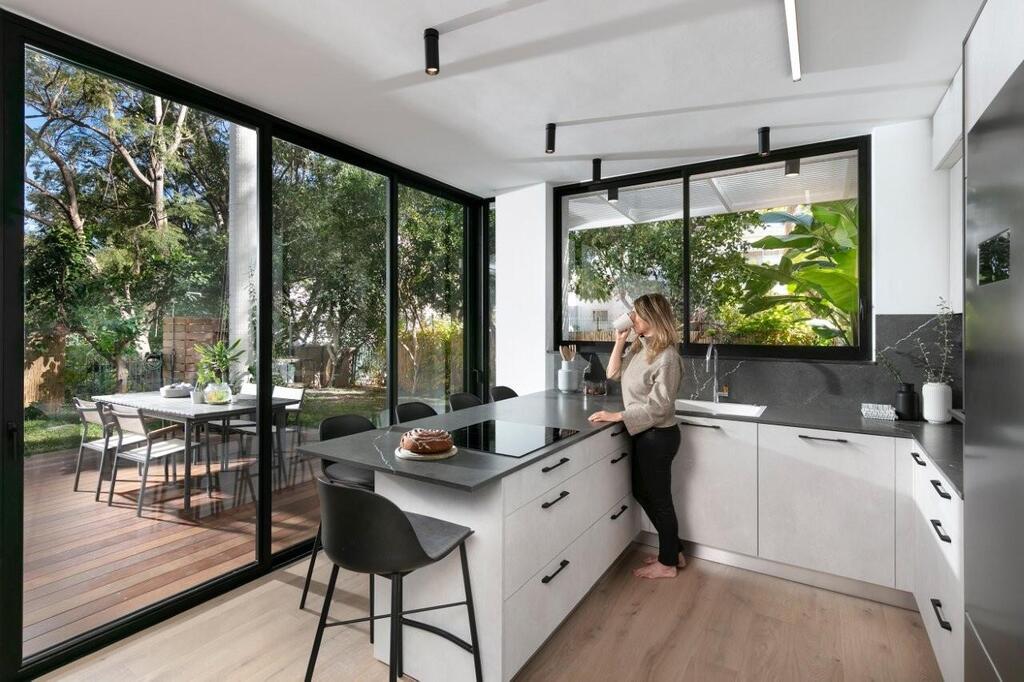
“In most cases we meet clients after they have already purchased a property,” they said. “But the choice itself is almost always made around community, a place where they already have family, friends or an English-speaking environment. That is a very significant anchor in the immigration process.”
The connection with Israel often begins well before the physical move and sometimes before the home design process itself. “We have quite a few projects that are managed almost entirely remotely,” one of them explained. “The clients are still living abroad, they come for short visits only, and the rest of the process, the planning, the selections, and coordination with suppliers, is handled through us. We are essentially their hands and feet here.”
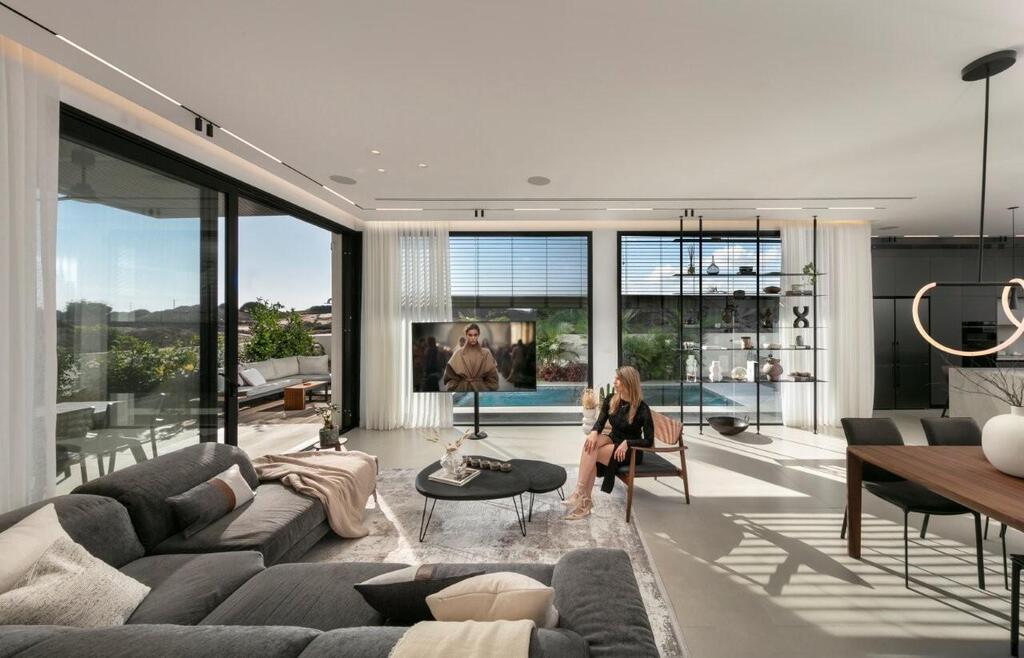
Bazelet Architects
(Photo: Elad Gonen)
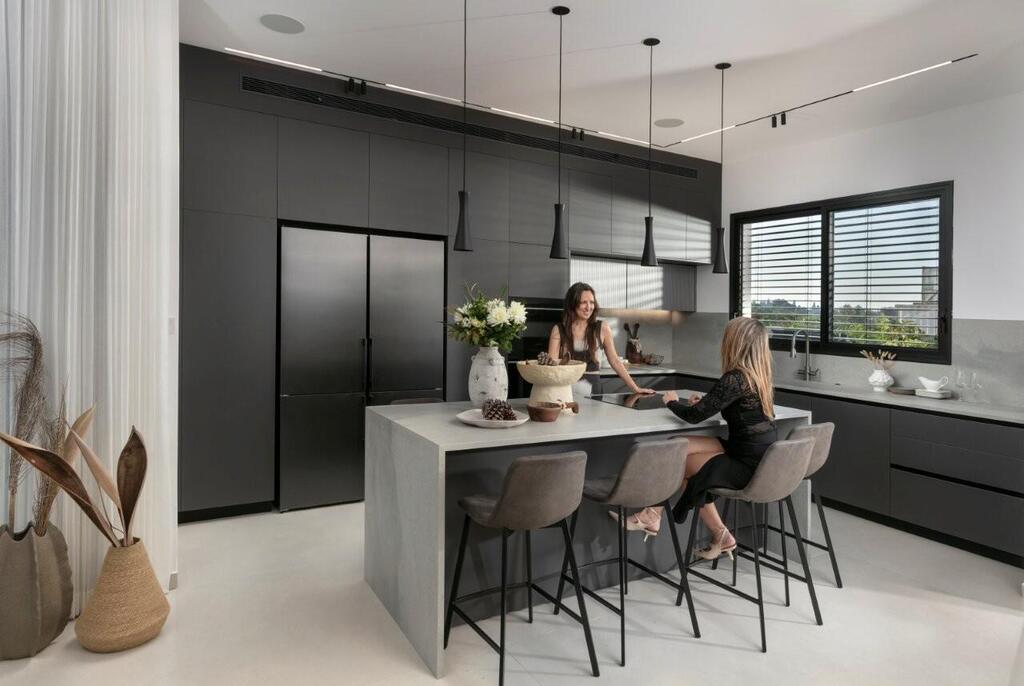
Anchor in Israel, the architectural journey
(Photo: Elad Gonen)
Current realities have only intensified this dynamic. “We are seeing more and more families who want their home ready as quickly as possible. There is a clear sense of the need for an anchor in Israel. The home becomes part of the move itself, not just a destination but a tool for creating stability.”
Beyond the logistical challenge of managing a project remotely, one of the central issues is aligning expectations. “English-speaking clients come with very high standards,” they said. “They are used to spacious homes, orderly planning and clear processes. In Israel the reality is different, and our role is to bridge that gap both professionally and culturally.”
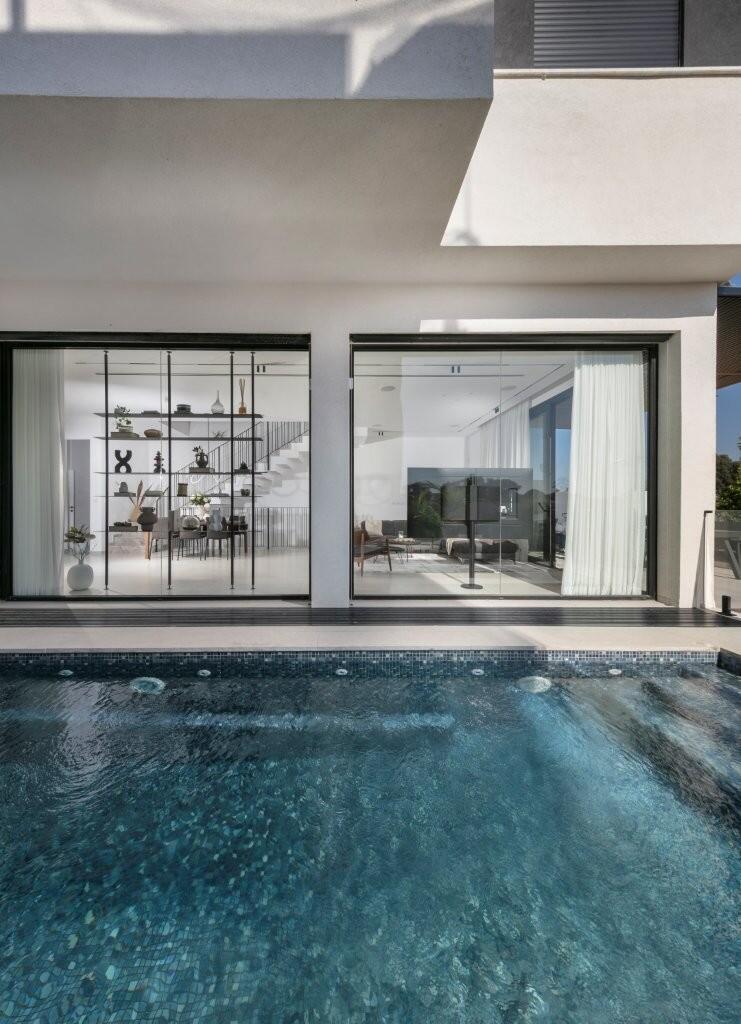
Design and planning, Bazelet Architects
(Photo: Elad Gonen)
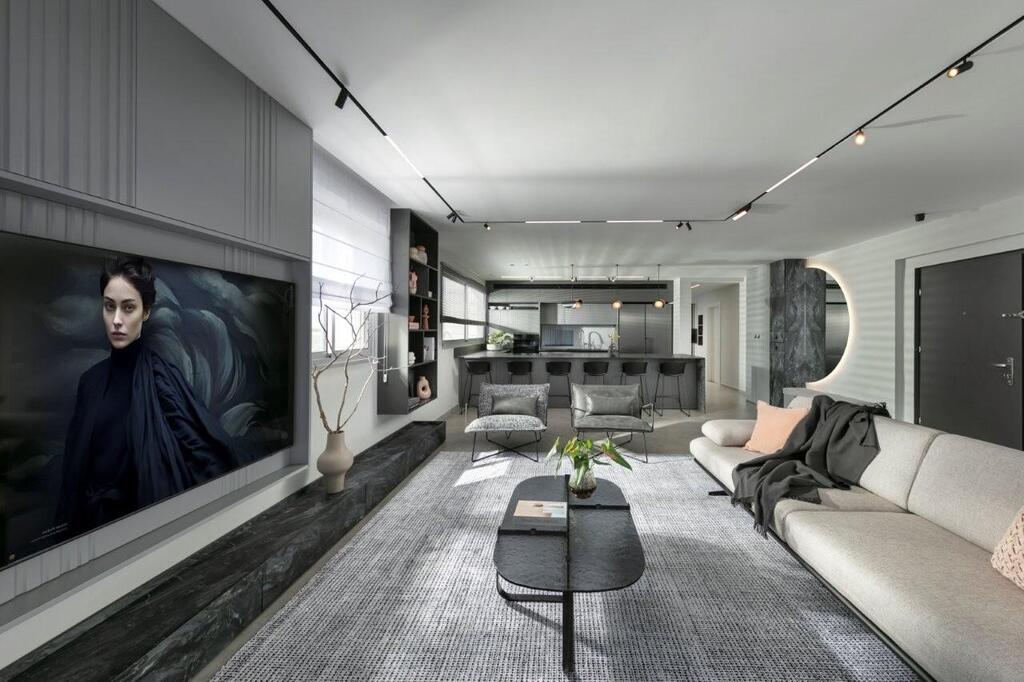
Design and planning, Bazelet Architects
(Photo: Elad Gonen)
To do this, the design itself takes on a particularly precise character. “We place great emphasis on a sense of space,” they explained. “Opening up areas, working correctly with natural light and creating flow between functions all allow relatively small apartments to feel larger, comfortable and inviting.”
Alongside this, there are also deeper adjustments to lifestyle. “Most of our clients have an affinity for tradition. This is reflected from the earliest stages of planning, double kitchens, tailored storage solutions and designs that allow for Shabbat hospitality. These are not additions, they are part of the foundation.”
The design language itself is also shaped by cultural background. “There is less show-off. The line is classic, clean and very precise. At the same time, many clients bring furniture and objects from abroad, personal items that accompany them across countries. We see this as part of the story. It is important for us to integrate these elements properly and give them a place.”
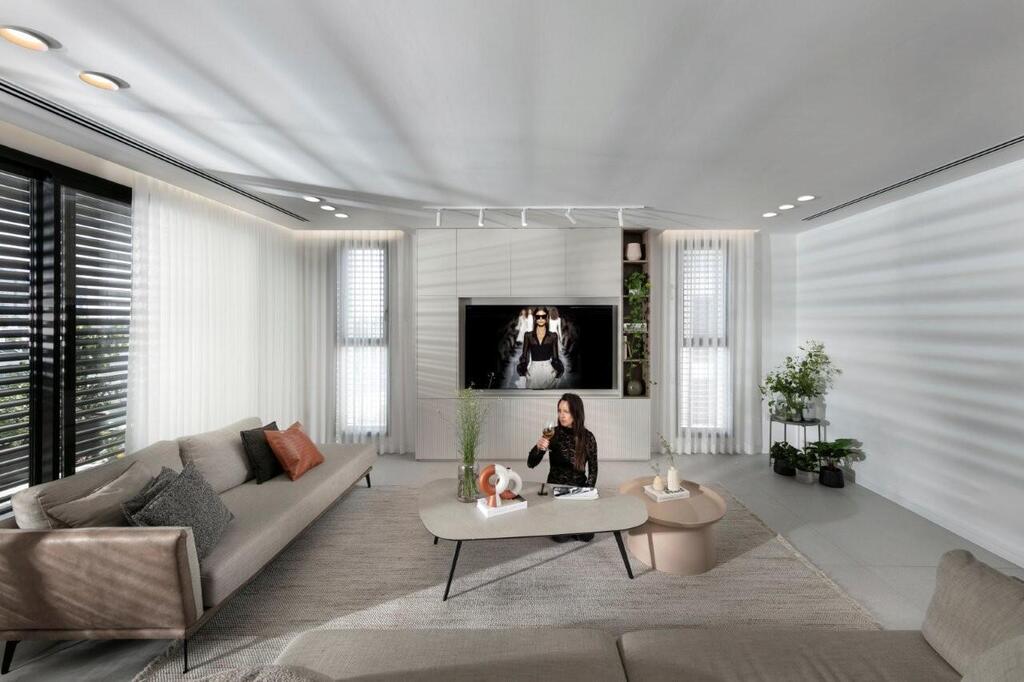
Anchor in Israel, the architectural journey
(Photo: Elad Gonen)
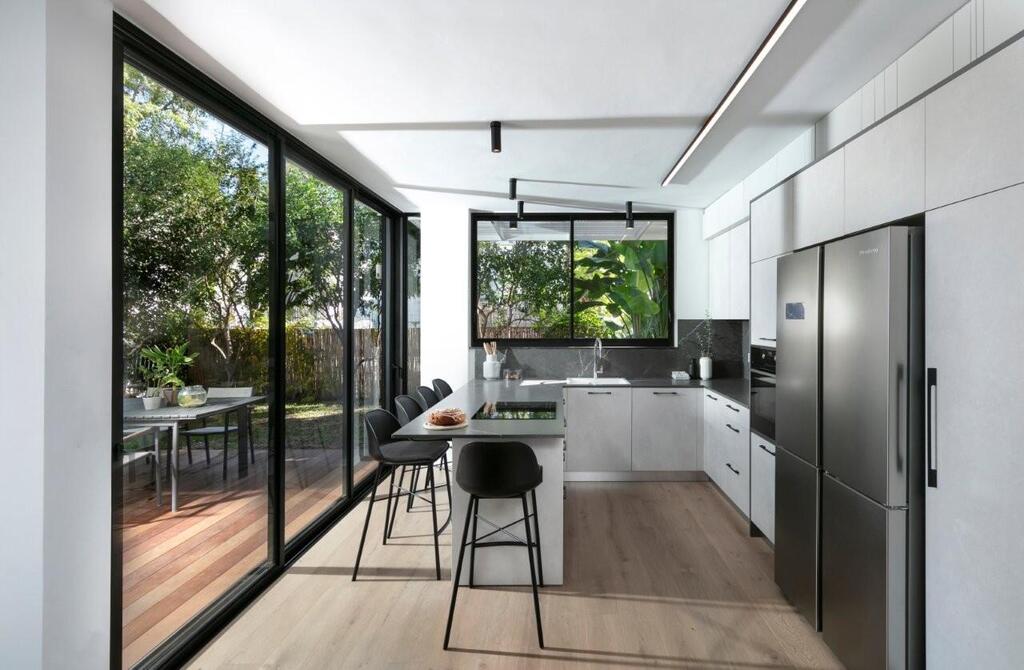
Bazelet Architects
(Photo: Elad Gonen)
One of the studio’s key strengths, they say, is the ability to understand clients in depth, not only professionally but also culturally. “Language is a significant tool,” they said. “As native English speakers, we are very familiar with the culture, which strengthens the connection.”
This understanding is also reflected in how the process is managed. “Our clients need order, clarity and a sense of control. Especially when they are not physically here, it is important that someone is managing everything for them in a precise and transparent way.”
In the end, both conclude that working with immigrant clients goes far beyond architecture. “We are not just designing a home,” they said. “We are accompanying people through a very significant period in their lives. This home is a new beginning and our responsibility is to make it feel right from the very first moment.”