

Over the past decade, more and more companies have sought to reshape not only how we work, but also how we live. Under promises of community, experiences and a range of wellness services, urban living is gradually shifting from a functional product — a place to sleep — into a branded offering that provides not just shelter, but a lifestyle.
As a result, the apartment is becoming part of a broader system of services, including shared spaces, gathering areas and social interaction. Behind one of the more intriguing ventures in this space is Israeli-American entrepreneur Adam Neumann, the founder of WeWork. The same figure who promised to transform the world of work — and to some extent did — and who stood at the center of one of the most high-profile sagas in the tech and finance worlds, is now trying again, this time in housing.
Gallery
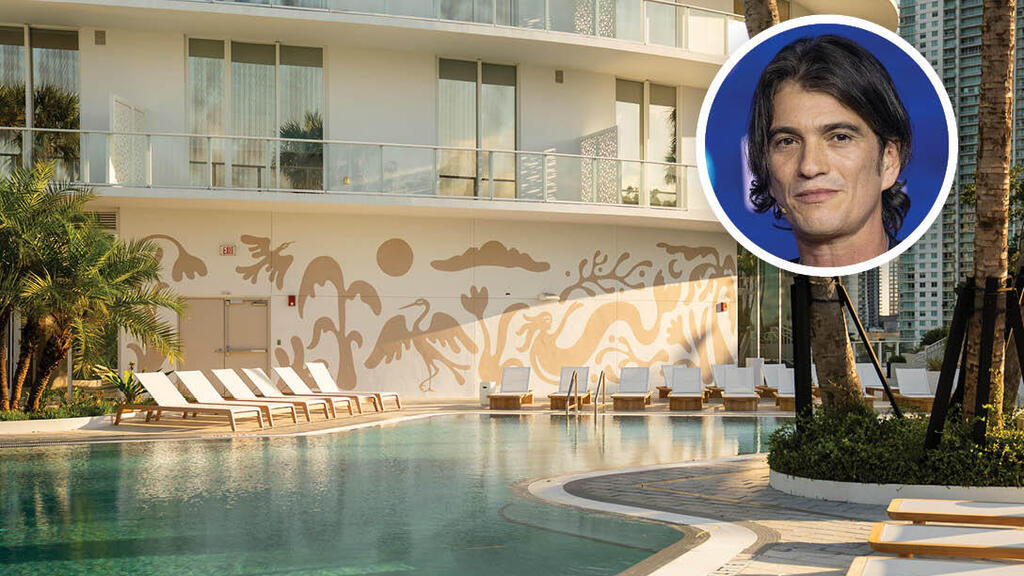
Adam Neumann and the shared pool space at the BRICKELL complex, Miami
(Photo: Shahar Azran \ Getty Images Flow)
Neumann, who spent part of his childhood on Kibbutz Nir Am near the Gaza border, has often said he “brought the kibbutz to the world.” His new housing venture clearly echoes the communal and shared lifestyle associated with kibbutzim, and Israeli society more broadly.
From yoga to cocktails with the neighbors
The new venture operates under the name Flow, a U.S.-based company founded in 2022 shortly after Neumann’s departure from WeWork and aims to redesign the urban living experience. The model draws inspiration from flexible workspaces and managed services, applying them to housing: not “regular” rental apartments, but curated environments with shared spaces, services and social activities integrated into residents’ daily lives.
Adam Neumann's residential project in Miami
(Video: Courtesy of Flow)


Early on, the company secured an unusually large investment of about $350 million from venture capital firm Andreessen Horowitz. It launched in South Florida, primarily in the Miami and Fort Lauderdale areas, where it acquired several existing residential buildings as a foundation for developing the model.
Flow presents itself not merely as a real estate company renting furnished apartments, but as a broader housing model based on what it defines as a “connection between people, space and design.” The premise is that housing is not just a basic need, but a system capable of fostering relationships, shared routines and a sense of meaning — much like networking in the professional world.
Accordingly, projects are designed as small communities, with an emphasis on shared spaces, events, activities and complementary services. In practice, complexes offer residents co-working spaces, gyms, yoga studios, pools, shared kitchens, cafés and lounge areas, alongside cleaning and maintenance services. All are managed under a single entity seeking to create a unified and defined living experience.
True to his style, Neumann - married to Rebecca and father of six children (and also brother of model Adi Neumann, who also lives in Miami) - frames the venture in language that borders on idealism rather than conventional real estate. Speaking recently on the “Tetragrammaton” podcast hosted by music producer Rick Rubin, Neumann described the initiative as an attempt “to create a more connected and fulfilling living experience,” adding that “housing is much more than just a place to live.”
According to him, the goal is to build environments where people feel part of a broader network of relationships and experiences, not merely tenants renting space. In this sense, the company positions itself not just as a real estate product but as an attempt to redefine the relationship between people, place and environment — even if, in practice, it is a business model that organizes those values into a well-managed, branded system.
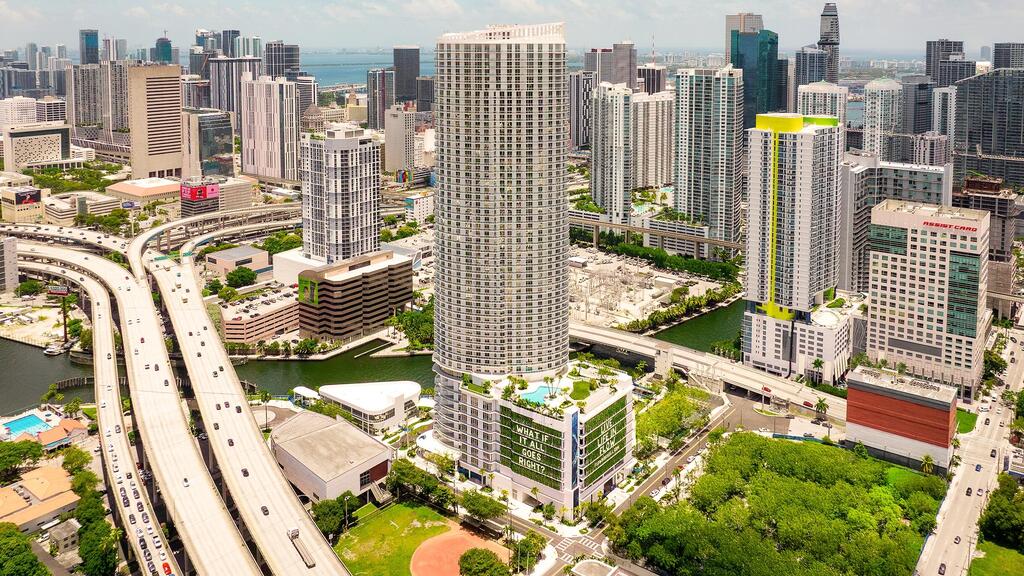
Brickell Co-op in Miami
(Photo: Flow)
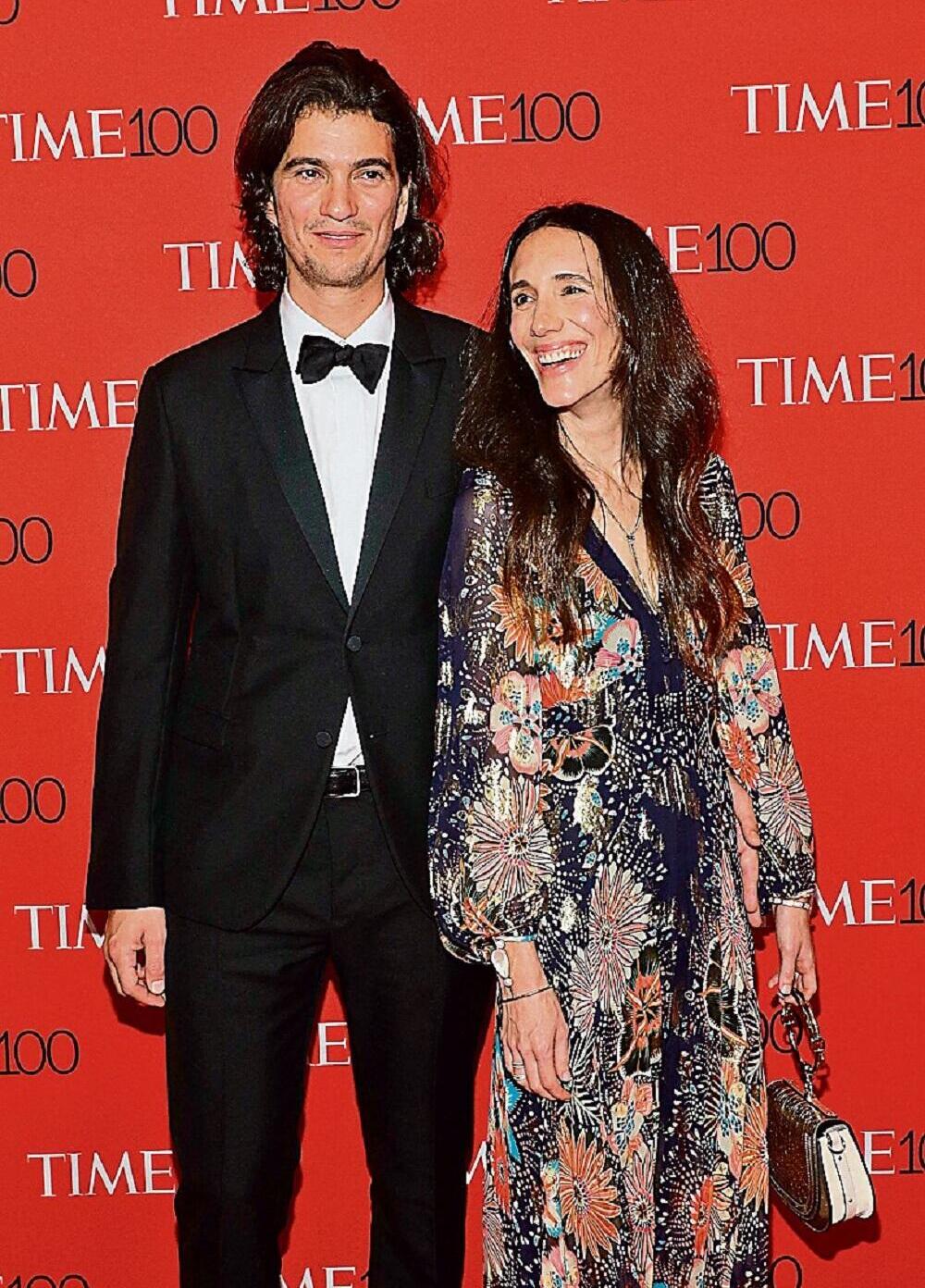
Adam and Rebekah Neumann
(Photo: Getty Images)

His sister Adi Neumann
(Photo: Anat Mossberg)
Marketing efforts around the venture are notable. In one example, American influencer Caleb Simpson, known for touring people’s homes, appears in a TikTok video “randomly” encountering Neumann on the street and asking for a tour of the new Miami complex. Simpson, who has 8.6 million followers on TikTok and 2.7 million on Instagram, has long since become a marketing platform rather than purely organic content.
The video begins with a friendly meeting — notably with Neumann wearing shoes, unlike his usual barefoot image — and proceeds through coffee and pastries to the building lobby, where light-colored sofas are arranged in a circle to encourage conversation. The tour continues past tropical greenery to a sunny trampoline class on the lawn beside a photogenic pool, a carefully designed yoga hall in cream tones, a sauna, a 24/7 gym, an aesthetic grocery store for residents and a studio with modern Pilates beds. There are also fully equipped meeting rooms and co-working spaces aligned with the overall design language.
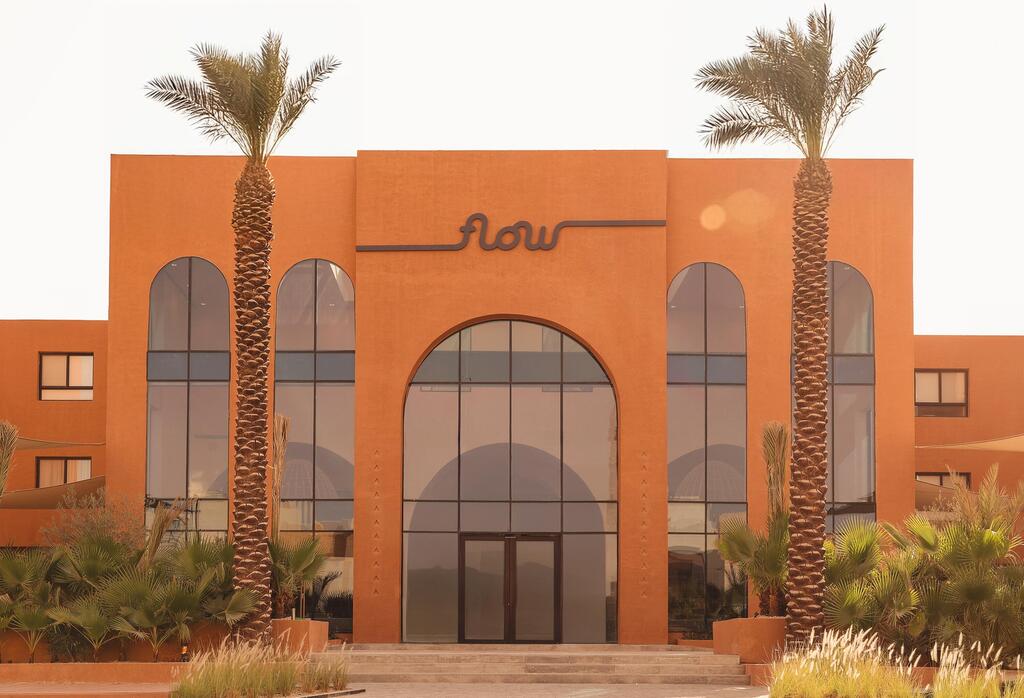
Facade of one of the buildings. Design connected to the desert's hues
(Photo: Courtesy of Flow)
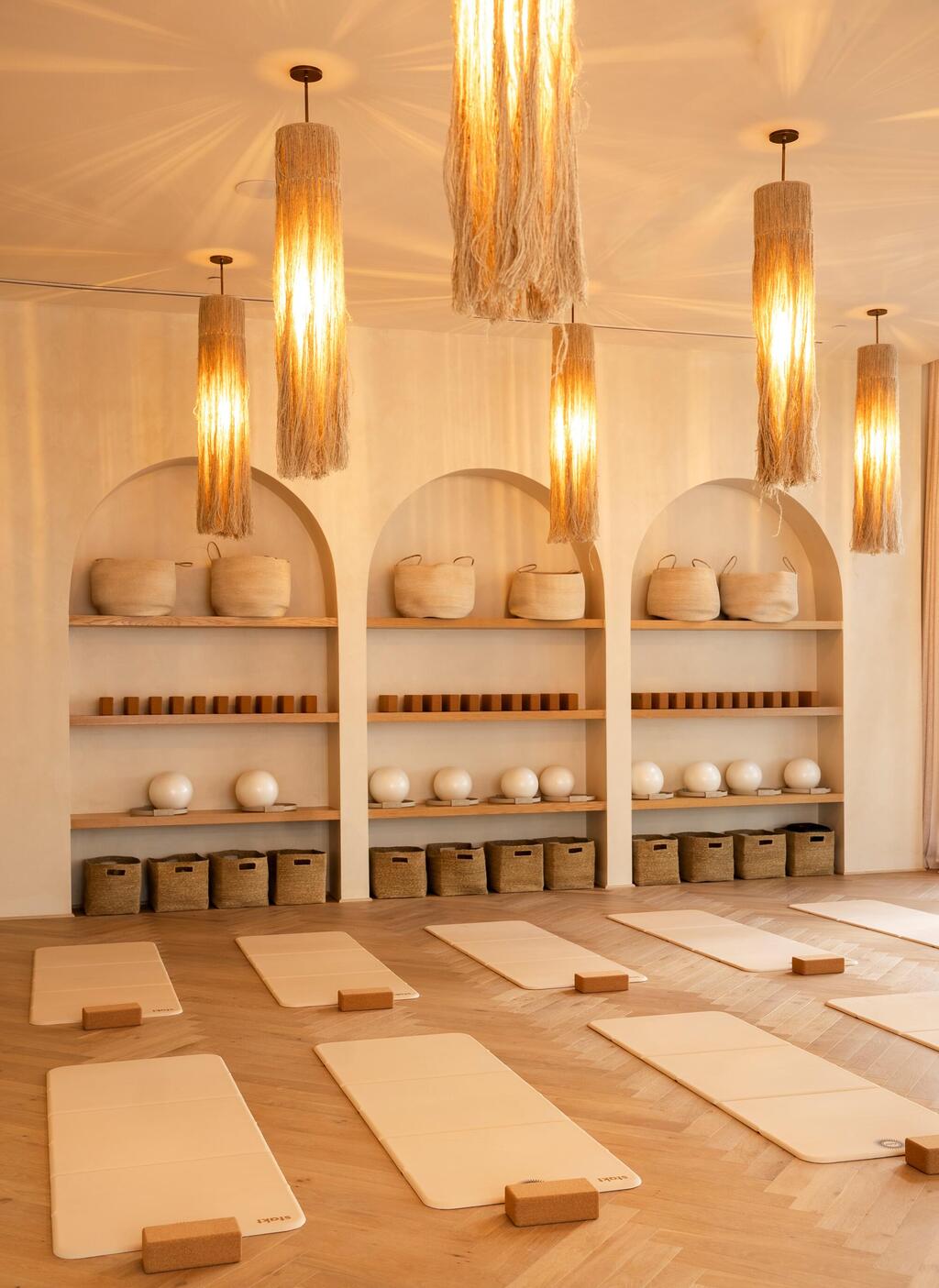
A yoga practice space
(Photo: Flow)
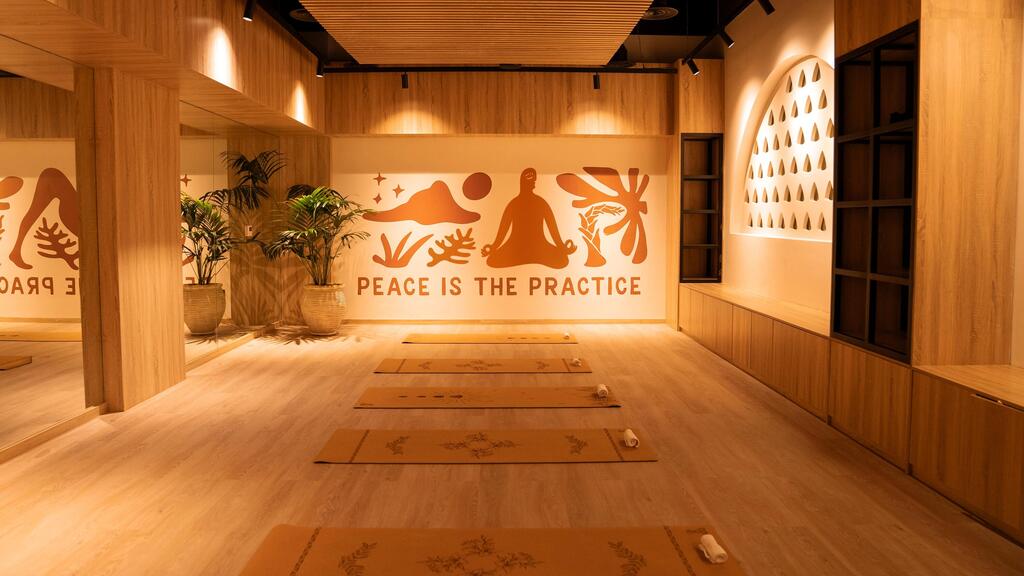
(Photo: Courtesy of Flow)
“What matters is safety and cleanliness. Once you have those, you get to community. Those three things together create the experience,” Neumann explains. “There are events all the time, and prices start at $2,000 a month.”
The two also “run into” a long-time resident who lived there even before Flow took over, adding his own praise after four years in the complex. “We also meet for community barbecues with 60 to 80 people,” he says, reinforcing the sense of togetherness.
From collapse in New York to a new chapter in Florida
A brief recap of Neumann’s entrepreneurial career: He co-founded WeWork in New York in 2010 with a partner, opening its first co-working space in Manhattan’s SoHo. The company grew into a global powerhouse that reshaped office real estate by offering shared workspaces and fostering connections and networking.
That collaborative ethos has been central to nearly all of Neumann’s ventures. Even before WeWork, he and partner Miguel McKelvey launched Green Desk in Brooklyn in 2008 — effectively a prototype for shared, eco-friendly workspaces.
The ending was less glamorous. WeWork, which at one point in 2019 was valued at $47 billion, filed for bankruptcy protection in October 2024 after buckling under debt and lease obligations. Neumann’s ouster in September 2019 was one of the most dramatic episodes in tech, driven by investor pressure led by SoftBank after the company’s failed IPO attempt exposed massive losses and governance concerns.
Despite his removal, Neumann received what is often described as a “golden parachute,” with a departure package estimated at about $1.7 billion, including stock sales, consulting fees and loans.
Who knows their neighbors?
Today, Neumann is based in Miami and deeply involved in Flow. His messaging comes amid broader social trends. In a period marked by rising loneliness in the United States — with roughly a third of adults reporting feelings of isolation, and some surveys suggesting even higher figures — initiatives like Flow can be seen as attempts to address a widespread phenomenon, or at least to identify a growing need and turn it into a business opportunity.
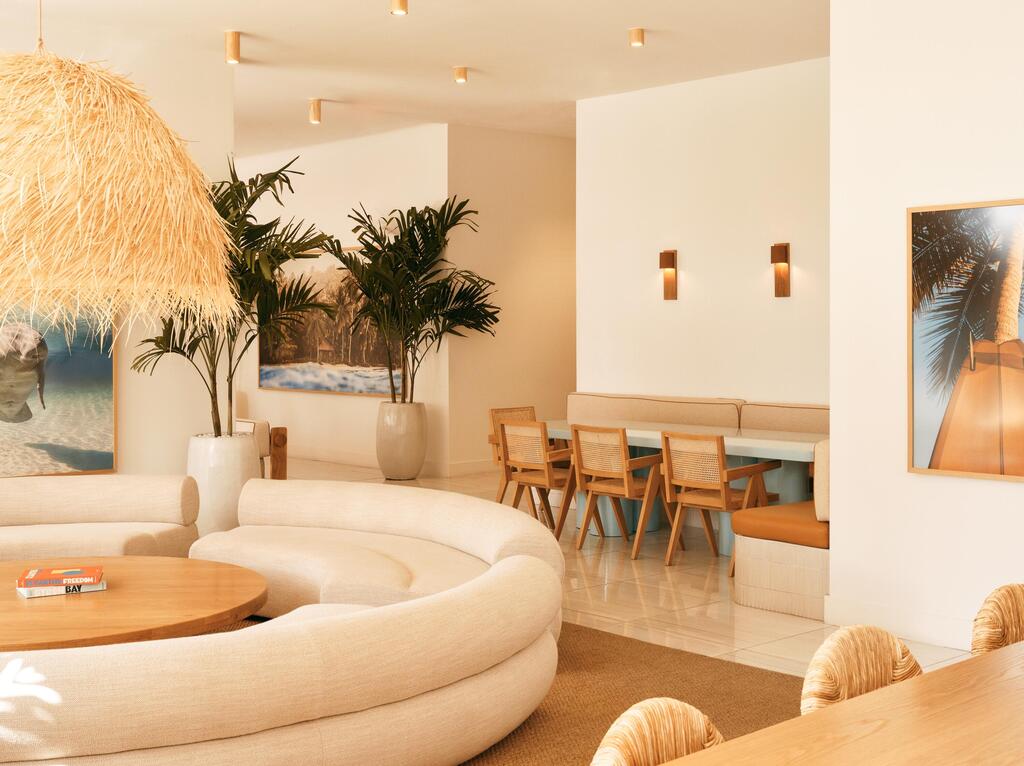
Community Lounge in Flow Miami
(Photo: Flow)
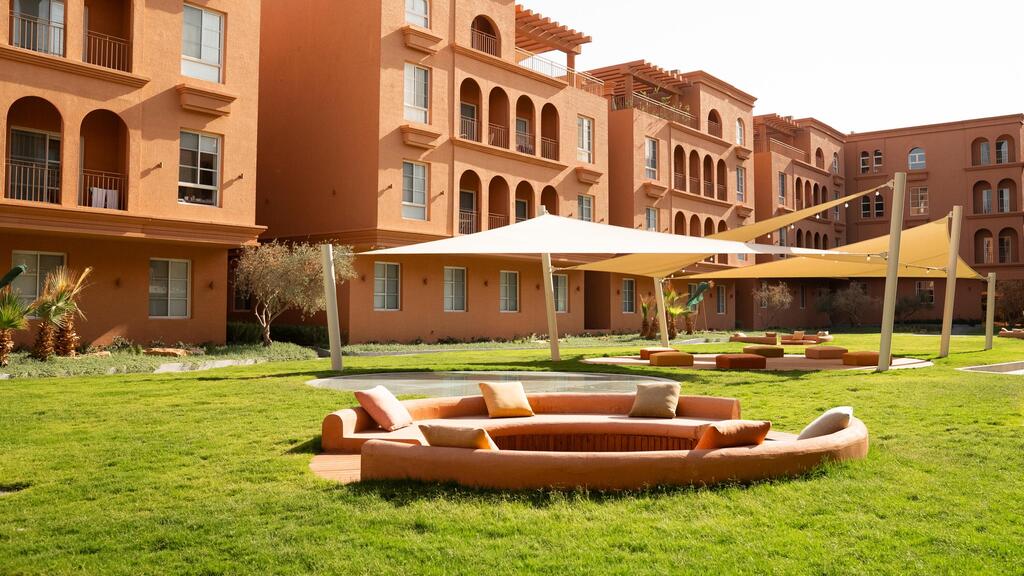
Seating areas on the lawn
(Photo: Courtesy of Flow)
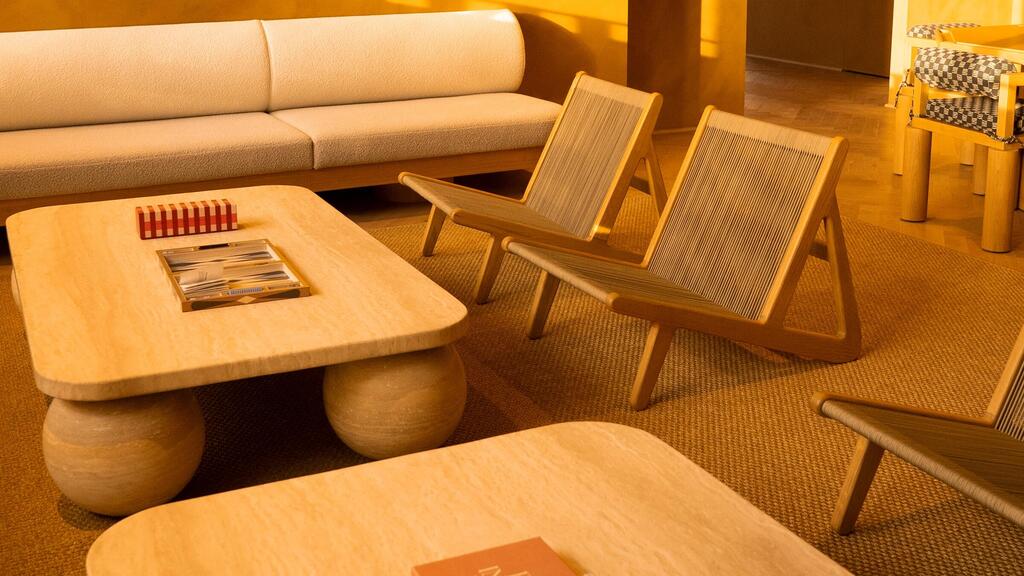
Seating areas with games
(Photo: Courtesy of Flow)
Within this context, Flow does offer a residential framework designed to foster proximity and interaction among residents, even if presented in a curated and commercialized way. The approach also reflects criticism of the traditional rental market, often perceived as anonymous and alienating, and seeks to replace it with a model resembling hospitality brands or co-working environments — one that turns living itself into a social experience.
Each Flow building offers multiple housing models under one roof, from short-term stays similar to Airbnb, to mid- and long-term rentals, and even opportunities to purchase apartments. The idea is to create a flexible continuum in which residents can move between different living arrangements without leaving the “system.”
Accordingly, many units are relatively small — from studios to three-room apartments — emphasizing compactness and efficiency over large family space. The target audience appears to be young professionals, singles and couples seeking flexibility and services, rather than families looking for long-term stability.
Design and pricing
Design plays a central role. The aesthetic combines Scandinavian minimalism with what is often branded as a “desert” style — a trend loosely inspired by the Middle East and North Africa. The result is a contemporary, softened look featuring natural materials, rounded furniture, sand- and stone-like textures and warm earth tones, alongside influences from beach and surf culture.
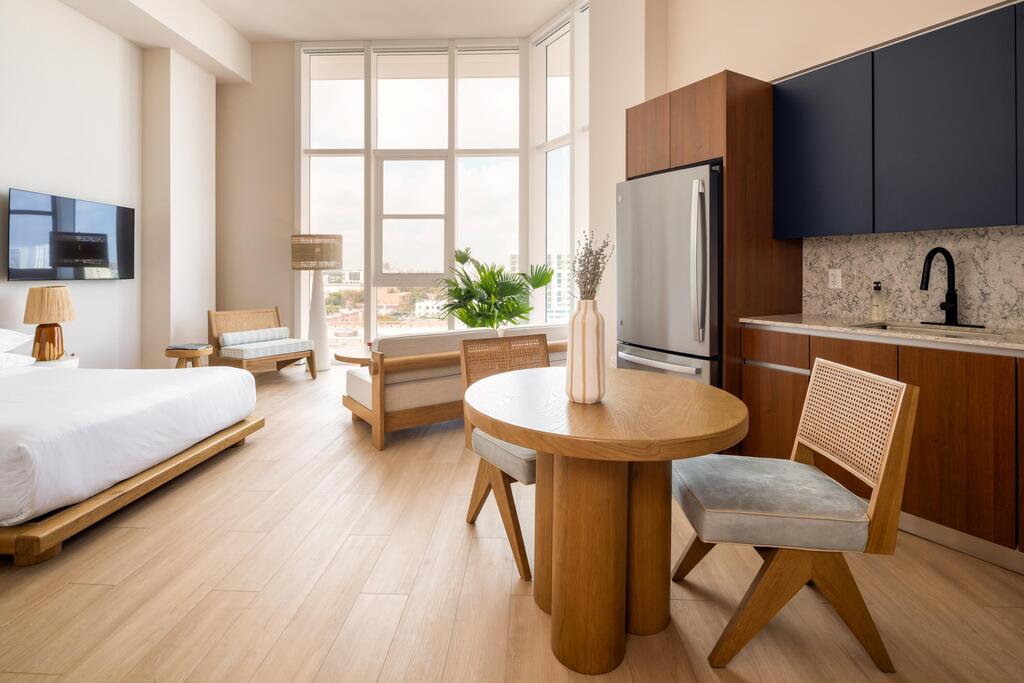
Studio apartment in Miami
(Photo: Flow)
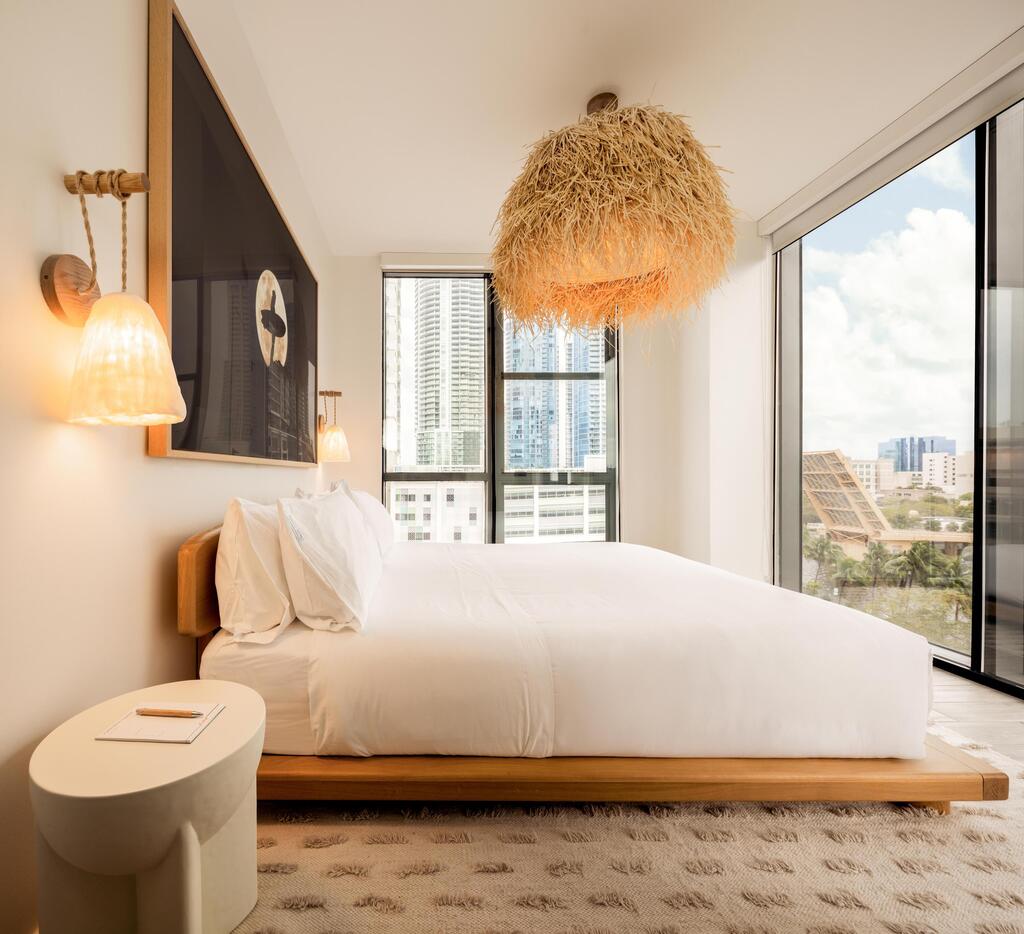
A furnished Flow apartment
(Photo: Flow)
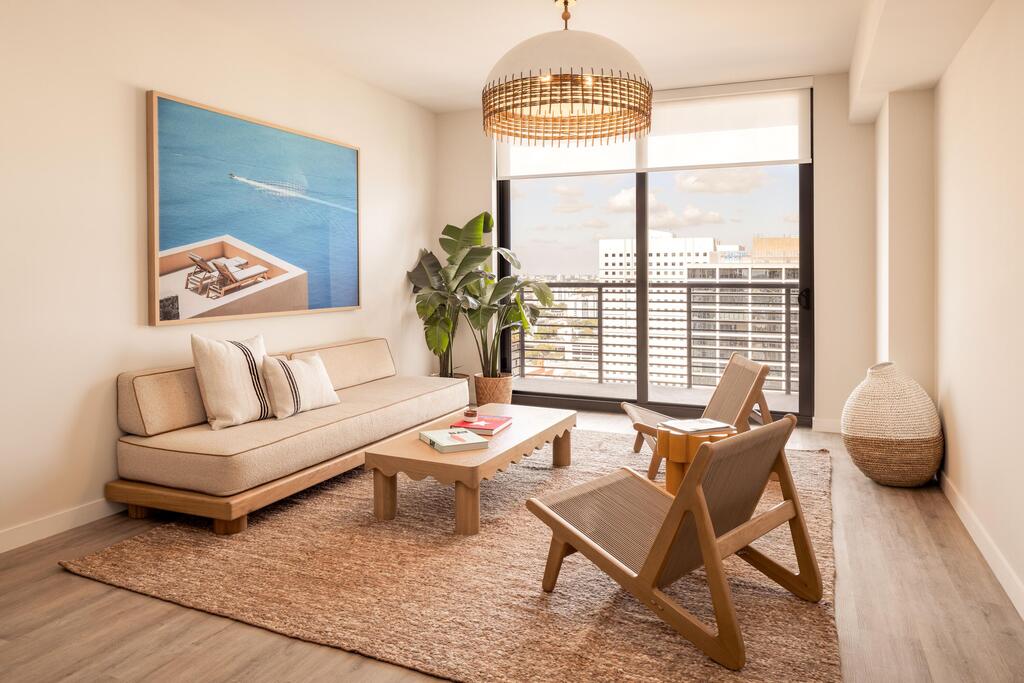
(Photo: Flow)
Pricing places Flow projects in the upper tier of the housing market. According to company data, apartments for sale in Miami range from about $450,000 to more than $900,000, while rents for small furnished units start around $1,500 to $2,000 per month and can exceed $5,000 for larger units.
Unlike standard apartments, the price reflects not only size and location, but also an extensive service package: co-working spaces, fitness and spa facilities, community activities and managed living services. In that sense, Flow does not necessarily offer a cheaper housing solution, but a different product — one that seeks to justify its cost through a broader, branded and community-oriented experience.
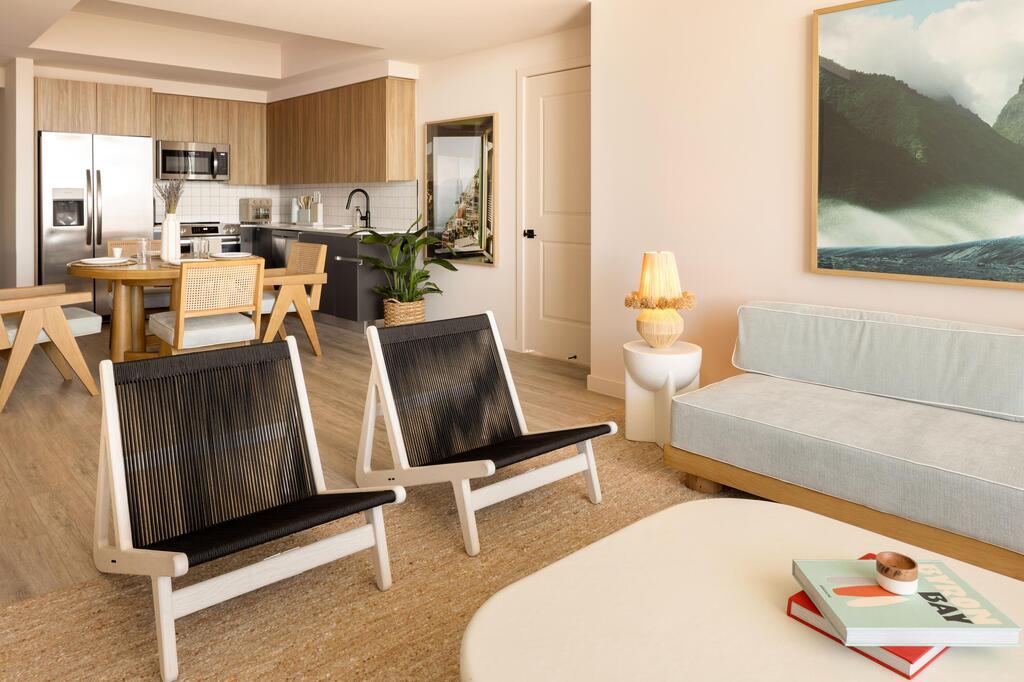
Living room and kitchen in a compact apartment. The rest of the facilities are in the shared spaces
(Photo: Courtesy of Flow)
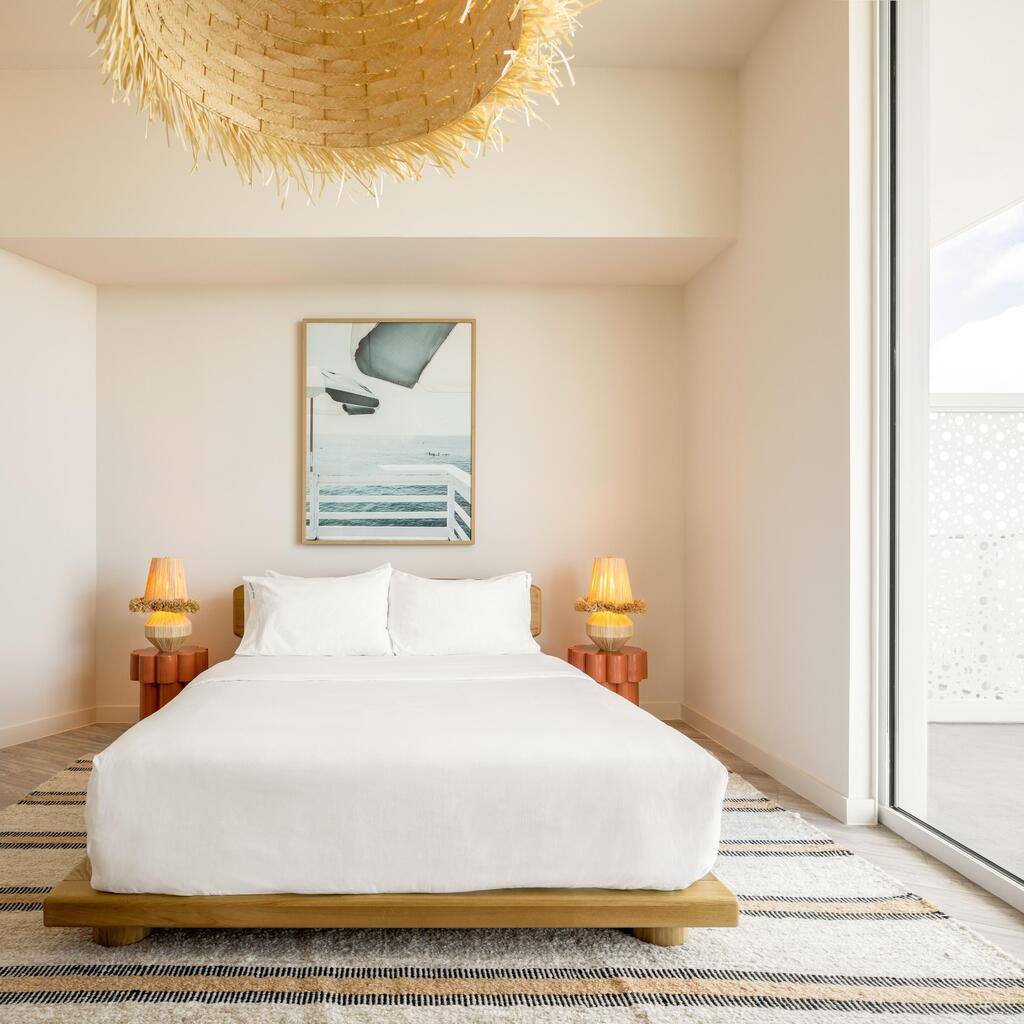
The interior design of the apartments is simple but meticulous
(Photo: Courtesy of Flow)
The company currently operates thousands of units — about 7,500 according to its own figures — concentrated in several locations across South Florida, and has begun exploring international expansion, including plans to enter Riyadh as part of Saudi Arabia’s large-scale urban development efforts.
Yet beyond the language, design and services, a central question remains: to what extent does Flow represent a genuine transformation of the living experience, and to what extent is it a rebranded version of an existing model?
Neumann previously pursued a similar concept through WeLive, a co-living initiative in New York and Washington, D.C., aimed at young professionals and digital nomads seeking flexibility and community. Like Flow, it featured small private units complemented by shared spaces designed to encourage interaction. That project stalled following Neumann’s departure from WeWork.
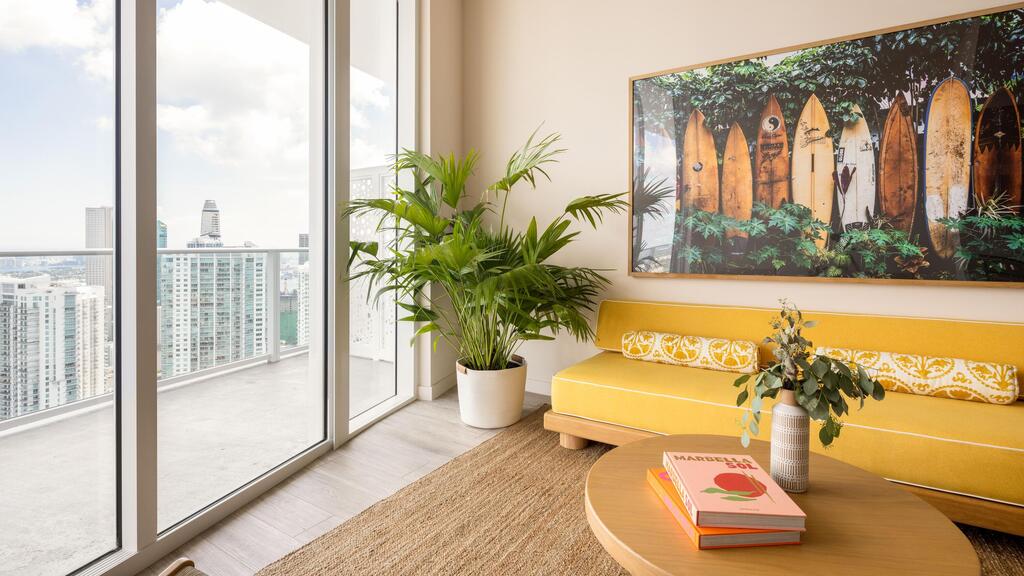
Designed primarily for young people, digital nomads, and people looking for flexibility and community
(Photo: Courtesy of Flow)
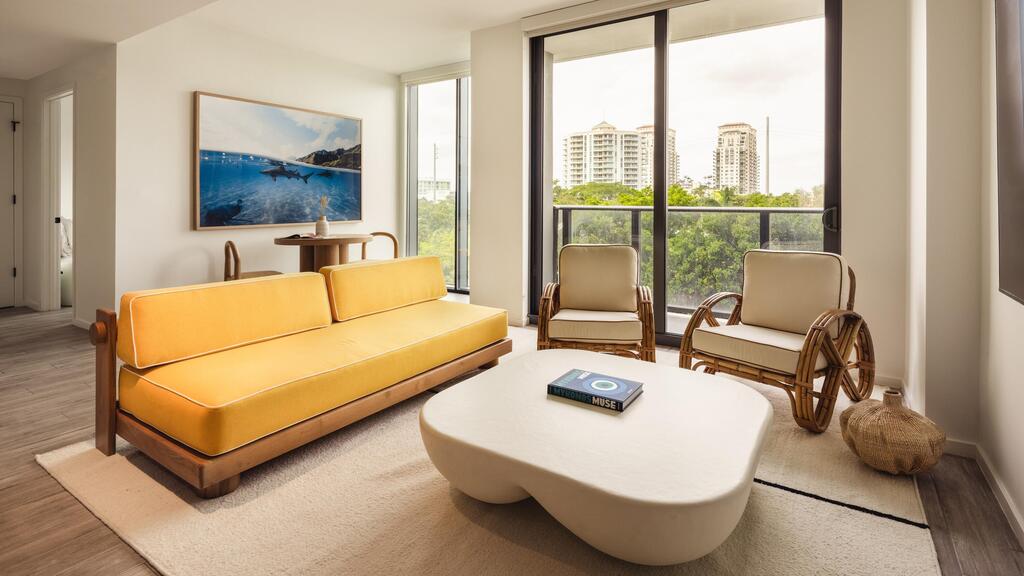
One of approximately 7,500 housing units located in several locations in South Florida
(Photo: Courtesy of Flow)
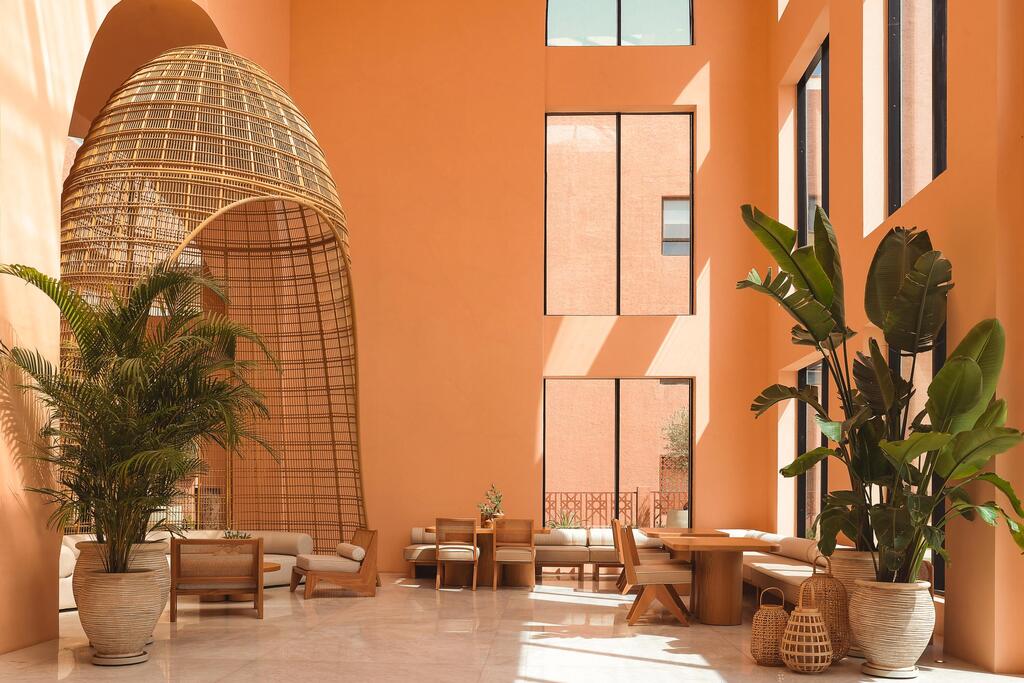
Hamra walls, wood, straw, stone and vegetation create an inviting and warm mix: The lobby
(Photo: Courtesy of Flow)
The same questions now resurface: Does Flow truly create community, or does it simulate it as part of a managed service package? Is it a response to urban loneliness, or simply another product aimed at those who can afford it?
As with WeWork, the line between social vision and sophisticated real estate venture appears blurred — and behind the promise of connected living may ultimately stand another property project, wrapped in polished branding and trendy design.
First published: 20:45, 03.30.26