

When life becomes difficult and many people are forced to stay close to protected spaces rather than spend time outdoors, houseplants can play an important role in lifting mood and easing stress.
If you can find the energy to care for plants, even for a few minutes a day, it can create a sense of capability and hope, similar to caring for a pet. Houseplants also offer other benefits, most notably improving the air we breathe.

In recent days, many of us have been spending more time indoors than ever, under unusual levels of stress. A walk in nature may feel distant or unrealistic right now. Many people are getting little sunlight or fresh air, moving less and spending even more time in front of screens.
Houseplants may currently be our main connection to nature. Studies have shown that plants can absorb and break down volatile organic compounds released in built environments. Caring for them can also motivate us to get up, move and stay engaged in daily activity.
Here are five simple ways to work with houseplants during difficult times.
1. Revive the plants you already have
Water:
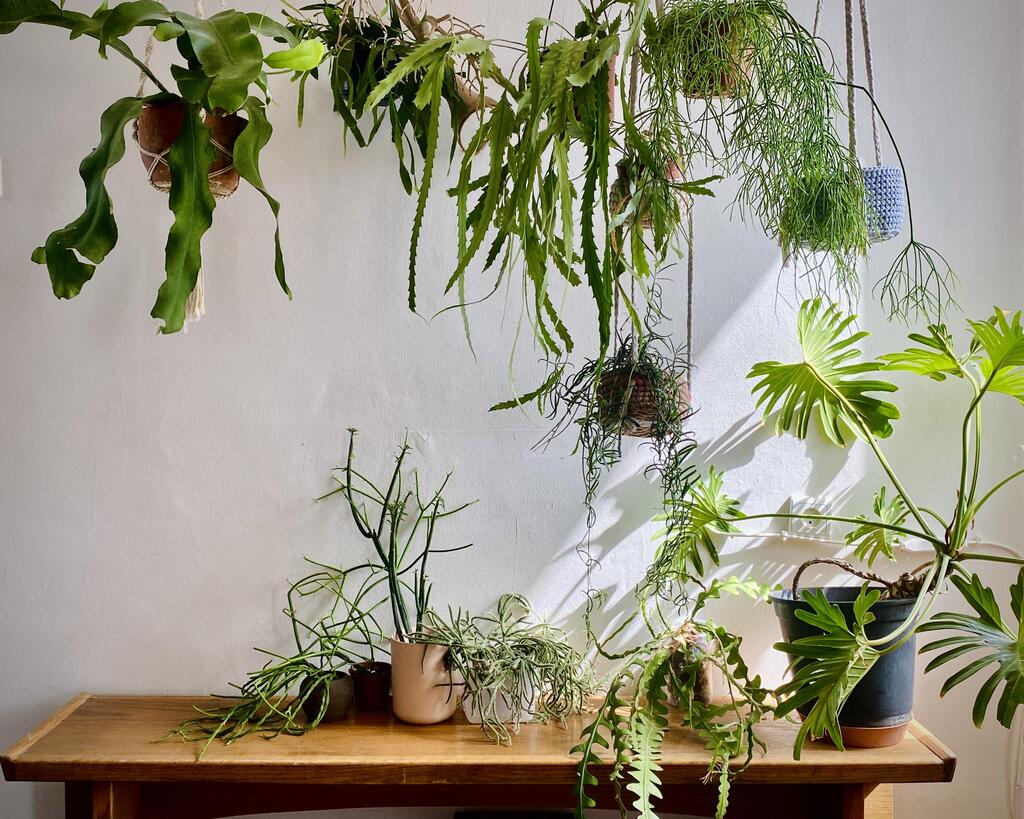
If a plant sits in a dense block of potting soil that no longer absorbs water well, soak the entire pot in a bowl of water for at least an hour, or even several hours. This allows the soil to fully absorb moisture again. Remove the pot, let excess water drain and return it to its place. Within a day, leaves that seemed beyond saving may recover.
(Photo: Rinat Tal)
Remove dry leaves and branches:
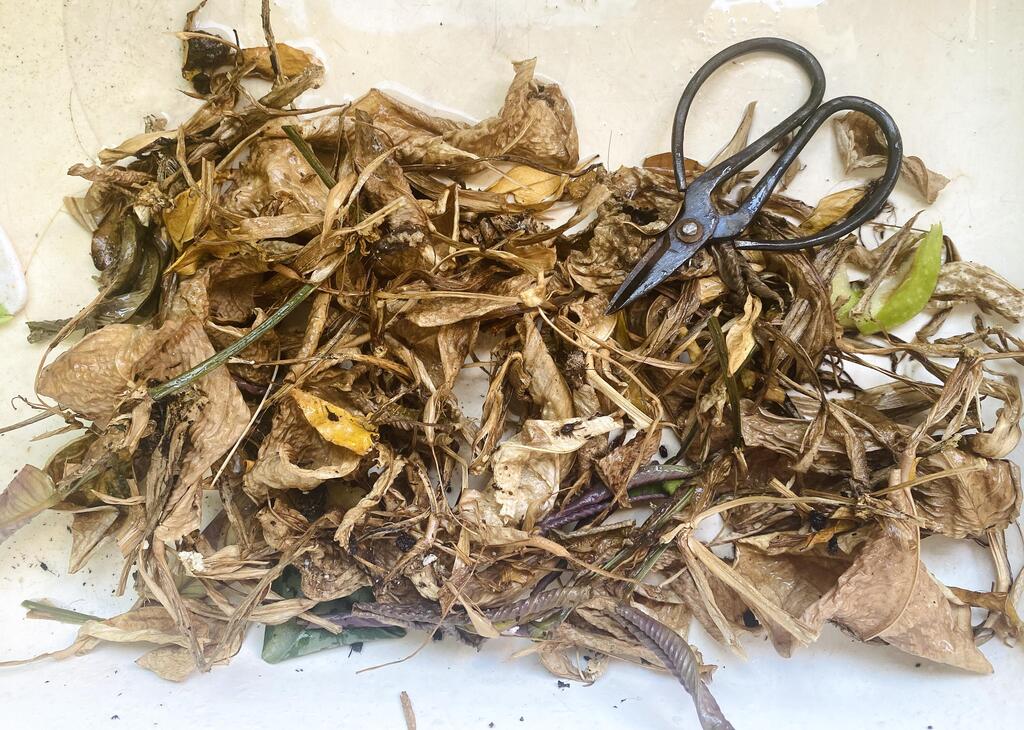
Cut away yellow or brown leaves. If part of a leaf is still green, trim only the dry section. When a plant has very few leaves left, leave at least one green section on each branch, since some plants cannot produce new leaves if no green tissue remains.
Restore leaf volume:
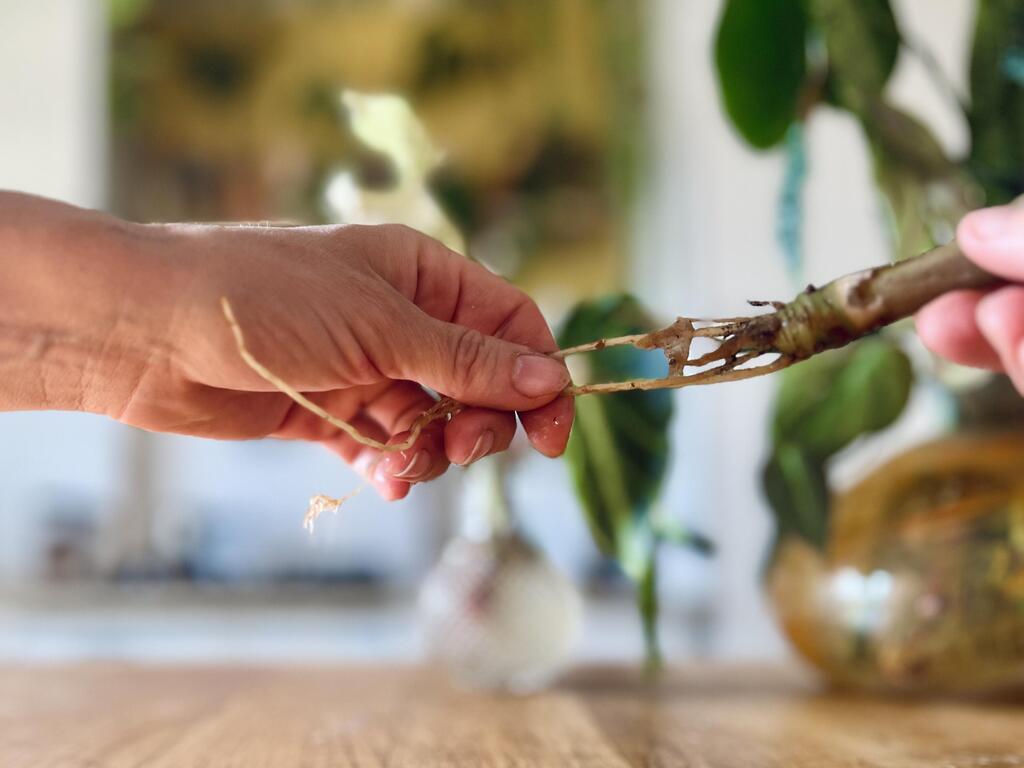
If the plant has lost much of its foliage, consider repotting it. Remove it from the pot and gently shake off loose soil around the roots. Remove dead root sections that detach easily. What remains will likely be a smaller root ball that can be replanted in a more suitable pot with fresh potting mix.
Caring for plants during times of crisis
(Photo: Rinat Tal)
Wipe the leaves:
Cleaning leaves is one of the most important things you can do for a plant. Leaf surfaces are not sealed, and plants interact with their environment through them. Dust interferes with this process and also makes the plant look neglected. While wiping the leaves, you may also remove pests you did not notice before.
Natural pest control:
If you notice pests and do not have access to pesticides, physical removal is often the most effective solution. Wiping or rinsing the plant with water, or water mixed with ordinary kitchen vinegar, is usually enough.
(Photo: Rinat Tal)
2. Root new plants from kitchen leftovers
You can root many foods already sitting in your kitchen.
Sweet potatoes:
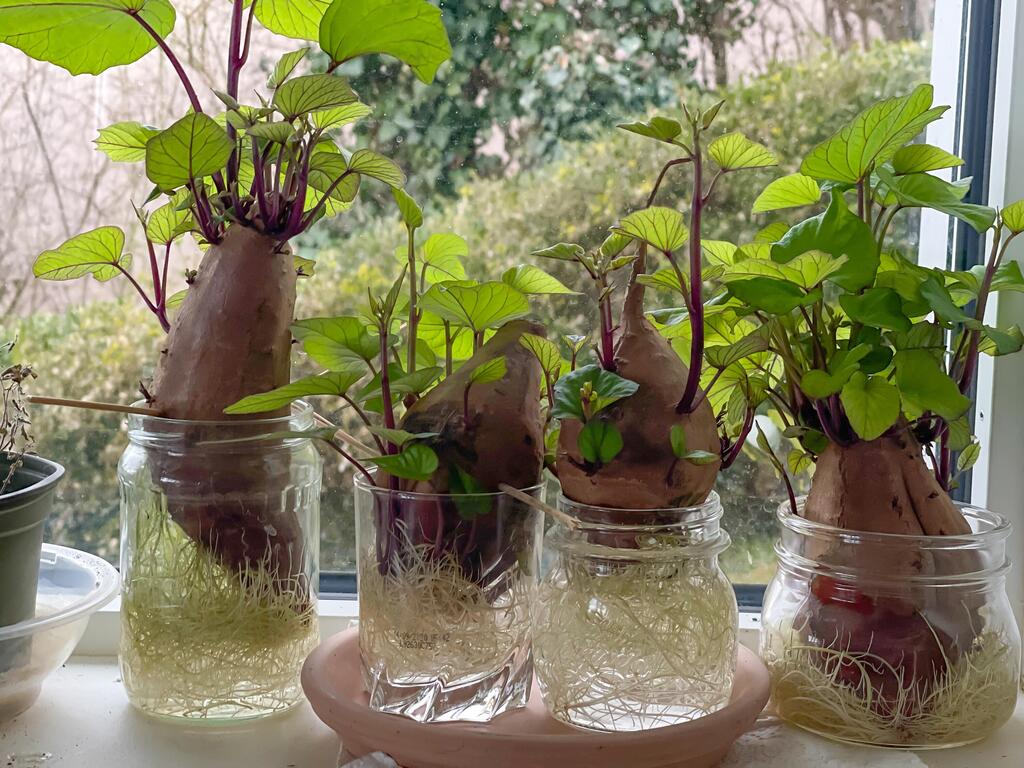
Sweet potatoes are among the most rewarding plants to grow at home. Place a sweet potato, preferably one that has begun sprouting, upright in a jar with its lower half in water. Roots will grow downward while stems and leaves grow upward, producing lush greenery that can climb along walls for decoration. If the roots fill the jar quickly, move it to a larger container.
Potatoes, onions and garlic:
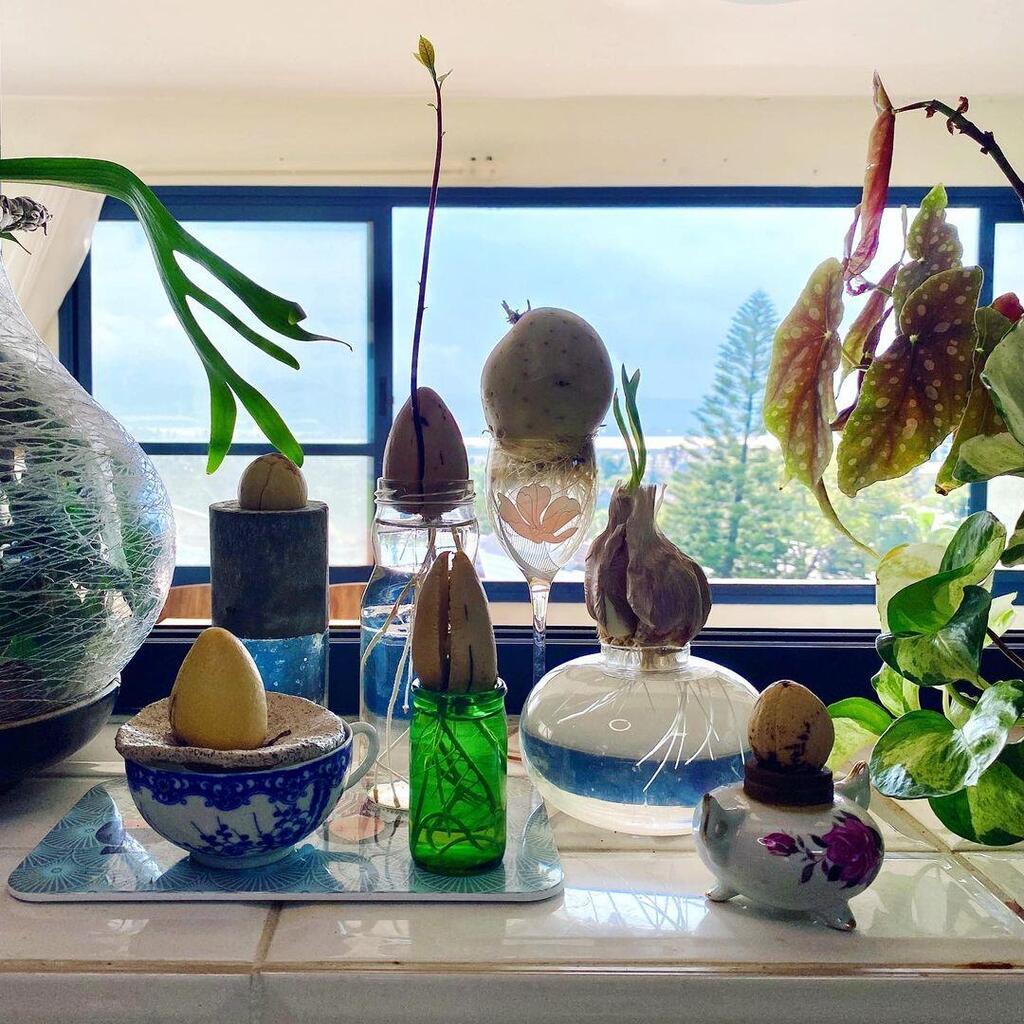
Place any of them in a glass of water and watch the roots develop. The result is a small green plant. If you want to grow full vegetables, they must be planted in soil under proper growing conditions.
Avocado pits:
One effective method is to peel the thin brown skin from the pit, wrap it in damp paper towel and place it in a sealed bag inside a cabinet. After several weeks, check it. Once a root appears, place the pit on top of a glass so the root sits in water. It may eventually sprout a stem and leaves.
(Photo: Rinat Tal)
(Photo: Rinat Tal)
3. Sprout seeds and kitchen scraps
Chia seeds, flax seeds and legumes such as lentils, beans and fava beans can all be sprouted and grown, as long as they are raw and not roasted or cooked. A small handful can fill an entire planter.
You can even sprout seeds from kitchen scraps. Tomato seeds, pepper seeds, melon seeds and even apple seeds can grow.
Scatter the seeds on soil. Larger seeds require more space between them. Cover them with a thin layer of soil and gently add water. Seeds need warmth, moisture and darkness to sprout.
(Photo: Rinat Tal)
To maintain humidity and warmth, place the pot inside a glass or plastic container, a jar, or under a glass dome. Once the seeds sprout, move the pot into the light and continue growing them as seedlings.
Another method is to place seeds on damp paper towels or cotton inside a dark container. Once they sprout, transfer them into potting soil.
With proper sunlight, watering and fertilizing, this can become a small edible garden.
4. Grow fresh herbs
Fresh herbs such as mint, parsley or basil can easily be propagated. Place several stems in water until roots appear, then plant them in soil under suitable conditions. New shoots will grow, allowing you to harvest fresh herbs for salads and cooking.
Lettuce, cabbage and celery can also regrow from their bases. After cutting the leaves, place the base in soil in a planter on a windowsill or balcony, where the plant may grow again.
For decorative greenery indoors, sweet potatoes, avocados and pineapples can also grow impressively with their roots in water.
(Photo: Rinat Tal)
(Photo: Eurybia, shutterstock)
5. Propagate what already grows around you
For longer-lasting plants, look for cuttings from evergreen houseplants at home, in your neighbor’s garden or around the building.
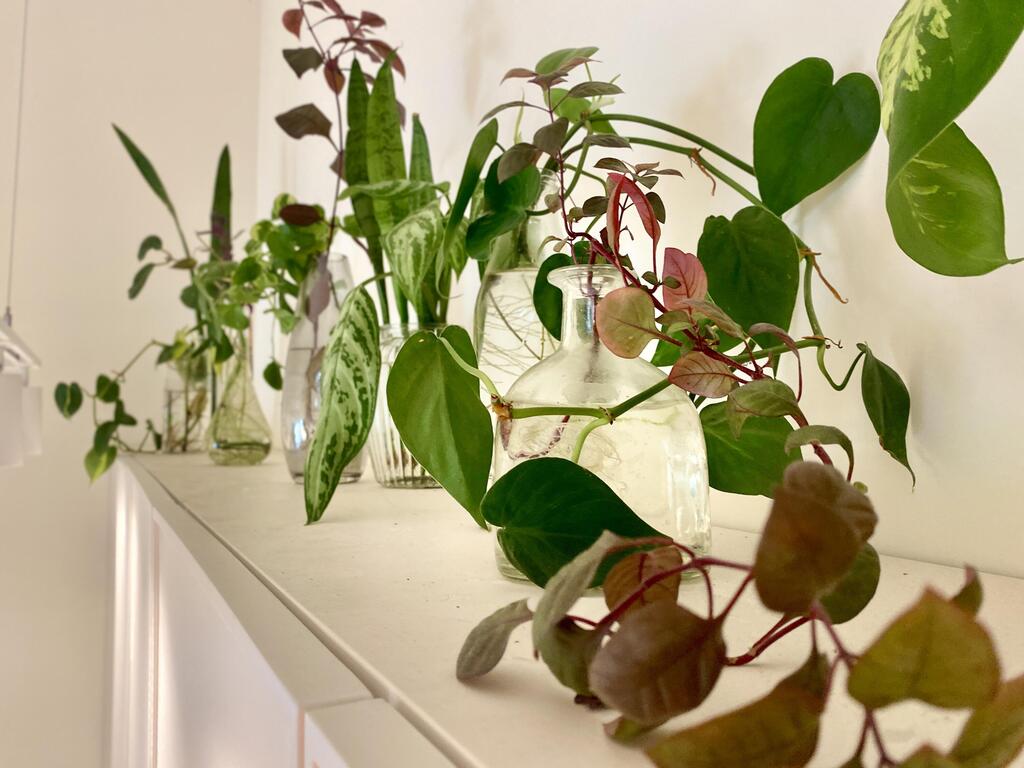
Common plants that root easily include wandering Jew, geraniums and coleus. If you live in a shaded tropical garden environment, you may also find pothos or syngonium.
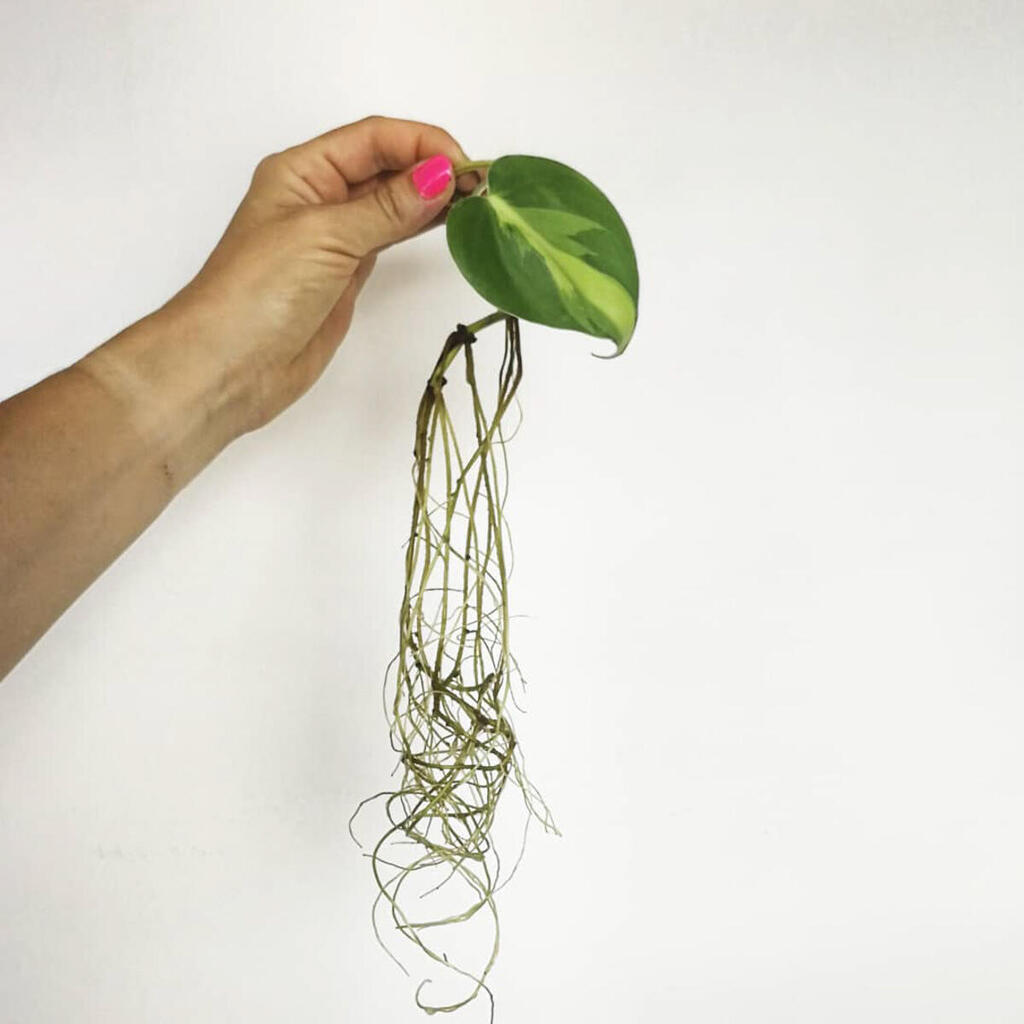
Cut a small section from the tip of a branch with a few leaves. Place the cut end in water in a transparent container and wait for roots to develop. This may take days or months, but if the cutting stays green, it still has a chance.
Aloe plants are also common and propagate easily. In this case, a leaf alone will not grow a new plant. Instead, separate a small offshoot growing near the base of the plant. Carefully dig around it, detach it from the parent plant and place it in a new pot with soil.
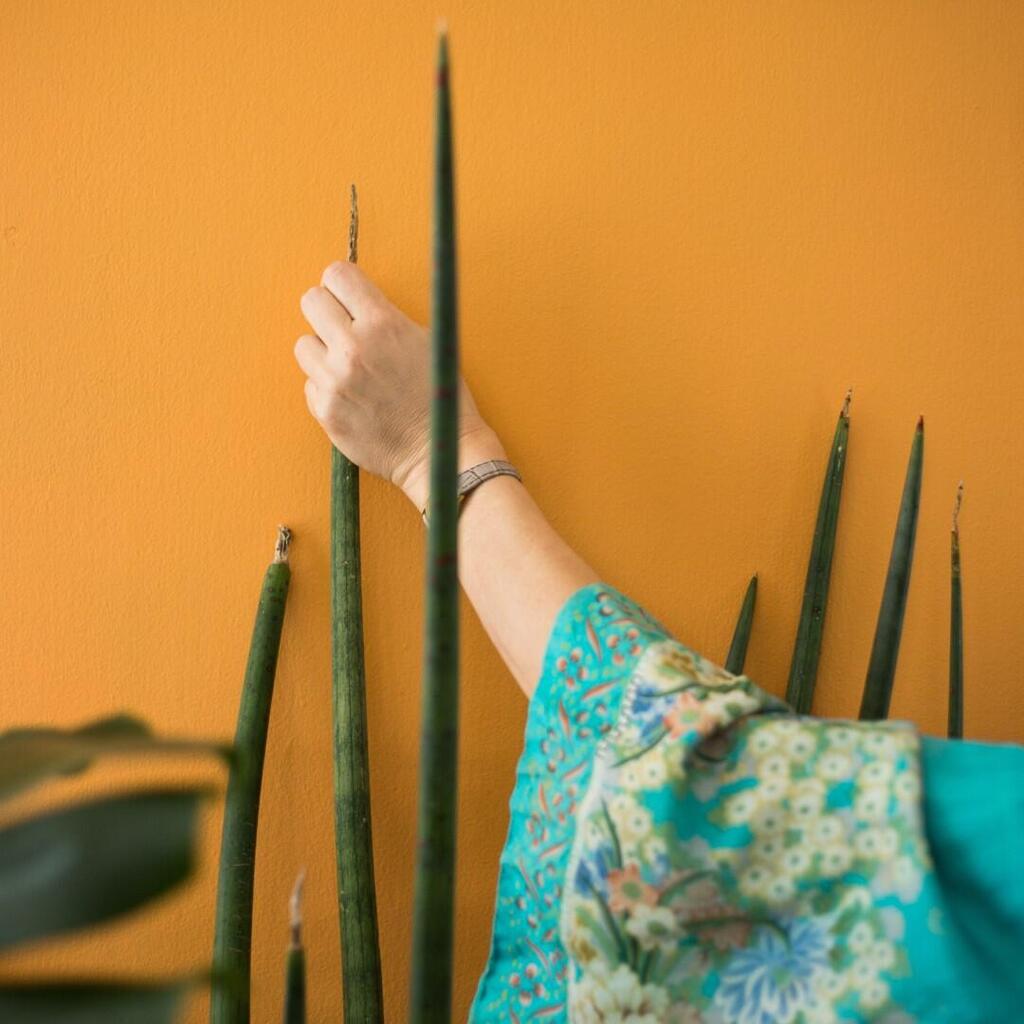
Another easy plant to propagate is the popular snake plant, or sansevieria. The sword-like leaves can be cut into sections. Each section can be placed in water or soil, where roots will form and eventually produce new leaves.
Rinat Tal Succulina is a plant stylist who designs interior spaces using plants.