

The first segment of Israel’s planned metro system is expected to begin operating in 2037, later than earlier projections, the chair of the government company leading the project said.
Yodfat Afek-Arazi, chair of NTA Metropolitan Mass Transit System, said the updated timeline reflects a more realistic assessment of the project, which is estimated at about 170 billion shekels and includes three lines spanning roughly 150 kilometers across the Tel Aviv metropolitan area.
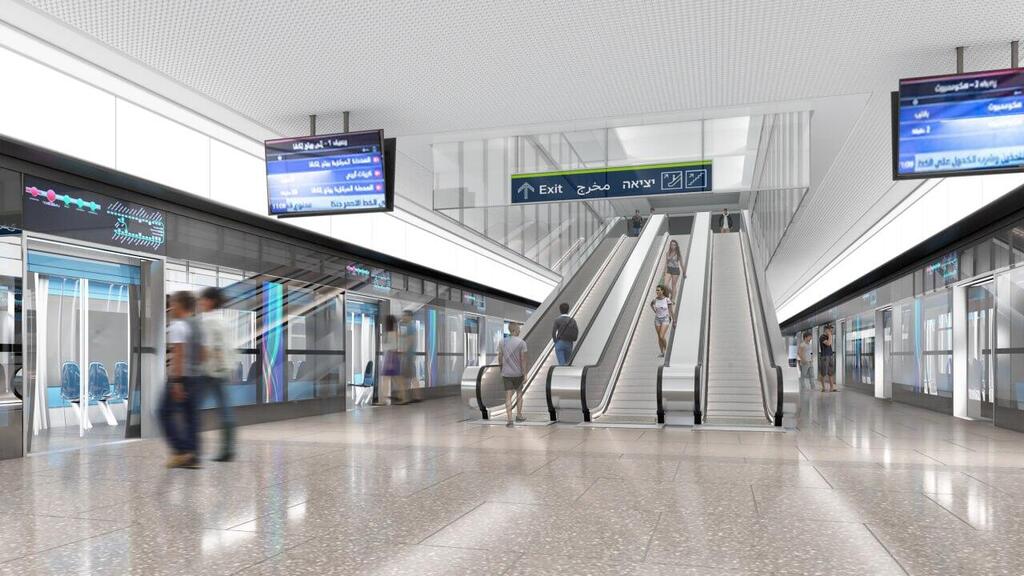
(Photo: NTA)
She described the metro as not only a transportation project but one expected to reshape commuting patterns, the housing market and urban development, while helping reduce congestion costs.
At the same time, recent fighting underscored the role of transport infrastructure in emergency situations. Underground light rail stations operated by NTA were used as shelters for thousands of residents during missile alerts.
Nine stations designated as protected spaces were opened within about an hour of the first sirens, significantly faster than in previous operations. The stations were equipped with water, mattresses and basic services, while local authorities handled community needs.
Afek-Arazi said families, elderly residents and others stayed in the stations for extended periods, and no unusual incidents were reported.
The company also used reduced traffic during the fighting to accelerate infrastructure work that would normally disrupt daily life.
NTA is responsible for completing the Tel Aviv light rail’s Green and Purple lines alongside advancing the metro project.
Afek-Arazi said funding discussions are ongoing, with options including bond issuance or government financing if gaps arise between spending and revenue, though such gaps are not expected in the near term.
She also said the project faces challenges in recruiting skilled workers and attracting international companies, and that efforts are underway to expand training programs and engage global firms despite the security situation.
Afek-Arazi added that NTA is working to improve coordination with local authorities following past tensions over construction and communication.