

In recent years, Israel — particularly cities such as Jerusalem, Caesarea, Tel Aviv and Ra’anana — has become an increasingly sought-after destination for foreign residents looking to establish a second home in the country.
Some purchase vacation apartments for holidays and family visits, while others are planning a future move. Nearly all, however, are seeking one thing: a home in Israel that preserves the identity and lifestyle they brought with them from abroad.
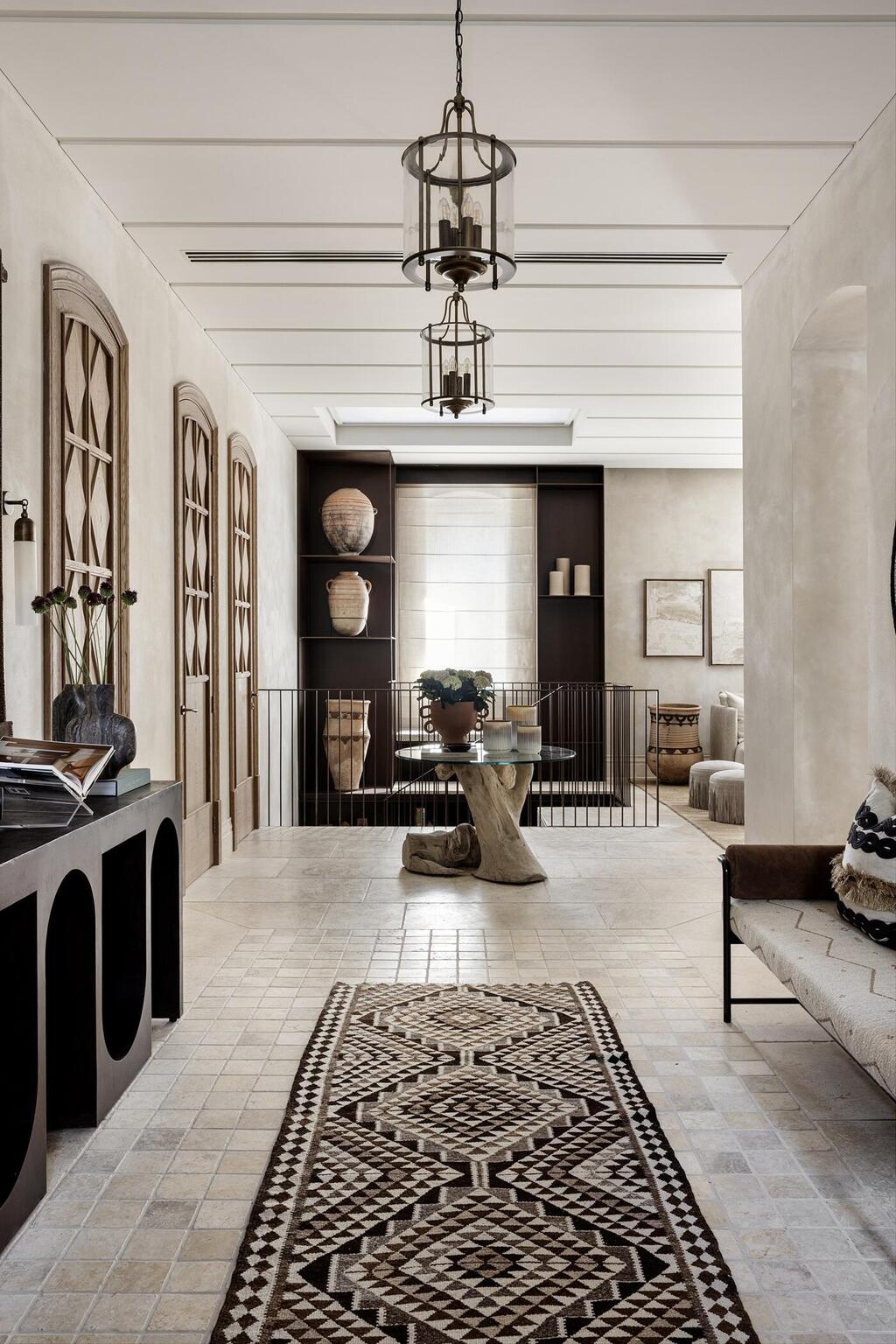
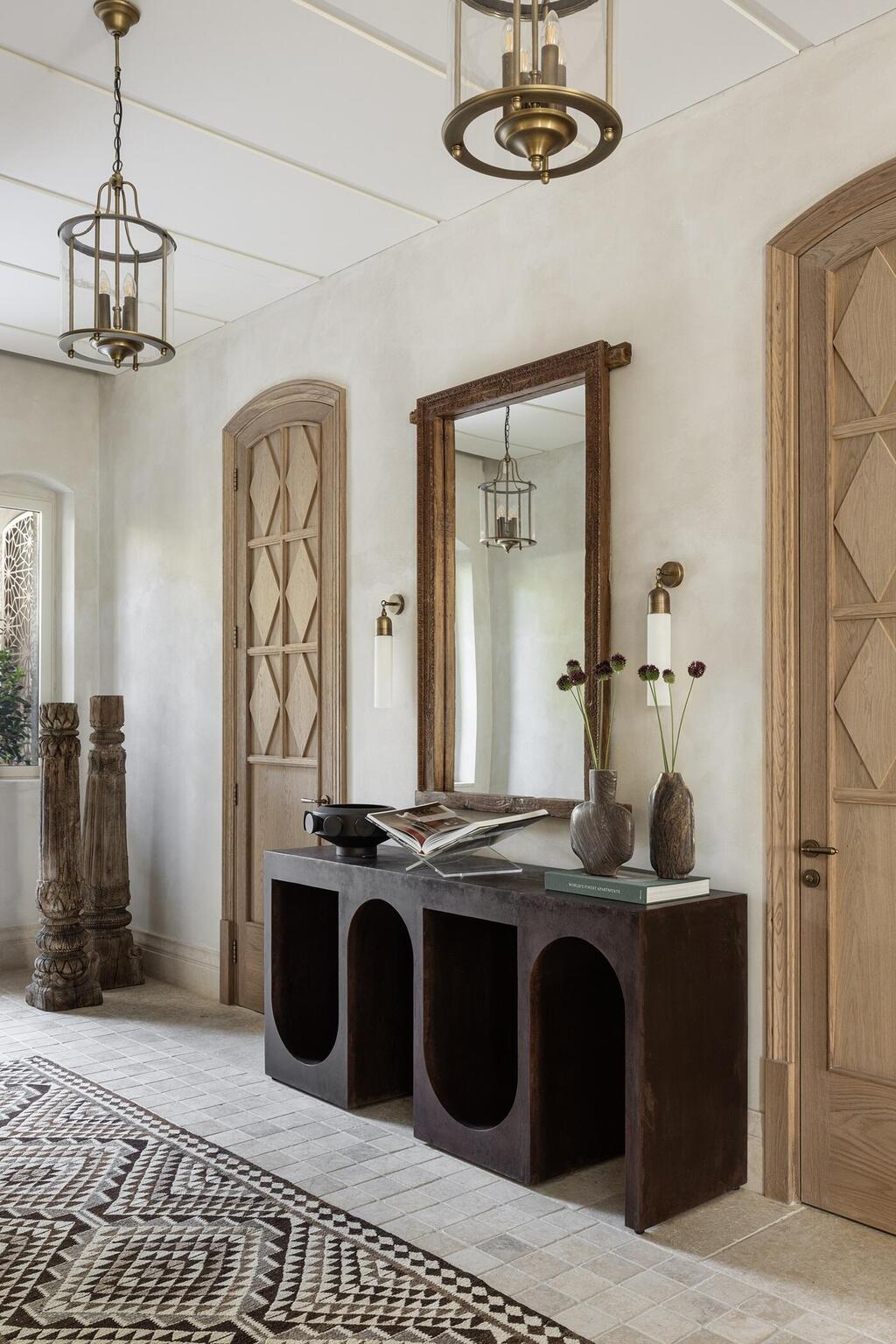
Design by Sharonne Turen
(Photo: Itay Benit)
For architects and designers, this presents a unique challenge — translating an international lifestyle, often American, Australian or European, into a local architectural language that responds to Israel’s climate, culture and community.
The result is homes that bridge worlds: American classicism alongside Jerusalem stone, Western functional planning alongside Israel’s informal, hospitality-driven culture — and living spaces that may begin as holiday homes but often become permanent residences over time.
Sharonne Turen of Sharonne Turen Architecture and Interior Design said that when working with foreign clients, “they are not just looking for a beautiful home — they are looking for a sense of certainty, belonging and an anchor.”
“Beyond international standards and careful project management, there is a deep desire for the home to fit its surroundings and to feel like ‘home’ immediately,” she said. “That includes planning, materials, topography, the local climate, color palettes and even down to the stone itself. That’s why I make a point of working with natural materials from Israel and connecting the home authentically to its environment.”
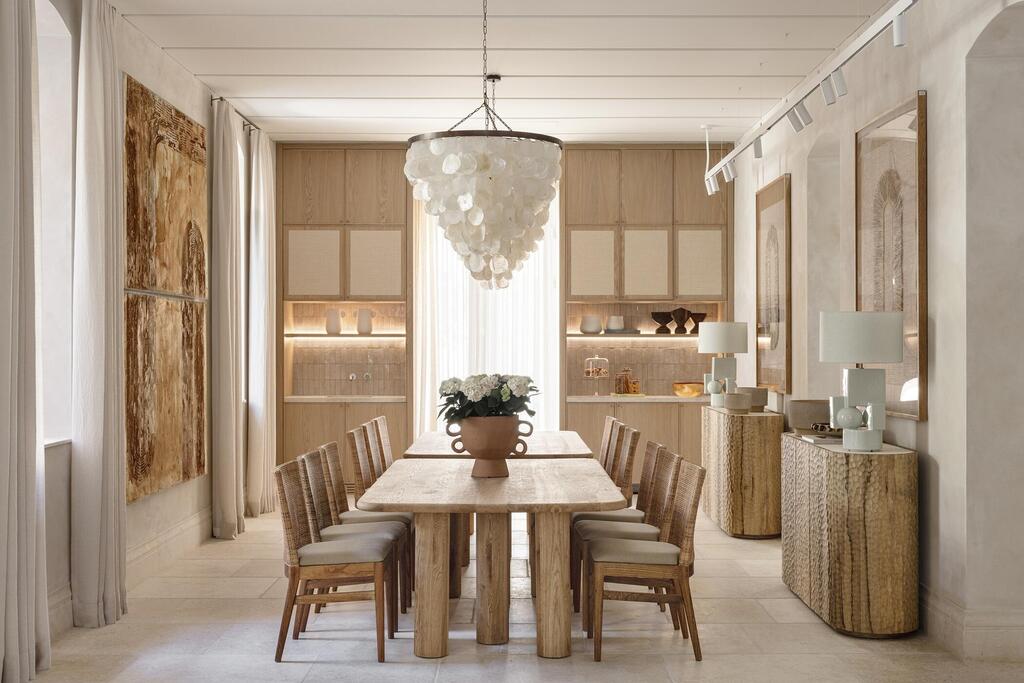
Design by Sharonne Turen
(Photo: Itay Benit)
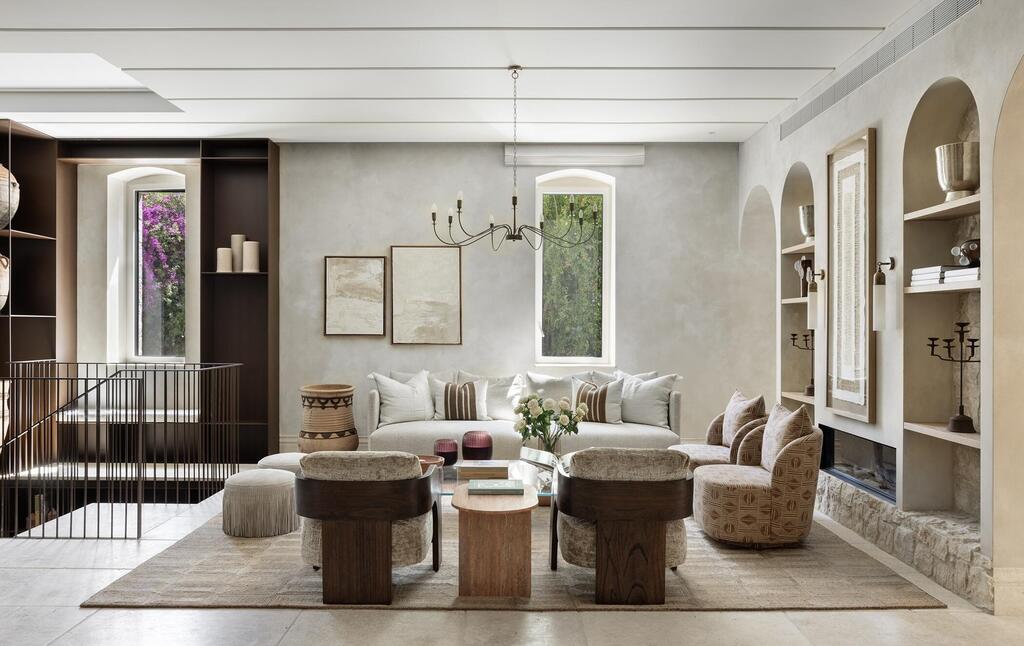
Design by Sharonne Turen
(Photo: Itay Benit)
At the same time, she said, personal and family narratives play a major role. “Sometimes it’s a connection to Jewish roots from places like Persia that is translated into architectural details, and sometimes it’s a contemporary interpretation of a historic building.”
Turen, who immigrated to Israel about 17 years ago, added that her own experience informs her work. “I understand the desire to immediately feel at home in Israel,” she said, noting that she also helps guide clients through the process and ensure high construction standards.
She also pushed back on common perceptions about Israeli construction. “There are many myths about professionals in Israel, but the reality is completely different,” she said. “The unique melting pot here — with professionals from Russia, France, the United States, Africa, Asia and Israel, who bring their own unique traditions, techniques and point of view — has created an exceptional level of craftsmanship and professionalism, and allows to create home with depth, accuracy and quality that can compete with anywhere in the world.”
Nirit Frenkel, of Sara and Nirit Frenkel Architecture and Interior Design, said designing for foreign residents goes far beyond aesthetics.
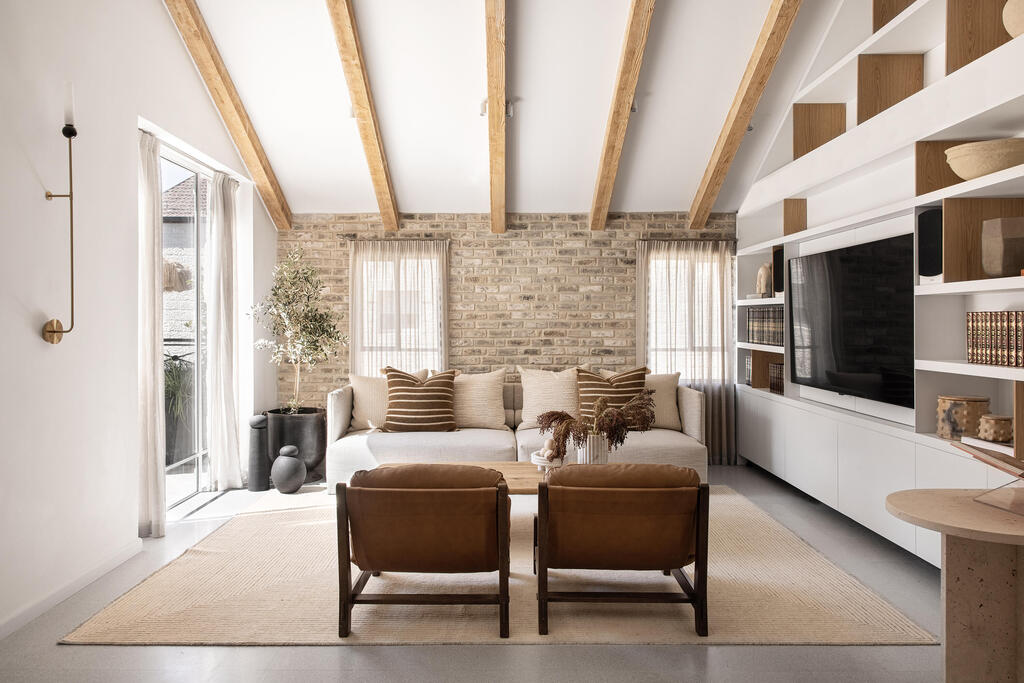
Design by Sara and Nirit Frenkel Architecture and Interior Design
(Photo: Itay Benit)
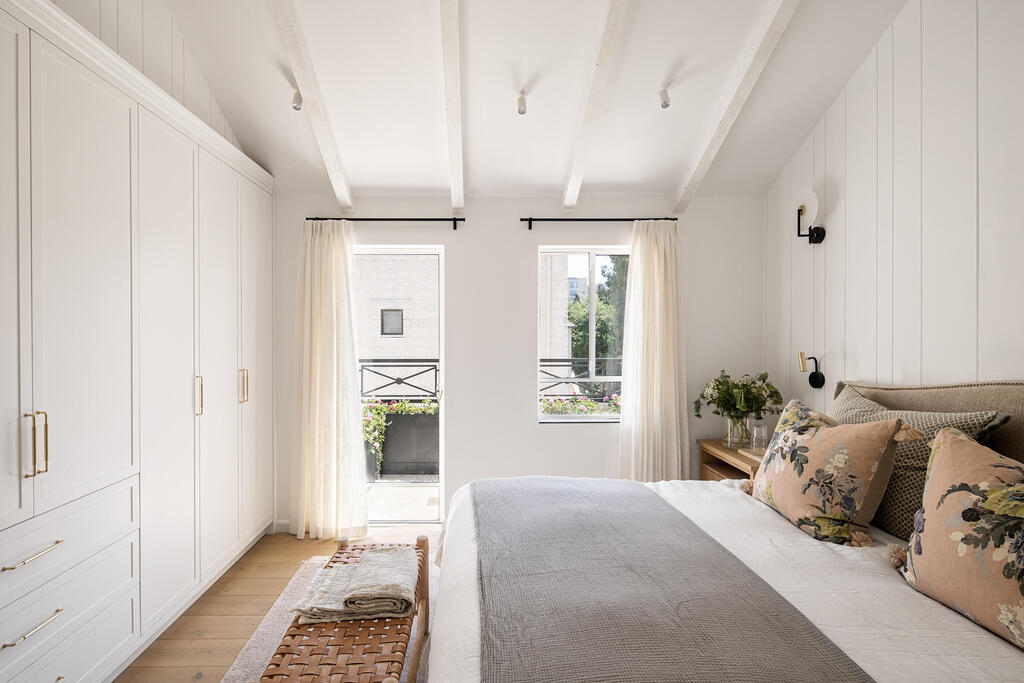
Design by Sara and Nirit Frenkel Architecture and Interior Design
(Photo: Itay Benit)
“When we design a home for foreign residents, we understand that it is much more than just the design of the project,” she said. “It is a home that represents their connection to Israel, and at times also their link to the tradition they come from.”
In one project in Jerusalem, she said, the firm worked with an American family that wanted to feel at home immediately upon arrival, without giving up the local character.
“We tried to create a language that connects the two worlds — on one hand, functional and organized American planning, with spaces suited for large family gatherings, and on the other, materials, light and atmosphere that reflect Jerusalem,” she said. “It’s also important to understand that location itself is part of the planning. Foreign residents are looking for community, proximity to synagogues and educational institutions, and active neighborhood life. In that sense, the home becomes part of a complete lifestyle system that allows them to feel a real sense of belonging every time they come to Israel.”
Frenkel added that working with overseas clients requires an especially high level of support, as they are often thousands of miles away from the project.
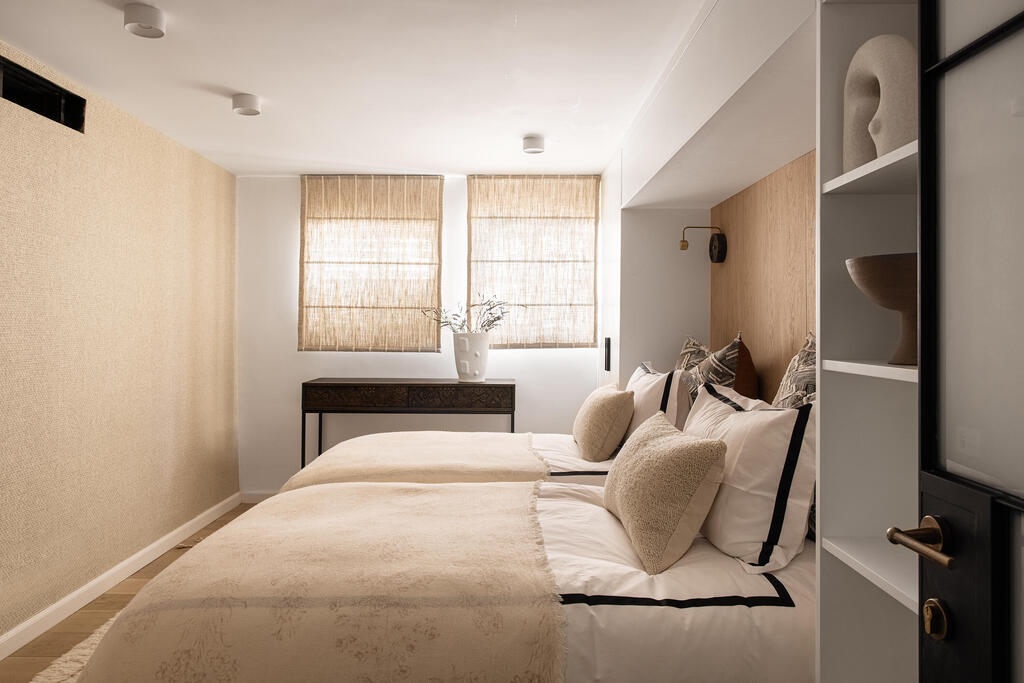
Design by Sara and Nirit Frenkel Architecture and Interior Design
(Photo: Itay Benit)
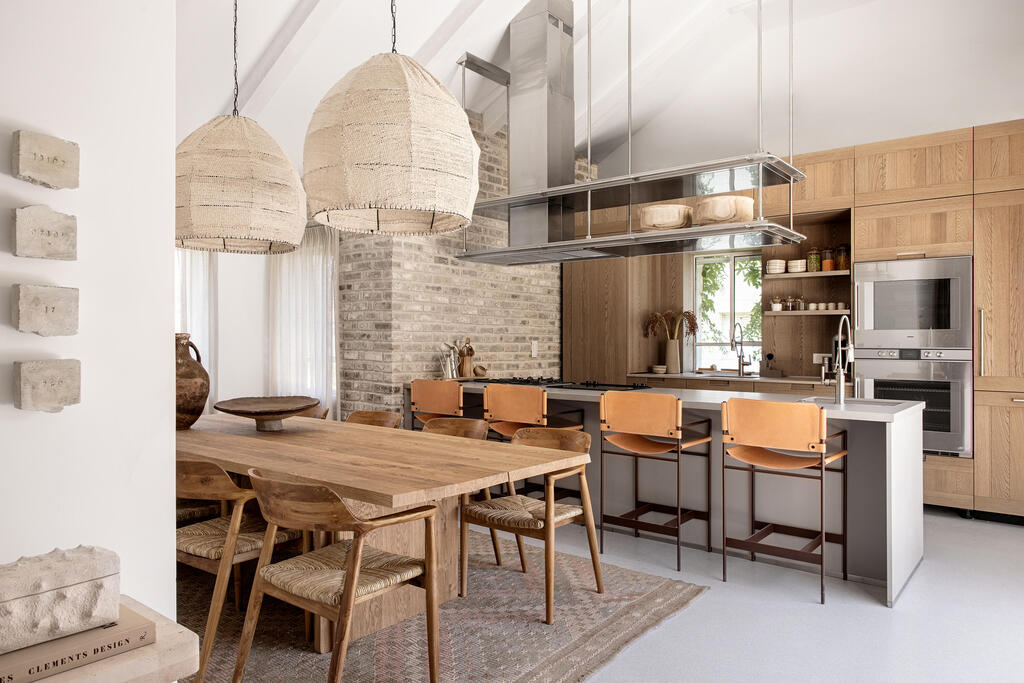
Design by Sara and Nirit Frenkel Architecture and Interior Design
(Photo: Itay Benit)
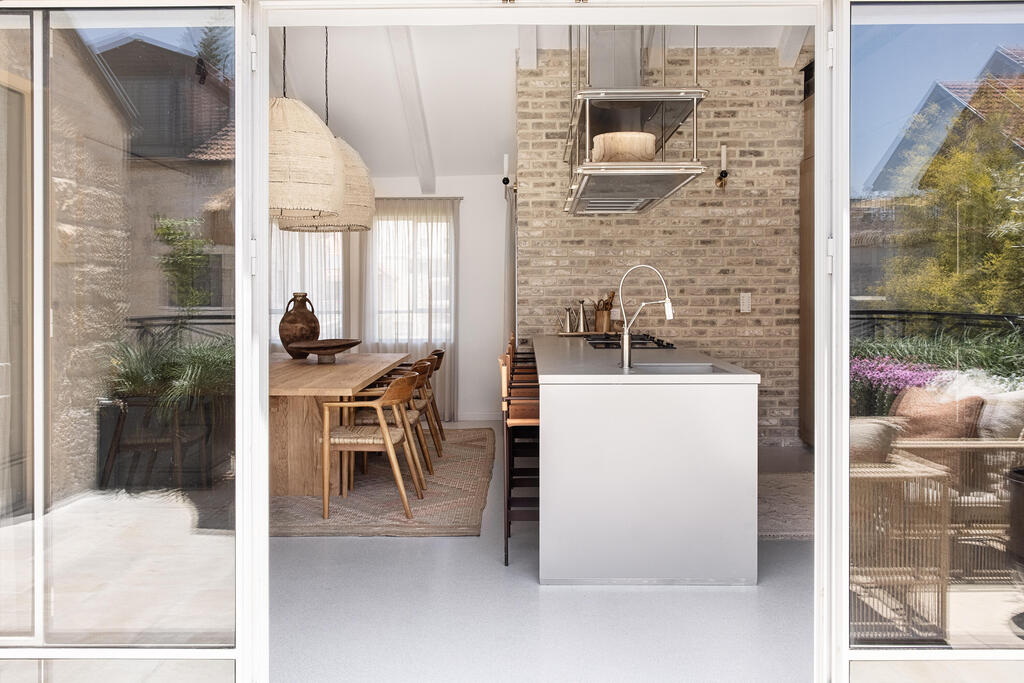
Design by Sara and Nirit Frenkel Architecture and Interior Design
(Photo: Itay Benit)
“We manage the entire process for them — from detailed planning and video calls to selecting materials, carpentry and furniture — so that when they arrive in Israel, the home is already ready and precisely tailored for them,” she said.
Furniture designer Arik Ben Simhon said designing for foreign residents is “always a meeting between worlds.”
“Many bring with them international taste and living habits from cities like New York, London or Paris,” he said. “But when they build a home in Israel, they are also looking for local authenticity. That means the furniture and spaces need to combine international elegance with a more Israeli materiality and atmosphere.”
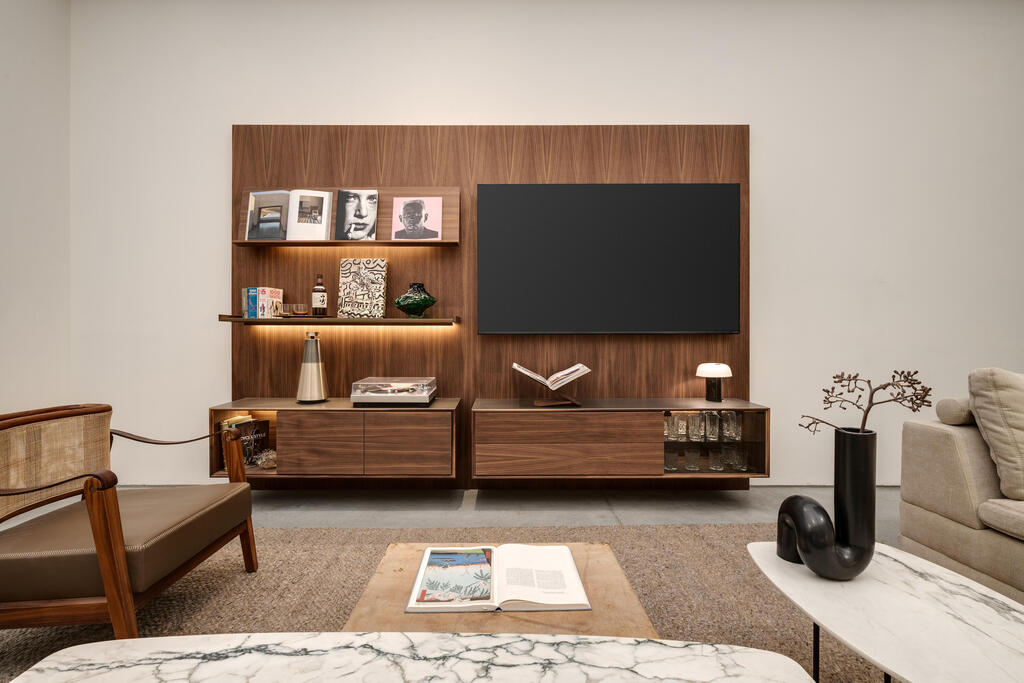
Design by Arik Ben Simhon
(Photo: Oded Smadar)
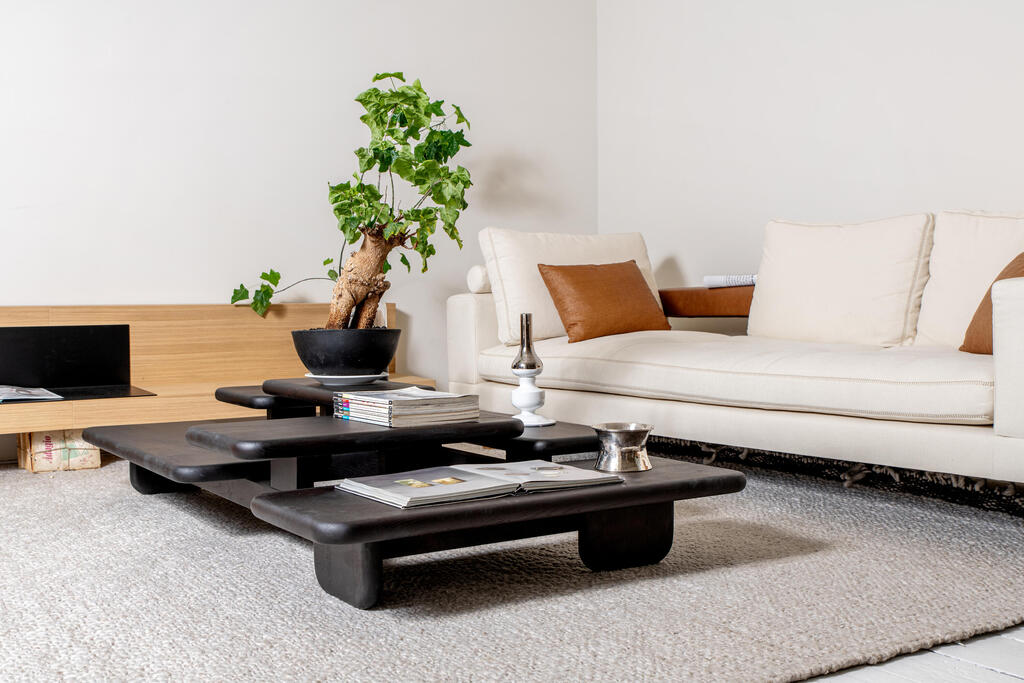
Design by Arik Ben Simhon
(Photo: Oded Smadar)
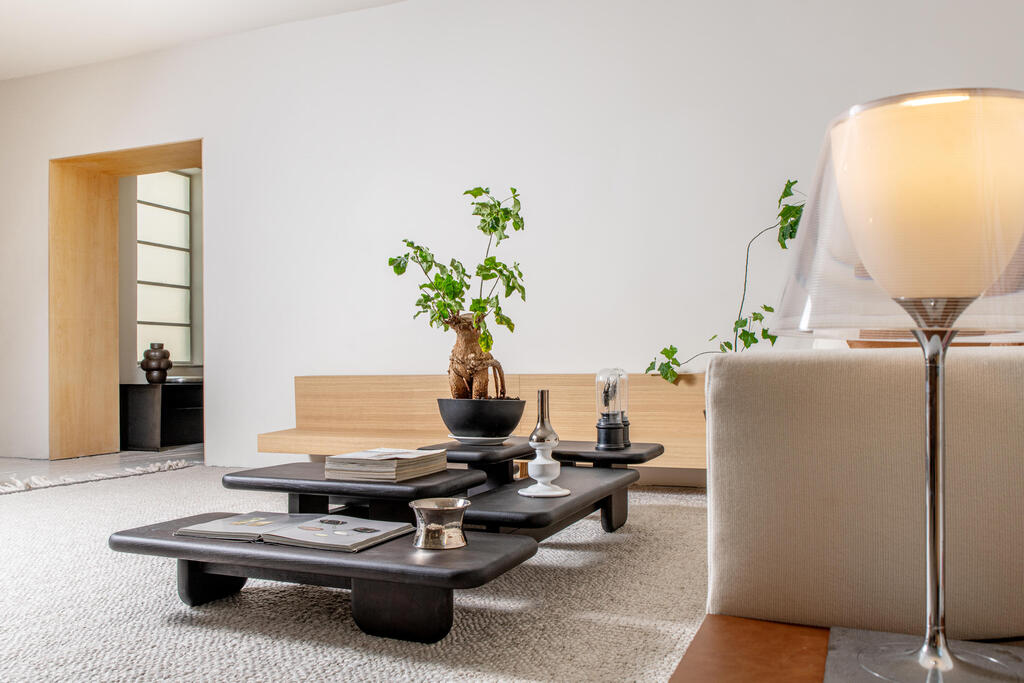
Design by Arik Ben Simhon
(Photo: Oded Smadar)
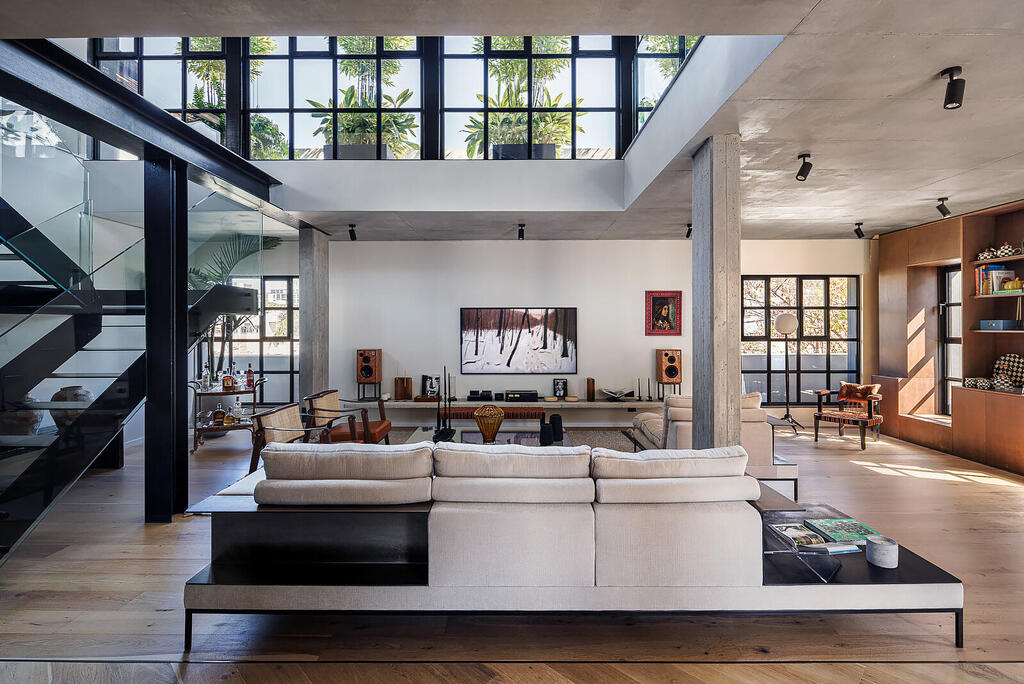
Design by Dafna Liya Gravinsky; furniture by Arik Ben Simhon
(Photo: Oded Smadar)
He added that many of these properties begin as vacation homes for holidays and visits, but over time become permanent residences.
“That’s why the design needs to be timeless, high-quality and comfortable for long-term living,” he said.
Architect Ofra Goldberg of Ben David Goldberg Architects said that in projects with foreign residents, the architect’s role often extends beyond the design of the home itself.
“In many cases, we accompany clients from the stage of finding the right property or neighborhood, because for them location is critical — proximity to community, synagogues and the centers of life they are looking for,” she said.
“In the end, we tie all the loose ends for them — from choosing the property to the smallest details in the home — so they can arrive in Israel and feel that everything is already waiting for them.”
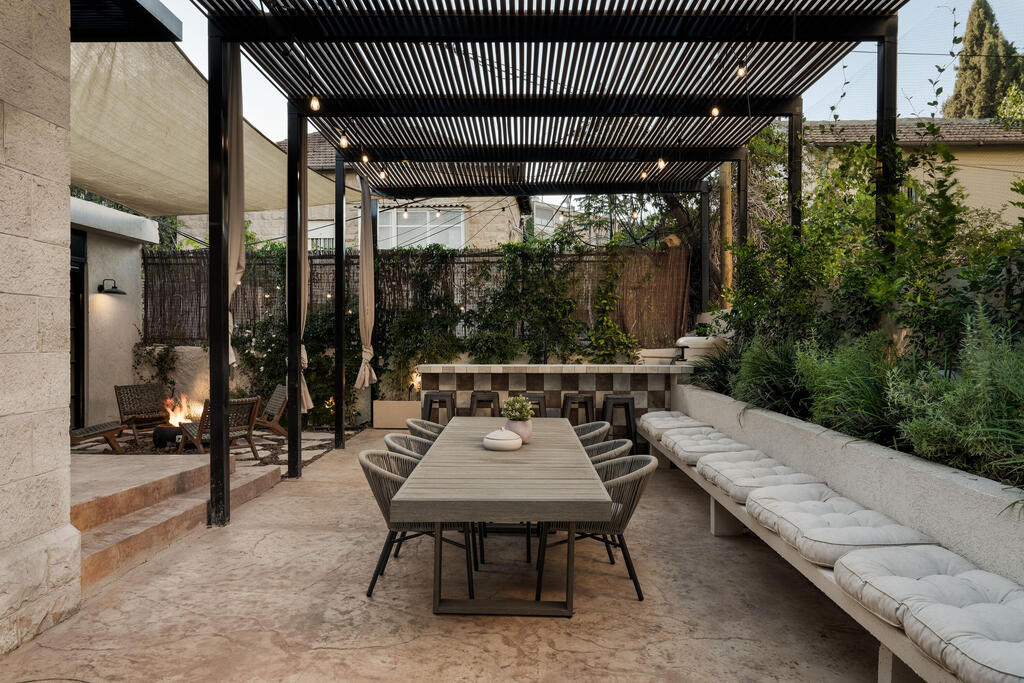
Design by Ben David Goldberg Architects
(Photo: Karin Ravenna)
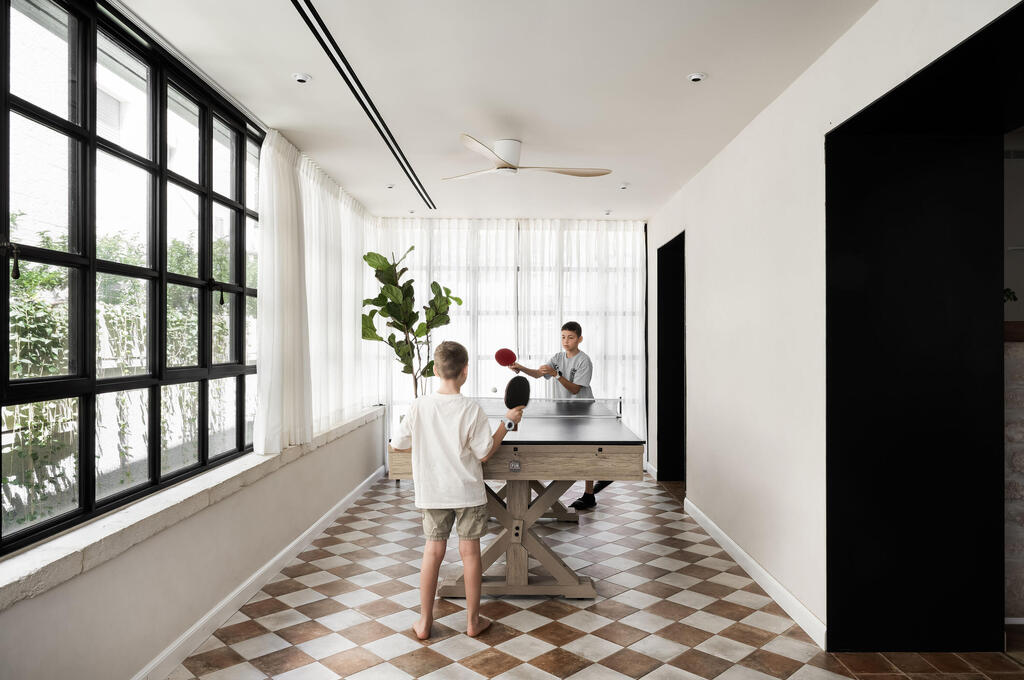
Design by Ben David Goldberg Architects
(Photo: Karin Ravenna)
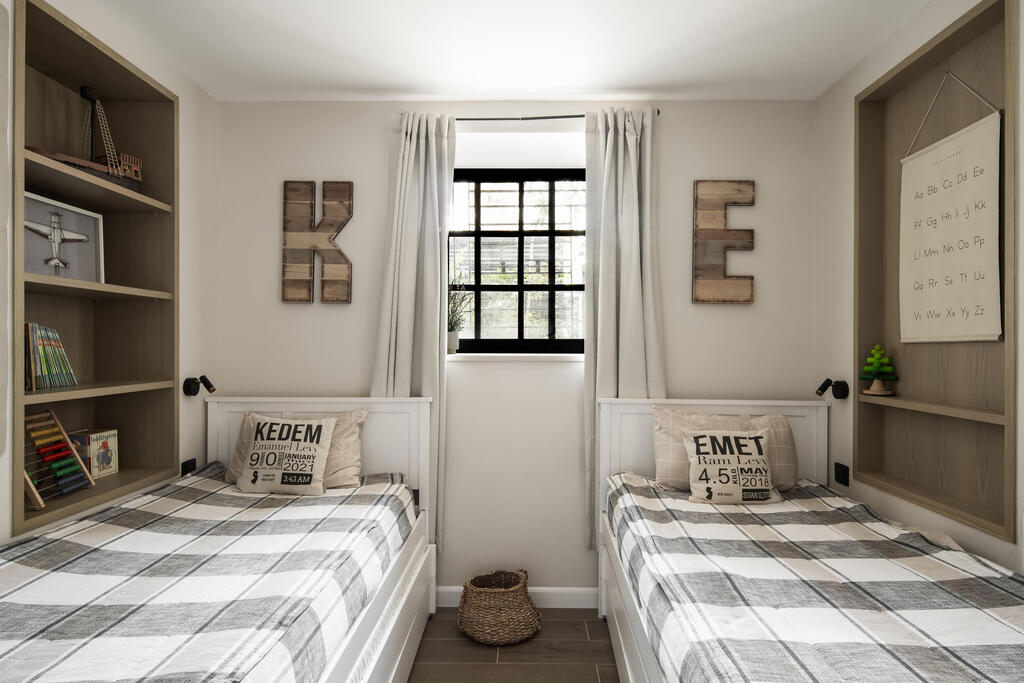
Design by Ben David Goldberg Architects
(Photo: Karin Ravenna)
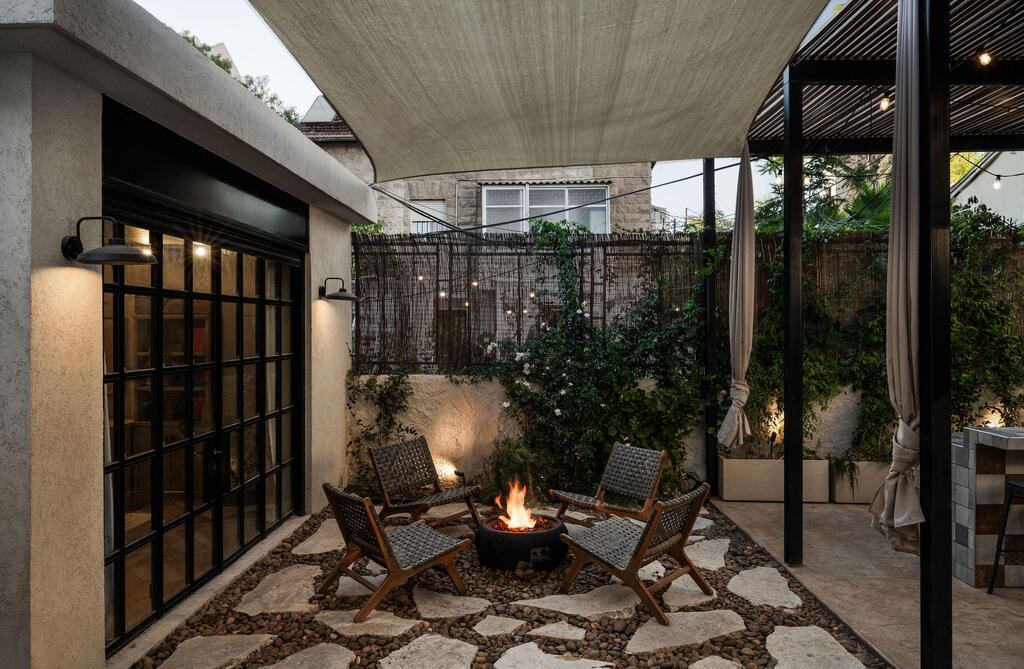
Design by Ben David Goldberg Architects
(Photo: Karin Ravenna)
One notable apartment designed by the firm is located in Jerusalem’s Katamon neighborhood and was built for a large American family. The apartment is set in a preserved historic Jerusalem building, and the architects sought to create a home that combines the local character of Jerusalem stone — a signature building material in the city — with a classic American design language.
The result is a bright, expansive family space designed for the dynamic life of a family with six children, incorporating generous entertaining areas, a home library and a large kitchen that serves as the central hub of the home.
Architect Shira Muskal of Halel Architecture and Interior Design said designing homes for foreign residents requires a different approach than planning for Israeli families who live in the country year-round.
“In most cases, this is a home used during concentrated periods — holidays, vacations and family visits — so we design more generous public spaces, larger kitchens and seating areas that allow for large-scale hosting,” she said.
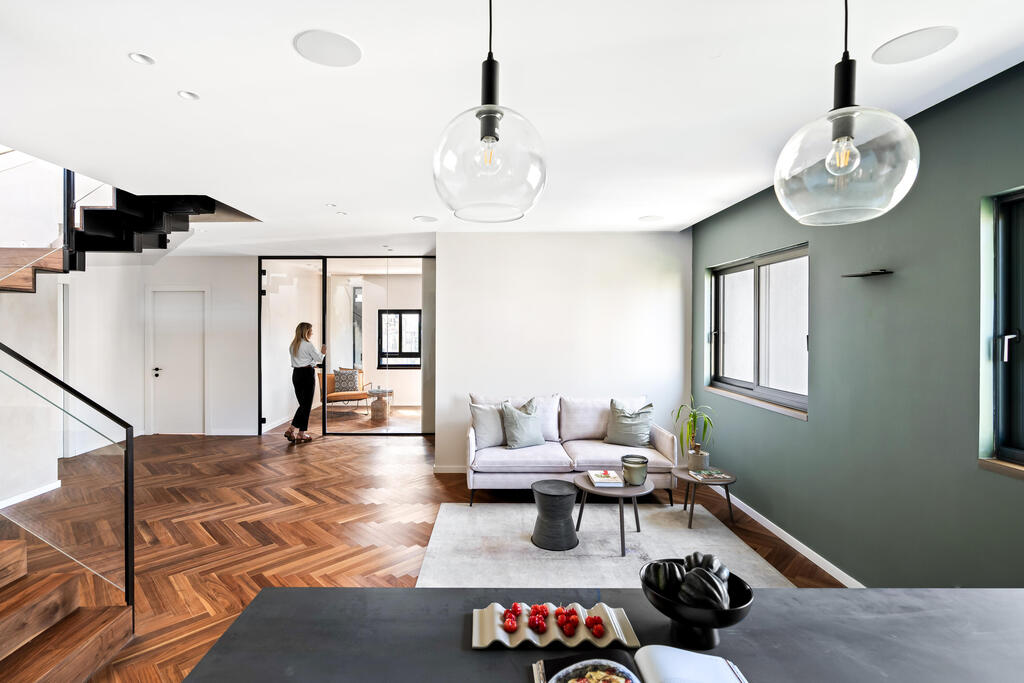
Design by Halel Architecture and Interior Design
(Photo: Maor Moyal)
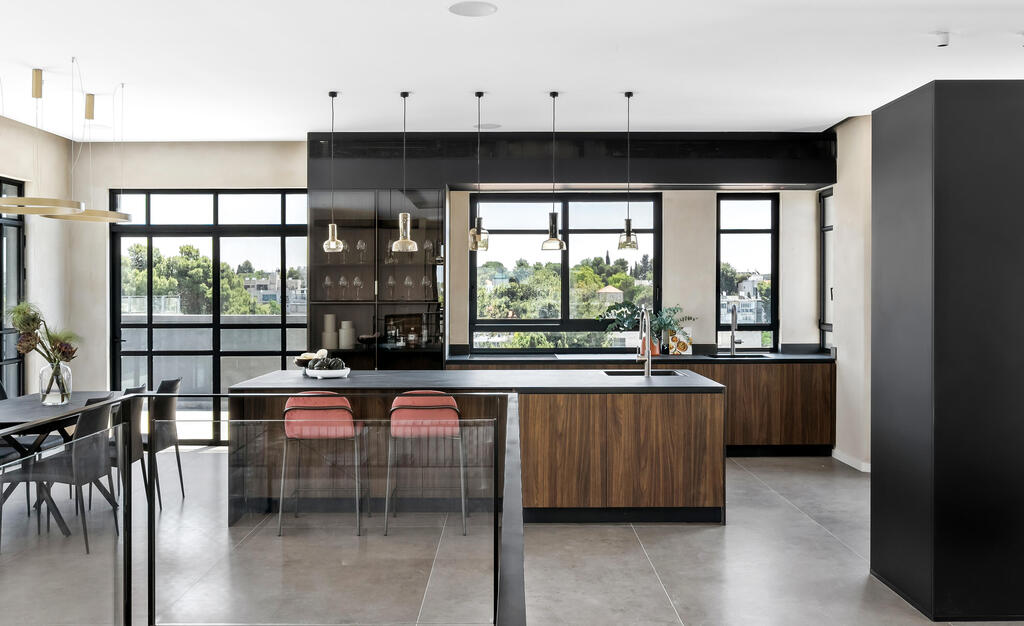
Design by Halel Architecture and Interior Design
(Photo: Maor Moyal)
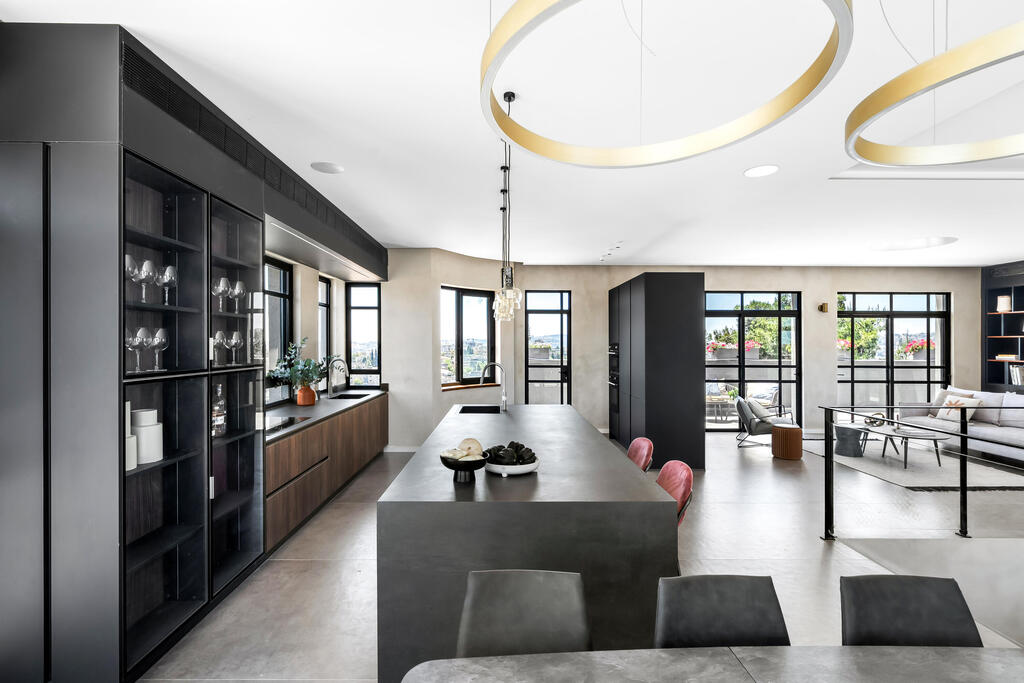
Design by Halel Architecture and Interior Design
(Photo: Maor Moyal)
“At the same time, it is very important to create order, storage and ease of maintenance, because the home needs to remain functional even after periods when it stands empty.”
In one Jerusalem project, she said, the entire planning process was conducted through a local broker rather than directly with the end client, because the home was designed for American foreign residents from the get-go.
“That means we have to think already at the planning stage about their living habits — the proportions of the spaces, a kitchen suited for large gatherings and an atmosphere that connects the American design language they are familiar with with the local materials and light of Jerusalem,” she said.