

I’m constantly asked by clients abroad: “What’s actually happening in the market?” The problem is that most articles and reports are already a minimum three to six months out of date. As someone working daily in Tel Aviv and the surrounding areas, I can tell you the reality on the ground right now.
From boom to slowdown
The COVID years created a perfect storm. Money was cheap, governments were handing out stimulus money and people were eager to spend. Sellers had all the power — if you weren’t willing to pay full asking price, they wouldn’t even let you in the door. I remember calling owners and developers in 2021–2022 with serious buyers just slightly under asking, and they would flatly say, “Don’t even bring them.” That was the attitude.
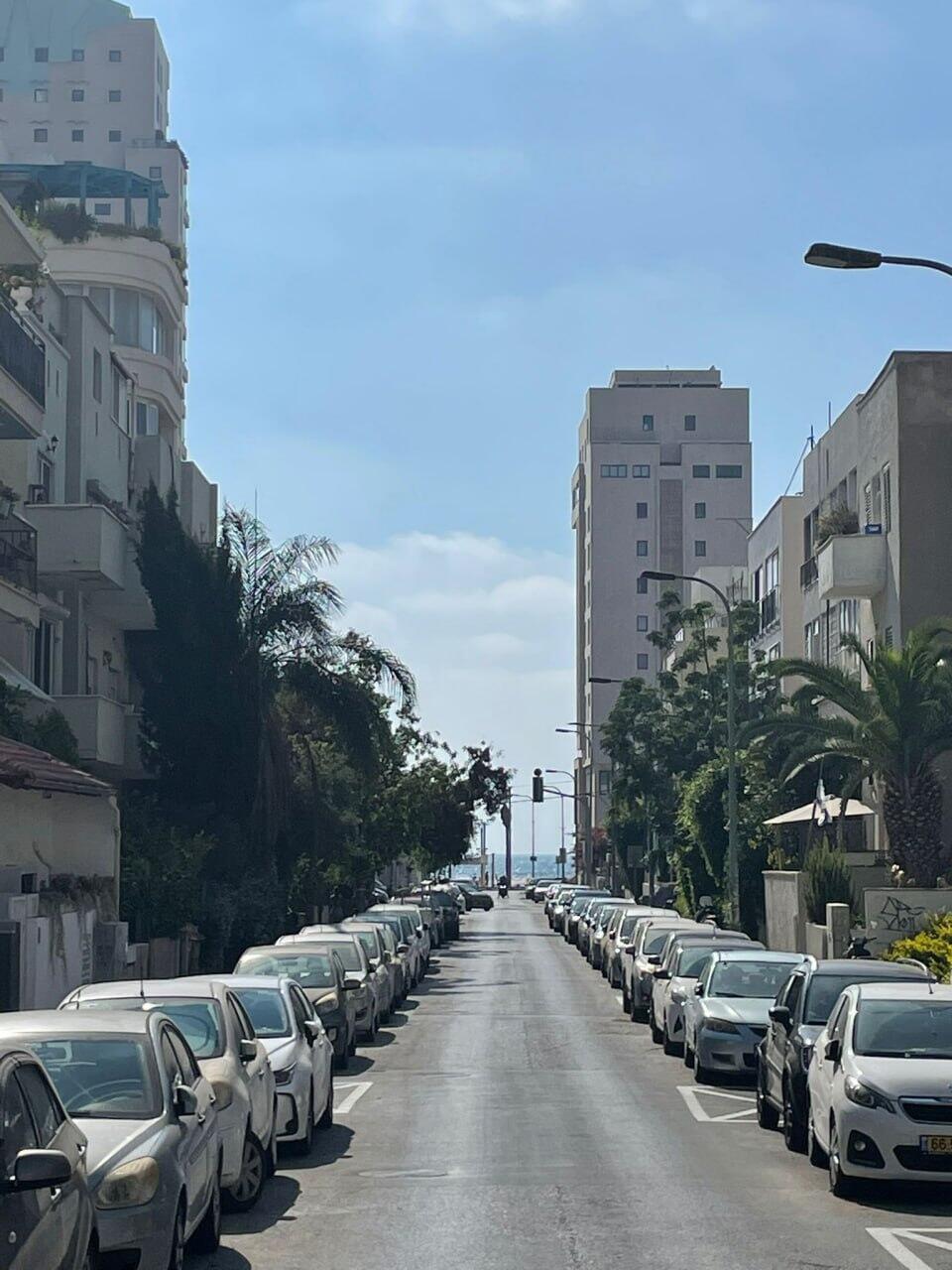
But from late 2022, when interest rates spiked to nearly 5% in Israel, buyers were quickly priced out of the market. Going into 2023, political instability compounded the slowdown, and the breakout of the war following October 7 sent shockwaves through the market. Developers who had rushed to buy up land during the boom are now left with a mix of overpriced projects and sometimes units designed with tight, less appealing layouts. In my view, some forgot to ask the most basic question: “Would someone actually want to live here?”
Second-hand market: Prices down 15–20%
The clearest correction has been in older, second-hand apartments. In Tel Aviv’s highly desired Old North neighborhood, a typical two-bedroom unit that once sold for around 60,000 NIS per square meter is now closer to 50,000–52,000 NIS — sometimes less. Many sellers still clinging to 2021/2022 prices are finding their properties sitting unsold. In today’s market, if you want to sell, you must price competitively.
New developments: Incentives return
Developers are still listing high, but behind the scenes, there is flexibility. I’ve personally secured significant discounts for clients, along with flexible payment terms. That was unthinkable just a few years ago. Inventory is also higher than I’ve seen in at least five years, giving buyers more choice than ever.
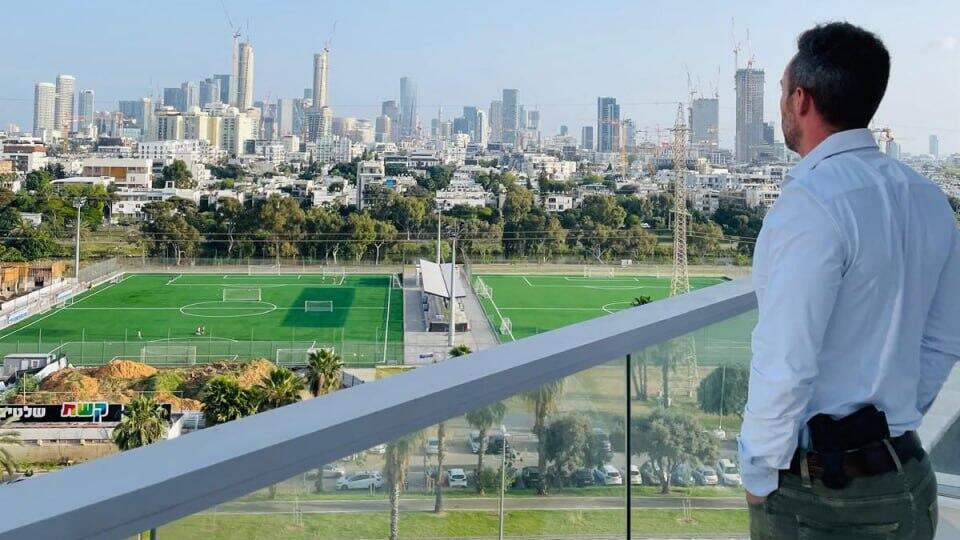
(Photo: Noah Sander)
Buyers vs. sellers
The core dynamic today is the gap between what sellers want and what buyers will actually pay. Rates remain high, international buyers are also facing higher borrowing costs in their home countries and Israel is still at war. That is a recipe for a depressed market. Despite less volume, well-priced properties are still selling, and quality apartments continue to command a premium.
Looking ahead: A storm is brewing
What comes next is tied to Israel’s larger story. When the war is won and our hostages are home, I believe we’ll see consumer confidence storm back. Even second-hand apartments with good fundamentals, such as an elevator, a safe room (MAMAD) and not needing a full renovation, will see higher closing prices. Rates are also likely to ease, even if only modestly, making mortgages more affordable.
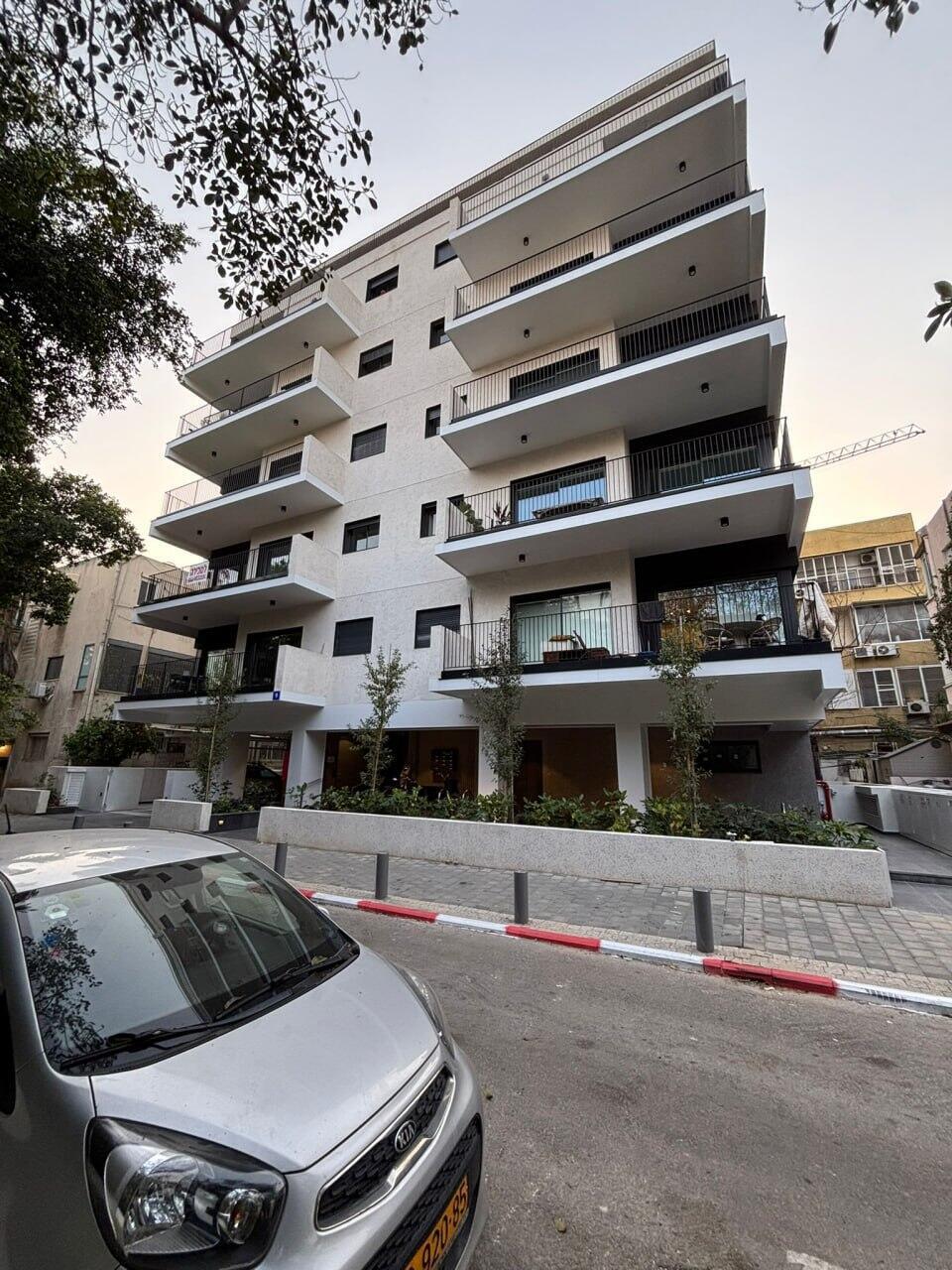
(Photo: Noah Sander)
And then there’s aliyah. It’s no secret that global antisemitism is at levels not seen since World War II. If I were a betting man, I’d say Israel must be prepared to absorb an aliyah wave in the coming years — quite possibly the largest since the state’s founding. Many of my own clients abroad are simply waiting until they can properly fly out here to buy, whether that’s for future aliyah or investment. I have these calls daily. Eventually, demand will rise across the country, not just in and around Tel Aviv.
That said, I don’t foresee a return to 8–10% annual appreciation unless rates fall back to historic lows. More likely, we’ll see steady, sustainable growth year by year. What we’re experiencing now is a correction, not a crash. Sellers can still achieve good results today, but those who wait until confidence returns may well maximize their upside.
The bottom line
From where I stand, despite the slowdown, the market will recover. Buyers today have more leverage and choice than ever. Sellers who are realistic can still achieve strong results. And once the war is behind us, demand and confidence will surge again.
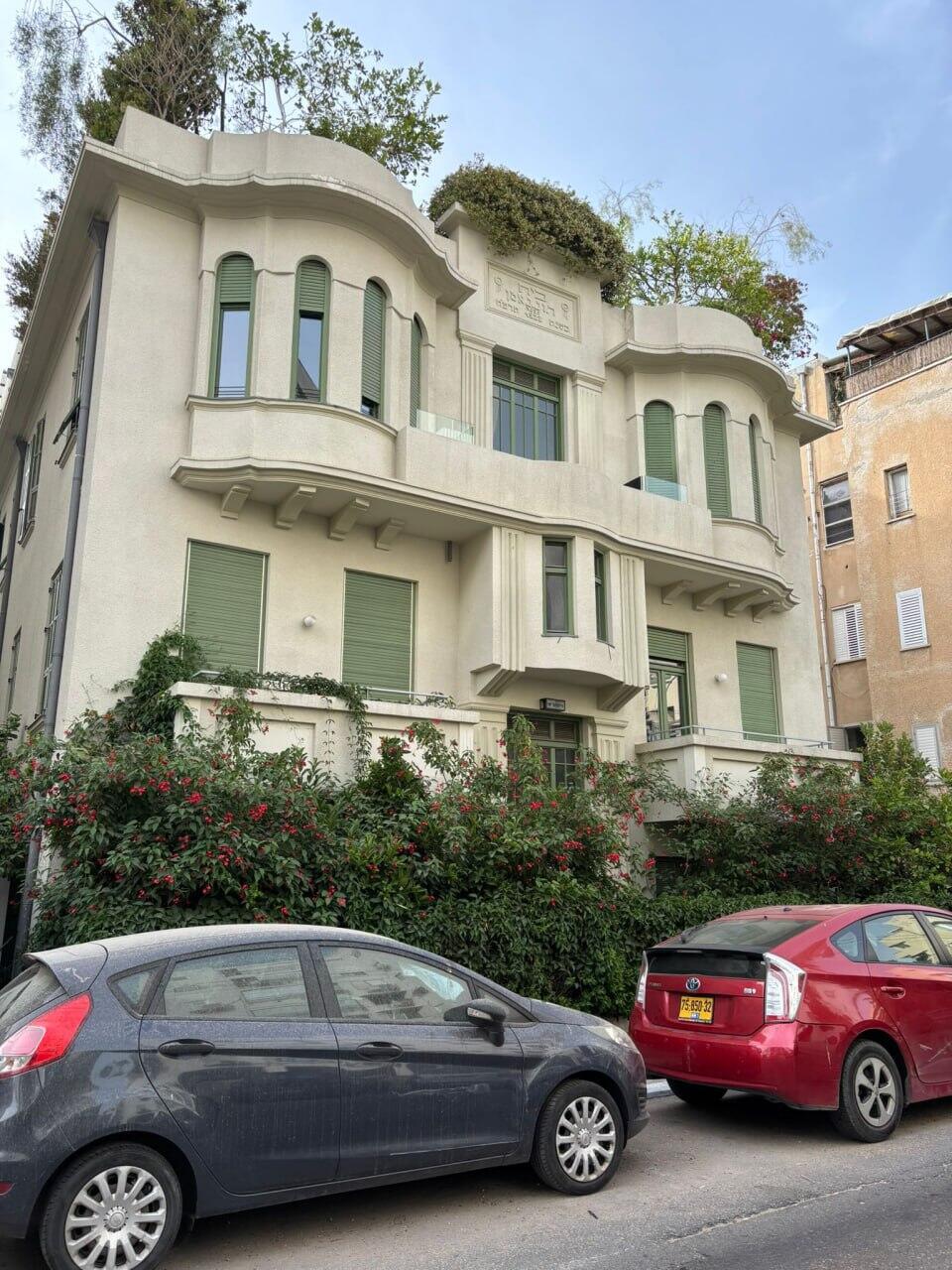
(Photo: Noah Sander)
For those abroad wondering whether now is the time to buy, let me tell you this: I get it — it’s not emotionally easy to invest when the country is under fire. But that’s exactly why this window of opportunity exists. My advice? Invest like a Zionist, negotiate like a realist. Because while Israel is not going anywhere, your buyer’s advantage won’t last forever.
- Noah Sander is a Canadian-born real estate agent based in Tel Aviv, specializing in helping international buyers and new olim navigate the Israeli property market. For inquiries: [email protected], his brokerage: Daon Group Real Estate.