

For many buyers from abroad, purchasing property in Israel is an exciting journey. It is often a first investment in the country, a long-term family decision or a step toward aliyah. But alongside the excitement, I frequently see buyers underestimate critical aspects of the process: not just how much a property costs, but when various payments are due and how they are structured.
In previous articles, I’ve covered the general costs involved in buying real estate in Israel. In this piece, I want to go a step deeper and focus specifically on timing and structure. Understanding when payments are required and how they function in practice is essential for proper planning. In many cases, this knowledge is the difference between being able to move forward today or having to delay a purchase because the funds simply don’t line up.
Over the past several weeks alone, I’ve had multiple conversations with first-time buyers that ended with them needing to reassess, and ultimately postpone a decision that had been years in the making. That’s what prompted this article. My goal is to highlight some of the most common surprises foreign buyers encounter, and to provide clarity for others who may be approaching the same crossroads.
Purchase tax: one of the first payments made
One of the first major costs buyers must plan for carefully is purchase tax. In Israel, this is not a distant obligation that gets settled sometime down the road. Purchase tax must be paid within 60 days of signing the purchase agreement, not upon receiving the keys and not upon completion of construction.
The applicable tax rate depends on several factors, including the buyer’s residency status, whether they already own property and whether they qualify for benefits such as new immigrant status. Missing the payment deadline can result in penalties and interest, making this a cost that simply cannot be ignored or postponed.
For many foreign buyers, the timing itself comes as a surprise. There is often an assumption that taxes are paid later in the process, but in Israel, liquidity planning at the time of signing is critical. Buyers need to know in advance exactly how much cash must be available and when, or they risk finding themselves financially stretched at the most crucial moment of the transaction.
The aliyah tax advantage
One important planning opportunity applies to buyers who are considering aliyah, and it is one that is often overlooked. A foreign resident purchasing property in Israel is generally subject to a flat 8% purchase tax, and above certain price thresholds, this can rise to 10%. However, if that buyer makes aliyah within one year of the purchase, they may be eligible to have their purchase tax recalculated retroactively according to the new immigrant tax brackets, which are significantly lower.
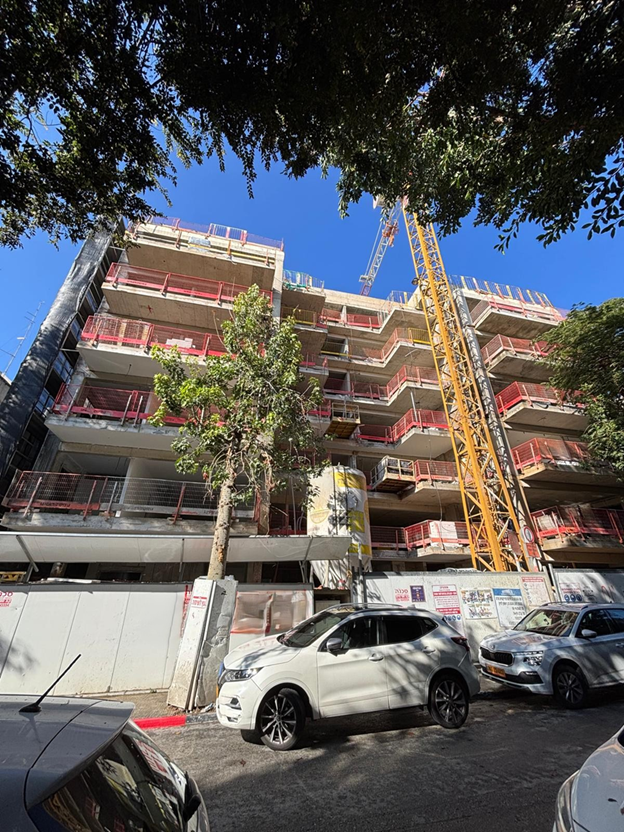
(Photo: Noah Sander)
For buyers purchasing new construction, the window is even wider. In those cases, the eligibility period can extend to three years from the date of signing, rather than one year, provided aliyah is completed within that timeframe.
In practical terms, this means substantial savings, often amounting to hundreds of thousands of shekels. Buyers who are even contemplating aliyah should raise this issue with both their lawyer and realtor before signing, as proper planning at this stage can have a meaningful financial impact that cannot be fixed retroactively.
Realtor commission: who pays, and when
Another common surprise for foreign buyers is how realtor commission works in Israel. Here, commission is paid by the party being represented. A buyer who works with a buyer’s agent pays commission to that agent, and a seller pays commission to their representative. This structure is standard and clearly defined from the outset.
Where confusion often arises, especially among international buyers, is the timing of commission payment in new construction transactions. In some countries, buyers are accustomed to commissions being paid only upon project completion, sometimes years after signing. That is not the case in Israel.
(Photo: Noah Sander)
In Israel, commission is due upon execution of the purchase agreement, meaning at contract signature, even if the apartment will only be delivered years later. The specific payment terms are clearly outlined in the commission agreement and are typically paid within a reasonable timeframe, but they are not tied to construction completion.
It’s also important to understand that buyers are not exposed or unprotected in new construction deals. Israeli law strictly regulates these transactions. Buyer funds are safeguarded, payment schedules are controlled and if a developer delays delivery beyond the legally permitted timeframe, buyers are entitled to compensation. This is not a speculative gamble; it is a tightly regulated legal framework.
From a professional standpoint, this structure makes sense. A realtor’s role is to identify the right property, negotiate price and terms, coordinate the legal process and bring the transaction to contract. While many agents continue to assist clients after signing, the execution of the agreement marks the completion of the core scope of work. For that reason, commission is tied to signature, not delivery.
The construction index
Buyers purchasing new construction should also be familiar with the construction index, known in Israel as the “madad.” Many new-build contracts are linked to this index, which reflects changes in construction material and labor costs. If the index rises between the time of signing and completion, the buyer is obligated to pay extra money on top of the purchase price.

(Photo: Noah Sander)
Sometimes the impact is minimal. In other cases, particularly during periods of inflation or market volatility, it can amount to tens of thousands of shekels by the time the apartment is delivered. What’s important to understand is that the index is linked to only 40% of the purchase price. For example, for a 3 million shekel apartment in a new construction project, approximately 1.2 million shekels would be index-linked, not the full amount.
This is where an experienced realtor can add meaningful value. Depending on the developer, the stage of the project, and broader market conditions, it is sometimes possible to negotiate the contract so that the price is fully detached from the index. This is never guaranteed, but it’s something I often try and get for my clients. Israeli buyers are generally familiar with index-linked pricing, but for many foreign buyers this concept is entirely new, and understanding it early helps avoid unpleasant surprises later.
Planning correctly makes all the difference
Buying real estate in Israel is not just about finding a property and agreeing on a price. It is about understanding timelines, cash flow, and legal structure. The timing of purchase tax, commissions, possible building index linkage and potential aliyah benefits all play a major role in determining whether a purchase is realistic or out of reach.
When buyers understand these elements upfront, the process becomes smoother, more predictable, and far less stressful. It gives you confidence, clarity and the ability to make informed decisions and ultimately fulfill the dream of owning a home in Israel.
- Noah Sander is a Canadian-born real estate agent based in Tel Aviv, specializing in helping international buyers and new olim navigate the Israeli property market. For inquiries: [email protected], his brokerage: Daon Group Real Estate.