

During Operation Rising Lion, Iran launched over 550 ballistic missiles at Israel, with 63 breaching defenses, killing 30, injuring hundreds, displacing thousands and causing widespread damage to buildings. The severe attack underscored a long-known reality: Israel is inadequately prepared to physically protect its citizens.
Despite 56% of residential buildings lacking shelters, entire communities—especially unrecognized Bedouin villages in southern Israel’s Negev Desert region—remain without public or private safe spaces. As the need for solutions grows, a groundbreaking initiative now aims to address this vulnerability and potentially reshape national policy.
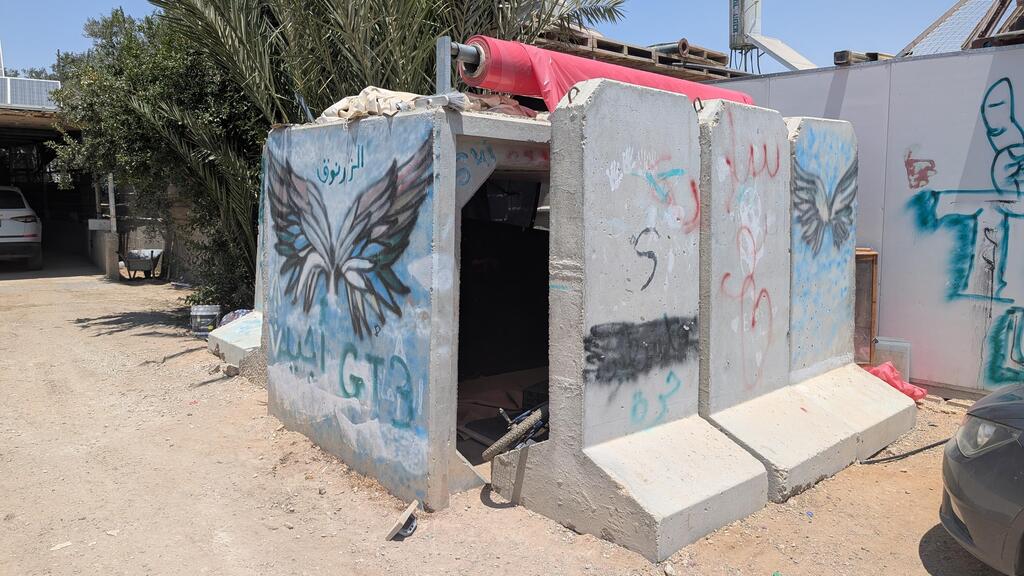
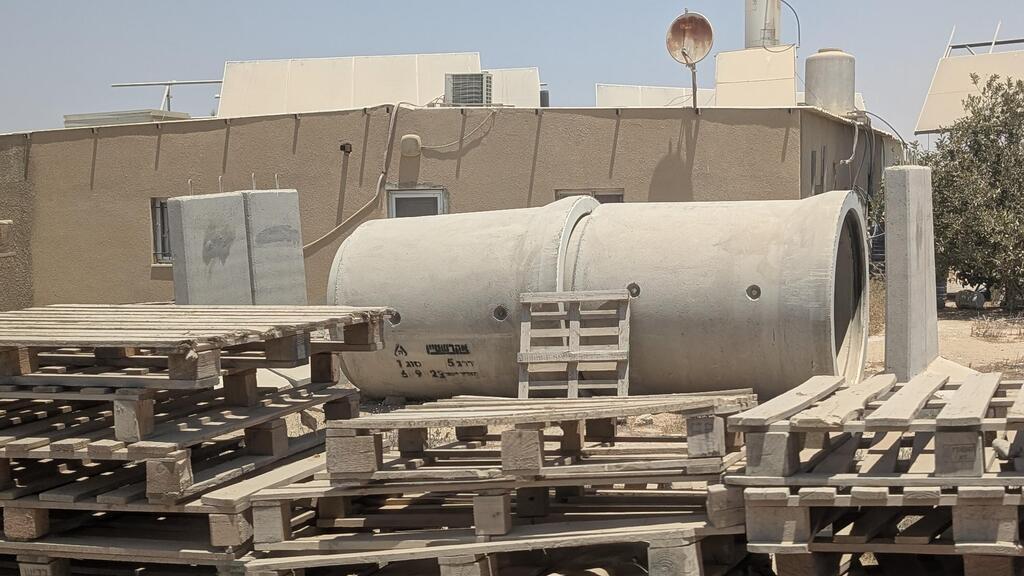
(Photo: Negev Urban Research Labs)
The need for sheltering in Negev Bedouin villages, particularly unrecognized ones, predates recent fighting rounds, rooted in decades of infrastructure gaps, unplanned development and legal ambiguities that complicate protection efforts.
Since the war in Gaza began on October 7, 2023, and escalated with Iran, eastern Negev residents have faced repeated missile strikes, killing around 20 Israeli Bedouins.
While some Israelis rely on partial civil defense, many in the Bedouin diaspora lack shelters, safe rooms or even enclosed structures for refuge. With no access to protected spaces within homes or within a 10-minute reach, they remain exposed during air raid sirens.
A March 2025 Knesset Research and Information Center report highlighted alarming gaps in Bedouin village protection. It’s unclear if all Bedouin communities, especially in the diaspora, are covered by IDF Home Front Command alerts, and even where alerts exist, sirens often fail to sound.
The state lacks updated data on residential sheltering, though since the war began, 44 standard and 32 sandbag shelters have been installed—but not enough to answer the need sufficiently. The report also noted that 21% of Bedouin schools in the Negev lack any protection.
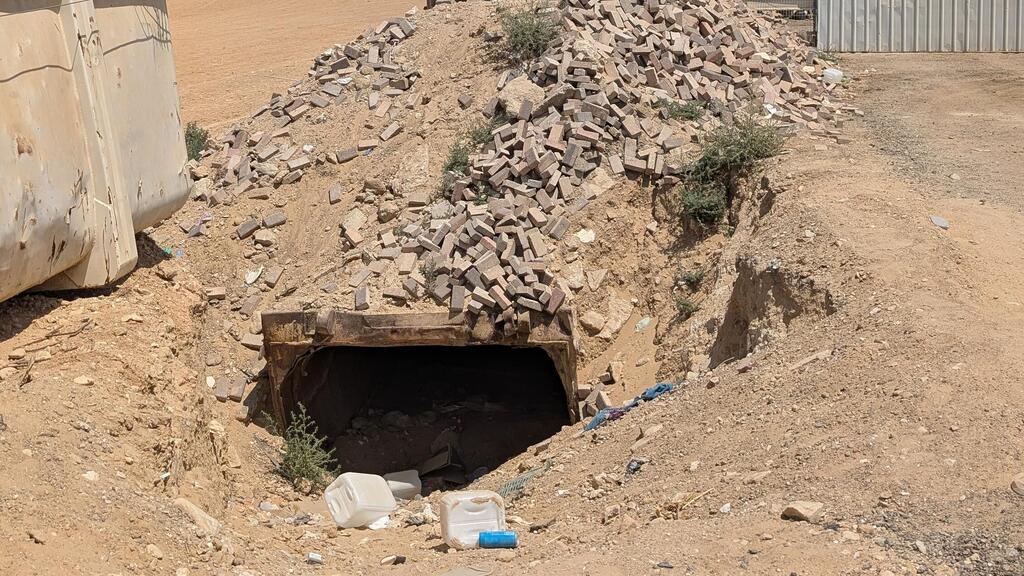
(Photo: Negev Urban Research Labs)
Following the ceasefire with Iran, the urgency to provide even temporary shelters for rural areas has spurred diverse government and private initiatives, though a lack of basic data on population distribution, density, infrastructure and access routes hinders effective planning.
Amid this complexity, architects and researchers from Ben-Gurion University have developed an innovative algorithm-based tool to protect scattered, unplanned rural populations.
The project, a rare collaboration between the Negev Urban Research (NUR) labs with Ben-Gurion University, MIT City Science Center, Sami Shamoon College of Engineering, the Hebrew University’s Algorithmic Urban Planning Lab, Eastern Negev Cluster Authorities, the Bloomberg Philanthropies Regional Initiative and architect Lobna Sana—seeks practical solutions.
NUR’s director, architect Merav Battat, said, “Days after the initial shock of war, we asked: How can we help? Who needs it? What tools can offer real solutions? Seeing Home Front Command plan a NIS 100 million ($26.5 million) investment plan in Negev Bedouin village shelters, we wondered—wait, how do they decide where to build?”
This led to a data-driven tool optimizing shelter locations for maximum household coverage in emergencies. Technical lead Yonatan Cohen explained, “We used aerial imagery data from Microsoft, identifying 60,000 structures, though many were agricultural or too small for living.
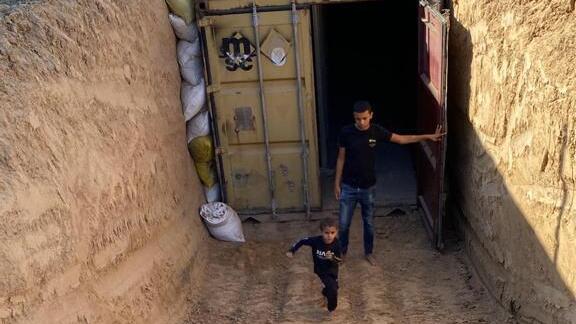
Shipping container used as improvised shelter
(Photo: Negev Urban Research Labs)
“After filtering, we mapped 37,000 homes. Our algorithm then pinpoints optimal shelter sites, ensuring efficient, non-duplicative coverage.” The result is a smart planning tool guiding precise, effective decisions without wasted resources.
Beyond proposing new sites, the system maps existing shelters, offering an interactive map for all citizens to locate the nearest safe space. Battat noted, “It’s primarily for local councils and Home Front Command, but it’s public too.
“During the Iran war, many struggled to find nearby shelters, so we built an accessible, transparent system for both decision-makers and those on the ground.” As security threats grow unpredictable, civilian protection must become a public concern, not just an expert domain.
Integrating technology, spatial planning and social sensitivity could revolutionize Israel’s emergency preparedness. If adopted widely, this approach might soon safeguard not just borders but those within them. “This could extend beyond the Negev to all Israeli settlements. With further development, it could become a national planning framework,” Cohen added.
First published: 08:48, 08.25.25