

“The first meeting will be long,” our architects, Shiri and Eliran (Nagi Halevi), wrote when they reached out to set expectations. They did not know that for parents of a child with special needs, that goes without saying.
All first meetings are long. In professional jargon it is called an intake. In the language of special-needs parents, it is called: Let’s roll out, for the millionth time, every challenge and every pain, stay hopeful but realistic, and mostly try to look cute and in love even though we have not spoken for two days and barely remember why.
Gallery

Hendin family. The house is still on paper, but the challenges are already here
(Photo: Anat Kazula)
A first planning meeting with architects is not technically an intake, but as you will soon understand, it is a kind of therapy. You may well leave it not speaking for two days. Or two weeks.
We arrived prepared, or so we thought. It is a bit like arriving at your first birth with a detailed plan, the soundtrack selected, the exact song that will play as he enters the world. And then you deliver at 29 weeks with an allergic reaction to the epidural. Plans are one thing. Reality is another.
Fortunately, our architects knew exactly what to ask, from dreams and aspirations to the practicalities: How many family members will live in the house? (Six). More children planned? (Never say never, but never). Ages? (12, 10.5, 8, 5, and two parents over 40 who look great). Hobbies? (Staying alive). Who works from home? (Both of us, separately). How much storage do you need? (A walk-in closet the size of a Tel Aviv apartment, please). How much privacy? (The kind that requires two sinks in the bathroom). Do you need space for a barrel-sized treadmill in what we will call a home gym? (No. We already have a clothes rack).
After about two hours, they had enough data to draft an initial plan. As the name suggests, it is only the first. Then come two, three or 400 more, depending on how flexible you are.
'The disabled child will be alone?'
“We want three levels,” we said confidently, like parents of four children close in age who sleep only until someone wakes up convinced they have crossed a desert and are desperately thirsty.
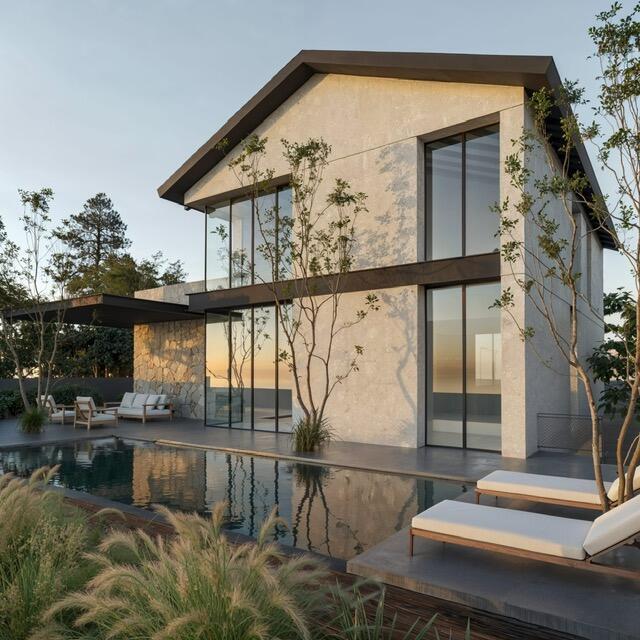
This is how the house will look: Harel will live on the lower level. Alone. The rest upstairs
(Illustration: Nagi Halevi)
“And the children will be on the upper or lower level?” the architects asked. “Three downstairs. Harel on the entry level,” we answered.
Boom. We braced for the nonjudgmental looks we knew would come, and have come, and will continue to come from the carefully chosen people with whom we mistakenly shared the plans. So here's a tip: don't.
“You want to separate them? Harel will be alone? The disabled child alone?”
Take a breath. It helps. Trust us, we have been doing this for 12 years. From the moment your child is born, people tell you that you know them best, especially the mother, because “mother always knows.” That's a lie. When your child is born, you do not know them at all, and the mother does not know anything despite wearing the title for a week.
It takes time. After a significant trial period on planet Earth, it becomes true: We know him best. Not only him, but each of our children and the dynamic between them.
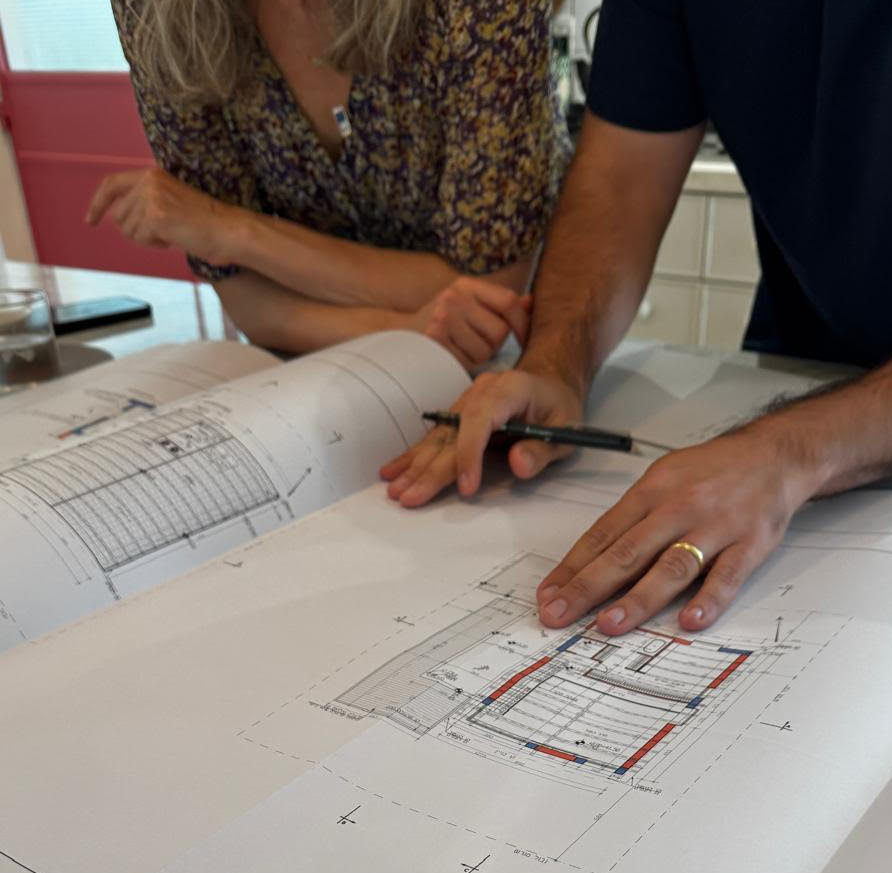
Prepare for 2, 3 or 400 sketches
(Photo: Noa Harel-Hendin)
And if we decided, also in conversation with Harel, that he would have his own space on the entry level, believe us that it is the best choice for him and for us. There is no need for a heartbreaking soundtrack of “Out Here On My Own,” and no need to call social services.
Harel and his cerebral palsy are 12. We have been learning and changing for 12 years. We have a fully, wonderfully unique child. Harel loves personal space. He is thrilled by the idea of having a floor of his own, without siblings or parents hovering. That fits a 12-year-old with three close-in-age siblings, whether he has a disability or not.
After another month, our architects presented the entry-level plan: a private entrance for Harel, his own yard and full accessibility. And if the idea of “alone” still makes you anxious, there will also be a room for a caregiver, because we are realistic. The reinforced safe room is on that level too, because we are realistic.
Our dream home, which at times feels like a nightmare or a bureaucratic saga, is built on compromise. Piles and piles of compromise. Within them are the moments we imagine: sitting together at a kitchen island designed for wheelchair access; watching a movie in a living room spacious enough that we do not have to part furniture like the Red Sea so Harel can pass; entering a pool with a lift that does not look like therapy equipment while my children try to dunk one another and I yell, “Not the head!”; gathering in our private area and breathing another day into our lungs.
Together. Or alone. A dream.