

After reviewing the Finance Ministry’s latest announcement supporting a new national framework for Israel’s rental market, it’s clear that the intention behind the proposal is positive. On paper, it sounds sensible: create a coordinated structure for long-term rentals, adjust planning policy, expand density and encourage developers to build more homes for renters.
But anyone familiar with the realities of Israeli real estate knows that things are not so simple.

Whenever the government announces a new intervention in housing, I immediately become wary. Not because the goals aren’t aimed in the right direction, but because the instinctive governmental response to every housing challenge results in more regulation, more committees, more oversight and inevitably, more bureaucracy.
Yet the deeper truth is this: the more the government tries to “fix” the housing crisis with new frameworks, the more tangled and inefficient the system becomes. And the harder it is to build, the less supply we have. The less supply we have, the worse the crisis becomes.
Israel’s housing crisis was not created by a lack of regulation. It was created by an inability to build fast enough for a rapidly growing population. Any solution that doesn’t prioritize massive, accelerated construction is destined to miss the mark from day one.
The core problem is severe lack of supply
The idea of encouraging more long-term rentals is not inherently bad. In fact, officials have repeatedly acknowledged the real issue: Israel simply does not have enough apartments relative to demand. When young families, students, new immigrants and returning Israelis all compete for the same limited housing stock, both purchase prices and rental prices rise. No framework, regulatory or otherwise, can change this basic equation.

(Photo: Noah Sander)
If more apartments are built with no strings attached, especially in central Israel, the market stabilizes. That’s economics, not ideology. Where I differ from the government’s approach is in the belief that Israel needs new national plans to shape the rental market.
In my view, pushing developers toward specific product types, even if not formally mandated, risks distorting the market and adding friction in an already overregulated system. The real solution is simpler: let the experts build, reduce red tape and the market will take care of itself.
One of the most damaging obstacles in Israel’s housing market that I experience up close and personal with developers and clients is the painfully inefficient permit process.
Israel has one of the slowest, most complex building approval systems in the Western world. Developers routinely wait over a year just to receive a building permit, and in many cities, the full planning and approval journey takes several years. It is nearly impossible to stabilize the housing market when timeframes look like this. There is no reason why approvals should take this long in a country with such urgent demand.
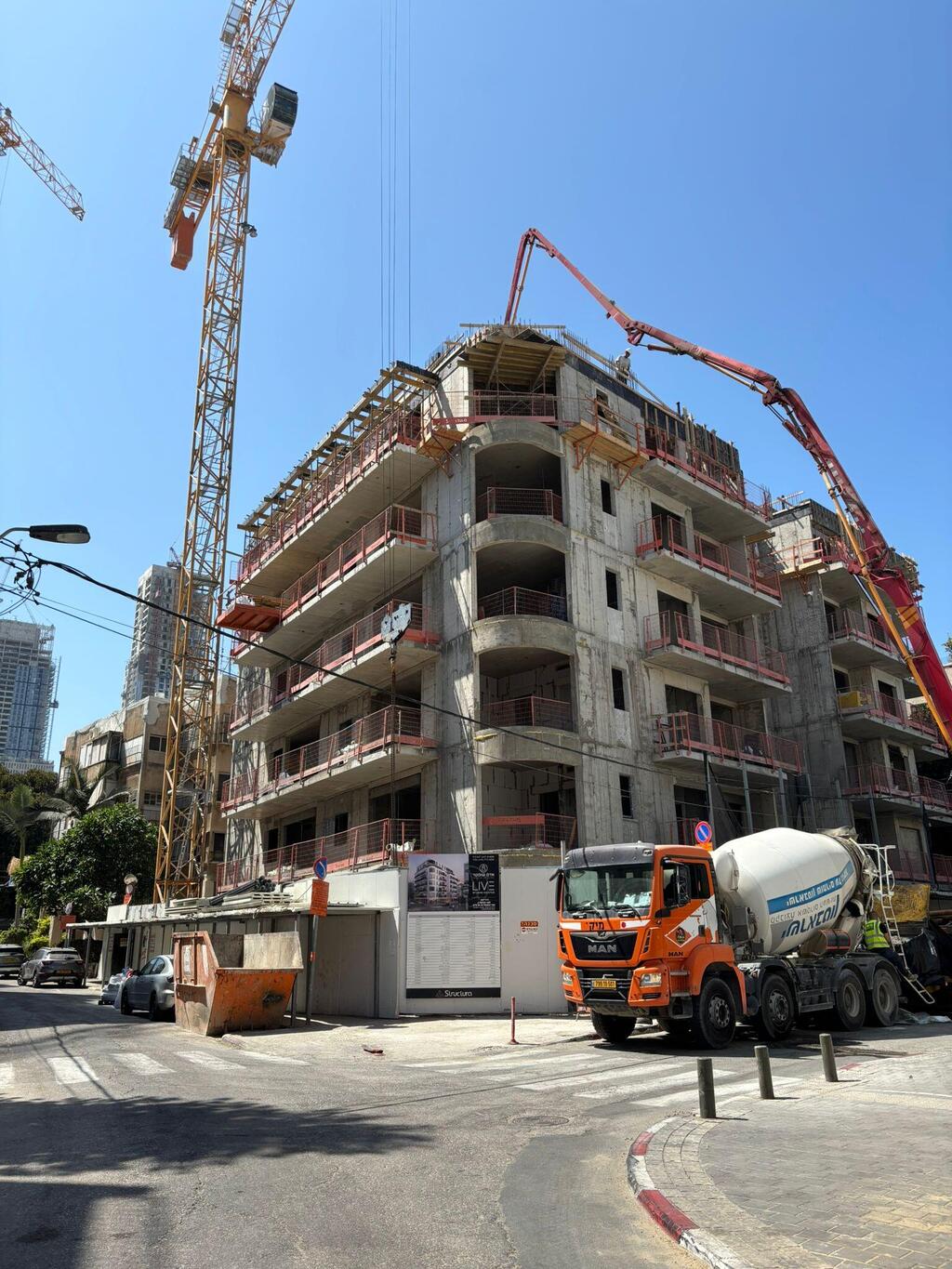
(Photo: Noah Sander)
If Israel did nothing else besides streamline national and municipal permitting, reducing multi-year delays to months, the impact on the housing market would be dramatic. When developers know approvals will be delivered in a timely fashion, they build more. When they fear endless uncertainty, many simply don’t.
There are legitimate ideological and security-based reasons for the state to maintain control over national land. As a Zionist, I fully understand this. However, when one centralized body, the Israel Land Authority (ILA), controls over 90% of the country’s land, the system becomes inherently slow and heavy.
Rezoning, the tender process, permits and land release all move at a pace not in line with Israel’s current housing demands. The structure itself creates bottlenecks. The answer is not reckless privatization. But a middle path exists: the ILA can free up more land, accelerate tenders, expand development zones and create more flexibility, all while maintaining national safeguards. Any reform that speeds construction will help the housing market far more than new regulatory frameworks.
Israel cannot solve its housing crisis without solving its transportation crisis. Yet Israel is decades behind where it should be. It is extraordinary that central Israel’s first light rail line only became operational barely two years ago. Even more troubling is the metro project - a transformational national undertaking delayed for decades, which is only now entering initial phases, with completion projected sometime in the late 2030s.

(Photo: Yariv Katz)
Had mass transit been prioritized years ago, Israel’s housing map would look entirely different today. People could commute efficiently across Gush Dan. Demand pressures would naturally disperse. Traffic would ease. Peripheral cities would thrive. Infrastructure doesn’t just move people, it shapes where they can afford to live. Here too, government delays have deepened the crisis.
The path forward is clear
Israel needs more homes, plain and simple. And it needs them fast. The quickest remedy is to remove every bureaucratic barrier that slows developers from building them. That means: streamlining the permit process, reducing ILA bottlenecks, freeing selective land more quickly, accelerating major transportation projects, encouraging construction through incentives, not mandates.
These are real, meaningful solutions. If Israel wants rental prices to stabilize, if it wants homeownership to become within reach again for the majority of the population, and if it wants the market to finally breathe, the answer remains the same: Build more homes. Build them faster. And let the government get out of its own way.
- Noah Sander is a Canadian-born real estate agent based in Tel Aviv, specializing in helping international buyers and new olim navigate the Israeli property market. For inquiries: [email protected], his brokerage: Daon Group Real Estate