

Oakland, California, once an unlikely sports powerhouse, is now the testing ground for a bold experiment: a baseball team managed not by a human coach, but by an iPad running artificial intelligence.
For decades, Oakland punched far above its weight in American sports. With just over 440,000 residents, the city hosted the Golden State Warriors, who launched the Steph Curry dynasty before leaving for San Francisco in 2019; the Raiders, who played in Oakland between 1960 and 1981, then again from 1995 to 2019 before relocating to Las Vegas; and the Oakland Athletics, who moved to Sacramento in 2024 on their way to Las Vegas in 2028.
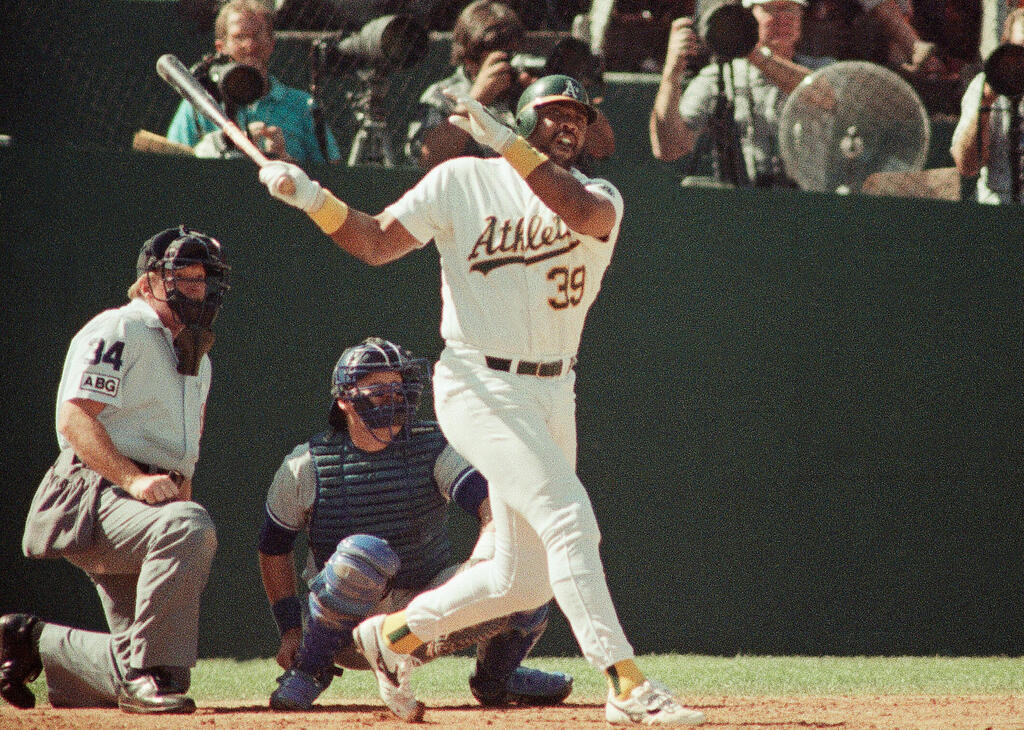
The A’s were a model of success despite a small market and low payrolls, winning four championships and famously inspiring the “Moneyball” revolution under general manager Billy Beane. By prioritizing overlooked statistics such as on-base percentage and slugging, the A’s reshaped modern baseball and became the subject of Michael Lewis’ bestseller Moneyball and the Brad Pitt film adaptation.
But when every team adopted Moneyball analytics, Oakland lost its edge. The A’s slipped into mediocrity, crowds dwindled, and hopes for a new stadium collapsed. When the team departed, the city was left without a professional franchise.
A new team, a new experiment
In 2024, a nonprofit called Oakland 68 raised $2.5 million through crowdfunding to create the Oakland Ballers (or Oakland B’s). Wearing green-and-gold uniforms reminiscent of the A’s, the new club joined the independent Pioneer League.
After firing a manager in their first season and briefly making headlines by adding Kelsie Whitmore, the first woman to play in the league, the Ballers turned to an even bigger innovation: artificial intelligence.
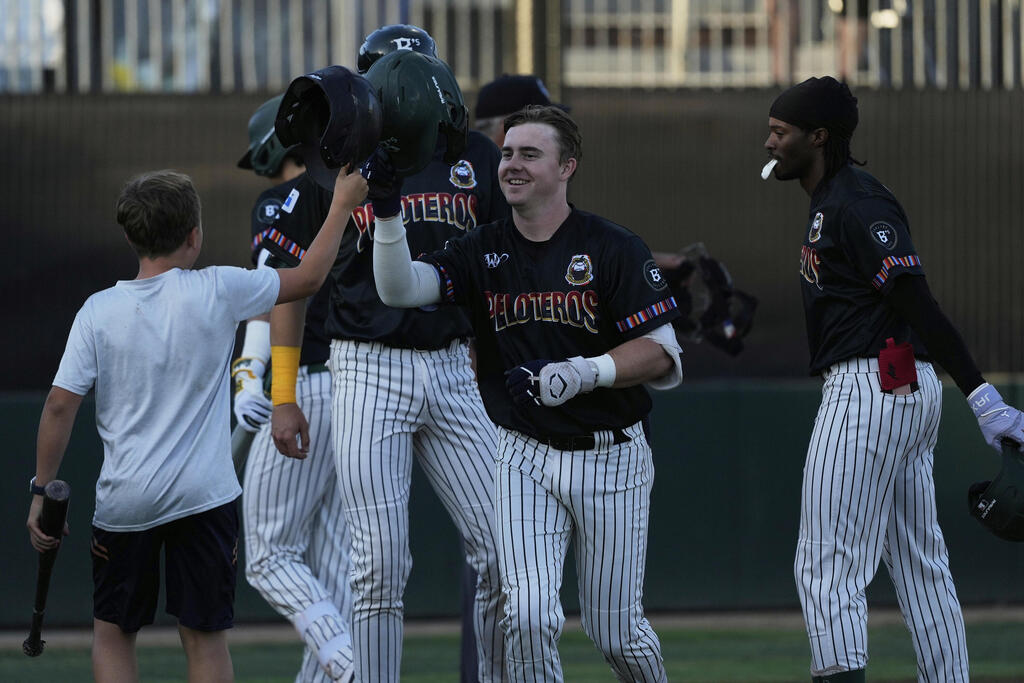
(Photo: AP Photo/Jeff Chiu)
On Sept. 7, in a home game against the Great Falls Voyagers, manager Aaron Miles sat on the bench with an iPad in hand. Unlike the tablets increasingly common in dugouts, this one wasn’t just for data visualization. It ran “Aaronalytics,” an AI program built in two weeks by baseball-obsessed programmers from a Los Angeles firm.
The software dictated who should pitch, who should bat, defensive alignments and substitutions — effectively reducing the manager to a messenger for an algorithm.
The AI makes its move
In the eighth inning, with Oakland leading 2–0, Aaronalytics instructed Miles to replace pitcher James Coyler with Connor Sullivan. The opposing Voyagers quickly tied the game, and fans booed the decision. But when the AI next called for bench player Sam Buford, the Ballers rallied to win 3–2.
“I would have made those same moves,” Miles said afterward, though the crowd was less convinced.
Some fans complained the experiment catered to Silicon Valley rather than Oakland’s working-class identity. “AI is for the rich and famous,” one wrote on Instagram. “Oakland is not Palo Alto.” Others embraced the novelty: “If the coach has the software, then fans can have it too. We’ll understand decisions better and feel more involved.”

The parallels to Billy Beane’s Moneyball era were clear. Just as statistical analysis once gave Oakland a temporary advantage, AI now promises to crunch decades of baseball data faster than any human. Yet its limits were obvious: the program suggested replacing the starting catcher, not knowing he had woken up with a headache that morning.
“It’s a real revolution,” Miles said. “AI can handle the math. What’s left for the manager is the human side — relationships, emotion, turning players into a team full of passion.”
For a city still reeling from the loss of its professional franchises, the Ballers’ experiment is both a reminder of Oakland’s innovation and a glimpse into baseball’s future. For one night at least, the iPad called the shots — and showed fans how the game might look tomorrow.