

The COVID-19 pandemic turned out to be the best thing that ever happened to chess. With no physical tournaments, the game moved online and became a global virtual arena. Platforms such as Chess.com and Lichess.org began hosting tens of millions of matches a day for hundreds of millions of users. Top players could suddenly make hundreds of thousands of dollars in online competitions. Netflix’s hit series The Queen’s Gambit gave the sport another surge of popularity.
But the digital revolution also brought back an old problem in a new form: cheating. Platform operators tried to fight it with anti-cheating software and mandatory webcams during tournaments. Yet there were limits, both technical and ethical, to how much they could monitor. Many players used chess engines that could find perfect moves in a fraction of a second. The problem was widespread, and with it came accusations, counteraccusations and conspiracy theories. No one truly solved it.
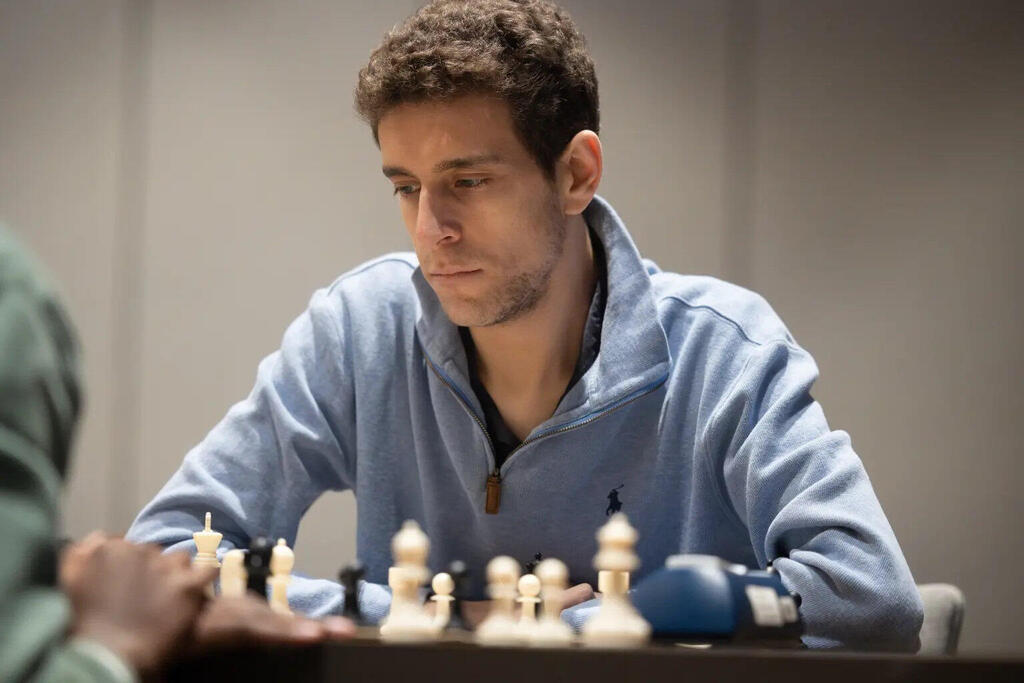
Daniel “Danya” Naroditsky became the defining figure of this new hybrid era, bridging the ancient art of chess with its digital future. He was admired by rivals, fans, journalists and officials alike. But the same digital chess world that made him a star may also have contributed to his death, just 20 days shy of his 30th birthday.
A childhood destined for brilliance
Naroditsky was born and raised in San Mateo, south of San Francisco, to Jewish parents who had emigrated from Ukraine and Azerbaijan. At home, they spoke English, Russian and chess. He was a serious child with a phenomenal memory. His father taught him the game when he was six. In 2007, he became the under-12 world champion. A year later, he posed for a photo with Vladimir Kramnik, the Russian who had dethroned Garry Kasparov in 2000 and reigned for seven years. Both smiled widely. For the young Naroditsky, Kramnik was a hero.
At 14, he published his first chess book. By 18, he was an international grandmaster, the highest title in the sport. In 2013, he won the U.S. under-20 championship. But instead of pursuing a full-time professional career, he chose to study history at Stanford University. There, he met people who would shape his future, including Peter Giannatos, founder of the Charlotte Chess Center in North Carolina. After graduation, Naroditsky moved to Charlotte to teach and compete. His rating consistently placed him among the top 200 players in the world, but he was especially dominant in rapid chess, where he ranked among the world’s top 25. In August 2024, he won the U.S. Rapid Championship.
More than anything, Naroditsky found his true calling in teaching. He discovered joy in mentoring young students and sharing his love for the game. The pandemic magnified that passion and brought it to millions.
The teacher and the voice of a generation
Naroditsky became one of the most influential voices in modern chess. He streamed his games, gave online lessons and commentated on major events. His mix of intelligence, humility and humor made him magnetic. His love for chess was infectious.
He had nearly a million followers across YouTube and Twitch, with hundreds of thousands tuning in for inspiration. His videos accumulated tens of millions of views. The New York Times hired him as a columnist and puzzle writer. He broke down openings, explained strategies and taught players how to manage their mistakes. Alongside fellow grandmaster Robert Hess, he formed a beloved commentary duo that combined sharp insights with entertainment. “Chess can be a very frustrating game,” he told his students. “You have to be patient, because unlike other games, you’ll be a bad player for quite a long time.” He was a grandmaster not only at chess but also at making others love it.
That idyllic chapter ended in October 2024.
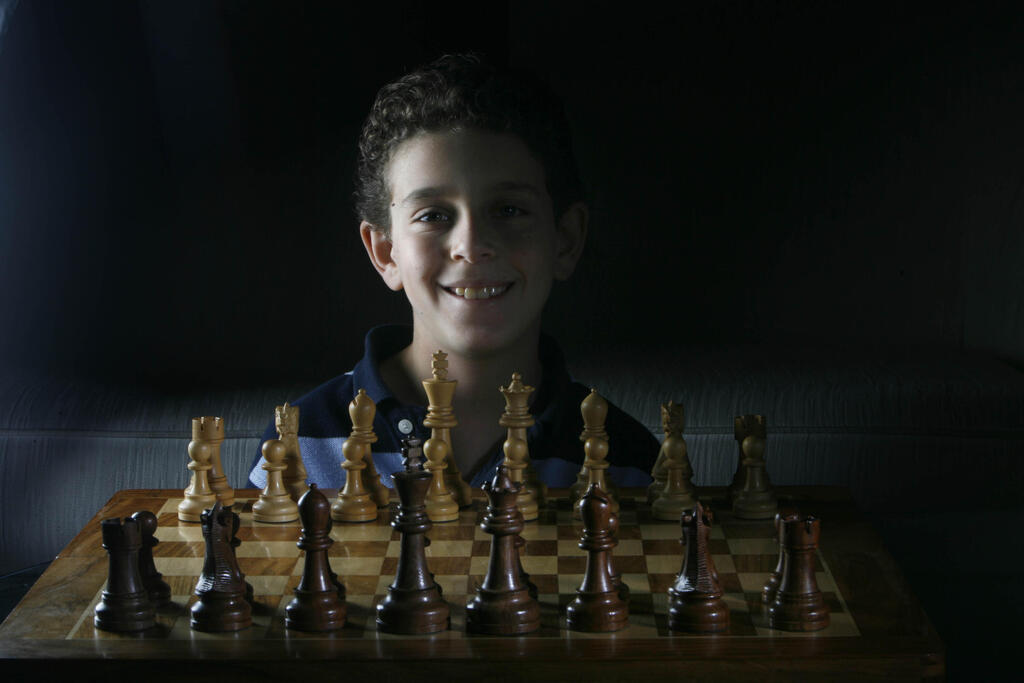
Daniel Naroditsky at age 12
(Photo: Lea Suzuki/The San Francisco Chronicle via Getty Images)
The hero turned tormentor
Vladimir Kramnik retired from professional chess in 2019. Like many others, he found a new mission during the pandemic: to cleanse the game of cheaters. “Chess is an important part of my life,” he said. “I don’t want it to fall into the hands of people trying to make money and destroy its tradition.” Surrounded by data scientists, Kramnik helped develop software that analyzed error rates and statistical patterns to flag players who seemed too good to be true.
Ironically, Kramnik himself had once been accused of cheating. During the 2006 world championship against Bulgaria’s Veselin Topalov, a match later dubbed “Toiletgate,” Topalov’s team accused him of visiting the bathroom too often to consult a computer. Officials locked the restrooms, Kramnik refused to play Game 5 and was penalized by forfeit. The dispute was eventually resolved, the bathrooms reopened and Kramnik won the title.
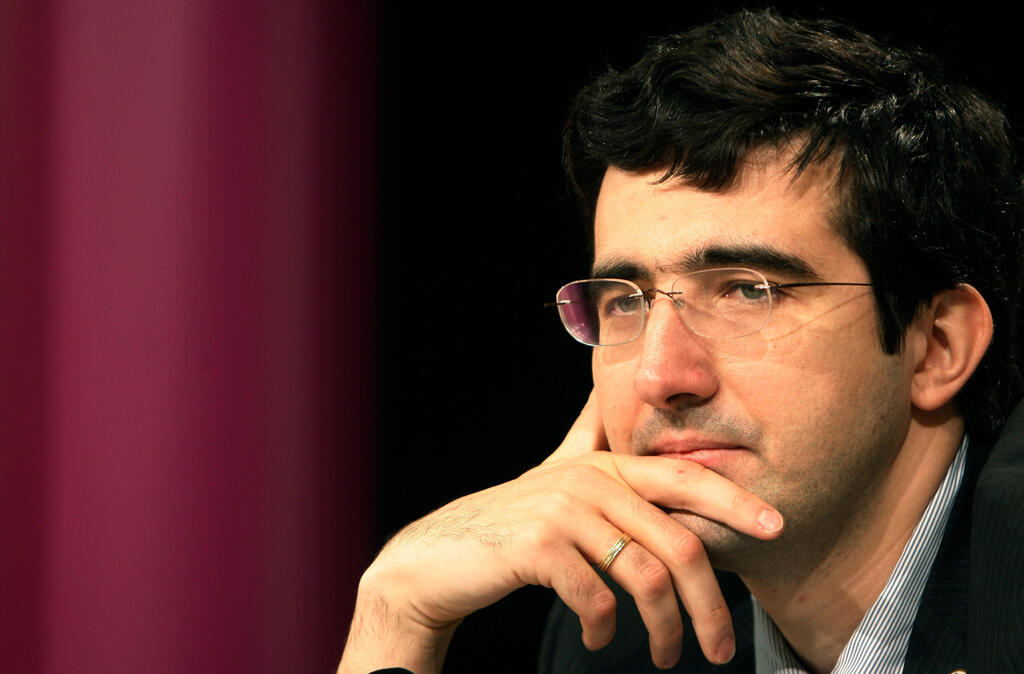
Vladimir Kramnik hounded Daniel Naroditsky
(Photo: Lea Suzuki/The San Francisco Chronicle via Getty Images)
By late 2023, Kramnik was turning those same tactics on others, posting cryptic accusations online. In December, Chess.com removed his blog for making unfounded claims. In May 2024, he published a list of statistical “hints” pointing to players he suspected of cheating, without naming them directly. One was Czech grandmaster David Navara, who denied the claims but later described the deep psychological toll of being targeted, including suicidal thoughts. Kramnik threatened to sue Navara for defamation, a pattern that would repeat itself.
While most agreed cheating was a problem, many condemned Kramnik’s aggressive crusade. Still, the chess world’s governing bodies did nothing, neither to curb cheating nor to stop Kramnik’s harassment.
In October 2024, Kramnik’s insinuations turned toward Naroditsky. He implied that Naroditsky’s rapid-chess success was suspicious, pointing to his eye movements on camera and statistical anomalies in his play. “I’m not accusing anyone, just asking questions,” Kramnik said before publicly challenging him to a $50,000 head-to-head match. Naroditsky declined. The man he had once idolized had become his tormentor.
The breaking point
Kenneth Regan, a computer science professor at the University at Buffalo and one of the world’s foremost experts on chess analytics, investigated Naroditsky’s games for months. His conclusion was clear: there was no evidence of cheating.
But the chess world is small. Even unproven allegations can destroy a career. Organizers avoid controversy, and sponsors stay away. When Magnus Carlsen accused Hans Niemann of cheating in 2022, Niemann admitted to online cheating as a teenager but saw his reputation and income plummet.
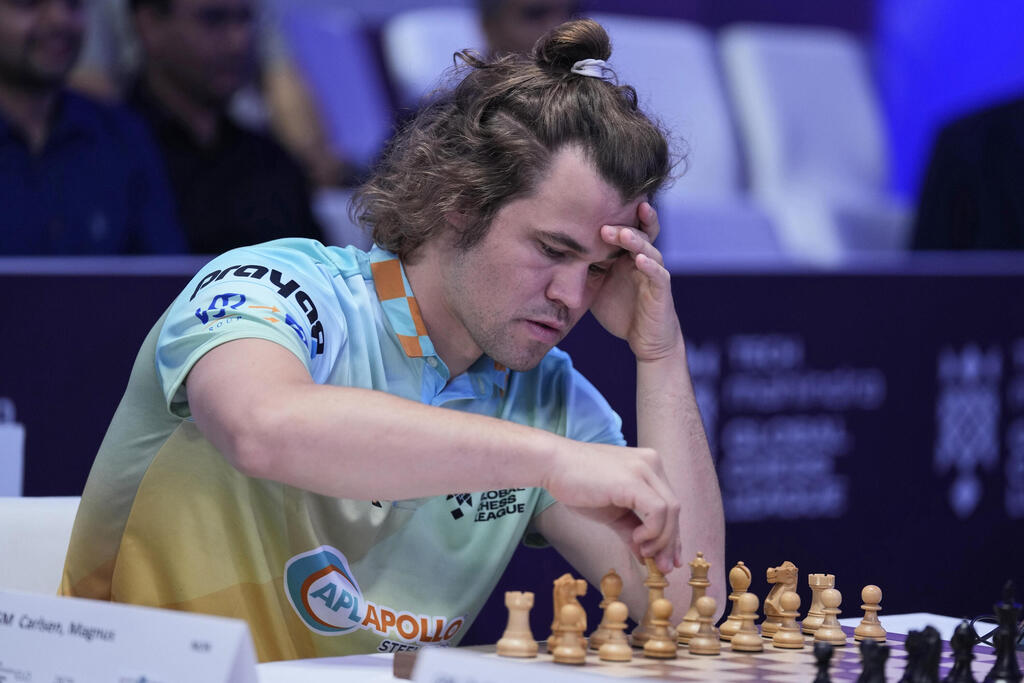
Magnus Carlsen
(Photo: AP Photo/Kamran Jebreili, File)
Naroditsky repeatedly denied the accusations. “This is a dark chapter in the history of chess,” he said. “What Kramnik and his followers are doing is worse than filth. I’m not looking for sympathy, but this has been going on too long. It’s pathetic and sad. It’s affecting me, but I’ll try to ignore it. This is a malicious, prolonged campaign to destroy my life, to cause me mental and physical harm. He knows exactly what he’s doing.” For Naroditsky, the emotional strain became unbearable.
The final broadcast
After nearly two months of silence, Naroditsky returned to streaming on October 17, 2025. His video was titled “Did you think I disappeared!?” Wearing a light gray hoodie and white headphones, he told his hundreds of thousands of fans that he was back, refreshed and ready to create new content. For an hour, he played and commented as he always had, but something was different. “Ever since Kramnik’s accusations, I feel like if I play well, people will assume I’m cheating,” he said, his voice trembling. The humor, the energy, the spark were gone. He seemed anxious, exhausted and broken.
During the stream, Kramnik posted on X, “Stop using drugs,” and urged Naroditsky’s “friends, if he has any,” to intervene. Viewers saw Naroditsky’s head slump into his hands. A friend’s voice was heard whispering for him to end the stream. He nodded. After more than two hours, he said quietly, “One last game,” and signed off.
“I hope Kramnik rots in hell”
Two days later, when Naroditsky failed to respond to messages, his friends, Ukrainian grandmaster Oleksandr Bortnyk and Peter Giannatos, went to his home in Charlotte. They found him lifeless on the couch. Paramedics arrived at 7:11 p.m. and pronounced him dead. The official cause has not been released, but police suspect suicide or overdose.
“The last thing I told him,” Bortnyk said, “was, ‘Danya, don’t worry. I love you so much.’”
The reactions were swift. Kramnik expressed “sadness” over the tragedy, claiming he had never directly attacked Naroditsky, and speculated about the cause of death. He said he was ready to “show proof” of his allegations if asked. Indian grandmaster Nihal Sarin, Naroditsky’s last online opponent, said Kramnik had “effectively taken someone’s life.” World No. 2 Hikaru Nakamura broke down crying on stream. “I hope Kramnik rots in hell,” he said. Magnus Carlsen added, “I don’t think anyone truly believed Danya cheated. I regret not saying that publicly sooner.” Levi Rozman, who has seven million followers, and legendary Hungarian player Judit Polgar also expressed their grief.
Chess can be a very frustrating game,” Naroditsky told his students with honesty. “You need a lot of patience, because unlike other games, you’ll be a very bad player for quite a long time.” He was a grandmaster at making the game feel simple, guiding young students through their first steps on the board. He taught groups at the Charlotte Chess Center, gave private lessons and shared his knowledge with hundreds of thousands online, always with endless patience—like a man who had found his true calling in life. That idyllic chapter ended in October 2024.
More than 40,000 people signed a petition demanding that Kramnik be suspended from all chess activity. The International Chess Federation, which had faced criticism for past inaction, said it was referring the case to its disciplinary committee.
Kramnik responded by threatening to sue anyone linking him to the incident. “This is a smear campaign against me and my family,” he told Russia’s Match TV. “These reactions only prove how corrupt the chess world has become.”
A moment of humanity
Everything written about Daniel Naroditsky could be summed up in one 12-minute, 20-second YouTube clip: Round 11 of the 2024 World Rapid Championship. Naroditsky sits on the right in a gray button-up shirt, sipping coffee. Across from him is 56-year-old Ukrainian legend Vasyl Ivanchuk.
The game is breathtaking. Pawns surge forward, queens are sacrificed and traps are set. Ivanchuk holds a clear advantage but loses on time. He bursts into tears, burying his head in his hands. Naroditsky, who has just won, does not celebrate. He lowers his head, understanding his opponent’s pain. After a long minute, he stands, removes his blue jacket from the chair, straightens up and whispers one word to Ivanchuk: “Sorry.”
If someone around you is in crisis or showing signs of suicidal thoughts, do not hesitate to reach out. Encourage them to seek professional help. In Israel, contact ERAN’s hotline at 1201, via WhatsApp at 052-8451201 or reach out to Sahar online.