

The most surprising appearance in Netflix’s excellent documentary on Hulk Hogan comes from German filmmaker Werner Herzog. Herzog, known for art-house cinema, is about as far removed from WWE as possible, a world where emotion is king and where today’s biggest star is a vampire-like character named Danhausen, who curses people and freezes them in place.
Herzog brilliantly describes Hogan as a larger-than-life figure and makes a striking point when he says he has no interest in learning Hogan’s real name. What fascinates him is whether the man, Terry Bollea, and the character, Hulk Hogan, eventually merged into a single entity.
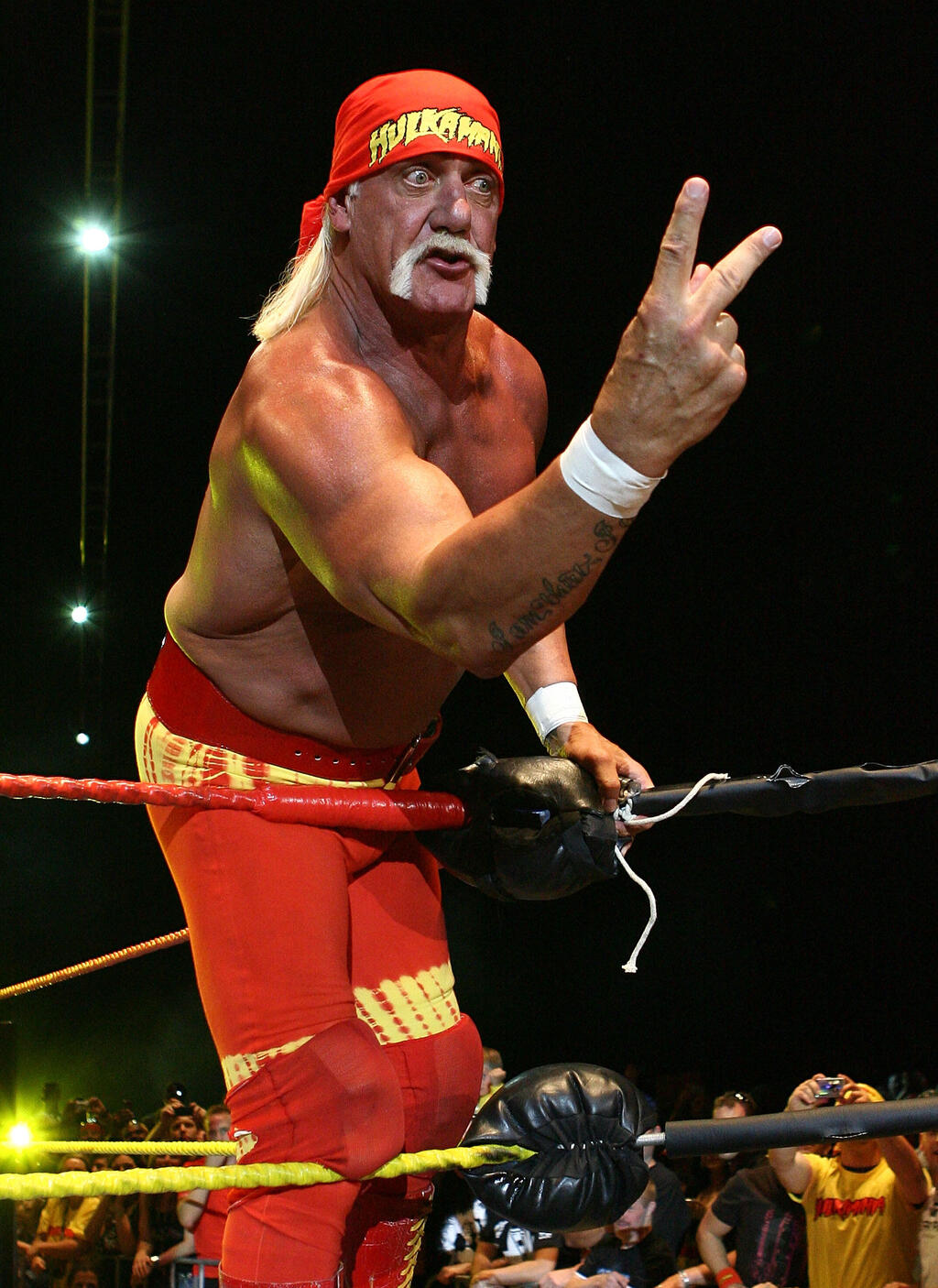
Hogan, who died last July, never really manages to answer that question himself.
His tragic death raises difficult questions about a man who seemed unable to become Terry Bollea again, even long after retirement. The iconic blond mustache and yellow hair were still there in his final interview, recorded a month before his death.
Most of Hogan’s contemporaries died long before him. Reaching 71 is an advanced age for a professional wrestler. Randy Savage died at 58 after suffering a heart attack while driving, causing a fatal car crash. The Ultimate Warrior died at 54, also from a heart attack. Andre the Giant lived to 46 before dying of heart failure. The list goes on. Hogan himself died at home of a heart attack after also battling leukemia in his later years.
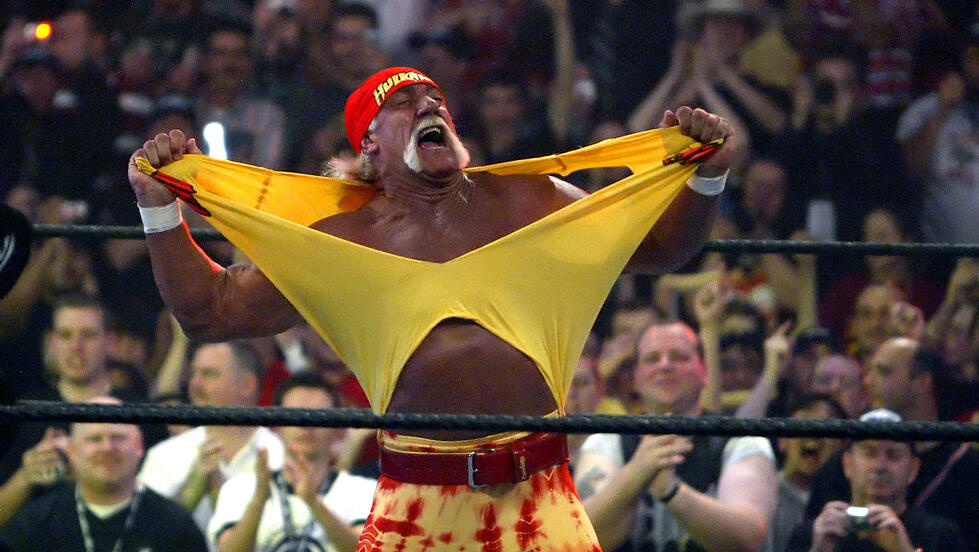
(Photo: AP)
Hogan became one of America’s defining symbols of the 1980s. Alongside WWE owner Vince McMahon, he was chiefly responsible for the unprecedented growth of WWE, then known as WWF. The towering blond figure was everywhere, bringing the circus-like spectacle into prime time and deep into the American mainstream.
He embodied a particular vision of Americana. He entered arenas carrying the American flag, battled the Iranian villain The Iron Sheik, portrayed as an enemy of the American people, and represented absolute good. Children and adults alike were captivated. Hogan was king. He filled arenas across the United States.
He also had a profound influence on President Donald Trump, a longtime fan who became a close friend and made a surprising appearance in the documentary. Hogan opened Trump’s presidential campaign during the most recent election cycle, a move that cost him support among more liberal audiences.
The heavy price
The appeal of scripted wrestling is difficult to explain because it resembles nothing else. It is theater infused with genuine athleticism. Landing on one’s back every night or leaping onto an opponent still takes a severe toll, even inside a ring.
The WWE locker room of the 1980s was awash in drugs, from painkillers such as fentanyl to cocaine, alongside massive steroid use to maintain the larger-than-life physiques. Hogan became addicted to powerful painkillers, and there were always people willing to supply them. The addiction followed him until the end of his life. His body never truly recovered.
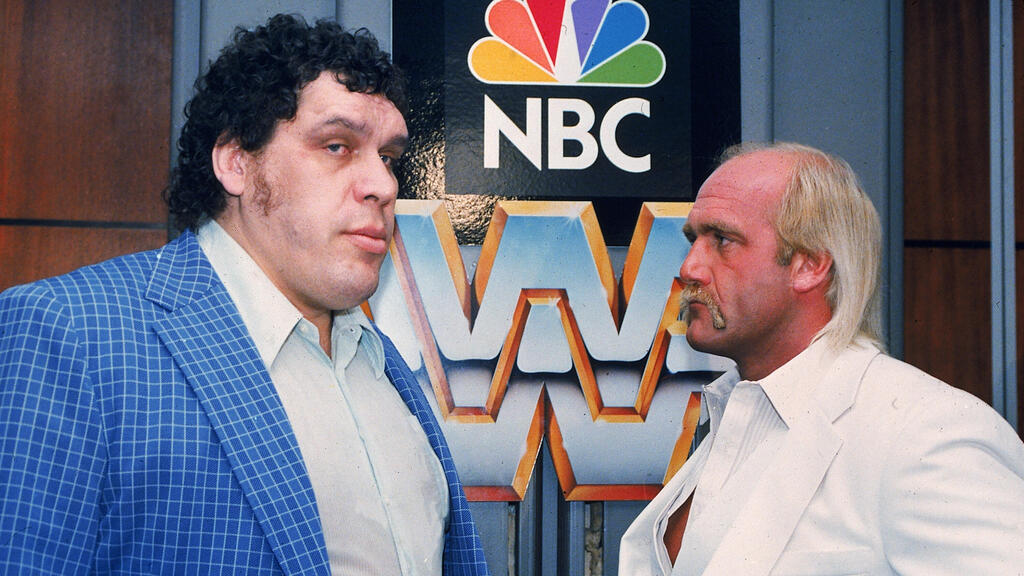
Hogan with Andre the Giant, who died at 46
(Photo: AP Photo/Richard Drew)
What makes it sadder is that Hogan was considered a relatively safe wrestler. He did not perform dangerous high-flying stunts or elaborate acrobatics. His style was basic: punches, body slams and a modest finishing move. Yet everything came at a cost — a heavy one.
Contrary to popular belief, a WWE ring is not soft like a mattress. It has springs, but it is still a ring, not a cushioned bed.
The addiction extended beyond drugs. After retirement, Hogan said he found himself binge-eating enormous quantities of ice cream and gummy candy. Combined with alcohol and popcorn, he described nights of “binging until I completely exploded.” Intense workouts helped disguise some of the weight gain, but he still struggled physically.
“I got huge, but not the way I was used to from training,” he joked.
In recent years he managed to lose nearly 40 pounds after abandoning a routine that included going to karaoke parties near his home, drinking heavily and returning home to eat candy in front of the television until sunrise.
The documentary does not attempt to canonize Hogan. It goes beyond nostalgia without turning into a public execution. It portrays an enormous figure, literally and figuratively, who left behind both an immense legacy and ugly stains.
His racist remarks, including saying he did not want his daughter dating a Black man, which led to his temporary removal from WWE and a devastating public backlash, are included and not brushed aside. In his final interview, Hogan addresses the controversy in a less defensive tone than in the past, though his remorse arrives only after the damage was done.
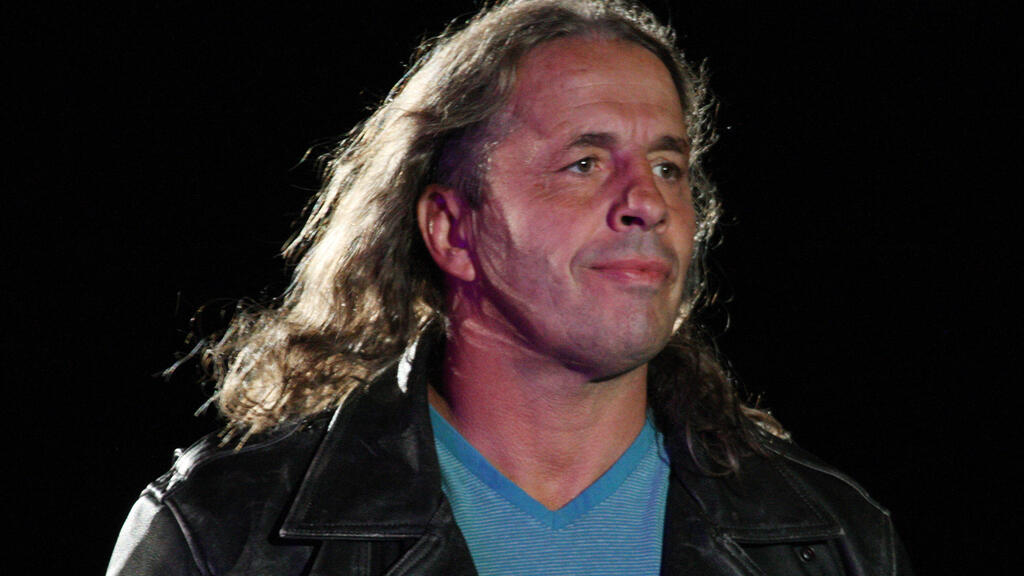
Bret Hart
(Photo: Steve Haag/Gallo Images/Getty Images)
Hogan was a childhood hero to millions, but also a man who hurt people. He was a brilliant businessman, but also someone consumed by the brand he created. He symbolized strength while living his later years in physical and emotional pain.
He was a “Real American,” as his famous theme song proclaimed, but also a product of an America that sells heroes and discards them once they age, stumble or stop generating money.
His final WWE appearance last year now feels heartbreaking in retrospect. During WWE’s Netflix debut, he was loudly booed by the crowd. Fans may not have forgiven either the racist comments or his aggressive promotion of his beer brand during the celebratory event.
In recent years, several former wrestlers publicly criticized him, most notably Bret Hart. In the documentary, Hart claims Hogan refused to lose to him and pass the torch in 1993, despite preparing to leave the company. Instead, Hogan allegedly arranged to retain the championship, something Hart never forgave.
Netflix softens some of the criticism, though Hart has long portrayed Hogan as his nemesis, calling him at various times “a hypocrite,” “a liar” and “someone who stabs people in the back.” Hogan is given a chance to respond in the documentary, dismissing the controversy by saying, “Maybe I was drunk.”
Still, Hart may exaggerate, as he often does. It is worth remembering that Hart himself refused to lose to Shawn Michaels in 1997, leading to one of the greatest scandals in wrestling history. During the infamous “Montreal Screwjob,” Michaels placed Hart in a submission hold and the referee rang the bell as though Hart had submitted. WWE owner Vince McMahon feared Hart would leave for rival promotion WCW while still holding the championship belt, a fear that proved reasonable.
The great questions about life
Hogan’s daughter, Brooke Hogan, declined to participate in the documentary and later criticized it. In her view, the series presents only part of the truth. She argued that it offers a polished presentation while ignoring the softer, more painful realities of everyday life.
That matters because any documentary about someone like Hogan inevitably wrestles with what it is truly documenting: the man, the brand or the version of himself he wanted to leave behind, especially when the final interview begins to resemble a last testament.
Brooke particularly disputed the documentary’s portrayal of her father’s addiction. While Hogan described heavy use of powerful painkillers, including fentanyl, Brooke insisted he quit “cold turkey” long ago and was never someone with a classic addictive personality.
According to her, his real addiction was not substances, but love. Applause. Validation. Proof that he mattered. Above all, she argued, he craved attention from women.
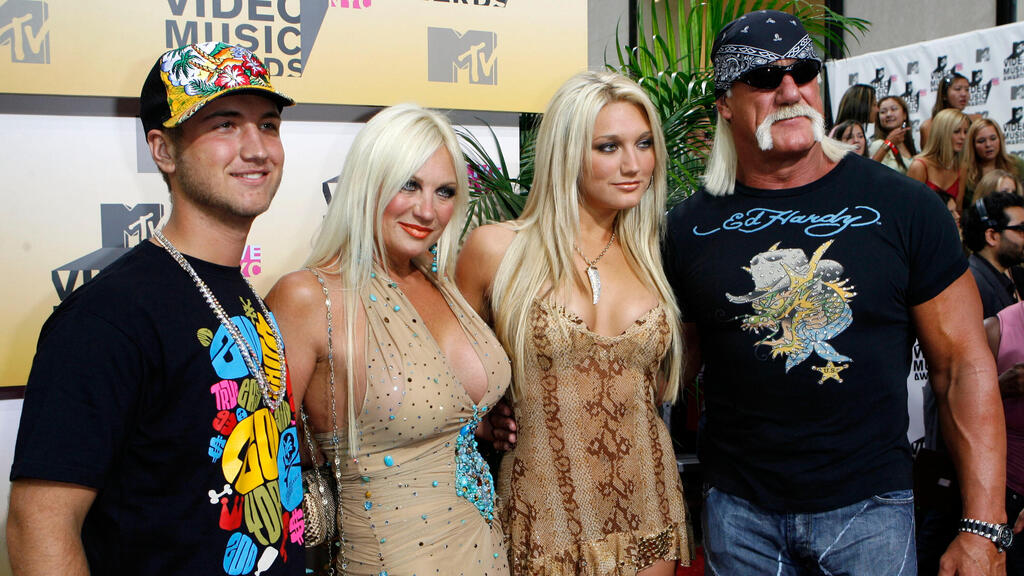
Hulk Hogan with his family
(Photo: AP Photo/Stuart Ramson, File)
Hogan divorced his first wife, Linda, in 2007, a split that he said cost him 70% of his wealth and drove him back into the ring despite his broken body. Brooke offers an entirely different reading of the story: her father was destroyed not only by wrestling itself, but by his endless need to be loved, admired and desired.
In other words, it was not just the ring that ruined him. It was the need to remain at the center of it, at any cost.
He remarried and later divorced again after two years. In 2023, Hogan married Sky Daily, who was 47 at the time. Linda Hogan delivers one of the documentary’s most surprising moments when she speaks about him affectionately and recalls missing the man he once was, someone who tried hard to be a good father and devoted husband.
Their happiest moments as a family, she says, came during his injuries, when he was forced to stay home.
But Terry always wanted to become Hulk again, to feel the endless admiration, the overwhelming love from the crowd and the incomparable rush of walking into the arena.
This is where Herzog again becomes central to the film. He understands that the question is not whether wrestling is real. That is the least interesting question imaginable. The real question is whether the emotion is real. And the emotion was real.
The children who believed in Hogan truly believed. The excitement was real. The joy was real. “Hulkamania” was real. And, in hindsight, so was the pain.
In the end, Hulk Hogan merged completely into Terry Bollea. But did endless fame actually bring him happiness or fulfillment? Would he have been better off continuing to play in a small band, as he did before becoming famous, and settling for a quieter life? The documentary leaves that question unanswered.