

Fresh security concerns are emerging around Mexico’s role as a co-host of the 2026 World Cup, after violence linked to the reported killing of a major cartel leader disrupted domestic soccer fixtures.
Four league matches were postponed over the weekend as unrest spread across parts of the country. While the immediate violence has subsided, the episode has renewed scrutiny of Mexico’s readiness to host matches in the expanded 48-team tournament, which it will stage jointly with the United States and Canada.
Gallery
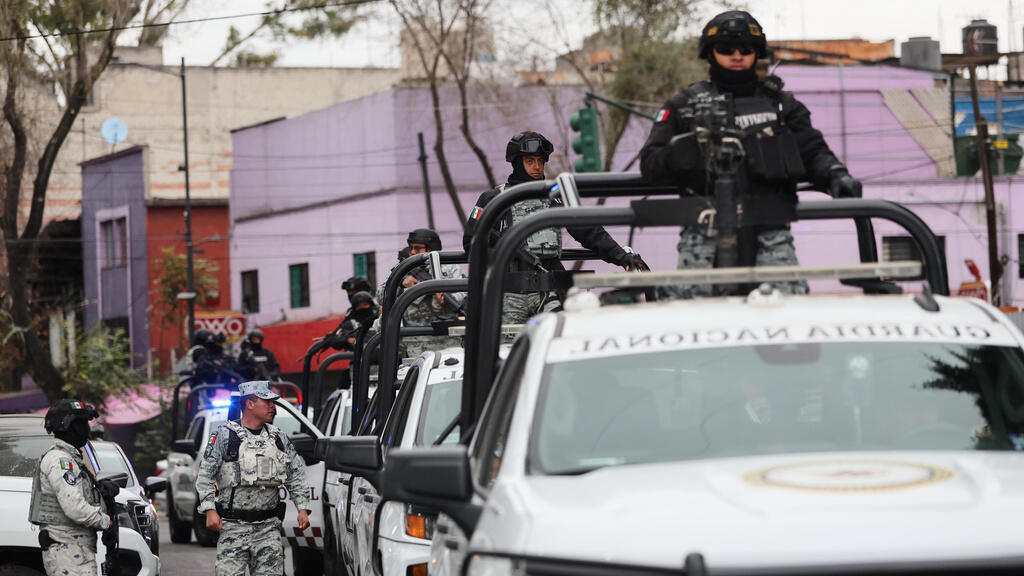
Mexican army deploys in the capital after cartel leader’s killing
(Photo: Ginette Riquelme / AP)
Guadalajara is scheduled to host four World Cup matches in June 2026 at Akron Stadium, including two involving South Korea. Mexico’s national team, as well as Spain, Uruguay and Colombia, are also slated to play there. Other host cities in Mexico include Mexico City and Monterrey.
So far, there has been no formal indication from FIFA that match locations will be reconsidered. Mexican authorities have also not announced any changes to tournament preparations.
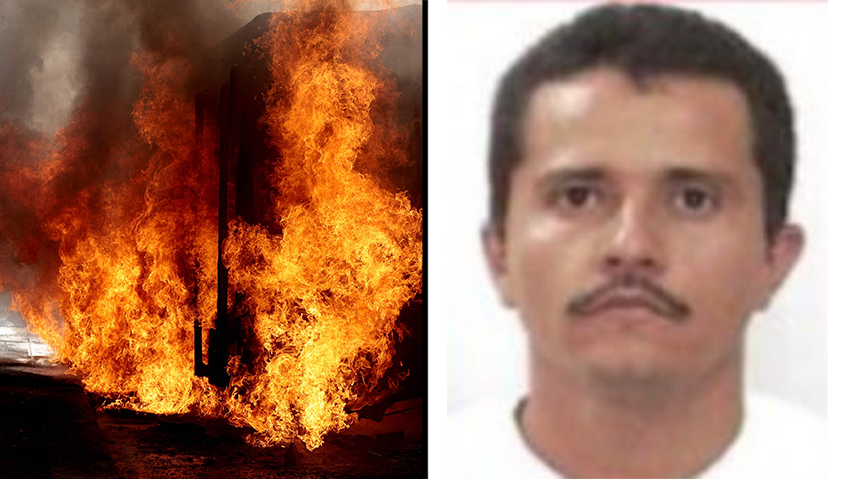
Riots in Jalisco, Mexico, after killing of cartel leader
(Photo: Ulises Ruiz / AFP)
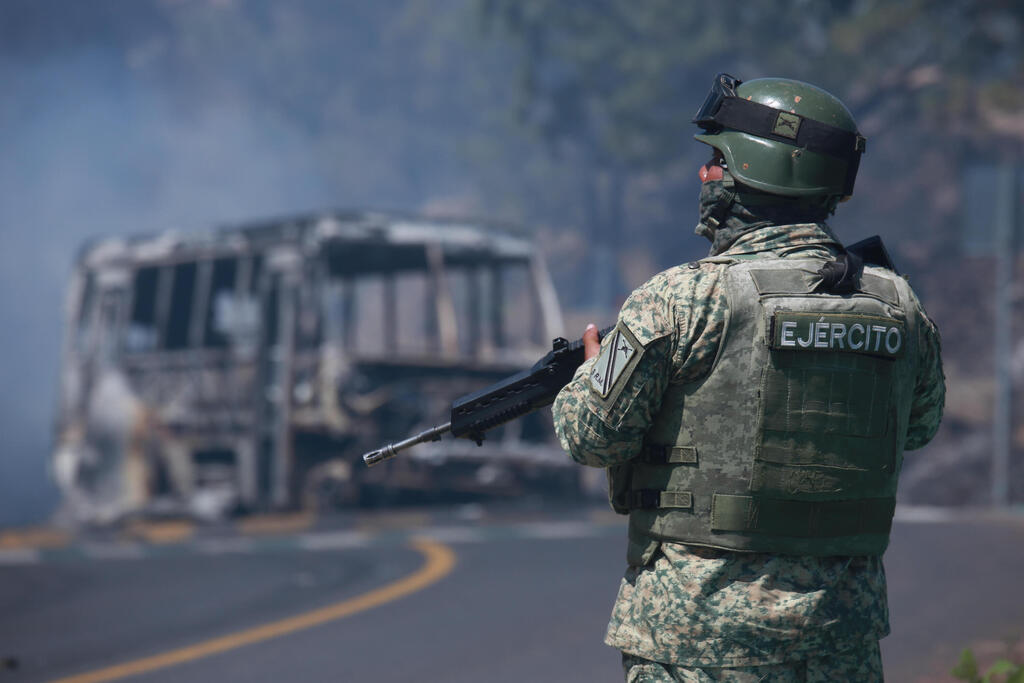
(Photo: Armando Solis/ AP)
However, the recent unrest underscores the security challenges facing the country as it prepares to welcome hundreds of thousands of visitors. The Jalisco New Generation Cartel, whose leader was reportedly killed after a clash with Mexican forces, is considered one of the most powerful criminal organizations in Mexico, with operations in much of the country. The U.S. government has designated it a foreign terrorist organization.
In the United States, reports have said the Trump administration has increased pressure on Mexico to intensify its fight against drug cartels. Reuters reported that a U.S. task force assisted in efforts to track the cartel leader, though officials emphasized that the operation itself was conducted by Mexican forces.
For now, preparations for the 2026 World Cup continue as planned. But the weekend’s disruptions have added a new layer of uncertainty to Mexico’s role in one of the world’s biggest sporting events.